

Feb . 11, 2026 00:01 Back to list
discount 150mm pvc pipe Performance Analysis
Introduction
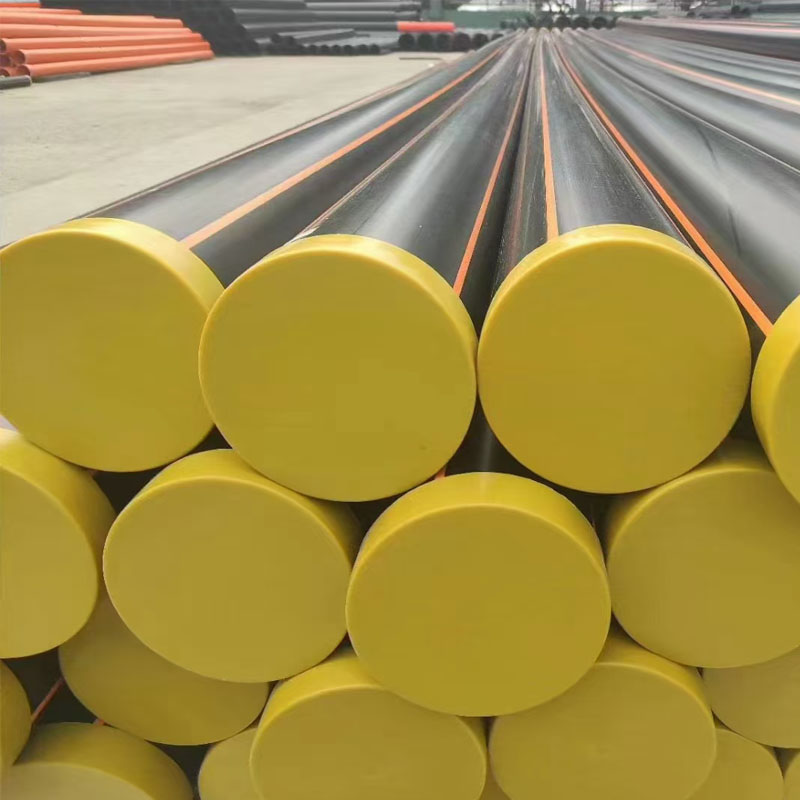
150mm Polyvinyl Chloride (PVC) pipe represents a widely utilized solution for fluid conveyance in various industrial, agricultural, and infrastructural applications. Positioned within the broader thermoplastic piping market, it offers a cost-effective alternative to metallic piping systems, particularly where corrosion resistance is paramount. This guide details the technical aspects of discount 150mm PVC pipe, encompassing material science, manufacturing processes, performance characteristics, potential failure modes, and relevant industry standards. The “discount” designation indicates a focus on value engineering without necessarily compromising core performance attributes, making it a significant consideration for projects with budgetary constraints. Its primary applications include water distribution, irrigation, drainage, and chemical transport where compatibility permits. The core performance characteristics revolve around pressure rating, flow capacity, and long-term durability, all critical factors in determining suitability for specific applications.
Material Science & Manufacturing
Discount 150mm PVC pipe is predominantly manufactured from Polyvinyl Chloride resin, a thermoplastic polymer produced through the polymerization of vinyl chloride monomer (VCM). The PVC resin typically comprises 97-99% of the pipe's composition, with the remaining percentage comprising stabilizers, lubricants, and impact modifiers. Common stabilizers include calcium-zinc formulations or lead-based compounds (though the latter is decreasing due to environmental concerns), imparting thermal stability during processing and extending the pipe’s service life. Lubricants, such as stearates, facilitate processing and reduce friction during extrusion. Impact modifiers, like acrylic polymers, enhance toughness and resistance to cracking, particularly in colder temperatures. The manufacturing process primarily involves extrusion. PVC resin, along with additives, is fed into a heated extruder where it is melted and homogenized. The molten PVC is then forced through a die to form a seamless pipe. Critical parameters during extrusion include melt temperature (typically 180-210°C), screw speed, die pressure, and cooling rate. Controlled cooling is vital to prevent warping and ensure dimensional accuracy. Post-extrusion, the pipe undergoes sizing, calibration, and cutting to the desired length. Quality control checks include hydrostatic pressure testing, dimensional measurements, and visual inspection for defects. Material selection impacts long-term performance; the grade of PVC resin, the type and concentration of additives, and the precision of the extrusion process all influence the pipe's strength, flexibility, and resistance to chemical degradation.

Performance & Engineering
The performance of 150mm PVC pipe is governed by several engineering principles. Hydrostatic strength, determined by the pipe’s ability to withstand internal pressure without failure, is a critical parameter, typically measured according to ASTM D1785. This is directly related to the pipe’s wall thickness and the PVC material's tensile strength. Force analysis reveals that hoop stress, the stress acting circumferentially around the pipe, is the dominant stress component under pressure. The pipe’s resistance to external loads, such as soil backfill, is also essential, particularly in buried applications. This is governed by the pipe’s stiffness, expressed as a modulus of elasticity. Environmental resistance is crucial; PVC exhibits good resistance to many chemicals but can be affected by prolonged exposure to strong oxidizers and aromatic hydrocarbons. UV degradation is another concern, necessitating the inclusion of UV stabilizers in the PVC formulation or protective coatings. Compliance requirements are dictated by local building codes and industry standards, often referencing ASTM or ISO specifications. The pipe’s coefficient of thermal expansion, approximately 0.06 mm/m/°C, must be considered during installation to accommodate temperature fluctuations and prevent stress buildup. Flow capacity is determined by the pipe’s internal diameter and roughness coefficient, influencing frictional losses and pumping requirements. The Hazen-Williams equation is commonly used to calculate flow rate.
Technical Specifications
| Parameter | Specification (Typical) | Test Standard | Units |
|---|---|---|---|
| Nominal Diameter | 150 mm | ISO 1452 | mm |
| Wall Thickness | 4.2 - 6.0 | ASTM D1785 | mm |
| Pressure Rating | PN10, PN16 | EN 1452-1 | Bar |
| Material | PVC (Polyvinyl Chloride) | ASTM D1785 | - |
| Tensile Strength | >55 | ASTM D638 | MPa |
| Impact Strength (Charpy) | >5 J at 20°C | ISO 145-2 | J |
| Water Absorption | <0.5 | ASTM D570 | % |
Failure Mode & Maintenance
Discount 150mm PVC pipe, despite its inherent durability, is susceptible to several failure modes. Long-term hydrostatic stress can lead to slow crack growth (SCG), particularly in formulations lacking adequate impact modification. This manifests as brittle failure after prolonged exposure to sustained pressure. External loads, such as heavy traffic or soil settlement, can cause ovalization and cracking, especially if the pipe is inadequately bedded. Chemical attack, from aggressive solvents or concentrated acids, can lead to swelling, softening, and eventual failure. UV degradation can embrittle the PVC, making it susceptible to impact damage. Joint failures are common, resulting from improper solvent welding techniques or inadequate surface preparation. Maintenance primarily involves regular visual inspection for cracks, leaks, or deformation. Joints should be periodically checked for tightness. For minor cracks, repair sleeves or patching compounds can be used, but complete replacement is often recommended for significant damage. Preventative measures include proper bedding and backfilling, avoiding exposure to incompatible chemicals, and implementing UV protection strategies. Pressure testing should be performed periodically to verify the integrity of the system. Avoiding sharp bends and ensuring adequate support are essential to minimize stress concentrations.
Industry FAQ
Q: What is the impact of temperature on the pressure rating of this PVC pipe?
A: The pressure rating of PVC pipe decreases with increasing temperature. This is due to a reduction in the material’s tensile strength and yield strength at higher temperatures. Derating factors, specified in standards like ASTM D1785 and EN 1452-1, must be applied to the nominal pressure rating to account for operating temperatures above 20°C. For example, a PN10 pipe rated at 10 bar at 20°C might have a reduced pressure rating at 40°C.
Q: How does the quality of solvent cement affect the long-term performance of joints?
A: The quality of solvent cement is critically important for achieving strong, durable joints. Using an incorrect solvent cement formulation, improper application techniques (insufficient cement, inadequate drying time), or working in unsuitable environmental conditions (e.g., low temperature, high humidity) can lead to weak joints that are prone to leakage and failure. Always use a solvent cement specifically designed for PVC pipe and follow the manufacturer’s instructions meticulously.
Q: What is the recommended bedding material for buried 150mm PVC pipe?
A: The recommended bedding material is a granular material, such as sand or gravel, that is free from sharp objects and stones. A minimum bedding depth of 150mm is generally recommended. Proper compaction of the bedding material is crucial to provide uniform support and prevent stress concentrations. In areas with unstable soil conditions, a concrete cradle may be necessary.
Q: What types of chemicals are incompatible with this PVC pipe?
A: While PVC offers good resistance to many chemicals, it is incompatible with strong oxidizing agents (e.g., concentrated nitric acid), aromatic hydrocarbons (e.g., benzene, toluene), and ketones (e.g., acetone). Exposure to these chemicals can cause swelling, softening, and degradation of the PVC material, leading to premature failure. Always consult a chemical compatibility chart before using PVC pipe in a chemical transport application.
Q: What are the benefits of using a UV-stabilized PVC pipe in outdoor applications?
A: UV stabilization significantly extends the service life of PVC pipe exposed to sunlight. UV radiation causes chain scission in the PVC polymer, leading to embrittlement and cracking. UV stabilizers absorb or reflect UV radiation, protecting the polymer from degradation. Using a UV-stabilized pipe is particularly important in applications where the pipe is continuously exposed to sunlight, such as irrigation systems and above-ground water lines.
Conclusion
Discount 150mm PVC pipe provides a viable and cost-effective solution for a wide range of fluid conveyance applications, offering a balance between performance and affordability. Understanding the underlying material science, manufacturing processes, and engineering principles governing its behavior is paramount for ensuring long-term reliability and mitigating potential failure modes. Proper installation techniques, compatible jointing procedures, and consideration of environmental factors are critical to maximizing the service life of the system.
Future advancements in PVC formulations, such as the incorporation of bio-based plasticizers and enhanced impact modifiers, may further improve the performance and sustainability of this versatile piping material. Continued adherence to industry standards and best practices will remain essential for maintaining the integrity and safety of PVC piping systems in diverse applications.
-
DN25 HDPE Compression Fitting-HORON INTERNATIONAL|Reliable Irrigation Solutions
NewsFeb.11,2026
-
hdpe coupling joint product Manufacturing Analysis
News2026-11-18
-
ppr pipe heating time products Performance Analysis
News2026-11-16
-
hdpe pipe sizes factory Performance Analysis
News2026-11-09
-
HDPE Pipe Sizes Service Performance Analysis
News2026-10-26
-
wholesale 15mm ppr pipe Material Science and Performance Analysis
News2026-10-20
-
wholesale pvc pipe price per foot Technical Analysis
News2026-09-21
-
wholesale long pvc pipe Technical Analysis and Manufacturing Specifications
News2026-09-15
-
wholesale plumbing kitchen sink water lines Material Performance
News2026-09-15
-
wholesale hdpe drip irrigation Material Science
News2026-09-15
-
wholesale hot water ppr pipe Performance Analysis
News2026-09-15
-
wholesale ppr plumbing Performance Analysis
News2026-09-15
-
wholesale ppr pipe supplier Performance Analysis
News2026-09-13
-
wholesale 50mm ppr pipe Performance Analysis
News2026-09-13
-
wholesale hdpe drip pipe Performance Analysis
News2026-09-13
-
wholesale hdpe pipe 63mm price Manufacturing Specification and Performance Analysis
News2026-09-13