

Feb . 11, 2026 00:01 Back to list
discount 100mm pvc pipe price Technical Analysis
Introduction
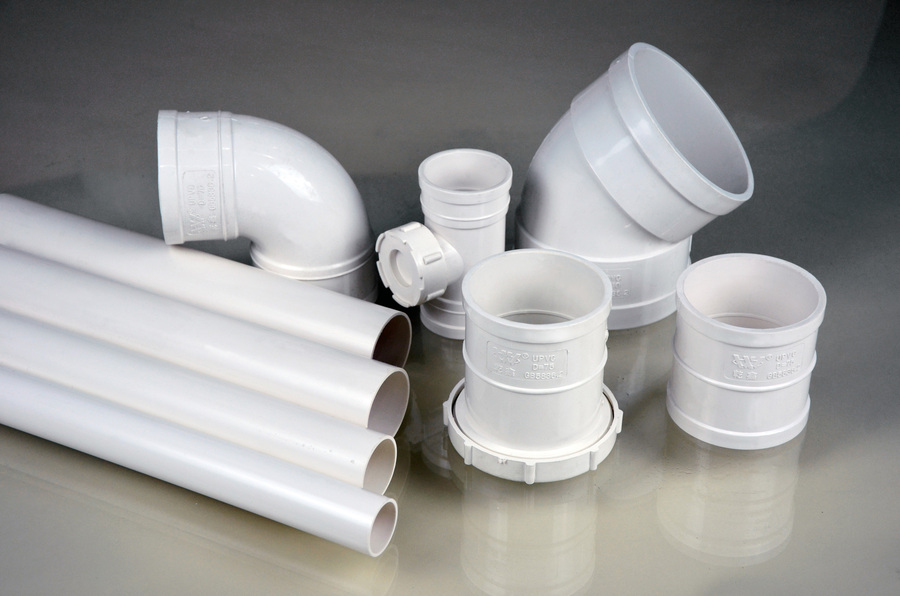
100mm Polyvinyl Chloride (PVC) pipe is a widely utilized thermoplastic piping system in a vast array of industrial and civil engineering applications. Its prominence stems from a compelling combination of cost-effectiveness, durability, and relatively simple installation. Within the broader piping industry, 100mm PVC occupies a critical position as a pressure and non-pressure conduit for water distribution, drainage, irrigation, chemical conveyance, and various other fluid handling systems. The "discount 100mm pvc pipe price" designation focuses on competitive pricing within the market, often relating to bulk purchases or specific production efficiencies. Core performance characteristics include robust tensile strength, resistance to chemical degradation from many common substances, and a smooth internal surface minimizing frictional losses. Understanding the nuances of PVC material composition, manufacturing processes, and performance limitations is paramount for ensuring long-term system integrity and minimizing lifecycle costs. This guide provides a comprehensive overview of these aspects, focusing on the technical details pertinent to B2B industrial applications and procurement decisions. This analysis extends beyond merely acknowledging price point, and delivers a technical foundation for informed sourcing decisions.
Material Science & Manufacturing
The primary raw material for 100mm PVC pipe is Polyvinyl Chloride, a synthetic plastic polymer composed of approximately 57% chlorine and 43% carbon. The PVC compound is rarely used in its pure form; instead, it's typically blended with various additives to enhance its properties. Key additives include plasticizers (like phthalates or DINP) to increase flexibility, stabilizers (like lead-based or calcium-zinc based compounds) to prevent thermal degradation during processing, lubricants to facilitate extrusion, impact modifiers (like acrylics) to improve toughness, and pigments for coloration. The selection and proportion of these additives significantly affect the final pipe characteristics.
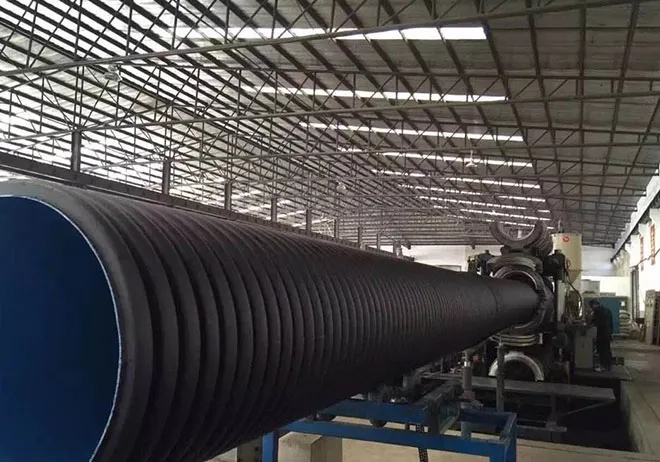
Manufacturing commonly employs the extrusion process. PVC powder, along with additives, is fed into a hopper and conveyed into a heated barrel via a screw. As the material travels along the barrel, it's progressively heated and plasticized. The molten PVC is then forced through a die, shaping it into a seamless pipe. Critical parameters during extrusion include barrel temperature profiles (typically ranging from 180°C to 220°C, depending on the PVC formulation), screw speed (influencing throughput and mixing), die geometry (dictating pipe dimensions and wall thickness), and cooling rates (essential for solidifying the pipe and maintaining dimensional stability). Post-extrusion, pipes are typically calibrated to ensure precise dimensions and cut to specified lengths. Quality control measures include hydrostatic pressure testing (to verify burst strength), impact resistance testing, and dimensional checks. The control of molecular weight distribution in the PVC resin also significantly impacts the mechanical properties, especially long-term creep resistance. Wall thickness consistency is also crucial and is heavily monitored throughout the manufacturing process to ensure adherence to relevant standards.
Performance & Engineering
The performance of 100mm PVC pipe is governed by several engineering considerations. Firstly, hydrostatic design stress (HDS) is a crucial parameter, representing the maximum allowable internal pressure the pipe can withstand. This is determined by factors such as pipe dimensions (diameter and wall thickness), PVC material grade, and temperature. The HDS is calculated based on established formulas outlined in standards like ASTM D1785 and ISO 4427. Secondly, soil loading is a critical factor when the pipe is buried. The pipe must be able to support the weight of the soil and any superimposed loads (e.g., traffic). Burial depth, soil type, and pipe stiffness (a measure of the pipe’s resistance to deformation) influence the pipe’s ability to withstand these loads. Thirdly, chemical resistance is paramount, particularly in industrial applications. While PVC exhibits good resistance to many acids, bases, and salts, it's susceptible to degradation by certain solvents and aromatic hydrocarbons. Therefore, understanding the chemical compatibility of the conveyed fluid with the PVC material is essential. Finally, temperature plays a significant role. PVC's mechanical properties degrade at elevated temperatures. Prolonged exposure to temperatures above 60°C can lead to softening, creep, and reduced strength. Engineering calculations must account for anticipated operating temperatures and potential temperature fluctuations.
Technical Specifications
| Parameter | Unit | Schedule 40 | Schedule 80 |
|---|---|---|---|
| Nominal Pipe Size | mm | 100 | 100 |
| Outside Diameter | mm | 114.3 | 114.3 |
| Wall Thickness | mm | 4.2 | 5.6 |
| Pressure Rating (at 23°C) | psi | 450 | 600 |
| Tensile Strength | MPa | 62-70 | 65-75 |
| Impact Strength (Izod Notched) | J/m | 80-100 | 120-150 |
| Hydrostatic Test Pressure | MPa | 7.5 | 9.6 |
Failure Mode & Maintenance
100mm PVC pipe can experience several failure modes. Brittle Fracture occurs due to sudden impact or stress exceeding the material's tensile strength, particularly at low temperatures. Environmental Stress Cracking (ESC) arises from the combined effects of tensile stress, aggressive chemicals, and temperature. This is a slow, insidious failure mechanism that can lead to crack propagation over time. UV Degradation, caused by prolonged exposure to ultraviolet radiation, results in surface embrittlement and loss of mechanical properties. Creep Rupture occurs under sustained pressure over extended periods, especially at elevated temperatures. The PVC material slowly deforms and eventually ruptures. Joint Failure can occur at solvent-welded or threaded connections due to improper installation, inadequate bonding, or corrosion of fittings.
Maintenance strategies include regular visual inspections to identify cracks, deformations, or leaks. Protective coatings can be applied to mitigate UV degradation. Proper burial depth and bedding are crucial to prevent soil loading-induced failures. Regular pressure testing can detect early signs of weakening. For systems conveying corrosive fluids, periodic chemical compatibility assessments should be conducted. If ESC is suspected, reducing stress levels (e.g., by supporting the pipe more frequently) and replacing affected sections are necessary. Damaged sections should be replaced with compatible PVC pipe and fittings, ensuring proper solvent welding or threading techniques are employed. Scheduled preventative maintenance can significantly extend the service life of the piping system.
Industry FAQ
Q: What is the impact of different PVC resin types (e.g., suspension PVC, emulsion PVC) on the final pipe performance?
A: Suspension PVC is typically used for larger diameter pipes like 100mm due to its better impact strength and processability. Emulsion PVC has finer particle size and generally offers improved surface finish, but can be more costly and less suitable for large-scale extrusion. The resin type influences the final product’s impact resistance, tensile strength, and overall long-term durability.
Q: How does the type of plasticizer used affect the long-term flexibility and chemical resistance of the PVC pipe?
A: Phthalate plasticizers were historically common, but are facing increasing regulatory scrutiny due to health concerns. DINP (Diisononyl Phthalate) is a frequently used alternative, offering good performance and reduced toxicity. However, the choice of plasticizer directly impacts the pipe’s flexibility at low temperatures and its resistance to specific chemicals. Some plasticizers are more susceptible to leaching or degradation than others.
Q: What is the recommended burial depth and bedding material for 100mm PVC pipe to ensure long-term structural integrity?
A: Recommended burial depth varies based on traffic loading and soil conditions, but generally ranges from 0.6 to 1.2 meters. Bedding material should consist of granular, non-corrosive material (e.g., sand or gravel) with rounded particles to provide uniform support and prevent stress concentrations. Compaction should be controlled to avoid over-compaction, which can induce stress in the pipe.
Q: How can I verify the quality of solvent cement used for joining PVC pipe sections, and what are the critical application parameters?
A: Verify the solvent cement’s compatibility with the specific PVC formulation being used. Check the expiration date. Critical application parameters include proper surface preparation (cleaning and priming), ambient temperature (typically 15-30°C), adequate ventilation, and sufficient curing time. Applying insufficient cement or working outside the recommended temperature range can compromise joint strength.
Q: What are the typical failure rates observed in 100mm PVC pipe used for potable water distribution systems, and what are the primary contributing factors?
A: Failure rates vary significantly based on water quality, soil conditions, and installation practices. Reported failure rates range from 0.5 to 2% per year. Primary contributing factors include aggressive water chemistry (corrosion, scaling), soil loading, temperature fluctuations, and improper installation (e.g., inadequate jointing, insufficient bedding). Regular monitoring and preventative maintenance can reduce these rates.
Conclusion
The “discount 100mm pvc pipe price” is only one facet of evaluating a viable piping solution. A comprehensive understanding of the underlying material science, manufacturing processes, and engineering considerations surrounding PVC pipe is essential for ensuring long-term performance and minimizing lifecycle costs. Key factors such as PVC formulation, hydrostatic design stress, soil loading, chemical compatibility, and potential failure modes must be carefully assessed during the procurement and installation phases. Prioritizing quality control, proper installation techniques, and scheduled maintenance is paramount to maximizing the service life and reliability of these systems.
Future trends in PVC pipe technology include the development of more sustainable PVC formulations (e.g., bio-based plasticizers, recycled PVC content), enhanced impact modifiers for improved toughness, and advanced coatings for increased UV resistance and chemical protection. Furthermore, the adoption of digital monitoring technologies (e.g., embedded sensors) will enable real-time assessment of pipe integrity and proactive identification of potential failures. These advancements will contribute to more resilient, cost-effective, and environmentally responsible piping infrastructure.
-
DN25 HDPE Compression Fitting-HORON INTERNATIONAL|Reliable Irrigation Solutions
NewsFeb.11,2026
-
hdpe coupling joint product Manufacturing Analysis
News2026-11-18
-
ppr pipe heating time products Performance Analysis
News2026-11-16
-
hdpe pipe sizes factory Performance Analysis
News2026-11-09
-
HDPE Pipe Sizes Service Performance Analysis
News2026-10-26
-
wholesale 15mm ppr pipe Material Science and Performance Analysis
News2026-10-20
-
wholesale pvc pipe price per foot Technical Analysis
News2026-09-21
-
wholesale long pvc pipe Technical Analysis and Manufacturing Specifications
News2026-09-15
-
wholesale plumbing kitchen sink water lines Material Performance
News2026-09-15
-
wholesale hdpe drip irrigation Material Science
News2026-09-15
-
wholesale hot water ppr pipe Performance Analysis
News2026-09-15
-
wholesale ppr plumbing Performance Analysis
News2026-09-15
-
wholesale ppr pipe supplier Performance Analysis
News2026-09-13
-
wholesale 50mm ppr pipe Performance Analysis
News2026-09-13
-
wholesale hdpe drip pipe Performance Analysis
News2026-09-13
-
wholesale hdpe pipe 63mm price Manufacturing Specification and Performance Analysis
News2026-09-13