

Feb . 11, 2026 00:01 Back to list
discount 10 hdpe corrugated pipe Performance Analysis
Introduction
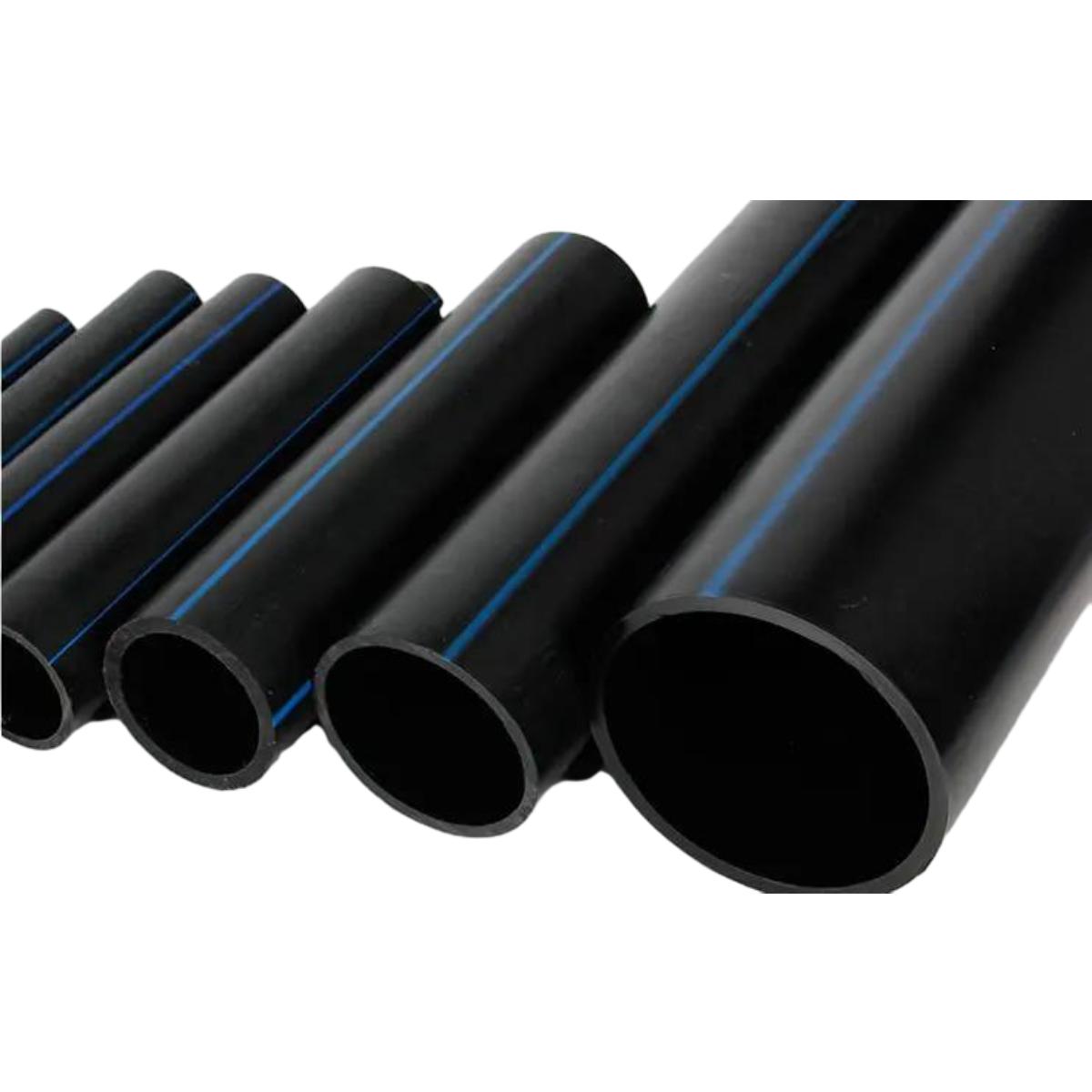
Discount 10 HDPE corrugated pipe represents a cost-effective solution for subsurface drainage, stormwater management, and conduit applications. Categorized within Schedule 10 HDPE pipe classifications, this product is characterized by its corrugated exterior, providing a balance between ring stiffness and flexibility. Its primary function is to efficiently convey fluids while maintaining structural integrity under load. Positioned within the broader industrial chain, it serves as a crucial component in civil engineering projects, agricultural drainage systems, and telecommunications infrastructure. Core performance metrics center around its hydraulic capacity, crush resistance, and longevity in underground environments. The ‘Discount 10’ designation typically indicates a lower material weight or optimized manufacturing process resulting in a competitive price point compared to higher schedule HDPE corrugated pipe offerings, making it an attractive option for large-scale projects where cost optimization is paramount.
Material Science & Manufacturing
High-Density Polyethylene (HDPE) constitutes the primary raw material for this pipe. HDPE is a thermoplastic polymer renowned for its high strength-to-density ratio, chemical inertness, and resistance to abrasion. The polyethylene resin used typically conforms to ASTM D3350 specifications, with cell classifications (e.g., PE345434C) denoting crucial properties like melt flow index and density. The manufacturing process begins with the extrusion of HDPE resin into a continuous sheet. This sheet is then corrugated using specialized machinery featuring precisely engineered corrugation rings. The corrugation profile is critical, dictating the pipe’s ring stiffness (a measure of its ability to withstand external loads without collapsing) and its flexibility for ease of installation. Key parameter control during manufacturing includes maintaining consistent wall thickness, proper corrugation depth and spacing, and precise temperature regulation throughout the extrusion and forming processes. Improper temperature control can lead to material degradation or dimensional instability. Post-corrugation, the pipe is often subjected to quality control checks, including hydrostatic pressure testing to ensure leak-proof performance and dimensional measurements to verify adherence to specified tolerances. The addition of UV stabilizers is crucial for applications where the pipe may be exposed to sunlight during installation or temporary storage to prevent premature degradation of the polymer.
Performance & Engineering
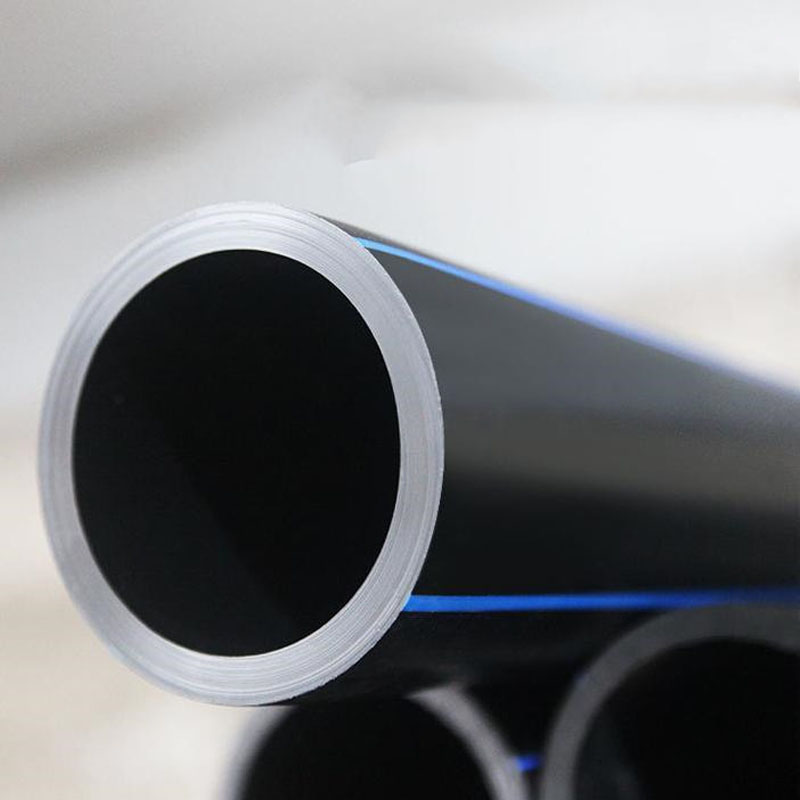
Performance of Discount 10 HDPE corrugated pipe is heavily influenced by its ring stiffness, which directly correlates with its ability to withstand external loads such as soil overburden and traffic loads. The ring stiffness is calculated based on the pipe's diameter, wall thickness, and corrugation profile, typically expressed in pounds per inch (psi). Engineering considerations include conducting load analysis to determine the appropriate pipe schedule (and thus ring stiffness) for the intended application. Soil conditions, burial depth, and anticipated traffic loads are all critical input parameters. Hydraulic performance is dictated by Manning’s equation, considering the pipe’s inner diameter and roughness coefficient. Long-term creep performance is also a key concern. HDPE, like all polymers, exhibits time-dependent deformation under sustained load. Engineers must account for this creep when designing systems requiring long-term structural stability. Compliance with relevant standards, such as ASTM F2306 (Standard Specification for Corrugated Polyethylene (PE) Pipe with Fittings), is essential. This standard defines requirements for material properties, dimensions, performance testing, and marking. The pipe’s ability to resist hydrostatic pressure is another critical performance factor, particularly in drainage applications where the pipe may become submerged. Joint connections, often utilizing couplers or bell-and-spigot joints, are engineered to maintain watertight seals and structural continuity.
Technical Specifications
| Parameter | Units | Typical Value (Discount 10) | Test Standard |
|---|---|---|---|
| Nominal Diameter | inches | 12, 15, 18, 24, 30, 36 | ASTM F2306 |
| Ring Stiffness | psi | 34 - 45 | ASTM F2412 |
| Pipe Material | - | HDPE (PE345434C) | ASTM D3350 |
| Minimum Tensile Strength at Yield | psi | 4000 | ASTM D638 |
| Elongation at Break | % | > 500 | ASTM D638 |
| Hydrostatic Design Stress | psi | 1600 | ASTM F2306 |
Failure Mode & Maintenance
Common failure modes for Discount 10 HDPE corrugated pipe include ovalation (deformation of the pipe’s circular cross-section) due to excessive external loads, cracking resulting from impact damage or stress concentration at joints, and long-term creep leading to gradual deformation and loss of structural integrity. Environmental Stress Cracking (ESC) can occur when the pipe is exposed to certain chemicals or detergents, accelerating crack propagation. UV degradation, although mitigated by stabilizers, remains a concern for prolonged exposure to sunlight. Failure analysis often reveals that improper installation practices, such as inadequate bedding or compaction, significantly contribute to premature failure. Maintenance primarily involves regular inspections to identify signs of deformation, cracking, or joint separation. Minor deformations can sometimes be corrected through controlled application of external pressure. Joint leaks can often be repaired using appropriate sealing compounds. For significant structural damage, pipe replacement is typically required. Preventative measures include ensuring proper bedding and compaction during installation, avoiding exposure to harsh chemicals, and protecting the pipe from excessive UV radiation. Periodic cleaning to remove sediment buildup can also help maintain hydraulic capacity and prevent corrosion of couplers.
Industry FAQ
Q: What is the impact of soil corrosivity on the lifespan of Discount 10 HDPE pipe?
A: Highly corrosive soils containing sulfates or chlorides can accelerate degradation of the HDPE material, particularly at joints. Mitigation strategies include using chemically resistant joint seals, applying protective coatings, and ensuring adequate soil cover to minimize exposure to corrosive elements. A soil analysis is recommended to determine the corrosivity level before installation.
Q: How does burial depth affect the load-bearing capacity of the pipe?
A: Increased burial depth increases the external load on the pipe due to the weight of the overlying soil. Therefore, a higher ring stiffness is required for deeper installations. Engineers must calculate the appropriate pipe schedule based on the anticipated burial depth and soil conditions to ensure structural stability.
Q: What are the acceptable methods for joining sections of Discount 10 HDPE pipe?
A: Acceptable joining methods include using compression couplers, solvent cement welding (for smaller diameters), and gasketed bell-and-spigot joints. The chosen method must ensure a watertight seal and maintain the structural integrity of the pipeline. Proper installation procedures, as outlined by the manufacturer, must be followed.
Q: Can Discount 10 HDPE pipe be used for gravity sewer applications?
A: Yes, but careful consideration must be given to the pipe’s ring stiffness and the anticipated surcharge (the height of the fluid column above the pipe). It’s crucial to ensure the pipe can withstand the combined loads from soil overburden, traffic, and the fluid surcharge. Compliance with local sewer codes and regulations is essential.
Q: What is the expected service life of Discount 10 HDPE corrugated pipe under typical conditions?
A: Under typical soil conditions and with proper installation, Discount 10 HDPE corrugated pipe can have a service life of 50 years or more. However, this lifespan can be significantly reduced by factors such as exposure to harsh chemicals, excessive UV radiation, and improper installation practices.
Conclusion
Discount 10 HDPE corrugated pipe provides a robust and cost-effective solution for various drainage and conduit applications. Its performance is fundamentally tied to its material properties, manufacturing quality, and adherence to established engineering principles. Understanding the interplay between ring stiffness, soil loads, hydraulic capacity, and potential failure modes is crucial for ensuring long-term reliability.
Successful implementation necessitates careful consideration of site-specific conditions, proper installation techniques, and ongoing maintenance practices. Compliance with relevant industry standards (ASTM F2306) is paramount. Future trends may involve the development of enhanced HDPE formulations with improved UV resistance and creep performance, further extending the lifespan and applicability of this versatile piping material.
-
DN25 HDPE Compression Fitting-HORON INTERNATIONAL|Reliable Irrigation Solutions
NewsFeb.11,2026
-
hdpe coupling joint product Manufacturing Analysis
News2026-11-18
-
ppr pipe heating time products Performance Analysis
News2026-11-16
-
hdpe pipe sizes factory Performance Analysis
News2026-11-09
-
HDPE Pipe Sizes Service Performance Analysis
News2026-10-26
-
wholesale 15mm ppr pipe Material Science and Performance Analysis
News2026-10-20
-
wholesale pvc pipe price per foot Technical Analysis
News2026-09-21
-
wholesale long pvc pipe Technical Analysis and Manufacturing Specifications
News2026-09-15
-
wholesale plumbing kitchen sink water lines Material Performance
News2026-09-15
-
wholesale hdpe drip irrigation Material Science
News2026-09-15
-
wholesale hot water ppr pipe Performance Analysis
News2026-09-15
-
wholesale ppr plumbing Performance Analysis
News2026-09-15
-
wholesale ppr pipe supplier Performance Analysis
News2026-09-13
-
wholesale 50mm ppr pipe Performance Analysis
News2026-09-13
-
wholesale hdpe drip pipe Performance Analysis
News2026-09-13
-
wholesale hdpe pipe 63mm price Manufacturing Specification and Performance Analysis
News2026-09-13