

Feb . 11, 2026 00:01 Back to list
discount 1 ppr pipe price Technical Analysis
Introduction
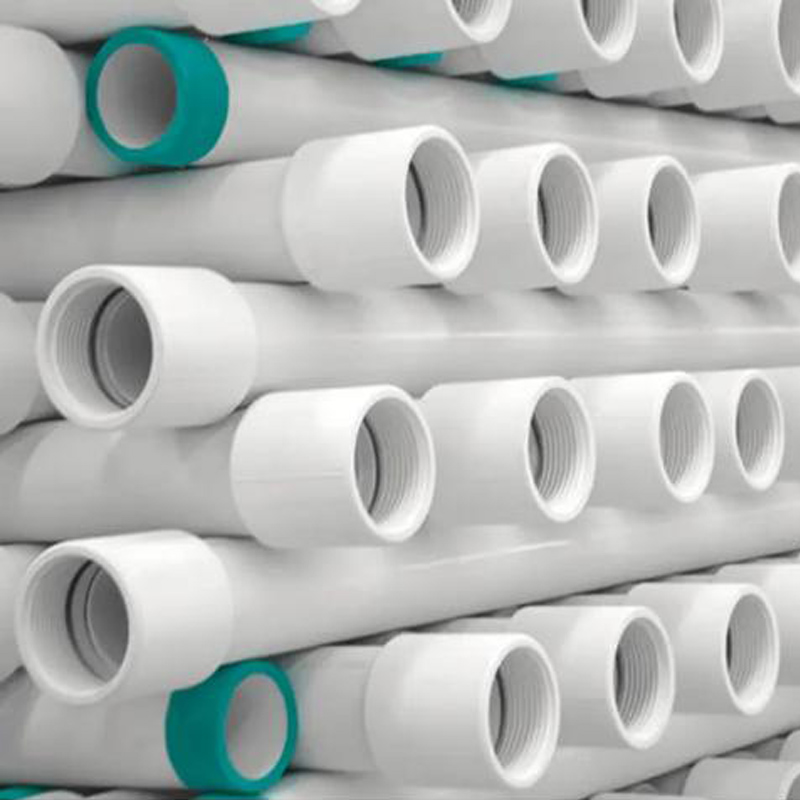
Polypropylene Random (PPR) pipe, specifically focusing on ‘discount 1 ppr pipe price’ models, represents a significant advancement in fluid conveyance systems. PPR pipes are thermoplastic pipes utilized for both potable and non-potable water systems, heating, and cooling applications. Their position in the building and infrastructure supply chain is as a direct replacement for traditional metal piping (copper, galvanized steel) and, increasingly, PVC systems. Core performance characteristics of PPR pipe include its high chemical resistance, thermal stability, lightweight nature, and ease of installation via heat fusion welding. This guide will provide an in-depth technical analysis of PPR pipe, covering material science, manufacturing processes, performance characteristics, failure modes, and relevant industry standards, addressing key procurement concerns for B2B industrial clients.
Material Science & Manufacturing
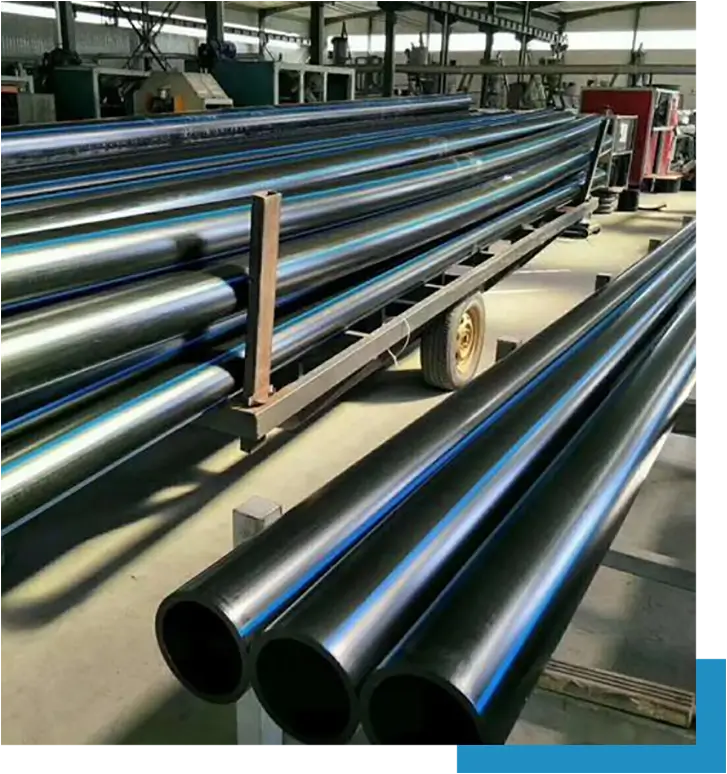
PPR pipe derives its properties primarily from polypropylene random copolymer. The base resin is a polypropylene homopolymer with ethylene incorporated randomly into the polymer chain. This randomization disrupts the polymer’s crystallinity, resulting in increased flexibility and impact resistance compared to standard polypropylene. Raw materials used include polypropylene granules, stabilizers (typically antioxidants to prevent thermal degradation), and potentially pigments for identification purposes. Manufacturing generally involves extrusion. Polypropylene granules are fed into an extruder, heated to a plastic state (typically 190-240°C), and forced through a die to form a continuous pipe. Key parameters in extrusion include temperature control across the extruder zones, screw speed (affecting melt homogeneity), die pressure (impacting dimensional accuracy), and cooling rates (influencing crystallinity). Heat fusion welding – socket fusion and butt fusion – is the dominant joining method. Socket fusion involves heating both the pipe end and the fitting socket, allowing them to be pressed together, creating a homogenous weld. Butt fusion is used for larger diameter pipes, joining the ends directly under heat and pressure. Parameter control in welding includes temperature (critical for optimal diffusion and bonding), pressure (ensuring complete contact), and cooling time (preventing stress cracking). The quality of the weld is highly dependent on consistent application of these parameters.
Performance & Engineering
The performance of PPR pipe is dictated by several engineering considerations. Hydrostatic pressure testing is crucial, verifying the pipe’s ability to withstand internal fluid pressure without failure. Standards like DIN 19569 specify testing parameters (temperature, duration, pressure levels). Thermal expansion is a significant factor; PPR has a higher coefficient of thermal expansion than metal pipes (approximately 0.03 mm/m°C). Expansion loops or flexible connectors must be incorporated into the system design to accommodate this expansion and prevent stress on joints. Chemical resistance is excellent, with PPR being inert to most common chemicals found in water and heating systems. However, prolonged exposure to strong oxidizing agents should be avoided. Force analysis during installation is essential. Incorrect handling can lead to stress concentrations and premature failure. Impact resistance, while improved over standard polypropylene, remains a concern in demanding environments, requiring adequate protection during backfilling or in areas prone to mechanical damage. Compliance requirements vary by region. In Europe, EN 14877 and EN 14878 govern PPR pipe systems for hot and cold water. North American standards often reference ASTM D2837 and NSF/ANSI 61 for potable water applications. Proper system design, accounting for thermal expansion, pressure requirements, and local regulations, is paramount for long-term performance.
Technical Specifications
| Parameter | Unit | Typical Value (PN20 - SDR11) | Typical Value (PN25 - SDR9) |
|---|---|---|---|
| Nominal Pressure Rating (PN) | bar | 20 | 25 |
| Standard Dimension Ratio (SDR) | - | 11 | 9 |
| Hydrostatic Pressure Test | bar | 40 | 50 |
| Tensile Strength | MPa | 20-25 | 22-28 |
| Elongation at Break | % | 200-300 | 250-350 |
| Water Absorption (24hr) | % | <0.05 | <0.05 |
Failure Mode & Maintenance
Common failure modes in PPR pipe systems include slow crack growth (SCG), particularly in areas of residual stress or exposure to chlorine-containing disinfectants. SCG initiates from scratches or imperfections on the inner surface and propagates slowly over time. Another failure mode is oxidative degradation, occurring at elevated temperatures and prolonged exposure to oxygen. This leads to embrittlement and reduced impact resistance. Joint failures are frequently caused by improper heat fusion welding – insufficient heating, inadequate pressure, or contamination during the welding process. Mechanical damage, such as impact from external forces during installation or backfilling, can cause cracking or complete rupture. Maintenance involves regular visual inspections for leaks, cracks, or signs of deformation. Pressure testing can identify hidden leaks. For minor leaks, localized repairs using heat fusion welding are possible, but require skilled technicians. Preventative maintenance includes ensuring proper system support to minimize stress on joints and avoiding exposure to aggressive chemicals. If SCG is suspected, replacing the affected pipe section is the recommended course of action. Avoid using abrasive cleaning agents, as these can create scratches that initiate SCG. Regularly flush the system to remove sediment buildup that can contribute to corrosion and bacterial growth.
Industry FAQ
Q: What is the impact of water hardness on the long-term performance of PPR pipes?
A: Water hardness (high mineral content) can contribute to scale buildup on the inner surface of PPR pipes. While PPR itself is resistant to most minerals, excessive scale can reduce flow capacity and potentially create localized stress points. Regular flushing and, in areas with extremely hard water, the use of water softening systems are recommended to mitigate this effect.
Q: How does the ‘discount 1 ppr pipe price’ offering compare to other PPR pipe manufacturers in terms of long-term creep resistance?
A: Creep resistance, the tendency to deform under sustained load, is crucial for PPR pipes. Our ‘discount 1 ppr pipe price’ models utilize a specifically formulated polypropylene random copolymer with enhanced molecular weight distribution, demonstrably improving creep resistance compared to competitors using lower-grade materials. Independent testing data is available upon request.
Q: What is the recommended maximum operating temperature for ‘discount 1 ppr pipe price’ systems used in radiant heating applications?
A: For radiant heating applications, the recommended maximum continuous operating temperature for ‘discount 1 ppr pipe price’ systems is 60°C (140°F). While PPR can withstand higher temperatures for short durations, exceeding this limit long-term can lead to oxidative degradation and reduced lifespan.
Q: What specific quality control measures are in place during the manufacturing of ‘discount 1 ppr pipe price’ to ensure dimensional accuracy and prevent ovality?
A: We employ a multi-stage quality control system. This includes continuous laser diameter monitoring during extrusion to ensure consistent wall thickness and outer diameter. Periodic hydrostatic pressure testing of sample sections is performed to verify burst resistance and identify any dimensional anomalies. Ovality is controlled through precise die design and cooling calibration.
Q: What are the best practices for storing PPR pipe on-site before installation to prevent damage or degradation?
A: PPR pipe should be stored in a cool, dry, and well-ventilated area, away from direct sunlight and sources of heat. Pipes should be stacked horizontally, supported along their entire length to prevent sagging or deformation. Avoid storing pipes directly on the ground, as this can expose them to moisture and contaminants. Protect pipes from mechanical damage during storage and handling.
Conclusion
PPR piping systems, and specifically ‘discount 1 ppr pipe price’ models, offer a compelling alternative to traditional piping materials due to their combination of corrosion resistance, thermal stability, and ease of installation. However, successful implementation requires a thorough understanding of material properties, manufacturing processes, and engineering considerations, including accounting for thermal expansion and potential failure modes. Proper installation techniques, adherence to relevant industry standards, and preventative maintenance are crucial for maximizing the lifespan and reliability of these systems.
Looking ahead, advancements in polypropylene resin technology and welding techniques will continue to enhance the performance and durability of PPR pipes. Increased focus on sustainability and eco-friendly materials will drive the development of bio-based polypropylene options. Continued adherence to rigorous quality control standards and informed material selection will be paramount to ensuring the long-term success of PPR piping systems in diverse industrial applications.
-
DN25 HDPE Compression Fitting-HORON INTERNATIONAL|Reliable Irrigation Solutions
NewsFeb.11,2026
-
hdpe coupling joint product Manufacturing Analysis
News2026-11-18
-
ppr pipe heating time products Performance Analysis
News2026-11-16
-
hdpe pipe sizes factory Performance Analysis
News2026-11-09
-
HDPE Pipe Sizes Service Performance Analysis
News2026-10-26
-
wholesale 15mm ppr pipe Material Science and Performance Analysis
News2026-10-20
-
wholesale pvc pipe price per foot Technical Analysis
News2026-09-21
-
wholesale long pvc pipe Technical Analysis and Manufacturing Specifications
News2026-09-15
-
wholesale plumbing kitchen sink water lines Material Performance
News2026-09-15
-
wholesale hdpe drip irrigation Material Science
News2026-09-15
-
wholesale hot water ppr pipe Performance Analysis
News2026-09-15
-
wholesale ppr plumbing Performance Analysis
News2026-09-15
-
wholesale ppr pipe supplier Performance Analysis
News2026-09-13
-
wholesale 50mm ppr pipe Performance Analysis
News2026-09-13
-
wholesale hdpe drip pipe Performance Analysis
News2026-09-13
-
wholesale hdpe pipe 63mm price Manufacturing Specification and Performance Analysis
News2026-09-13