

Feb . 11, 2026 00:01 Back to list
discount 1 ppr pipe Material Composition
Introduction
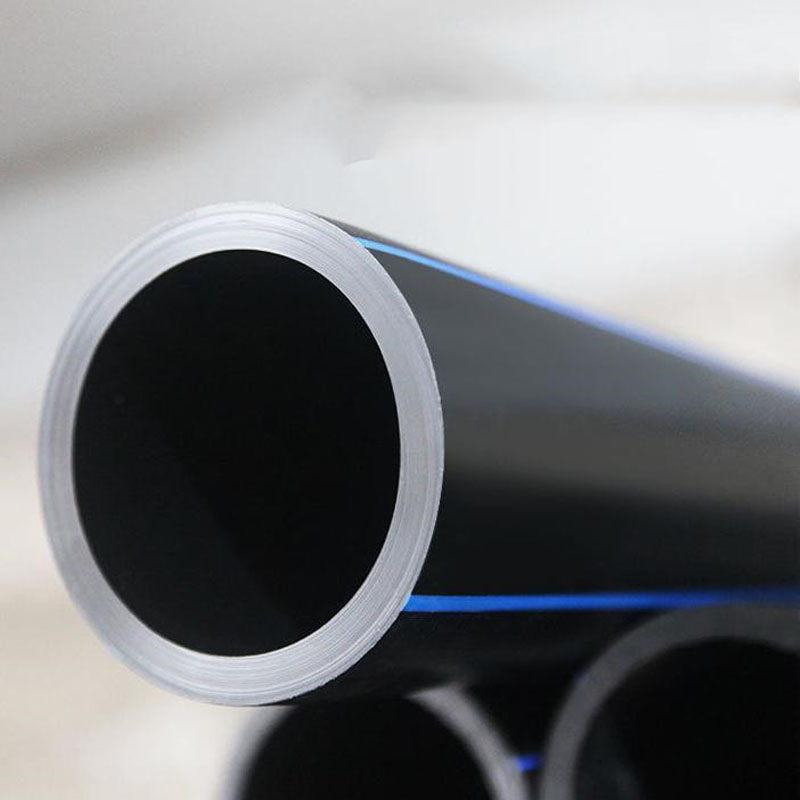
Polypropylene Random (PPR) piping systems represent a significant advancement in fluid conveyance technology, widely adopted in both residential and commercial applications. Discount 1 PPR pipe refers to a cost-effective implementation of this technology, typically standardized under international and national building codes for potable water, heating, and cooling systems. PPR’s prominence stems from its inherent corrosion resistance, low thermal conductivity, and relative ease of installation via heat fusion welding. This guide provides a comprehensive technical overview of Discount 1 PPR pipe, encompassing material science, manufacturing processes, performance characteristics, potential failure modes, and relevant industry standards. The core performance characteristics include pressure resistance, temperature tolerance, and long-term durability, making it a viable alternative to traditional metal piping in numerous scenarios. Addressing the industry's pain point of long-term corrosion and associated maintenance costs, Discount 1 PPR pipe offers a reliable and economically attractive solution.
Material Science & Manufacturing
The fundamental material of Discount 1 PPR pipe is polypropylene random copolymer. This copolymer is created through the polymerization of propylene monomers, incorporating a random distribution of comonomers such as ethylene. This random copolymerization imparts improved flexibility and impact resistance compared to homopolymer polypropylene. Raw material properties are critical; the polypropylene resin must exhibit a Melt Flow Index (MFI) within a specified range (typically 0.3 - 1.0 g/10min) to ensure processability and weld integrity. Manufacturing commences with the extrusion of the PPR compound. The process involves melting the resin and forcing it through a die to create the pipe’s cylindrical shape. Critical parameters during extrusion include temperature control (melt temperature typically between 200-240°C), screw speed, and die pressure. Precise control of these parameters is essential to maintain dimensional accuracy and prevent material degradation. Subsequent cooling is achieved through water baths, followed by dimensional stabilization and cutting to specified lengths. Quality control at this stage involves hydrostatic pressure testing to verify burst resistance and visual inspection for surface defects. The chemical compatibility of PPR with various fluids (water, glycol solutions) is excellent, but prolonged exposure to strong oxidizing agents or hydrocarbons should be avoided. The material’s crystalline structure influences its mechanical properties and long-term performance; a higher degree of crystallinity generally leads to increased stiffness and temperature resistance.
Performance & Engineering
The performance of Discount 1 PPR pipe is governed by several engineering principles. Hydrostatic strength, determined by the pipe's dimensions (diameter and wall thickness) and the material's tensile strength, dictates its ability to withstand internal pressure. The Hazen-Williams equation is commonly used to calculate pressure drop within the piping system, considering factors such as flow rate, pipe roughness, and fluid viscosity. PPR’s relatively smooth inner surface minimizes frictional losses, resulting in lower pressure drops compared to some metal piping systems. Thermal expansion and contraction are also critical considerations. PPR has a higher coefficient of thermal expansion than metals, requiring the incorporation of expansion joints in long pipe runs to prevent stress buildup and potential cracking. Finite Element Analysis (FEA) is often employed to model the stress distribution within the pipe under various loading conditions (internal pressure, external loads, thermal stress). Compliance with relevant building codes (e.g., UPC, IPC) mandates specific performance requirements, including burst pressure testing and long-term hydrostatic strength testing. The operating temperature range for Discount 1 PPR pipe is typically 20°C to 95°C, with short-term temperature spikes up to 100°C permissible. The pipe’s resistance to ground movement and seismic activity depends on the soil conditions and the pipe's burial depth, necessitating adherence to appropriate installation guidelines.
Technical Specifications
| Parameter | Units | Standard Specification (Typical) | Testing Method |
|---|---|---|---|
| Nominal Diameter | mm | 20, 25, 32, 40, 50, 63, 75, 90, 110 | ISO 15876-1 |
| Pressure Rating (PN) | Bar | PN16, PN20, PN25 | ISO 15876-2 |
| Wall Thickness | mm | 2.3, 2.8, 3.5, 4.2 | ISO 15876-1 |
| Melt Flow Index (MFI) | g/10min | 0.3 - 1.0 | ISO 1133 |
| Hydrostatic Pressure Test | Bar | ≥ 1.5 x PN (for 2 hours) | ISO 15876-2 |
| Temperature Resistance | °C | -40 to +95 (Continuous), up to +100 (Short-term) | ISO 15876-3 |
Failure Mode & Maintenance
Discount 1 PPR pipe, while durable, is susceptible to specific failure modes. Fatigue cracking can occur under cyclical pressure loads, particularly at joints or areas of stress concentration. This is often exacerbated by improper installation or excessive thermal cycling. Slow Crack Growth (SCG) is a long-term degradation mechanism initiated by sustained tensile stress and exposure to certain chemicals (e.g., chlorine). Oxidation can degrade the polymer chains, reducing mechanical properties over time, especially at elevated temperatures. Delamination can occur if the welding process is not correctly executed, resulting in insufficient fusion between pipe sections. Installation errors, such as inadequate support or improper alignment, can lead to mechanical stress and eventual failure. Maintenance primarily focuses on preventative measures. Regular visual inspections should be conducted to identify any signs of cracking, deformation, or leakage. Avoid subjecting the piping system to excessive mechanical loads or extreme temperature fluctuations. If repairs are necessary, only qualified personnel should perform them using appropriate heat fusion welding equipment and techniques. Consider a water quality analysis to ensure the fluid composition is compatible with PPR. Replacement of damaged sections should be prioritized to prevent cascading failures.
Industry FAQ
Q: What is the long-term hydrostatic strength of Discount 1 PPR pipe, and how does it compare to copper?
A: Long-term hydrostatic strength refers to the pipe’s ability to withstand sustained internal pressure over its expected service life (typically 50+ years). PPR’s long-term strength is comparable to, and in some cases exceeds, that of copper, particularly when considering corrosion-related degradation in copper systems. However, copper exhibits higher tensile strength. PPR’s strength is maintained due to its inherent resistance to corrosion, eliminating a primary failure mechanism prevalent in metallic pipes.
Q: What are the primary concerns regarding chemical compatibility with PPR, and how can these be addressed?
A: PPR exhibits excellent compatibility with potable water and most common heating/cooling fluids. However, prolonged exposure to strong oxidizing agents (e.g., high concentrations of chlorine), hydrocarbons, and certain solvents can lead to degradation. Mitigation strategies include maintaining proper water chemistry, avoiding the transport of incompatible chemicals, and utilizing appropriate pipe materials (e.g., CPVC) for specific applications.
Q: How does the thermal expansion coefficient of PPR affect installation design, particularly in long pipe runs?
A: PPR has a significantly higher thermal expansion coefficient than metals like copper or steel. This necessitates the incorporation of expansion loops or expansion joints in long pipe runs to accommodate thermal movement. Failure to do so can induce significant stress on the pipe and joints, leading to cracking or leaks. Proper anchoring and support are also crucial to control thermal expansion.
Q: What are the critical parameters to control during heat fusion welding to ensure a reliable joint?
A: Critical parameters include maintaining the correct welding temperature (typically 260-270°C), ensuring sufficient welding time to achieve complete fusion, applying appropriate welding pressure, and allowing adequate cooling time. Using a calibrated welding tool and following manufacturer's recommendations are essential. Proper surface preparation (cleaning and deburring) is also vital.
Q: What is the impact of UV exposure on PPR pipe, and what protective measures are recommended?
A: Prolonged exposure to ultraviolet (UV) radiation can cause degradation of the polypropylene polymer, leading to embrittlement and reduced mechanical properties. Therefore, PPR pipe should not be used in direct sunlight applications without UV protection. This can be achieved through the use of UV-stabilized PPR compounds or by shielding the pipe with opaque coverings.
Conclusion
Discount 1 PPR pipe provides a cost-effective and durable solution for a wide range of fluid conveyance applications. Its inherent corrosion resistance, ease of installation, and relatively low thermal conductivity offer significant advantages over traditional metal piping systems. Understanding the material science, manufacturing processes, and performance characteristics is crucial for ensuring proper design, installation, and long-term reliability.
Addressing potential failure modes through preventative maintenance and adherence to industry standards will maximize the service life and minimize the total cost of ownership. As building codes continue to evolve, Discount 1 PPR pipe will remain a competitive and sustainable choice for fluid handling systems, offering a balance of performance, cost-effectiveness, and environmental responsibility.
-
DN25 HDPE Compression Fitting-HORON INTERNATIONAL|Reliable Irrigation Solutions
NewsFeb.11,2026
-
hdpe coupling joint product Manufacturing Analysis
News2026-11-18
-
ppr pipe heating time products Performance Analysis
News2026-11-16
-
hdpe pipe sizes factory Performance Analysis
News2026-11-09
-
HDPE Pipe Sizes Service Performance Analysis
News2026-10-26
-
wholesale 15mm ppr pipe Material Science and Performance Analysis
News2026-10-20
-
wholesale pvc pipe price per foot Technical Analysis
News2026-09-21
-
wholesale long pvc pipe Technical Analysis and Manufacturing Specifications
News2026-09-15
-
wholesale plumbing kitchen sink water lines Material Performance
News2026-09-15
-
wholesale hdpe drip irrigation Material Science
News2026-09-15
-
wholesale hot water ppr pipe Performance Analysis
News2026-09-15
-
wholesale ppr plumbing Performance Analysis
News2026-09-15
-
wholesale ppr pipe supplier Performance Analysis
News2026-09-13
-
wholesale 50mm ppr pipe Performance Analysis
News2026-09-13
-
wholesale hdpe drip pipe Performance Analysis
News2026-09-13
-
wholesale hdpe pipe 63mm price Manufacturing Specification and Performance Analysis
News2026-09-13