

Feb . 11, 2026 00:01 Back to list
discount 1.5 inch pvc pipe Performance Analysis
Introduction
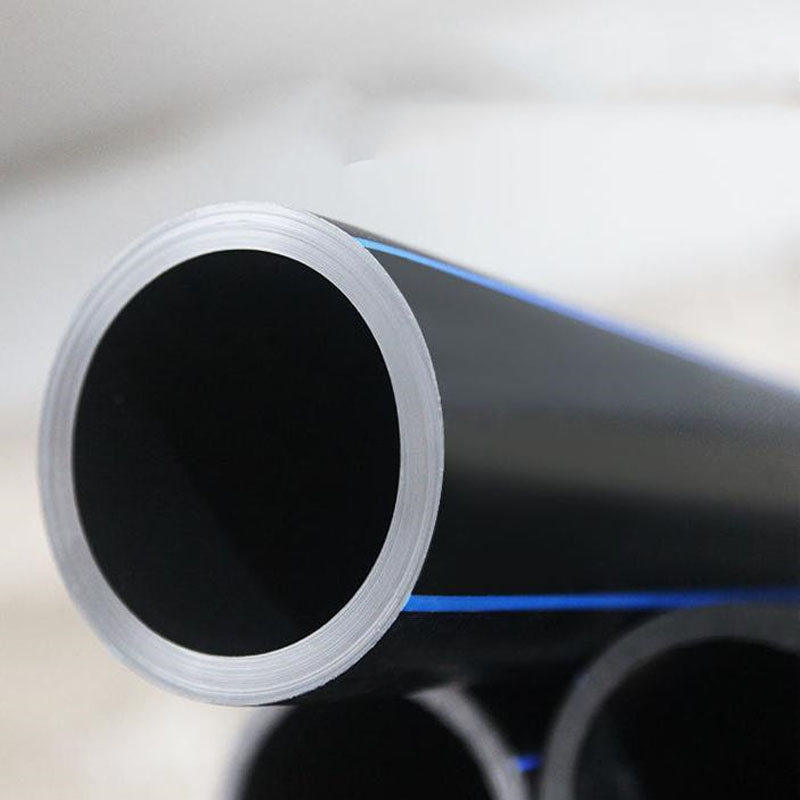
Polyvinyl chloride (PVC) Schedule 40 pipe, specifically the 1.5-inch diameter variant marketed as “discount 1.5 inch pvc pipe,” represents a ubiquitous and essential component within numerous fluid conveyance systems across industrial, agricultural, and residential sectors. This guide provides an in-depth technical analysis of this piping material, extending beyond cost considerations to explore its material science, manufacturing process, performance characteristics, potential failure modes, and relevant industry standards. Positioned within the broader plumbing and piping infrastructure, Schedule 40 PVC offers a balance between cost-effectiveness, durability, and chemical resistance, making it a preferred alternative to metallic piping in many applications. Its primary function is the pressurized or gravity-fed transportation of liquids, including potable water, wastewater, chemical solutions, and irrigation fluids. Core performance metrics center around pressure rating, tensile strength, impact resistance, and long-term hydrolytic stability. The ‘discount’ designation typically indicates a competitive pricing strategy, and does not inherently compromise core material properties, although quality control measures during manufacturing are crucial to maintain performance consistency.
Material Science & Manufacturing
The foundation of 1.5-inch Schedule 40 PVC pipe is the thermoplastic polymer polyvinyl chloride. PVC is synthesized from vinyl chloride monomer (VCM) through a polymerization process. The raw material's inherent properties, including rigidity and chemical inertness, are further enhanced through the addition of stabilizers, lubricants, and impact modifiers. Common stabilizers include organotin compounds or calcium-zinc stabilizers to prevent degradation during processing and exposure to ultraviolet radiation. Lubricants, typically fatty acid esters, facilitate processing by reducing friction during extrusion. Impact modifiers, such as chlorinated polyethylene (CPE), improve the material’s toughness and resistance to cracking. Manufacturing primarily utilizes extrusion. PVC compound is fed into a single or twin-screw extruder, where it’s heated, melted, and forced through a die to create a seamless pipe. Key parameters during extrusion include barrel temperature profile (typically 180-220°C), screw speed, and die pressure. Proper control of these parameters is vital to ensure uniform wall thickness, consistent dimensions, and a smooth inner and outer surface. Following extrusion, the pipe is cooled in a water bath, sized to the specified 1.5-inch diameter and Schedule 40 wall thickness, and cut to length. Quality control measures include dimensional checks, hydrostatic pressure testing, and assessment of impact resistance according to ASTM standards. The chemical composition of the PVC compound directly influences its long-term performance; therefore, stringent raw material sourcing and quality control are paramount.

Performance & Engineering
The structural integrity and operational lifespan of 1.5-inch Schedule 40 PVC pipe are governed by several engineering principles. The pipe’s ability to withstand internal pressure is directly related to its wall thickness and material strength, as dictated by the Barlow’s formula (Stress = Pressure Radius / Wall Thickness). Schedule 40 designates a specific wall thickness, providing a defined pressure rating. Furthermore, the pipe must resist external loads, including soil pressure (in buried applications) and bending moments from weight or flow dynamics. Long-term performance is heavily influenced by environmental factors. Exposure to ultraviolet (UV) radiation can cause embrittlement and discoloration. Temperature fluctuations induce thermal expansion and contraction, which can stress joints and fittings. Chemical exposure, particularly to certain solvents and aggressive chemicals, can lead to degradation and loss of mechanical properties. To mitigate these effects, UV stabilizers are incorporated into the PVC compound, and appropriate jointing methods (solvent welding or gasketed joints) are selected to accommodate thermal movement. Compliance with industry standards such as ASTM D1785 and NSF/ANSI 61 ensures that the pipe meets minimum performance requirements for potable water applications. Consideration must also be given to flow characteristics; the relatively rough inner surface of PVC pipe introduces frictional losses, which impact pumping requirements and energy efficiency.
Technical Specifications
| Parameter | Specification | Test Method | Typical Value |
|---|---|---|---|
| Nominal Pipe Size | 1.5 inches (DN40) | ASTM D1785 | 1.5 inches |
| Schedule Number | 40 | ASTM D1785 | 40 |
| Outside Diameter | 1.90 inches (48.3 mm) | ASTM D1785 | 1.90 inches |
| Wall Thickness | 0.218 inches (5.54 mm) | ASTM D1785 | 0.218 inches |
| Pressure Rating (at 73°F) | 400 PSI | ASTM D1785 | 400 PSI |
| Tensile Strength | >6000 PSI | ASTM D638 | 6500 PSI |
| Impact Strength (Izod Notched) | >10 ft-lb/in | ASTM D256 | 12 ft-lb/in |
Failure Mode & Maintenance
Several failure modes can compromise the integrity of 1.5-inch Schedule 40 PVC pipe. Hydrolytic degradation, the slow breakdown of PVC due to reaction with water, is a long-term concern, particularly in hot water applications. This process reduces the polymer’s molecular weight, leading to embrittlement and cracking. Environmental Stress Cracking (ESC) occurs when sustained tensile stress, combined with exposure to certain chemicals (even mild detergents), causes crack initiation and propagation. Impact damage, resulting from accidental strikes or falling objects, can cause localized fractures. Improper jointing, such as insufficient solvent welding or incorrect gasket selection, can lead to leaks and system failures. UV degradation, as previously mentioned, contributes to surface cracking and loss of mechanical properties. Maintenance primarily focuses on preventative measures. Protecting the pipe from direct sunlight (e.g., burying it or applying a UV-resistant coating) is crucial. Regular inspection for cracks, leaks, and deformation is essential. Promptly repairing any damage, using compatible PVC repair compounds and proper jointing techniques, prevents further deterioration. Avoiding the use of incompatible solvents or aggressive chemicals in the conveyed fluid extends the pipe’s lifespan. For buried applications, proper bedding and backfill procedures minimize stress and provide support. Routine pressure testing can identify leaks before they become major issues.
Industry FAQ
Q: What is the impact of temperature on the pressure rating of discount 1.5 inch PVC pipe?
A: The pressure rating of PVC pipe is inversely proportional to temperature. As temperature increases, the material’s strength decreases, reducing its ability to withstand internal pressure. Pressure ratings provided by manufacturers (like those based on ASTM D1785) are typically specified at 73°F (23°C). Derating factors must be applied when operating at higher temperatures. For example, a 50% reduction in pressure rating may be necessary at 140°F (60°C).
Q: Can discount 1.5 inch PVC pipe be used for compressed air systems?
A: While PVC can handle some pneumatic pressure, it is generally not recommended for compressed air systems, particularly those operating at higher pressures (above 90 PSI). PVC is susceptible to brittle failure under cyclical stress and can become fragmented if a pipe bursts under pressure. Dedicated compressed air piping materials, such as aluminum or polyethylene, are preferred due to their superior impact resistance and fatigue life.
Q: What are the common causes of leaks at solvent-welded joints?
A: Common causes of leaks at solvent-welded joints include insufficient cleaning of the pipe and fitting surfaces, inadequate application of the primer and cement, improper curing time, and the use of incompatible solvent cement. Ensuring surfaces are clean, dry, and free of contaminants is critical. Applying a generous and even coat of primer followed by a complete coating of cement, and allowing sufficient curing time (typically 24 hours at 73°F), are essential for a strong, leak-proof joint.
Q: How does the “Schedule 40” designation relate to the pipe’s strength?
A: “Schedule 40” is a dimensional standard that defines the pipe’s wall thickness relative to its nominal diameter. A higher Schedule number (e.g., Schedule 80) indicates a thicker wall and, consequently, a higher pressure rating and greater structural strength. Schedule 40 is a common standard for general-purpose applications, offering a good balance between cost and performance. It's not a direct measure of material strength, but a specification of the pipe's dimensions.
Q: What is the expected service life of properly installed discount 1.5 inch PVC pipe in a potable water application?
A: With proper installation, maintenance, and operating conditions (temperature, pressure, water chemistry), properly installed 1.5-inch Schedule 40 PVC pipe can have a service life of 50 years or more in a potable water application. However, this lifespan is dependent on factors such as water quality (pH, chlorine levels), UV exposure (for above-ground portions), and the absence of mechanical damage or chemical attack.
Conclusion
The “discount 1.5 inch pvc pipe” represents a cost-effective and versatile solution for a wide range of fluid conveyance applications. Understanding its underlying material science—the properties of PVC, the impact of stabilizers and modifiers—and the intricacies of its manufacturing process are essential for ensuring consistent quality and performance. A thorough grasp of its engineering characteristics, including pressure rating, environmental resistance, and potential failure modes, enables informed decision-making during system design and installation.
Ultimately, the longevity and reliability of this piping material are contingent upon adherence to industry standards, proper installation techniques, and proactive maintenance practices. While the 'discount' aspect signifies a competitive price point, diligent quality control and application-specific consideration remain paramount to realizing the full potential of this ubiquitous piping solution. Future advancements may focus on developing more sustainable PVC formulations and enhancing its resistance to hydrolytic degradation, further extending its operational lifespan and minimizing environmental impact.
-
DN25 HDPE Compression Fitting-HORON INTERNATIONAL|Reliable Irrigation Solutions
NewsFeb.11,2026
-
hdpe coupling joint product Manufacturing Analysis
News2026-11-18
-
ppr pipe heating time products Performance Analysis
News2026-11-16
-
hdpe pipe sizes factory Performance Analysis
News2026-11-09
-
HDPE Pipe Sizes Service Performance Analysis
News2026-10-26
-
wholesale 15mm ppr pipe Material Science and Performance Analysis
News2026-10-20
-
wholesale pvc pipe price per foot Technical Analysis
News2026-09-21
-
wholesale long pvc pipe Technical Analysis and Manufacturing Specifications
News2026-09-15
-
wholesale plumbing kitchen sink water lines Material Performance
News2026-09-15
-
wholesale hdpe drip irrigation Material Science
News2026-09-15
-
wholesale hot water ppr pipe Performance Analysis
News2026-09-15
-
wholesale ppr plumbing Performance Analysis
News2026-09-15
-
wholesale ppr pipe supplier Performance Analysis
News2026-09-13
-
wholesale 50mm ppr pipe Performance Analysis
News2026-09-13
-
wholesale hdpe drip pipe Performance Analysis
News2026-09-13
-
wholesale hdpe pipe 63mm price Manufacturing Specification and Performance Analysis
News2026-09-13