

Feb . 11, 2026 00:01 Back to list
discount 1 2 inch pvc Performance Analysis
Introduction
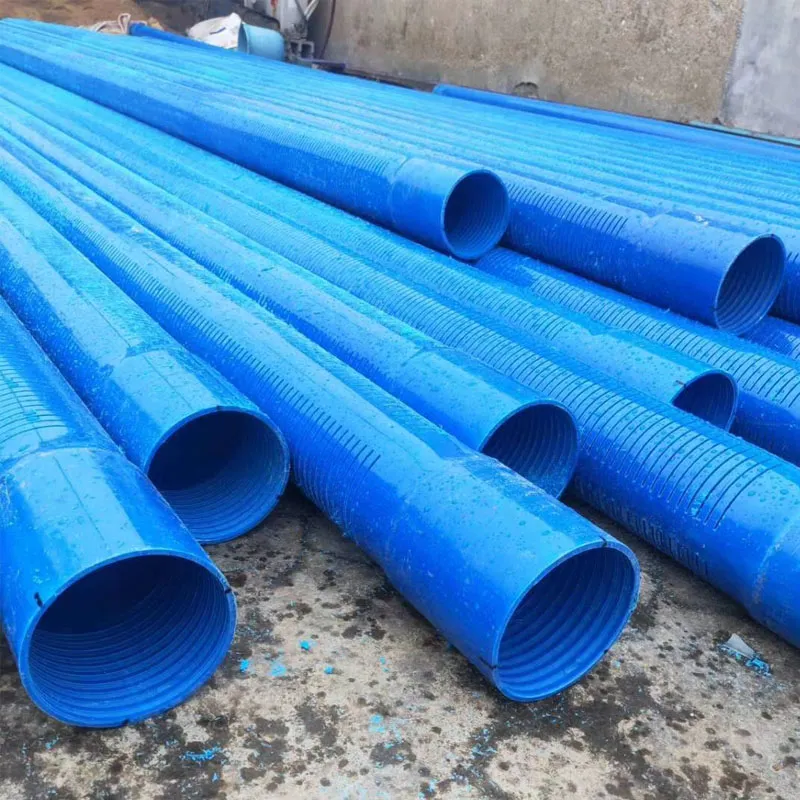
Discount 1 2 inch PVC pipe represents a widely utilized thermoplastic product in fluid transfer applications. Positioned within the broader construction and infrastructure supply chain, it functions as a cost-effective conduit for potable water, irrigation, drainage, and various industrial processes. Its technical significance lies in its balance of chemical resistance, mechanical strength, and ease of installation compared to traditional materials like metal piping. Core performance characteristics include pressure rating (typically Schedule 40 or 80), dimensional accuracy to ensure consistent flow rates, and long-term durability resisting corrosion and degradation under specified operational conditions. The ‘discount’ aspect reflects its position within a competitive market driven by volume production and streamlined manufacturing processes, necessitating careful consideration of material quality and adherence to industry standards to maintain acceptable performance levels. A key industry pain point revolves around maintaining consistent quality control across varying manufacturers and ensuring compatibility with existing piping systems.
Material Science & Manufacturing
The primary raw material for 1 2 inch PVC pipe is Polyvinyl Chloride, a synthetic plastic polymer composed of vinyl chloride monomers. PVC exhibits excellent chemical inertness, making it resistant to acids, bases, and many solvents. The addition of plasticizers (phthalates or alternatives) imparts flexibility and impact resistance, though the specific type and concentration directly influence long-term durability and potential leaching. Stabilizers, such as organotin compounds or calcium-zinc stabilizers, are crucial to prevent degradation during processing and UV exposure. Manufacturing typically begins with PVC resin mixing, followed by extrusion. Extrusion involves heating the PVC compound to a plastic state and forcing it through a die of the desired internal diameter and wall thickness. Key parameters include extrusion temperature (160-210°C), screw speed, and die design, which affect melt viscosity and dimensional consistency. Cooling is then achieved through water baths or air cooling, followed by cutting to length and quality inspection. Critical manufacturing controls focus on minimizing ovality, maintaining consistent wall thickness, and ensuring proper fusion of the PVC material during extrusion to prevent defects like voids or delamination. The presence of residual vinyl chloride monomer (VCM) is a significant concern, requiring strict adherence to regulatory limits. The specific gravity of PVC is approximately 1.4 g/cm³, influencing its buoyancy and requiring considerations for buried pipeline installations.
Performance & Engineering
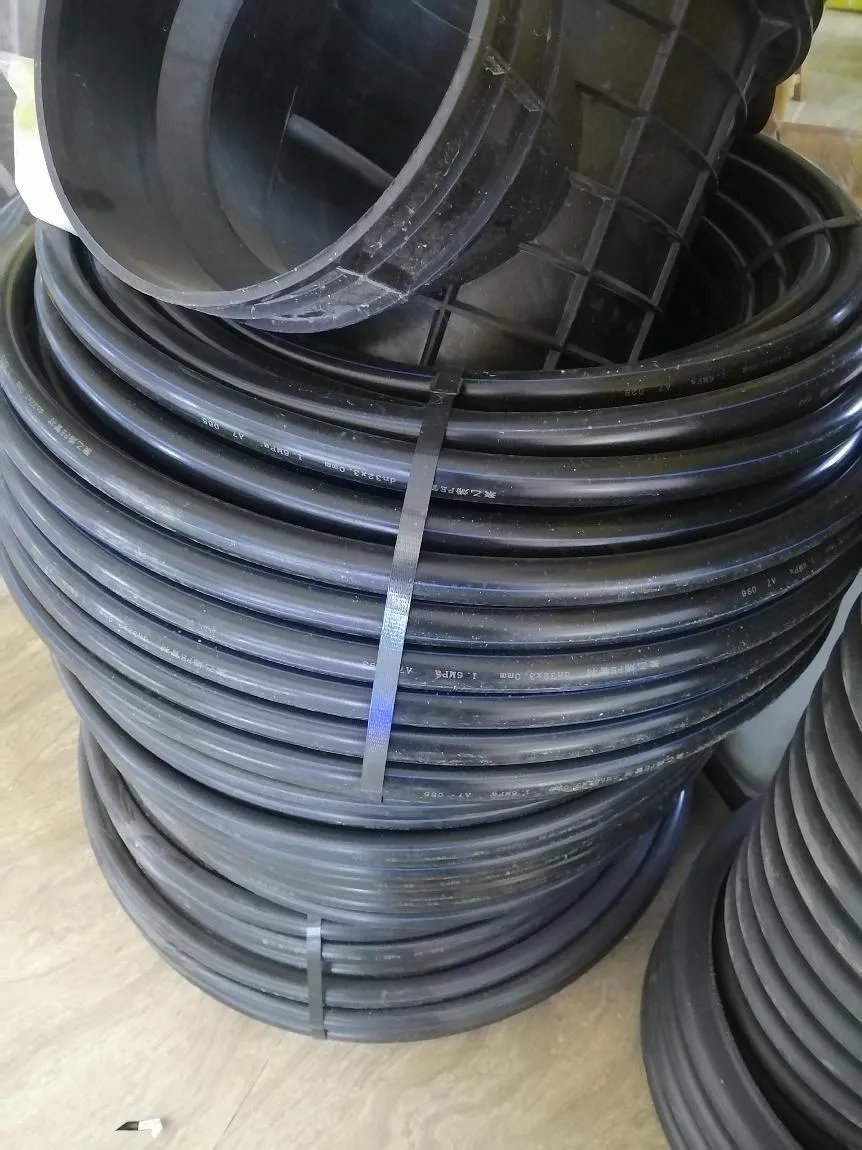
The performance of 1 2 inch PVC pipe is heavily dependent on hydrostatic pressure rating, determined by the pipe’s schedule (e.g., Schedule 40, Schedule 80). This rating signifies the maximum internal pressure the pipe can withstand at a specified temperature (typically 73°F/23°C). Force analysis involves hoop stress calculations, considering the internal pressure, pipe diameter, and wall thickness. Environmental resistance is critical; prolonged UV exposure can cause embrittlement and cracking, necessitating UV stabilizers or protective coatings. Temperature fluctuations induce thermal expansion and contraction, demanding expansion joints in long pipeline runs to prevent stress cracking at joints. Chemical compatibility is paramount; while PVC resists many chemicals, it is susceptible to degradation by strong oxidizing agents, aromatic hydrocarbons, and chlorinated solvents. Compliance requirements are governed by standards like ASTM D1785 (for PVC pipe) and NSF/ANSI 61 (for potable water systems), ensuring material safety and performance. Furthermore, proper joining techniques (solvent welding, threaded connections, or flanged connections) are essential to maintain structural integrity and prevent leaks. The coefficient of thermal expansion for PVC is approximately 8 x 10^-5 /°F, influencing design considerations for temperature variations. The impact resistance, measured using Izod or Charpy tests, is a key factor in assessing the pipe’s ability to withstand accidental impacts during handling and installation.
Technical Specifications
| Parameter | Schedule 40 | Schedule 80 | Units |
|---|---|---|---|
| Nominal Pipe Size | 1/2 inch | 1/2 inch | inch |
| Outside Diameter | 0.625 | 0.625 | inch |
| Wall Thickness | 0.065 | 0.083 | inch |
| Pressure Rating (at 73°F) | 450 | 600 | psi |
| Burst Pressure (at 73°F) | 1800 | 2400 | psi |
| Specific Gravity | 1.4 | 1.4 | g/cm³ |
Failure Mode & Maintenance
Common failure modes in 1 2 inch PVC pipe include: 1) Cracking due to stress corrosion: Sustained tensile stress combined with aggressive chemical environments can lead to slow crack propagation. 2) Embrittlement from UV exposure: Prolonged sunlight exposure without UV stabilization causes polymer chain degradation, resulting in brittleness and cracking. 3) Impact failure: Sudden impacts, particularly at low temperatures, can cause brittle fracture. 4) Joint failure: Improper solvent welding or loose threaded connections lead to leaks and eventual joint separation. 5) Thermal deformation: Excessive temperature fluctuations without adequate expansion joints can cause stress cracking. 6) Delamination: Poor extrusion quality can lead to layer separation within the pipe wall. Maintenance involves regular visual inspections for cracks, leaks, and signs of degradation. Preventative measures include protecting the pipe from direct sunlight (painting or covering), ensuring proper support to prevent bending stresses, and avoiding exposure to incompatible chemicals. For minor cracks, epoxy repairs can be employed, but for significant damage, pipe replacement is recommended. Pressure testing is crucial after installation and periodically to identify leaks. Solvent welding requires proper surface preparation (cleaning and priming) and adequate ventilation to ensure a strong, reliable joint. Avoiding over-tightening of threaded connections is also vital to prevent damage to the threads.
Industry FAQ
Q: What is the impact of water hammer on PVC pipe systems?
A: Water hammer, a pressure surge caused by sudden changes in flow velocity, can significantly stress PVC pipe systems. PVC has lower ductility than metal pipes, making it more susceptible to cracking from these pressure spikes. Mitigation strategies include using surge suppressors, slow-closing valves, and properly anchoring the piping to absorb shock loads. The magnitude of the pressure surge is directly proportional to the flow velocity change and inversely proportional to the pipe’s elasticity.
Q: Can PVC pipe be used for hot water applications?
A: While standard PVC is not generally recommended for continuous hot water applications exceeding 140°F (60°C), CPVC (Chlorinated Polyvinyl Chloride) is specifically designed for higher temperature service. CPVC exhibits improved heat resistance and mechanical strength, making it suitable for hot and cold water distribution systems. Standard PVC will soften and lose pressure-bearing capacity at elevated temperatures.
Q: What are the concerns regarding the long-term effects of plasticizers in PVC?
A: Some plasticizers, particularly phthalates, have raised concerns regarding potential leaching and endocrine disruption. Manufacturers are increasingly adopting alternative plasticizers, such as those based on vegetable oils or citrates, with improved environmental profiles. The rate of plasticizer migration depends on temperature, exposure to chemicals, and the type of plasticizer used. NSF/ANSI 61 certification ensures that the plasticizers used in potable water systems meet stringent safety standards.
Q: How does soil corrosivity affect the longevity of buried PVC pipe?
A: While PVC is inherently corrosion-resistant, highly corrosive soils (e.g., those with high sulfate content or low pH) can accelerate degradation over extended periods. Protective coatings or encasement in a non-corrosive material (concrete or polyethylene) can mitigate this effect. Proper backfilling procedures, avoiding sharp rocks and debris, are also crucial to prevent mechanical damage to the pipe.
Q: What are the key differences between Schedule 40 and Schedule 80 PVC pipe?
A: The primary difference lies in the wall thickness. Schedule 80 pipe has a thicker wall than Schedule 40 pipe, resulting in a higher pressure rating and greater mechanical strength. Schedule 80 is typically used in applications requiring higher pressures, greater impact resistance, or where there’s a higher risk of mechanical damage. Schedule 40 is sufficient for most residential and light industrial applications.
Conclusion
Discount 1 2 inch PVC pipe offers a compelling balance of cost-effectiveness, chemical resistance, and ease of installation, making it a staple in various fluid transfer applications. However, its long-term performance is critically dependent on careful material selection, adherence to manufacturing standards, proper installation practices, and consideration of environmental factors. Understanding the potential failure modes – stress cracking, UV degradation, and impact failure – is paramount for ensuring system reliability.
Future trends in PVC pipe technology focus on developing more sustainable formulations, including bio-based plasticizers and recycled PVC content, to minimize environmental impact. Advancements in extrusion techniques are also aimed at improving dimensional accuracy and reducing the risk of manufacturing defects. Continued emphasis on quality control and adherence to industry standards will be essential to maintain the integrity and longevity of PVC piping systems.
-
DN25 HDPE Compression Fitting-HORON INTERNATIONAL|Reliable Irrigation Solutions
NewsFeb.11,2026
-
hdpe coupling joint product Manufacturing Analysis
News2026-11-18
-
ppr pipe heating time products Performance Analysis
News2026-11-16
-
hdpe pipe sizes factory Performance Analysis
News2026-11-09
-
HDPE Pipe Sizes Service Performance Analysis
News2026-10-26
-
wholesale 15mm ppr pipe Material Science and Performance Analysis
News2026-10-20
-
wholesale pvc pipe price per foot Technical Analysis
News2026-09-21
-
wholesale long pvc pipe Technical Analysis and Manufacturing Specifications
News2026-09-15
-
wholesale plumbing kitchen sink water lines Material Performance
News2026-09-15
-
wholesale hdpe drip irrigation Material Science
News2026-09-15
-
wholesale hot water ppr pipe Performance Analysis
News2026-09-15
-
wholesale ppr plumbing Performance Analysis
News2026-09-15
-
wholesale ppr pipe supplier Performance Analysis
News2026-09-13
-
wholesale 50mm ppr pipe Performance Analysis
News2026-09-13
-
wholesale hdpe drip pipe Performance Analysis
News2026-09-13
-
wholesale hdpe pipe 63mm price Manufacturing Specification and Performance Analysis
News2026-09-13