

Feb . 11, 2026 00:01 Back to list
whole sale pvc pipe products Performance Analysis
Introduction
Polyvinyl chloride (PVC) pipe represents a cornerstone material in modern infrastructure, serving a vast array of applications including potable water distribution, wastewater management, irrigation, and industrial fluid conveyance. Within the B2B industrial sector, wholesale PVC pipe constitutes a significant volume commodity, characterized by standardized dimensions, performance metrics, and rigorous quality control requirements. This guide details the material science, manufacturing processes, performance characteristics, potential failure modes, and relevant industry standards associated with wholesale PVC pipe. The core performance attributes – corrosion resistance, cost-effectiveness, ease of installation, and durability – position PVC as a critical material in numerous construction and engineering projects. A primary industry pain point revolves around ensuring consistent material quality across large-scale procurements, mitigating long-term operational risks due to substandard PVC formulations or manufacturing defects, and achieving compliance with increasingly stringent environmental regulations regarding PVC production and disposal.
Material Science & Manufacturing
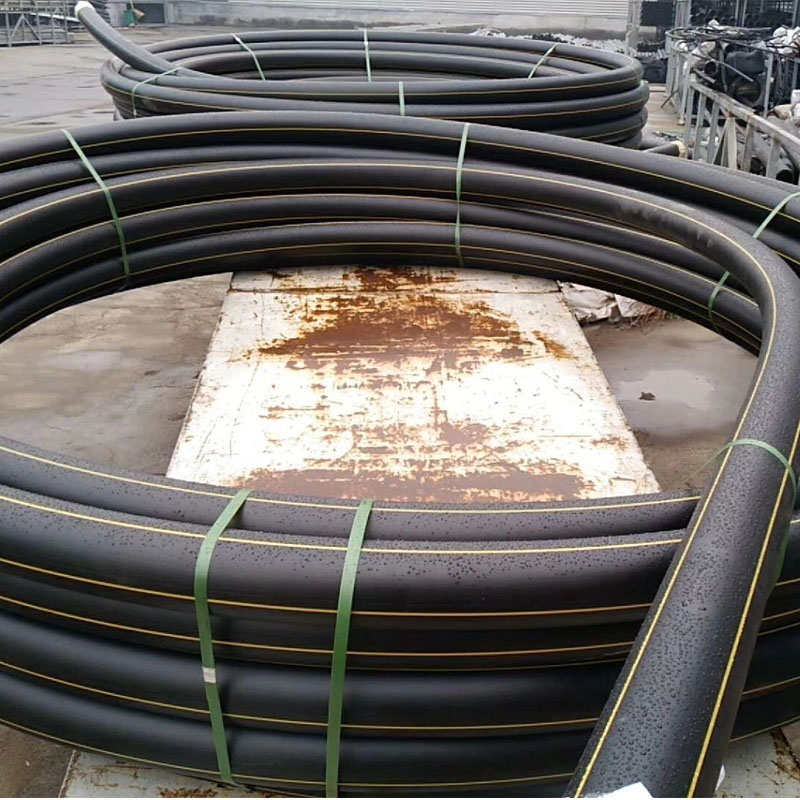
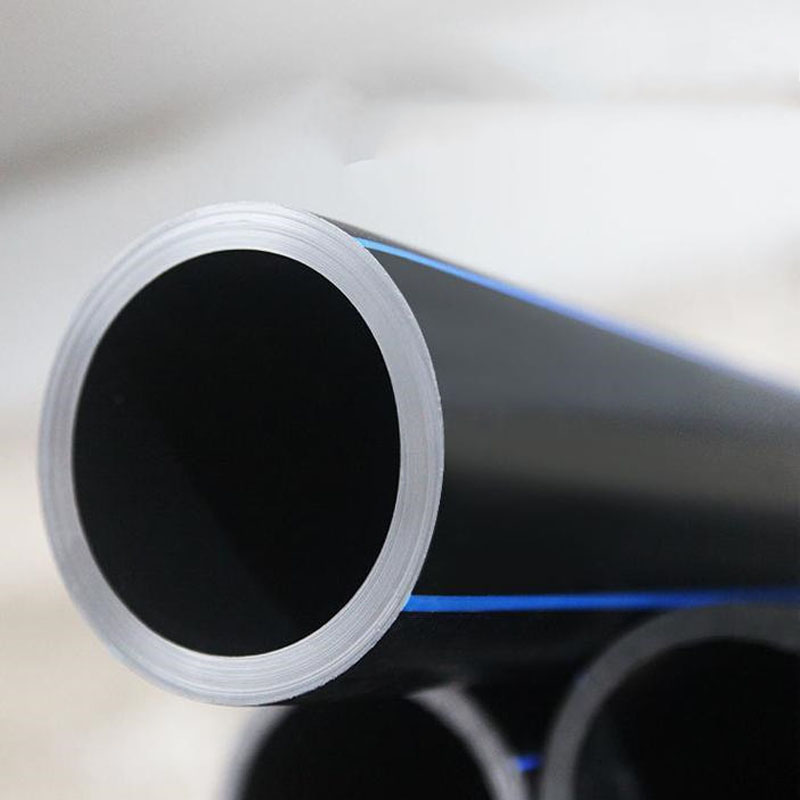
PVC is a thermoplastic polymer produced by the polymerization of vinyl chloride monomer (VCM). The primary raw material, ethylene dichloride (EDC), is derived from ethylene and chlorine. The polymerization process – typically suspension or emulsion polymerization – yields PVC resin, which is then compounded with stabilizers (e.g., lead-based, calcium-zinc, or organic-based), lubricants, plasticizers (phthalates, DINP, DOTP), impact modifiers (e.g., acrylics, MBS), and processing aids to tailor its properties. For pipe applications, formulations prioritize rigidity, impact strength, and long-term hydrostatic strength. Manufacturing processes predominantly involve extrusion. PVC resin, along with additives, is fed into an extruder where it's heated, melted, and forced through a die to create the pipe’s shape. Key parameters during extrusion include temperature profiles (barrel zones, die temperature), screw speed, die geometry, and cooling rates. Maintaining precise control over these parameters is critical for achieving consistent wall thickness, dimensional accuracy, and surface finish. Post-extrusion, pipes undergo cooling (water tanks), cutting to length, marking (identification, standards compliance), and quality inspection. Chemical compatibility of additives with PVC is crucial, as incompatibility can lead to degradation, discoloration, or reduced performance. The degree of polymerization (DP) influences the molecular weight and, consequently, the physical properties of the PVC pipe.
Performance & Engineering
PVC pipe performance is primarily governed by its resistance to internal hydrostatic pressure, external loads (soil loading, traffic loads), impact resistance, and chemical resistance. Stress analysis, employing finite element modeling (FEM), is used to predict pipe behavior under various loading conditions. The Hazen-Williams equation is commonly used to calculate frictional head loss in PVC pipe systems. Long-term performance is critically linked to the effects of creep – the tendency of the material to deform slowly under sustained stress. Plasticizers migrate over time, leading to embrittlement, particularly in formulations with high plasticizer content. The pipe’s ability to withstand ground movement, thermal expansion/contraction, and the corrosive effects of soil chemicals are also key engineering considerations. Compliance with relevant standards (e.g., ASTM D1785, EN 1452) dictates minimum performance requirements for pressure rating, burst pressure, and long-term strength. Joints are a critical area of engineering focus; solvent welding creates a chemical bond between pipe and fitting, ensuring a leak-proof connection. The effectiveness of solvent welding depends on proper surface preparation, adhesive application, and curing time. The Modulus of Elasticity is a crucial performance parameter for calculating deflection under load.
Technical Specifications
| Parameter | Units | ASTM D1785 (Schedule 40) | ASTM D2466 (Schedule 80) |
|---|---|---|---|
| Pressure Rating | psi | 200 | 600 |
| Burst Pressure | psi | 600 | 1800 |
| Tensile Strength | psi | 6,000 | 7,500 |
| Flexural Modulus | psi | 300,000 | 350,000 |
| Impact Strength (Izod Notched) | ft-lb/in | 1.0 | 1.5 |
| Hydrostatic Design Basis (HDB) | Years | 50 | 50 |
Failure Mode & Maintenance
Common failure modes in PVC pipe include brittle fracture (particularly in cold temperatures), crazing (formation of microcracks), slow crack growth (SCG) due to sustained stress and environmental factors, and chemical attack. SCG is exacerbated by residual stress from manufacturing, presence of aggressive chemicals, and UV exposure. Degradation of plasticizers leads to embrittlement and reduced impact resistance. Joint failures often result from improper solvent welding (insufficient cement, inadequate curing) or mechanical damage. External loads can cause ovalization, cracking, or complete pipe collapse. Regular inspection for cracks, leaks, and deformation is crucial. Maintenance typically involves repairing leaks with PVC repair couplings, replacing damaged sections, and ensuring proper support and bedding. Preventative measures include avoiding excessive bending radii during installation, providing adequate bedding material to distribute loads, and protecting pipes from direct sunlight. Failure analysis should include visual inspection, chemical analysis of the PVC material, and potentially fractographic analysis to determine the root cause of failure. Addressing corrosion of metal components within the PVC system (e.g. brass fittings) is also important.
Industry FAQ
Q: What is the impact of different plasticizers on the long-term performance of PVC pipe?
A: The type of plasticizer significantly influences long-term performance. Phthalate plasticizers, while cost-effective, exhibit higher migration rates, leading to embrittlement over time. DINP and DOTP offer improved permanence and lower migration, resulting in extended service life, but generally at a higher cost. Selection must consider the application's temperature range and exposure to aggressive chemicals. Increasingly, bio-based plasticizers are being explored as sustainable alternatives.
Q: How does soil corrosivity affect the lifespan of buried PVC pipe?
A: Soil corrosivity, specifically the presence of sulfates, chlorides, and organic acids, can accelerate degradation. These chemicals can leach plasticizers, induce SCG, and weaken the pipe wall. Proper bedding material and protective coatings can mitigate these effects. A thorough soil analysis should be conducted prior to installation to assess the risk of corrosion.
Q: What are the key considerations for solvent welding PVC pipe to ensure a reliable joint?
A: Surface preparation is paramount – both pipe and fitting surfaces must be clean, dry, and free of contaminants. Using the correct solvent cement for the specific PVC formulation is crucial. Adequate cement application (a uniform, complete coating) and sufficient curing time (allowing the solvent to evaporate and the bond to develop) are essential. Ambient temperature and humidity also affect curing time.
Q: How do temperature fluctuations impact the pressure rating of PVC pipe?
A: PVC pipe’s pressure rating decreases with increasing temperature. Elevated temperatures reduce the material’s strength and increase creep. Design calculations must account for the maximum operating temperature and the resulting derated pressure rating. Conversely, at low temperatures, PVC becomes more brittle, increasing the risk of fracture.
Q: What is the significance of the Hazen-Williams ‘C’ factor when selecting PVC pipe for a fluid conveyance system?
A: The Hazen-Williams ‘C’ factor represents the roughness coefficient of the pipe’s inner surface. A higher ‘C’ factor indicates a smoother surface and lower frictional head loss. PVC generally has a high ‘C’ factor (typically 150), making it an efficient material for fluid conveyance. Accurate determination of the ‘C’ factor is vital for optimizing pump sizing and minimizing energy consumption.
Conclusion
Wholesale PVC pipe remains a dominant material in infrastructure applications due to its advantageous combination of cost-effectiveness, durability, and ease of installation. However, ensuring long-term performance necessitates a comprehensive understanding of the material’s properties, manufacturing nuances, and potential failure modes. Proper material selection, diligent quality control during manufacturing, and adherence to industry standards are paramount to mitigate risks associated with SCG, embrittlement, and chemical degradation.
Future developments in PVC technology will likely focus on bio-based plasticizers, enhanced impact modifiers, and improved formulations to increase resistance to environmental stress cracking. Increased focus will also be given to sustainable manufacturing practices and end-of-life recycling solutions to minimize the environmental impact of PVC pipe.
-
DN25 HDPE Compression Fitting-HORON INTERNATIONAL|Reliable Irrigation Solutions
NewsFeb.11,2026
-
hdpe coupling joint product Manufacturing Analysis
News2026-11-18
-
ppr pipe heating time products Performance Analysis
News2026-11-16
-
hdpe pipe sizes factory Performance Analysis
News2026-11-09
-
HDPE Pipe Sizes Service Performance Analysis
News2026-10-26
-
wholesale 15mm ppr pipe Material Science and Performance Analysis
News2026-10-20
-
wholesale pvc pipe price per foot Technical Analysis
News2026-09-21
-
wholesale long pvc pipe Technical Analysis and Manufacturing Specifications
News2026-09-15
-
wholesale plumbing kitchen sink water lines Material Performance
News2026-09-15
-
wholesale hdpe drip irrigation Material Science
News2026-09-15
-
wholesale hot water ppr pipe Performance Analysis
News2026-09-15
-
wholesale ppr plumbing Performance Analysis
News2026-09-15
-
wholesale ppr pipe supplier Performance Analysis
News2026-09-13
-
wholesale 50mm ppr pipe Performance Analysis
News2026-09-13
-
wholesale hdpe drip pipe Performance Analysis
News2026-09-13
-
wholesale hdpe pipe 63mm price Manufacturing Specification and Performance Analysis
News2026-09-13