

Feb . 11, 2026 00:01 Back to list
whole sale pvc pipe product Performance Analysis
Introduction
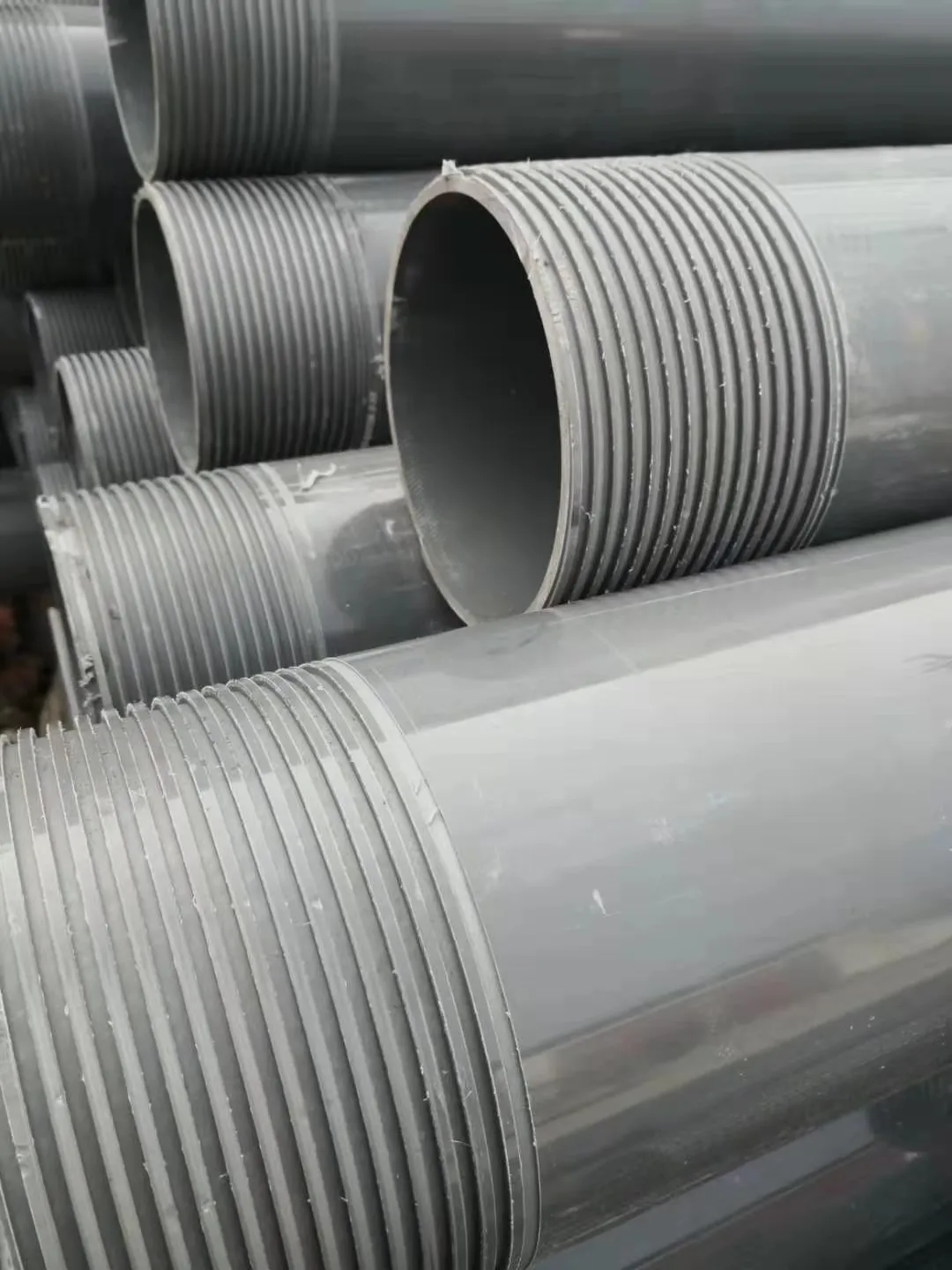
Polyvinyl chloride (PVC) pipe, specifically wholesale PVC pipe, represents a foundational element in modern infrastructure, serving a diverse range of applications including potable water distribution, irrigation, drainage, sewage, and industrial fluid conveyance. Its prevalence stems from a unique combination of cost-effectiveness, durability, and ease of installation. This guide provides an in-depth technical overview of wholesale PVC pipe, encompassing material science, manufacturing processes, performance characteristics, potential failure modes, and relevant industry standards. The analysis will focus on Schedule 40 and Schedule 80 PVC pipes, the most common grades utilized in industrial applications. Core to understanding PVC pipe performance is acknowledging its position within a broader system; success isn’t just material composition, but also proper installation, jointing techniques, and long-term environmental considerations. A primary pain point for procurement managers is balancing initial cost with life-cycle expenses, including potential for failure due to UV exposure, chemical attack, or mechanical stress. This document aims to equip engineers and procurement professionals with the knowledge to mitigate these risks and ensure optimal system longevity.
Material Science & Manufacturing
PVC is a thermoplastic polymer formed through the polymerization of vinyl chloride monomer (VCM). The resulting material is inherently rigid and brittle. To enhance processability and impact resistance, plasticizers, stabilizers, lubricants, and fillers are added during compounding. The most common plasticizer is phthalate esters, although alternatives like DINP (diisononyl phthalate) are increasingly used due to health and environmental concerns. Stabilizers, typically based on tin or calcium-zinc compounds, protect the PVC from thermal degradation during processing and UV degradation during service life. Fillers, such as calcium carbonate, reduce cost and improve stiffness. Manufacturing wholesale PVC pipe typically involves extrusion. The PVC compound is fed into a single or twin-screw extruder, where it is heated and homogenized. The molten PVC is then forced through a die to create the desired pipe diameter and wall thickness. Critical parameters during extrusion include barrel temperature profile (typically 170-210°C), screw speed, die temperature, and cooling rate. Maintaining consistent control over these parameters is crucial to ensure dimensional accuracy, consistent mechanical properties, and a smooth internal and external surface finish. Post-extrusion, pipes are typically marked with size, schedule, material designation, and manufacturer's information. Quality control measures include hydrostatic pressure testing (to verify burst strength) and dimensional checks.
Performance & Engineering
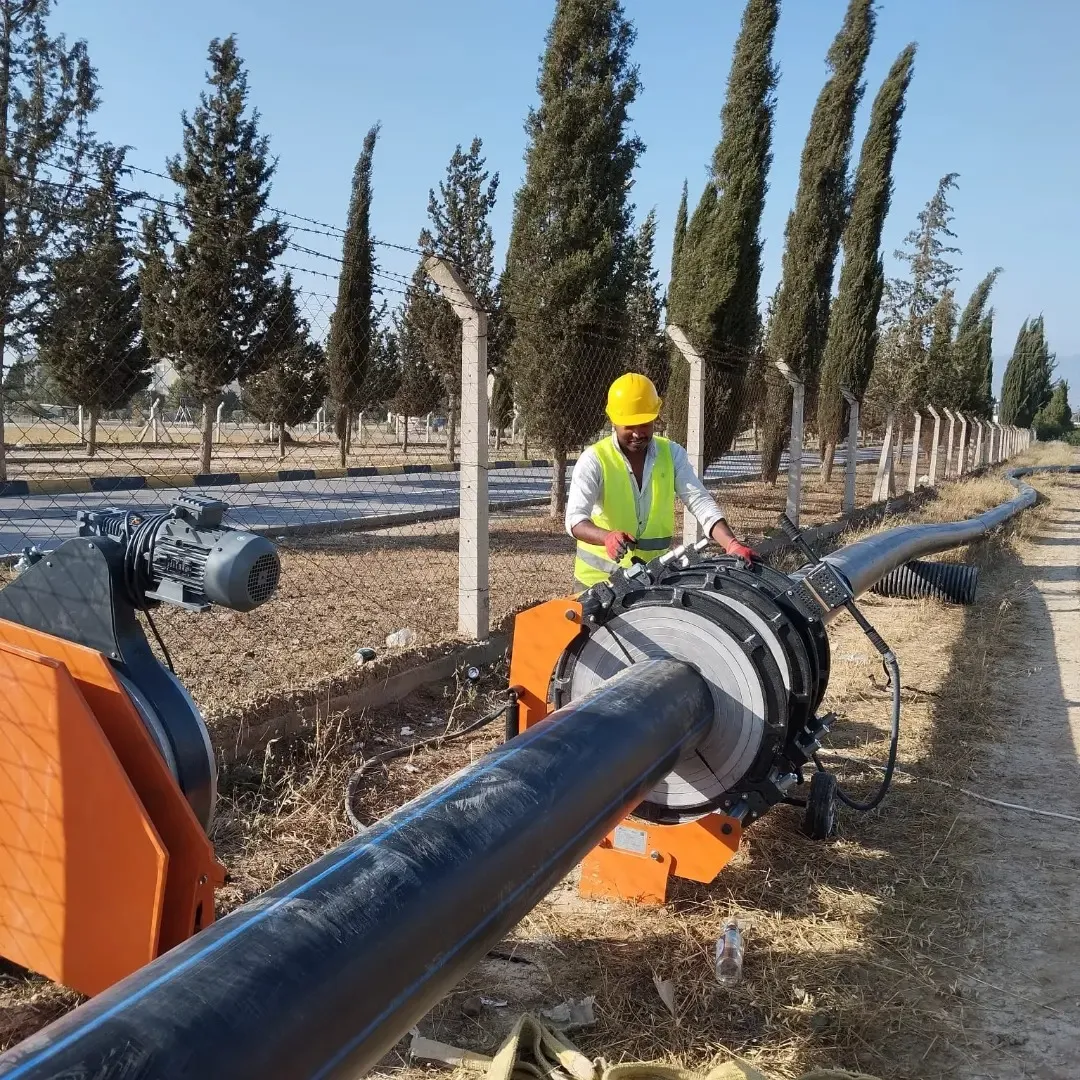
The performance of PVC pipe is characterized by its pressure rating, tensile strength, impact resistance, and chemical resistance. Pressure rating, specified in psi (pounds per square inch) or bar, is determined by the pipe’s schedule (wall thickness) and diameter. Schedule 40 and Schedule 80 denote progressively thicker walls, resulting in higher pressure ratings. Tensile strength, typically around 6,000-7,000 psi for standard PVC compounds, indicates the material’s resistance to stretching. Impact resistance, measured using Izod or Charpy impact tests, assesses the material's ability to withstand sudden shock loads. PVC exhibits excellent resistance to a wide range of chemicals, including acids, bases, and salts. However, it is susceptible to degradation by certain organic solvents and chlorinated hydrocarbons. Engineering considerations include thermal expansion and contraction; PVC has a relatively high coefficient of thermal expansion (approximately 6 x 10⁻⁵ in/in/°F), necessitating the use of expansion joints in long pipeline runs to prevent stress buildup. Furthermore, soil loading and hydrostatic pressure must be considered when designing buried pipelines. The long-term hydrostatic strength of PVC pipe is affected by creep, a time-dependent deformation under sustained stress. Industry standards, such as ASTM D2412, provide guidance on calculating allowable stress levels to account for creep effects and ensure long-term reliability. Jointing methods, including solvent cementing, threaded connections, and gasketed joints, significantly influence the overall system performance; improper jointing is a leading cause of pipeline failures.
Technical Specifications
| Parameter | Schedule 40 (in) | Schedule 80 (in) | ASTM Standard |
|---|---|---|---|
| Nominal Pipe Size (NPS) 1/2" | 0.625 | 0.790 | D1785 |
| Nominal Pipe Size (NPS) 1" | 1.050 | 1.180 | D1785 |
| Nominal Pipe Size (NPS) 2" | 2.067 | 2.375 | D1785 |
| Nominal Pipe Size (NPS) 3" | 3.068 | 3.500 | D1785 |
| Nominal Pipe Size (NPS) 4" | 4.026 | 4.500 | D1785 |
| Tensile Strength (psi) | 6,000-7,000 | 6,000-7,000 | D638 |
Failure Mode & Maintenance
PVC pipe is susceptible to several failure modes, including brittle fracture, crazing, stress cracking, and chemical degradation. Brittle fracture occurs when the pipe is subjected to a sudden impact or excessive load, particularly at low temperatures. Crazing refers to the formation of fine cracks on the surface of the pipe, often caused by stress concentration or exposure to incompatible chemicals. Stress cracking, also known as environmental stress cracking (ESC), occurs when a combination of sustained stress and a corrosive environment leads to crack propagation. Chemical degradation can result from exposure to solvents, chlorinated hydrocarbons, or UV radiation. Long-term exposure to UV light causes the PVC to become brittle and discolored. Maintenance strategies include regular visual inspections to identify signs of cracking, crazing, or discoloration. Protecting PVC pipe from direct sunlight with coatings or burial is crucial to prevent UV degradation. Proper jointing techniques, utilizing approved solvent cements and ensuring adequate curing time, minimize the risk of leaks and failures. For buried pipelines, corrosion protection measures, such as cathodic protection, may be necessary in aggressive soil environments. When repairing damaged PVC pipe, it is essential to use compatible repair materials and follow established procedures. Preventative maintenance, including flushing the pipeline to remove sediment buildup, extends the service life of the system. Failure analysis should incorporate examining the fracture surface using microscopy to determine the root cause and implement corrective actions.
Industry FAQ
Q: What is the impact of water hammer on PVC pipeline systems, and how can it be mitigated?
A: Water hammer, or hydraulic transient, occurs when there is a sudden change in flow velocity within a pipeline, creating a pressure surge. In PVC systems, this can cause significant stress on joints and even lead to pipe rupture, particularly with Schedule 40 pipe. Mitigation strategies include installing surge arrestors (air chambers or pressure relief valves) to absorb the energy of the pressure surge, using slow-closing valves, and optimizing pipeline layout to minimize flow velocity changes. Proper pipe anchoring and support are also critical to resist the forces generated by water hammer.
Q: How does temperature affect the long-term performance of PVC pipe, and what temperature limits should be observed?
A: PVC’s mechanical properties are temperature-dependent. Elevated temperatures reduce the pipe’s strength and increase its susceptibility to creep. Low temperatures can make the pipe more brittle and prone to fracture. Generally, PVC pipe should not be used in applications where the fluid temperature exceeds 140°F (60°C). For prolonged exposure to higher temperatures, specialized PVC compounds with improved heat resistance may be necessary. Consideration must also be given to the temperature of the surrounding soil or environment, particularly in buried applications.
Q: What are the best practices for solvent cementing PVC pipe to ensure a leak-proof joint?
A: Proper solvent cementing is critical for a reliable joint. Ensure surfaces are clean, dry, and free of contaminants. Use the correct type of primer and cement recommended for the specific PVC compound. Apply primer liberally to both the pipe and fitting, allowing it to dry for a few seconds. Apply cement evenly around the pipe, then quickly insert the fitting with a slight twisting motion to ensure full coverage. Hold the joint firmly for 30 seconds to allow the cement to set. Avoid using excessive cement, which can weaken the joint. Follow the manufacturer’s recommendations for curing time before pressurizing the system.
Q: What is the difference between Schedule 40 and Schedule 80 PVC pipe, and when should each be used?
A: Schedule 40 PVC pipe has a thinner wall thickness and is suitable for lower-pressure applications, such as residential water lines and irrigation systems. Schedule 80 PVC pipe has a thicker wall thickness and is designed for higher-pressure applications, such as industrial fluid conveyance and fire sprinkler systems. The choice between Schedule 40 and Schedule 80 depends on the required pressure rating, fluid temperature, and application-specific requirements. Schedule 80 provides a greater margin of safety and is preferred in demanding environments.
Q: How does the chemical composition of the transported fluid affect the lifespan of a PVC pipe?
A: The chemical compatibility of the fluid and PVC is a vital consideration. While PVC exhibits good resistance to many chemicals, certain substances can cause degradation. Prolonged exposure to strong oxidizers, aromatic hydrocarbons, and chlorinated solvents can lead to swelling, cracking, or softening of the PVC. Prior to installation, a chemical compatibility chart should be consulted to ensure the transported fluid will not compromise the pipe’s integrity. The concentration and temperature of the fluid also influence the rate of degradation.
Conclusion
Wholesale PVC pipe remains a dominant material in fluid conveyance due to its favorable balance of cost, performance, and ease of installation. However, realizing its full potential requires a thorough understanding of its material properties, manufacturing processes, and potential failure modes. Proper material selection, meticulous installation practices, and proactive maintenance are essential for ensuring long-term system reliability. Addressing the pain points surrounding UV degradation, chemical compatibility, and thermal expansion through preventative measures is paramount.
Looking ahead, advancements in PVC compounding, such as the development of novel plasticizers and stabilizers, promise to further enhance the material’s performance and environmental profile. Furthermore, the integration of smart monitoring technologies, capable of detecting leaks and stress levels in real-time, will enable more effective asset management and predictive maintenance. Continued adherence to industry standards and best practices will solidify PVC pipe’s position as a cornerstone of modern infrastructure.
-
DN25 HDPE Compression Fitting-HORON INTERNATIONAL|Reliable Irrigation Solutions
NewsFeb.11,2026
-
hdpe coupling joint product Manufacturing Analysis
News2026-11-18
-
ppr pipe heating time products Performance Analysis
News2026-11-16
-
hdpe pipe sizes factory Performance Analysis
News2026-11-09
-
HDPE Pipe Sizes Service Performance Analysis
News2026-10-26
-
wholesale 15mm ppr pipe Material Science and Performance Analysis
News2026-10-20
-
wholesale pvc pipe price per foot Technical Analysis
News2026-09-21
-
wholesale long pvc pipe Technical Analysis and Manufacturing Specifications
News2026-09-15
-
wholesale plumbing kitchen sink water lines Material Performance
News2026-09-15
-
wholesale hdpe drip irrigation Material Science
News2026-09-15
-
wholesale hot water ppr pipe Performance Analysis
News2026-09-15
-
wholesale ppr plumbing Performance Analysis
News2026-09-15
-
wholesale ppr pipe supplier Performance Analysis
News2026-09-13
-
wholesale 50mm ppr pipe Performance Analysis
News2026-09-13
-
wholesale hdpe drip pipe Performance Analysis
News2026-09-13
-
wholesale hdpe pipe 63mm price Manufacturing Specification and Performance Analysis
News2026-09-13