

Feb . 11, 2026 00:01 Back to list
water supply line under sink factory Performance Analysis
Introduction
Water supply lines installed under sinks are a critical component of residential and commercial plumbing infrastructure, responsible for delivering potable water to faucets and appliances. These lines represent a significant portion of the overall plumbing system and are subject to stringent performance and safety requirements. The manufacturing of these lines encompasses a variety of materials, connection methods, and quality control processes. The industry faces ongoing challenges related to material degradation, lead content regulations, burst prevention, and ensuring long-term durability in diverse water chemistries. This guide provides a comprehensive overview of water supply line under sink manufacturing, encompassing material science, manufacturing processes, performance characteristics, failure modes, and relevant industry standards. Understanding these aspects is crucial for manufacturers, procurement professionals, and plumbing engineers to ensure the reliable and safe delivery of water.
Material Science & Manufacturing
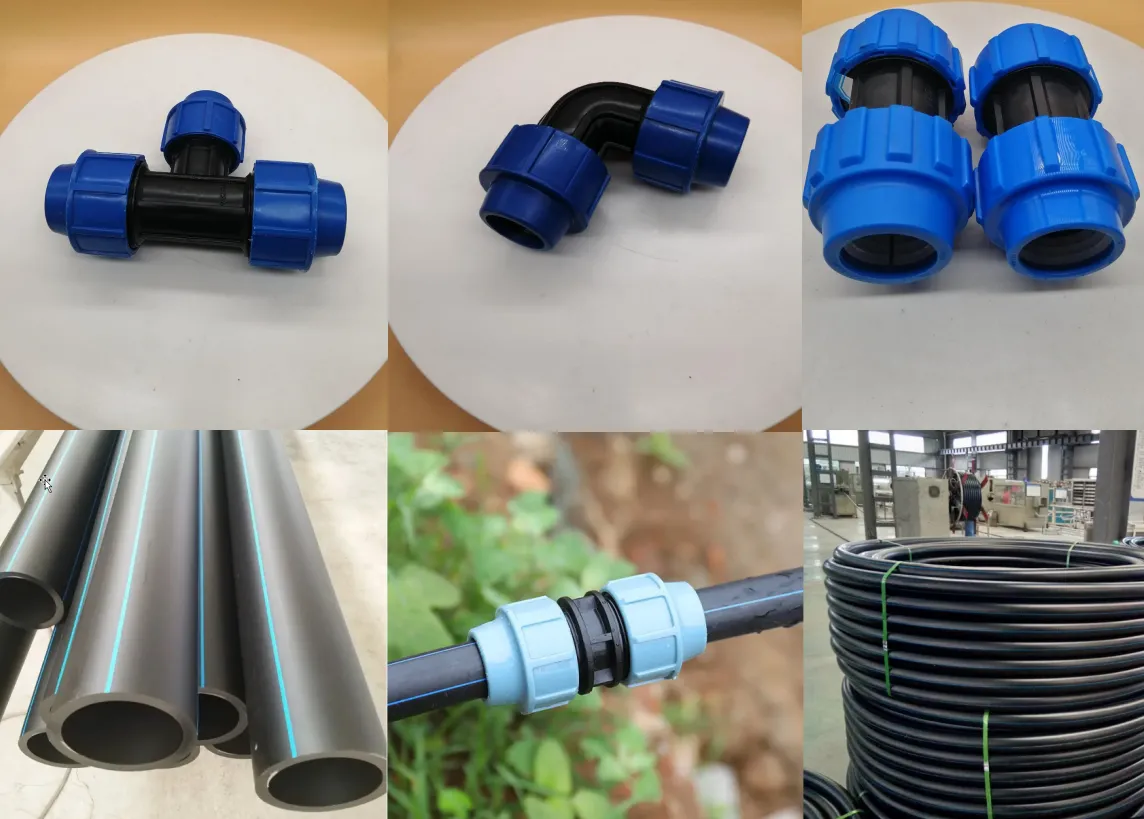
Water supply lines are commonly manufactured from several materials, each possessing distinct properties impacting performance and cost. Polyethylene (PE) offers flexibility and corrosion resistance but has lower temperature tolerance. Polypropylene Random Copolymer (PPR) provides good chemical resistance and is often used in hot and cold water applications. Chlorinated Polyvinyl Chloride (CPVC) delivers enhanced temperature resistance compared to PVC, making it suitable for hot water lines. Stainless steel, particularly grades 304 and 316, provides exceptional durability, corrosion resistance, and temperature tolerance but represents a higher cost. PEX (Cross-linked Polyethylene) is favored for its flexibility, freeze resistance, and ease of installation. The manufacturing processes vary depending on the material. PPR and PEX lines are typically produced via extrusion, where molten material is forced through a die to create continuous tubing. Parameters like extrusion temperature, die pressure, and cooling rate are critical to ensure consistent wall thickness and diameter. CPVC pipe undergoes a chlorination process to enhance its heat resistance. Stainless steel tubes are manufactured through processes like drawing and welding. Connection methods include compression fittings, threaded connections, push-fit connectors, and crimp rings. The integrity of these connections is paramount to prevent leaks, requiring precise torque specifications and quality control during assembly. Material purity, particularly regarding lead content, is subject to stringent regulatory oversight, necessitating rigorous material sourcing and testing protocols.
Performance & Engineering
The performance of under-sink water supply lines is evaluated based on several key engineering parameters. Burst pressure is a critical metric, determined through hydrostatic testing according to ASTM D1785. This test subjects the line to increasing pressure until failure, revealing its maximum withstand capacity. Tensile strength, measured by ASTM D638, indicates the material’s resistance to pulling forces, impacting its ability to withstand installation stresses and vibrations. Elongation at break, also determined by ASTM D638, measures the material's ductility. Environmental resistance is assessed through exposure to various chemicals commonly found in water supplies, including chlorine, calcium carbonate, and various detergents, according to ASTM E143. Temperature ratings are vital, specifying the maximum operating temperature for the line, dictated by the material's heat deflection temperature (HDT) measured by ASTM D648. Compliance with lead-free regulations, such as NSF/ANSI 372, is non-negotiable. Furthermore, the lines must exhibit adequate flexibility to accommodate installation challenges and thermal expansion/contraction. Force analysis during installation and operation must consider bending radius, compression forces from fittings, and potential for vibrational stress. The design must mitigate stress concentrations to prevent premature failure. Material compatibility with existing plumbing systems and water treatment components is also a crucial engineering consideration.
Technical Specifications
| Material | Operating Pressure (PSI) | Temperature Rating (°F) | Burst Pressure (PSI) |
|---|---|---|---|
| PEX | 80-100 | 140 | 300-400 |
| CPVC | 100-180 | 180 | 400-600 |
| Stainless Steel (304) | 200-300 | 250 | 600-800 |
| PPR | 80-100 | 140 | 350-450 |
| Polyethylene (PE) | 40-60 | 100 | 150-200 |
| Crosslinked Polyethylene (XLPE) | 100-160 | 180 | 400-500 |
Failure Mode & Maintenance
Common failure modes in under-sink water supply lines include fatigue cracking due to repeated pressure fluctuations and thermal cycling, particularly at connection points. Corrosion, especially in environments with aggressive water chemistry (low pH, high chloride content), can lead to pinhole leaks and eventual line failure. Delamination, a separation of layers in composite materials like PEX, weakens the line and increases the risk of bursting. Impact damage during installation or from external sources can cause cracks and leaks. Freezing and thawing cycles can cause expansion and contraction stresses, leading to cracking, particularly in rigid materials. Improper installation, such as over-tightening fittings or exceeding the minimum bending radius, introduces stress concentrations that accelerate failure. Maintenance recommendations include periodic visual inspections for signs of corrosion, leaks, or damage. Connections should be checked for tightness. In areas prone to freezing, insulation should be applied to prevent ice formation. Water filters should be regularly replaced to remove sediment and corrosive contaminants. If any signs of failure are detected, the affected section of the line should be replaced immediately. Consideration should be given to the water quality; consistent pH imbalances or high mineral content can accelerate deterioration. Regular flushing of the line can also help remove sediment buildup.
Industry FAQ
Q: What are the key differences between PEX and CPVC for under-sink applications?
A: PEX offers greater flexibility, making it easier to install in tight spaces and more resistant to damage from freezing. However, CPVC boasts higher temperature resistance and is better suited for consistently hot water applications. CPVC also generally has a higher pressure rating. The choice depends on the specific application requirements and local building codes.
Q: How does lead content compliance impact material selection?
A: Regulations like NSF/ANSI 372 mandate very low lead content in potable water supply lines. This necessitates careful material sourcing and rigorous testing to ensure compliance. Manufacturers must provide documentation demonstrating adherence to these standards. Brass fittings, in particular, require careful scrutiny for lead content.
Q: What is the role of hydrostatic testing in quality control?
A: Hydrostatic testing is a critical quality control measure used to verify the burst strength and integrity of water supply lines. It involves pressurizing the line to a specified level and holding it for a predetermined duration to identify any leaks or weaknesses. This test provides confidence in the product's ability to withstand normal operating pressures.
Q: What are the common causes of pinhole leaks in stainless steel lines?
A: Pinhole leaks in stainless steel lines are often caused by crevice corrosion, particularly in the presence of chloride ions. This occurs in areas where stagnant water collects, such as under fittings or within seams. Proper welding techniques, surface passivation, and avoidance of dissimilar metal contact can help mitigate this issue.
Q: How important is proper torque when tightening compression fittings?
A: Proper torque is absolutely critical when tightening compression fittings. Under-tightening can lead to leaks, while over-tightening can damage the fitting or the tubing, compromising its integrity. Manufacturers specify precise torque values for each fitting size and material, and these should be strictly adhered to.
Conclusion
The manufacture of water supply lines for under-sink applications demands a deep understanding of material science, engineering principles, and regulatory compliance. Selecting the appropriate material, optimizing manufacturing processes, and implementing rigorous quality control measures are paramount to ensuring long-term reliability and safety. Factors such as burst pressure, temperature rating, chemical resistance, and lead content compliance must all be carefully considered.
Ongoing innovation in materials and connection technologies continues to drive improvements in water supply line performance. Future trends are likely to focus on enhanced corrosion resistance, improved freeze protection, and the development of more sustainable materials. A proactive approach to maintenance, including regular inspections and timely replacements, is crucial for mitigating the risk of failure and protecting potable water supplies.
-
DN25 HDPE Compression Fitting-HORON INTERNATIONAL|Reliable Irrigation Solutions
NewsFeb.11,2026
-
hdpe coupling joint product Manufacturing Analysis
News2026-11-18
-
ppr pipe heating time products Performance Analysis
News2026-11-16
-
hdpe pipe sizes factory Performance Analysis
News2026-11-09
-
HDPE Pipe Sizes Service Performance Analysis
News2026-10-26
-
wholesale 15mm ppr pipe Material Science and Performance Analysis
News2026-10-20
-
wholesale pvc pipe price per foot Technical Analysis
News2026-09-21
-
wholesale long pvc pipe Technical Analysis and Manufacturing Specifications
News2026-09-15
-
wholesale plumbing kitchen sink water lines Material Performance
News2026-09-15
-
wholesale hdpe drip irrigation Material Science
News2026-09-15
-
wholesale hot water ppr pipe Performance Analysis
News2026-09-15
-
wholesale ppr plumbing Performance Analysis
News2026-09-15
-
wholesale ppr pipe supplier Performance Analysis
News2026-09-13
-
wholesale 50mm ppr pipe Performance Analysis
News2026-09-13
-
wholesale hdpe drip pipe Performance Analysis
News2026-09-13
-
wholesale hdpe pipe 63mm price Manufacturing Specification and Performance Analysis
News2026-09-13