

Feb . 11, 2026 00:01 Back to list
upvc column pipes for submersible pumps service Performance Analysis

Introduction
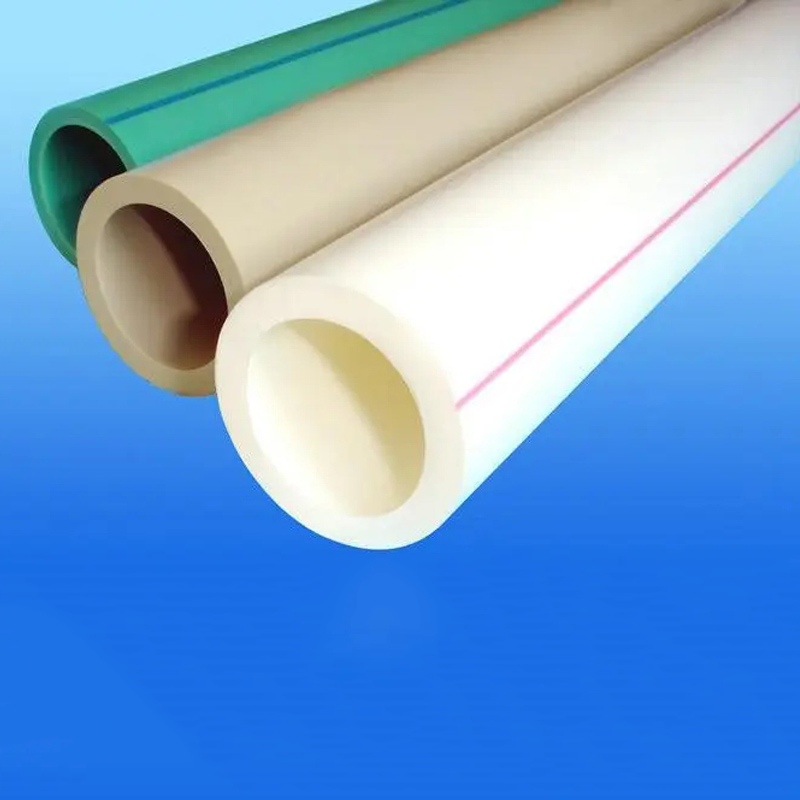
uPVC (Unplasticized Polyvinyl Chloride) column pipes for submersible pump service represent a critical component in water well systems, irrigation, and dewatering applications. Positioned within the fluid conveyance segment of the groundwater extraction industry, these pipes serve as the conduit connecting the submersible pump to the surface, transmitting pumped fluid. Unlike traditional metallic piping, uPVC offers advantages in corrosion resistance and cost-effectiveness. Core performance characteristics include pressure rating (dependent on schedule and diameter), tensile strength, resistance to chemical degradation from common well fluids, and dimensional stability. A key industry pain point is ensuring long-term structural integrity under continuous hydrostatic pressure, varying water temperatures, and potential exposure to aggressive chemical compounds present in downhole environments. The selection and proper installation of these pipes are crucial to prevent pump failure, minimize maintenance, and ensure a reliable water supply. This guide provides a comprehensive technical overview of uPVC column pipes designed for submersible pump applications, detailing material properties, manufacturing processes, performance parameters, potential failure modes, and relevant industry standards.
Material Science & Manufacturing
uPVC column pipes are manufactured from a rigid PVC compound formulated without plasticizers. The base material, PVC resin (typically suspension PVC), is combined with stabilizers (often tin-based or calcium-zinc based), lubricants, and impact modifiers to enhance processing characteristics and improve long-term performance. The key physical properties relevant to submersible pump applications include a density of approximately 1.45 g/cm³, a tensile strength ranging from 55-70 MPa, and a flexural modulus of 3000-3500 MPa. Chemical compatibility is excellent with most naturally occurring groundwater constituents; however, prolonged exposure to concentrated hydrocarbons, strong acids, or certain solvents can cause swelling or degradation.
The primary manufacturing process is extrusion. PVC resin and additives are fed into a twin-screw extruder, where they are heated, mixed, and homogenized. The molten PVC is then forced through a die to create the desired pipe diameter and wall thickness. Critical parameters during extrusion include die temperature (typically 180-200°C), screw speed, and haul-off speed. Precise control of these parameters is essential to ensure consistent pipe dimensions and prevent defects such as ovality or surface imperfections. Post-extrusion, the pipes are cooled using a water bath and cut to length. Quality control measures include hydrostatic pressure testing, dimensional checks, and impact resistance testing. Pipe schedules (e.g., Schedule 40, Schedule 80) define the wall thickness and corresponding pressure rating. Higher schedules indicate thicker walls and greater pressure capacity. Fusion welding or solvent cementing are the primary joining methods used to assemble longer pipe strings. Proper surface preparation and adherence to manufacturer’s instructions are vital for creating leak-proof and structurally sound connections.
Performance & Engineering
The performance of uPVC column pipes is dictated by several engineering considerations. Firstly, hydrostatic pressure analysis is paramount. The pipe wall must withstand the static water head plus any dynamic pressure fluctuations caused by pump operation. Safety factors are typically applied, ranging from 2:1 to 4:1, depending on the application and local regulations. Secondly, axial stress due to the weight of the pump and column pipe string must be accounted for. This stress is particularly significant in deep wells and requires proper pipe support and suspension systems. The tensile strength of the uPVC material limits the maximum permissible column length. Thirdly, thermal expansion and contraction are important. Temperature variations in the well water can cause the pipe to expand or contract, potentially stressing joints or nearby well components. Allowance for thermal movement should be incorporated into the installation design, particularly in long column strings. Finally, resistance to internal abrasion from suspended solids in the pumped fluid is crucial. While uPVC offers good abrasion resistance, highly abrasive fluids can accelerate wear over time.
Compliance requirements vary by region. Most jurisdictions require that uPVC pipes meet relevant NSF/ANSI standards for potable water contact. For well construction applications, adherence to local well construction codes is mandatory. Furthermore, the electrical resistivity of uPVC is a critical safety factor, especially when used in conjunction with submersible pumps. Proper grounding procedures must be implemented to prevent electrical hazards. The selection of appropriate pipe schedule is directly related to the pump’s discharge head and the well’s depth; under-specifying can lead to catastrophic failure, while over-specifying adds unnecessary cost. Finite Element Analysis (FEA) is often employed to model the stress distribution within the pipe and optimize the design for specific operating conditions.
Technical Specifications
| Parameter | Schedule 40 | Schedule 80 | Units |
|---|---|---|---|
| Outside Diameter | 1.25 | 1.25 | inches |
| Inside Diameter | 1.049 | 0.957 | inches |
| Wall Thickness | 0.101 | 0.148 | inches |
| Pressure Rating (at 73°F) | 400 | 600 | psi |
| Tensile Strength | 60 | 65 | MPa |
| Flexural Modulus | 3200 | 3400 | MPa |
Failure Mode & Maintenance
uPVC column pipes, while durable, are susceptible to several failure modes. Fatigue cracking can occur due to repeated stress cycles from pump operation and water hammer. This is exacerbated by improper installation, sharp bends, or inadequate support. Delamination, a separation of layers within the pipe wall, can result from manufacturing defects or exposure to UV radiation. Chemical degradation, as mentioned earlier, can lead to swelling, embrittlement, and eventual failure. Oxidation can occur in the presence of oxidizing agents, such as chlorine, slowly reducing the pipe’s mechanical properties. Impact damage, from accidental drops or encounters with debris during installation, can create cracks that propagate under pressure. Microbial Induced Corrosion (MIC), while less common in uPVC than metals, can occur in environments with sulfate-reducing bacteria.
Preventative maintenance includes regular visual inspections for cracks, leaks, or discoloration. Proper support and suspension systems are crucial to minimize stress on the pipe. Joints should be inspected for tightness and evidence of leakage. The water chemistry should be monitored to identify potential corrosive agents. UV protection, such as shielding or UV-resistant coatings, should be applied to exposed sections of pipe. In the event of a detected crack, the damaged section should be replaced immediately. Solvent cementing repairs are generally not recommended for structural repairs; full pipe replacement is the preferred solution. Periodic hydrostatic testing can be performed to assess the overall integrity of the column pipe string. Correct installation avoiding over-tightening of joints and minimizing bending radius is crucial for longevity.
Industry FAQ
Q: What is the maximum allowable operating temperature for uPVC column pipe in a submersible pump application?
A: The maximum continuous operating temperature for most standard uPVC column pipes is typically around 140°F (60°C). Exceeding this temperature can lead to a reduction in pressure rating and increased susceptibility to creep and deformation. Specialized formulations with higher temperature resistance are available but are generally more expensive.
Q: How does the Schedule number (40, 80) impact the suitability of a uPVC column pipe for a specific application?
A: The Schedule number directly relates to the pipe wall thickness and, consequently, its pressure-bearing capacity. Higher Schedule numbers (e.g., 80) provide greater resistance to internal pressure and external loads, making them suitable for deeper wells or applications with higher pump discharge pressures. Schedule 40 is typically sufficient for shallower wells and lower-pressure systems.
Q: What measures can be taken to mitigate the risk of fatigue cracking in uPVC column pipes?
A: Minimizing stress concentrations is key. This includes ensuring proper pipe support, avoiding sharp bends, and using flexible couplings to accommodate thermal expansion and contraction. Avoiding water hammer events through proper pump controls and check valve installation is also critical. Regular inspection for early signs of cracking is recommended.
Q: Is uPVC column pipe compatible with all types of submersible pumps?
A: Generally, yes. However, consideration must be given to the pump’s electrical grounding requirements. uPVC is a non-conductive material, so proper grounding procedures must be implemented to prevent electrical hazards. The pipe’s physical dimensions must also be compatible with the pump’s discharge connection.
Q: What are the key differences between uPVC and CPVC column pipes, and when would CPVC be a better choice?
A: CPVC (Chlorinated Polyvinyl Chloride) offers significantly higher temperature resistance than uPVC, making it suitable for applications involving hot fluids or elevated well temperatures. CPVC also has greater inherent fire resistance. However, CPVC is typically more expensive and has lower impact strength than uPVC. CPVC would be preferable in geothermal well applications or environments where higher temperatures are anticipated.
Conclusion
uPVC column pipes represent a reliable and cost-effective solution for submersible pump applications, offering excellent corrosion resistance and ease of installation. Careful consideration of material properties, manufacturing processes, and engineering principles is crucial for ensuring long-term performance and preventing premature failure. Proper selection of pipe schedule, adherence to relevant industry standards, and implementation of preventative maintenance measures are essential for maximizing the service life of these critical components.
Future advancements in uPVC formulations may focus on enhancing impact resistance, increasing temperature tolerance, and improving resistance to specific chemical compounds. The integration of smart monitoring technologies, such as embedded sensors to detect stress, temperature, or corrosion, could further enhance the reliability and longevity of uPVC column pipe systems. Continued research and development in joining techniques will also be important for improving the structural integrity of pipe connections and minimizing the risk of leakage.
-
DN25 HDPE Compression Fitting-HORON INTERNATIONAL|Reliable Irrigation Solutions
NewsFeb.11,2026
-
hdpe coupling joint product Manufacturing Analysis
News2026-11-18
-
ppr pipe heating time products Performance Analysis
News2026-11-16
-
hdpe pipe sizes factory Performance Analysis
News2026-11-09
-
HDPE Pipe Sizes Service Performance Analysis
News2026-10-26
-
wholesale 15mm ppr pipe Material Science and Performance Analysis
News2026-10-20
-
wholesale pvc pipe price per foot Technical Analysis
News2026-09-21
-
wholesale long pvc pipe Technical Analysis and Manufacturing Specifications
News2026-09-15
-
wholesale plumbing kitchen sink water lines Material Performance
News2026-09-15
-
wholesale hdpe drip irrigation Material Science
News2026-09-15
-
wholesale hot water ppr pipe Performance Analysis
News2026-09-15
-
wholesale ppr plumbing Performance Analysis
News2026-09-15
-
wholesale ppr pipe supplier Performance Analysis
News2026-09-13
-
wholesale 50mm ppr pipe Performance Analysis
News2026-09-13
-
wholesale hdpe drip pipe Performance Analysis
News2026-09-13
-
wholesale hdpe pipe 63mm price Manufacturing Specification and Performance Analysis
News2026-09-13