

Feb . 11, 2026 00:01 Back to list
upvc column pipes for submersible pumps products Performance Analysis
Introduction
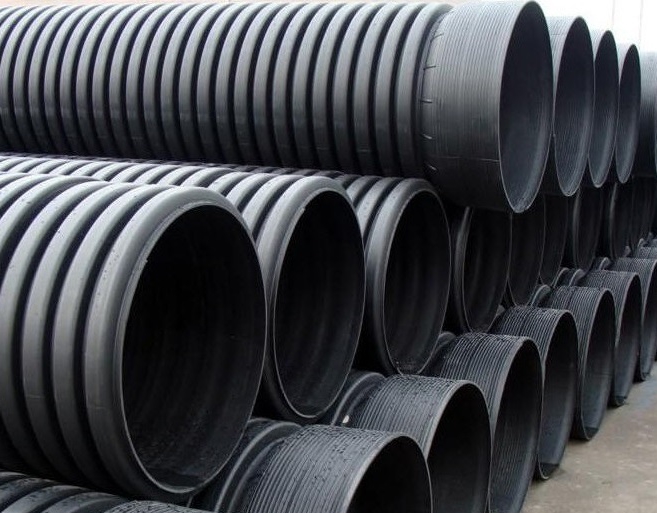
UPVC (Unplasticized Polyvinyl Chloride) column pipes for submersible pumps represent a critical component in water extraction and conveyance systems. These pipes function as the vertical conduit connecting the submersible pump to the surface, delivering pumped fluids. Their primary role is to provide a structurally sound, chemically inert, and hydraulically efficient passage for water, typically in agricultural, industrial, and municipal applications. UPVC’s selection over traditional materials like steel or ductile iron stems from its inherent resistance to corrosion, lighter weight, lower installation costs, and improved hydraulic flow characteristics due to a smoother internal surface. This guide provides an in-depth technical assessment of UPVC column pipes, encompassing material science, manufacturing processes, performance characteristics, failure modes, and relevant industry standards, addressing the critical needs of procurement managers and engineering professionals involved in submersible pump system design and maintenance. The increasing demand for efficient and reliable water management solutions drives the continued refinement and widespread adoption of UPVC column pipe technology.
Material Science & Manufacturing
UPVC column pipes derive their properties from the polymerization of vinyl chloride monomer (VCM) without the addition of plasticizers, resulting in a rigid and durable thermoplastic. The raw material, PVC resin, is typically sourced as a white, powdery substance. Key physical properties influencing performance include a tensile strength ranging from 55-75 MPa, a flexural modulus of 3-4 GPa, and a glass transition temperature (Tg) around 80-85°C. Chemical resistance is exceptional, with negligible degradation from most acids, alkalis, and salts commonly found in groundwater. However, prolonged exposure to certain aromatic hydrocarbons and chlorinated solvents should be avoided.
Manufacturing primarily employs the extrusion process. PVC resin is blended with stabilizers (typically calcium-zinc or lead-based – though lead-based are increasingly restricted due to environmental concerns), lubricants, and pigments. This mixture is fed into a twin-screw extruder, where it’s heated and homogenized before being forced through a die to form the pipe’s desired outer diameter and wall thickness. Parameter control during extrusion is paramount. Melt temperature (180-210°C), screw speed (30-60 RPM), and die pressure are carefully monitored to ensure dimensional accuracy and consistent material properties. Subsequent cooling, calendaring (for surface finish), and cutting to length complete the process. Jointing of pipes is predominantly achieved via solvent cementing, utilizing a PVC primer and cement that chemically fuse the pipe ends, creating a watertight seal. Quality control includes hydrostatic pressure testing (typically 1.5 times the operating pressure) and dimensional checks to verify adherence to specifications.

Performance & Engineering
The performance of UPVC column pipes is heavily influenced by hydrostatic pressure, tensile stress induced by the water column weight, and potential external loads. Force analysis considers the pipe’s outer diameter, wall thickness, and maximum pumping depth. Buckling is a primary concern, especially in deeper well applications. Engineering calculations utilize Euler’s buckling formula, modified for the specific boundary conditions of the installation. Stress concentration at joints and fittings must be accounted for during design. UPVC's relatively low Young's modulus necessitates careful consideration of deflection under load to prevent pipe failure.
Environmental resistance is crucial. While UPVC is generally inert, long-term exposure to UV radiation can cause degradation and embrittlement. UV stabilizers are added during manufacturing to mitigate this effect, but surface coatings or burial are recommended for prolonged outdoor exposure. Temperature variations also impact performance. UPVC’s mechanical properties decrease at elevated temperatures, while low temperatures can increase brittleness. Compliance with relevant standards (detailed in the footer) ensures the pipe can withstand specified operating pressures and temperatures. Chemical compatibility with the pumped fluid is essential; however, UPVC demonstrates broad compatibility with most water sources. Furthermore, the internal roughness of the pipe significantly impacts hydraulic efficiency, minimizing friction losses and reducing energy consumption.
Technical Specifications
| Parameter | Units | Specification (Standard) | Typical Range |
|---|---|---|---|
| Outer Diameter | mm | Various (e.g., 125, 160, 200, 250) | 110-315 |
| Wall Thickness | mm | Schedule 40, Schedule 80 | 2.8 - 8.7 |
| Pressure Rating | bar | PN10, PN16 | 10 - 16 |
| Tensile Strength | MPa | ≥ 55 | 55-75 |
| Flexural Modulus | GPa | ≥ 3 | 3-4 |
| Impact Strength (Izod Notched) | kJ/m² | ≥ 5 | 8-12 |
Failure Mode & Maintenance
UPVC column pipes are generally reliable, but several failure modes can occur. Fatigue cracking can initiate at stress concentrators (e.g., joints, fittings) due to cyclic loading from pump operation and water hammer. Delamination, although less common, can occur due to improper solvent cementing or material defects. Environmental stress cracking (ESC) can arise from prolonged exposure to certain chemicals or sustained tensile stress. UV degradation causes embrittlement, leading to brittle fracture. Oxidation can also contribute to material deterioration over extended periods.
Preventative maintenance is crucial. Regular visual inspections should identify any cracks, deformation, or signs of UV degradation. Joints should be checked for leaks. Hydrostatic testing can verify the pipe’s structural integrity. If cracks are detected, the affected section should be replaced immediately. Proper solvent cementing techniques are critical during installation and repair; ensure surfaces are clean and dry, and use the correct cement for the specific UPVC grade. Protection from UV radiation through burial or the application of UV-resistant coatings significantly extends the pipe’s service life. Avoid exceeding the maximum operating pressure and temperature limits specified by the manufacturer and relevant standards. Periodic cleaning to remove scale buildup can maintain hydraulic efficiency and prevent corrosion of the submersible pump.
Industry FAQ
Q: What is the maximum allowable working pressure for a 160mm UPVC column pipe, Schedule 80?
A: A 160mm UPVC column pipe, Schedule 80, typically has a pressure rating of PN16, equating to 16 bar (approximately 232 PSI) at 20°C. However, this rating is dependent on the temperature and specific manufacturer's specifications. A safety factor should always be applied, and calculations should consider the full water column weight and any potential surge pressures.
Q: How does UV exposure affect the long-term performance of UPVC column pipes?
A: Prolonged exposure to UV radiation causes chain scission in the PVC polymer, leading to embrittlement, reduced tensile strength, and increased susceptibility to cracking. UV stabilizers are incorporated during manufacturing, but their effectiveness diminishes over time. Burial or the application of a UV-resistant coating is strongly recommended for pipes exposed to sunlight.
Q: What are the key considerations when solvent cementing UPVC column pipes?
A: Surface preparation is paramount. Both pipe and fitting surfaces must be clean, dry, and free of grease or contaminants. Use a PVC primer to soften the surfaces and create a chemical bond. Apply the cement evenly and quickly, ensuring complete coverage. Avoid excessive cement, as it can weaken the joint. Allow sufficient curing time before pressurizing the system, as specified by the cement manufacturer.
Q: Can UPVC column pipes be used with aggressive or corrosive fluids?
A: UPVC exhibits excellent resistance to many chemicals, but it is not universally compatible. Prolonged exposure to certain aromatic hydrocarbons, chlorinated solvents, and strong oxidizing agents should be avoided. Compatibility charts should be consulted to verify suitability for the specific fluid being pumped. Consider alternative materials if chemical compatibility is questionable.
Q: What is the typical lifespan of a properly installed and maintained UPVC column pipe system?
A: A properly installed and maintained UPVC column pipe system can have a lifespan of 20-50 years, depending on operating conditions, water quality, and environmental factors. Regular inspections, preventative maintenance, and protection from UV exposure are critical for maximizing service life.
Conclusion
UPVC column pipes offer a compelling combination of cost-effectiveness, durability, and ease of installation for submersible pump applications. Their inherent corrosion resistance, lighter weight, and smoother internal surface translate to long-term reliability and reduced operational costs. However, careful consideration must be given to design parameters, including hydrostatic pressure, buckling resistance, and UV protection. Proper material selection, meticulous installation practices, and a proactive maintenance program are essential for maximizing system performance and lifespan.
The future of UPVC column pipe technology lies in the development of enhanced UV stabilizers, improved jointing techniques, and the incorporation of smart monitoring systems for early detection of potential failures. As the demand for sustainable and efficient water management solutions continues to grow, UPVC will undoubtedly remain a critical material in the submersible pump industry, provided best practices are consistently implemented throughout the entire system lifecycle.
-
DN25 HDPE Compression Fitting-HORON INTERNATIONAL|Reliable Irrigation Solutions
NewsFeb.11,2026
-
hdpe coupling joint product Manufacturing Analysis
News2026-11-18
-
ppr pipe heating time products Performance Analysis
News2026-11-16
-
hdpe pipe sizes factory Performance Analysis
News2026-11-09
-
HDPE Pipe Sizes Service Performance Analysis
News2026-10-26
-
wholesale 15mm ppr pipe Material Science and Performance Analysis
News2026-10-20
-
wholesale pvc pipe price per foot Technical Analysis
News2026-09-21
-
wholesale long pvc pipe Technical Analysis and Manufacturing Specifications
News2026-09-15
-
wholesale plumbing kitchen sink water lines Material Performance
News2026-09-15
-
wholesale hdpe drip irrigation Material Science
News2026-09-15
-
wholesale hot water ppr pipe Performance Analysis
News2026-09-15
-
wholesale ppr plumbing Performance Analysis
News2026-09-15
-
wholesale ppr pipe supplier Performance Analysis
News2026-09-13
-
wholesale 50mm ppr pipe Performance Analysis
News2026-09-13
-
wholesale hdpe drip pipe Performance Analysis
News2026-09-13
-
wholesale hdpe pipe 63mm price Manufacturing Specification and Performance Analysis
News2026-09-13