

Feb . 11, 2026 00:01 Back to list
upvc column pipes for submersible pumps product Material Science
Introduction
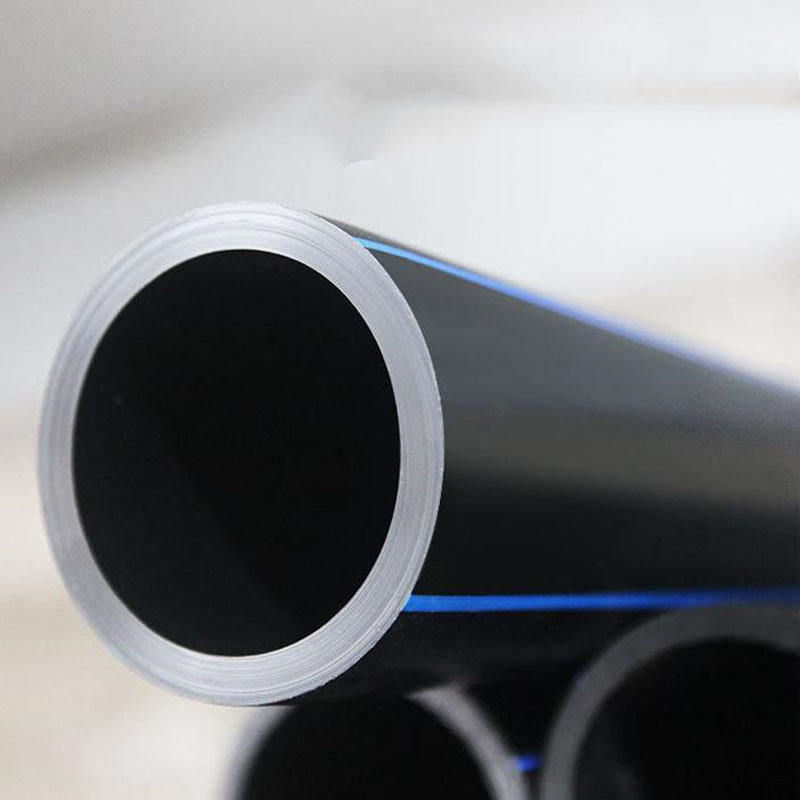
Unplasticized Polyvinyl Chloride (uPVC) column pipes for submersible pumps represent a critical component in water extraction and transfer systems, particularly in agricultural, industrial, and domestic water supply applications. These pipes serve as the conduit for the pumped fluid, extending from the submersible pump within the well or borehole to the discharge point. Unlike metallic alternatives, uPVC offers inherent corrosion resistance and a lighter weight, simplifying installation and reducing lifecycle costs. Their technical positioning within the water management chain is crucial; failure can lead to significant downtime and associated economic losses. Core performance characteristics include pressure rating, tensile strength, resistance to chemical degradation from well water constituents, and dimensional stability under varying temperatures. This guide provides a comprehensive technical overview of uPVC column pipe technology, encompassing material science, manufacturing processes, performance engineering, failure modes, and relevant industry standards.
Material Science & Manufacturing
The primary raw material for these pipes is uPVC resin, typically sourced from vinyl chloride monomer (VCM). The resin’s inherent rigidity and chemical inertness are critical to performance. Formulation includes stabilizers (often tin-based or calcium-zinc based) to prevent thermal degradation during processing, lubricants to facilitate extrusion, and impact modifiers (such as acrylics) to enhance toughness. The molecular weight and K-value of the PVC resin directly correlate with the pipe’s strength and processability.
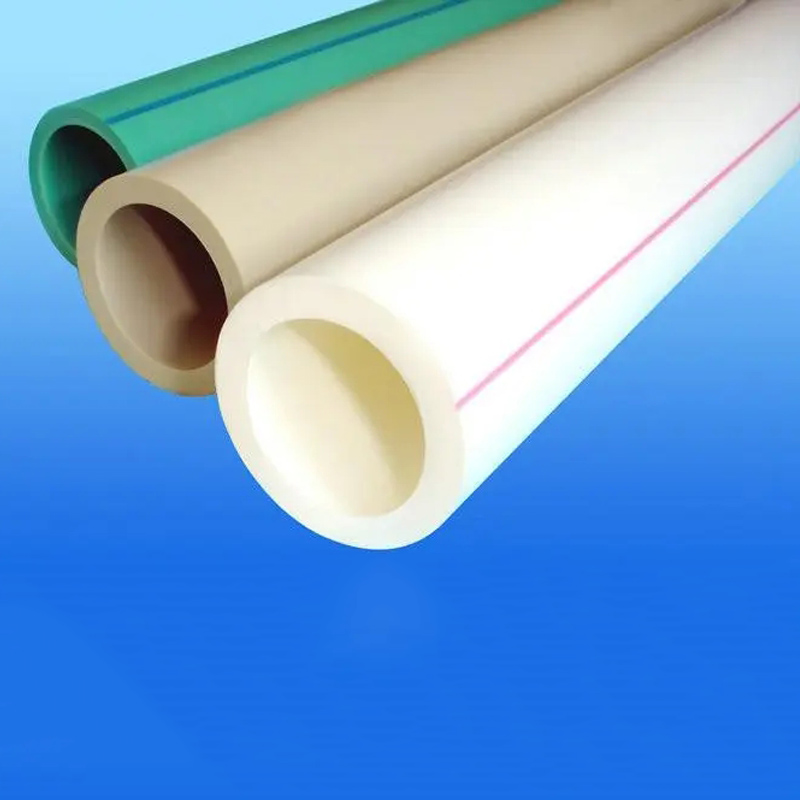
Manufacturing predominantly employs extrusion processes. The uPVC compound is fed into a single or twin-screw extruder, where it is heated and homogenized. Precise control of barrel temperatures (typically ranging from 170°C to 210°C) and screw speed is paramount to ensure complete fusion and avoid degradation. The molten uPVC is then forced through a calibrated die to form the desired pipe diameter and wall thickness. Cooling is achieved using water baths, maintaining precise temperature control to minimize dimensional changes and internal stresses. Post-extrusion, pipes are typically marked with size, schedule, pressure rating, and manufacturing standards. Quality control incorporates hydrostatic pressure testing to verify burst resistance and dimensional accuracy. The manufacturing process also includes rigorous quality control checks for ovality, concentricity, and surface finish. Improper cooling or inconsistent extrusion can lead to residual stresses, making the pipe susceptible to premature failure.
Performance & Engineering
The performance of uPVC column pipes is dictated by several engineering considerations. Firstly, hydrostatic pressure testing, conforming to standards like ASTM D1501, verifies the pipe’s ability to withstand internal pressure without failure. The pressure rating is directly correlated with the pipe’s schedule number and diameter. Secondly, tensile strength, measured according to ASTM D2412, indicates the pipe’s resistance to axial loads. This is particularly important when considering the weight of the water column and any potential stresses from pump starting and stopping. Thirdly, impact resistance (ASTM D2444) is vital, especially during installation and handling, preventing cracking or shattering.
Environmental resistance is also a crucial factor. Long-term exposure to ultraviolet (UV) radiation can cause embrittlement, necessitating the addition of UV stabilizers in the formulation. Chemical compatibility with well water is critical; uPVC generally exhibits excellent resistance to most common well water constituents, but prolonged exposure to certain solvents or aggressive chemicals can lead to degradation. Furthermore, thermal expansion and contraction must be accounted for in system design to prevent stress on joints and connections. Coefficient of linear expansion for uPVC is approximately 8 x 10⁻⁵ /°C. Column pipe selection must also consider fluid velocity; excessively high velocities can induce erosion and noise. The pipe's rigidity must prevent buckling under vacuum conditions often encountered during pump start-up.
Technical Specifications
| Parameter | Unit | Typical Value (Schedule 80) | Test Standard |
|---|---|---|---|
| Outside Diameter | mm | 110 | ASTM D2466 |
| Wall Thickness | mm | 6.35 | ASTM D2467 |
| Pressure Rating | psi | 600 | ASTM D1501 |
| Tensile Strength | MPa | 62 | ASTM D2412 |
| Impact Strength (Izod Notched) | J/m | 50 | ASTM D256 |
| Coefficient of Linear Expansion | /°C | 8 x 10⁻⁵ | ASTM E831 |
Failure Mode & Maintenance
Common failure modes for uPVC column pipes include: Hydrostatic Failure: Rupture due to exceeding the pressure rating, often caused by pump malfunctions or water hammer. Stress Cracking: Development of cracks due to sustained tensile stress, particularly at joints or fittings, often exacerbated by chemical exposure. UV Degradation: Embrittlement and cracking due to prolonged exposure to sunlight, leading to reduced impact resistance. Impact Damage: Cracking or shattering due to accidental impacts during handling or installation. Thermal Distortion: Deformation due to excessive temperature fluctuations. Delamination: Separation of layers within the pipe wall, resulting from poor manufacturing or material inconsistencies.
Preventative maintenance includes regular visual inspections for cracks, discoloration, or deformation. Joints should be checked for leaks and proper alignment. Protection from direct sunlight using protective coatings or burial is recommended. Avoid sudden pressure surges by implementing check valves and surge arrestors. Proper handling and installation procedures are critical to prevent impact damage. If chemical contamination is suspected, the water should be analyzed, and the pipe’s chemical compatibility should be verified. For minor cracks, epoxy-based repair compounds specifically formulated for PVC can be used, however, significant damage necessitates pipe replacement. Regularly inspect and maintain the submersible pump itself, as pump failures often contribute to column pipe stress.
Industry FAQ
Q: What is the impact of water hammer on uPVC column pipes, and how can it be mitigated?
A: Water hammer, a pressure surge resulting from sudden changes in flow velocity (e.g., rapid pump start/stop), can severely stress uPVC column pipes. The brittle nature of uPVC makes it susceptible to cracking under these conditions. Mitigation strategies include installing non-return valves (check valves) to prevent backflow, employing slow-closing valves, utilizing surge arrestors (air chambers or pressure vessels), and implementing soft-start control systems for the pump motor.
Q: How does the chemical composition of well water affect the long-term performance of uPVC column pipes?
A: While uPVC is generally resistant to many well water constituents, certain chemicals can cause degradation. High concentrations of solvents, oils, or aggressive acids/bases can lead to swelling, cracking, or loss of strength. The water should be chemically analyzed to verify compatibility with uPVC. For instance, high levels of iron bacteria can cause biofouling, potentially leading to corrosion-induced stress.
Q: What is the recommended procedure for joining uPVC column pipes, and what are the potential failure points?
A: Solvent cementing is the most common joining method. Proper surface preparation (cleaning and priming) is crucial for a strong, leak-proof joint. The correct solvent cement formulation for uPVC must be used, and adequate drying time must be allowed. Potential failure points include improper cleaning, insufficient cement application, inadequate drying time, and misalignment of the pipes. Threaded connections, while less common, require appropriate PTFE tape or sealant.
Q: What are the key differences between Schedule 40 and Schedule 80 uPVC column pipes, and when should each be used?
A: Schedule 80 pipes have thicker walls than Schedule 40 pipes, resulting in higher pressure ratings and increased mechanical strength. Schedule 40 is suitable for lower-pressure applications and shallower wells. Schedule 80 is recommended for deeper wells, higher pump heads, or systems where increased safety and durability are required. The choice depends on the total dynamic head and anticipated pressure fluctuations.
Q: What are the considerations for installing uPVC column pipes in varying soil conditions?
A: Soil conditions can significantly impact the long-term performance of the installation. Rocky or abrasive soils require protective bedding materials to prevent damage during installation and operation. Corrosive soils may necessitate the use of corrosion-resistant backfill. Proper trenching and support are essential to prevent excessive stress on the pipes due to soil settlement or external loads. Consideration should also be given to thermal movement due to temperature variations.
Conclusion
uPVC column pipes offer a robust and cost-effective solution for submersible pump applications, providing excellent corrosion resistance and ease of installation. However, their successful implementation requires a thorough understanding of the material's properties, manufacturing processes, and potential failure modes. Selecting the appropriate schedule, ensuring proper jointing techniques, and implementing preventative maintenance measures are critical to maximizing the lifespan and reliability of the system.
Future trends indicate a growing demand for enhanced uPVC formulations with improved UV resistance, impact strength, and chemical compatibility. The integration of smart monitoring technologies, such as embedded sensors for pressure and strain monitoring, will further optimize system performance and enable predictive maintenance. Proper design, material selection and adherence to industry standards are crucial for a durable and efficient submersible pumping system.
-
DN25 HDPE Compression Fitting-HORON INTERNATIONAL|Reliable Irrigation Solutions
NewsFeb.11,2026
-
hdpe coupling joint product Manufacturing Analysis
News2026-11-18
-
ppr pipe heating time products Performance Analysis
News2026-11-16
-
hdpe pipe sizes factory Performance Analysis
News2026-11-09
-
HDPE Pipe Sizes Service Performance Analysis
News2026-10-26
-
wholesale 15mm ppr pipe Material Science and Performance Analysis
News2026-10-20
-
wholesale pvc pipe price per foot Technical Analysis
News2026-09-21
-
wholesale long pvc pipe Technical Analysis and Manufacturing Specifications
News2026-09-15
-
wholesale plumbing kitchen sink water lines Material Performance
News2026-09-15
-
wholesale hdpe drip irrigation Material Science
News2026-09-15
-
wholesale hot water ppr pipe Performance Analysis
News2026-09-15
-
wholesale ppr plumbing Performance Analysis
News2026-09-15
-
wholesale ppr pipe supplier Performance Analysis
News2026-09-13
-
wholesale 50mm ppr pipe Performance Analysis
News2026-09-13
-
wholesale hdpe drip pipe Performance Analysis
News2026-09-13
-
wholesale hdpe pipe 63mm price Manufacturing Specification and Performance Analysis
News2026-09-13