

Feb . 11, 2026 00:01 Back to list
upvc column pipes for submersible pumps manufacturers Performance Analysis

Introduction
Unplasticized Polyvinyl Chloride (uPVC) column pipes are engineered vertical conveyance systems specifically designed for submersible pumps utilized in water well, dewatering, and wastewater applications. Positioned within the industry as a corrosion-resistant and cost-effective alternative to metallic piping, uPVC column pipes provide structural support for the pump and associated electrical cabling while maintaining fluid transport. Their inherent properties address the critical need for long-term durability in aggressive downhole environments. Core performance characteristics include tensile strength, hydrostatic pressure resistance, and resistance to chemical degradation from common well contaminants. The selection of uPVC column pipe hinges on compatibility with pump specifications, well depth, and anticipated operational stresses, making its understanding vital for submersible pump manufacturers and installers alike. This guide details the material science, manufacturing, performance, failure modes, and maintenance considerations crucial for maximizing the lifespan and reliability of uPVC column pipe systems.
Material Science & Manufacturing
uPVC column pipes are primarily composed of polyvinyl chloride resin, modified with stabilizers, lubricants, and impact modifiers to enhance performance characteristics. The base PVC resin provides inherent rigidity and chemical resistance. Common stabilizer formulations utilize organotin compounds or calcium-zinc stabilizers to prevent thermal degradation during processing and long-term UV exposure. Lubricants, typically fatty acid esters, aid in extrusion and reduce friction. Impact modifiers, such as chlorinated polyethylene (CPE) or acrylic impact modifiers, improve toughness and resistance to fracture, particularly in colder temperatures.
Manufacturing typically involves extrusion, where the compounded uPVC material is melted and forced through a die to form a seamless pipe. Critical parameters include extrusion temperature (180-220°C), die geometry, haul-off speed, and cooling rate. Precise temperature control is essential to ensure uniform material distribution and prevent degradation. Post-extrusion, pipes are typically subjected to hydrostatic testing to verify pressure resistance and dimensional accuracy. Socket joints are often formed during extrusion or subsequently machined. Bell-end formation is a critical step, requiring accurate dimensions to ensure a secure and leak-proof connection with solvent cement. Quality control measures throughout the process include regular resin analysis, dimensional inspections, and hydrostatic pressure testing according to established standards. The chemical compatibility of the uPVC formulation with potential well fluids must also be verified to prevent swelling or degradation.
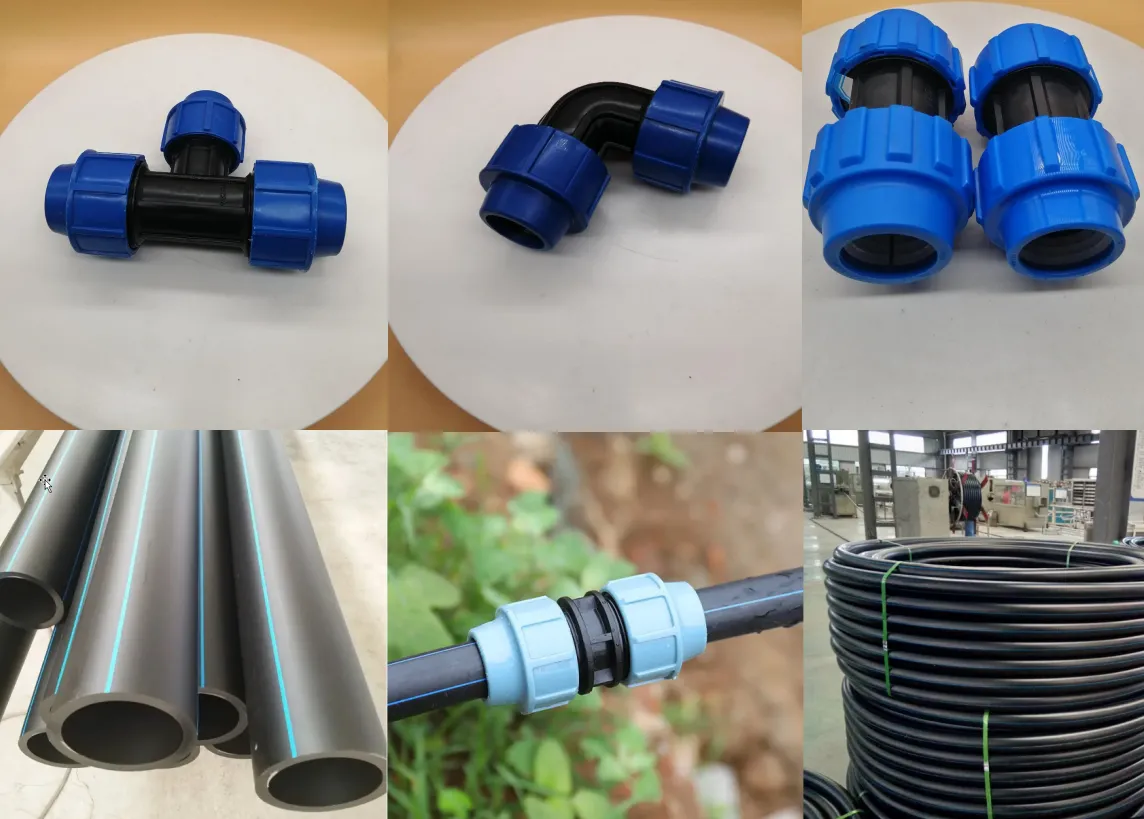
Performance & Engineering
The performance of uPVC column pipes is heavily influenced by several engineering considerations. Primarily, the pipe must withstand significant tensile stress due to the weight of the submersible pump, motor, cable, and fluid column. Calculations must account for the pipe's outer diameter, wall thickness, material density, and maximum well depth. Hydrostatic pressure resistance is another critical factor, increasing linearly with depth. Safety factors are applied to calculated stresses to account for dynamic loads, surge pressures, and potential defects.
Environmental resistance is also paramount. Prolonged exposure to groundwater, especially with high mineral content or corrosive elements, can lead to material degradation. uPVC exhibits good resistance to many chemicals but can be susceptible to attack by strong acids or organic solvents. Furthermore, the pipe must maintain its structural integrity across a wide temperature range, particularly in applications where groundwater temperatures fluctuate. Compliance with regional regulations governing potable water contact (where applicable) is also essential. Electrical isolation is an inherent benefit of uPVC, preventing galvanic corrosion between the pump motor and the well casing. Proper grounding procedures must still be followed to ensure personnel safety. The installation process significantly impacts performance; proper alignment and support are crucial to prevent bending stresses and premature failure.
Technical Specifications
| Parameter | Unit | Typical Value (Schedule 40) | Typical Value (Schedule 80) |
|---|---|---|---|
| Outer Diameter | mm | 127 (5 inch) | 127 (5 inch) |
| Inner Diameter | mm | 114.3 | 108 |
| Wall Thickness | mm | 7.1 | 9.5 |
| Tensile Strength | MPa | 62 | 62 |
| Flexural Modulus | GPa | 3.5 | 3.5 |
| Hydrostatic Pressure Rating (23°C) | MPa | 6.9 | 10.3 |
| Impact Strength (Izod Notched) | J/m | 50 | 65 |
Failure Mode & Maintenance
uPVC column pipes, while durable, are susceptible to specific failure modes. Fatigue cracking can occur due to repeated flexing or vibration, particularly near joints or areas of stress concentration. This is exacerbated by improper installation or unsupported pipe spans. Environmental stress cracking results from the combined effect of tensile stress and exposure to certain chemicals, leading to brittle failure. UV degradation can cause surface chalking and embrittlement, reducing long-term strength. Thermal deformation can occur in extreme temperatures, leading to bending or warping. Joint failure is often caused by improper solvent cementing, inadequate surface preparation, or excessive stress. Microbial Induced Corrosion (MIC), though less common in uPVC than metals, can occur due to sulfate-reducing bacteria in anaerobic environments.
Preventative maintenance includes regular visual inspections for cracks, deformation, or joint leaks. Periodic hydrostatic testing can identify weakened sections. UV protection, such as applying a UV-resistant coating, can extend service life in exposed applications. Proper installation practices, including adequate support spacing and correct solvent cementing procedures, are paramount. In the event of a failure, the affected section should be replaced with a compatible uPVC pipe and properly cemented joints. Avoid mechanical damage during handling and installation. Regular monitoring of groundwater chemistry can help identify potential corrosive agents and allow for proactive mitigation measures.
Industry FAQ
Q: What is the maximum permissible well depth for a 6-inch Schedule 80 uPVC column pipe supporting a 500 kg submersible pump?
A: This requires a detailed engineering calculation considering the pipe's tensile strength, weight of the pump, cable weight, fluid density, and a safety factor. However, as a rule of thumb, a 6-inch Schedule 80 uPVC pipe can typically support a 500 kg pump up to a depth of approximately 300 meters, assuming proper installation and support. Always consult with a qualified engineer for specific site conditions and load calculations.
Q: Can uPVC column pipes be used with variable frequency drives (VFDs) for pump speed control?
A: Yes, uPVC column pipes are compatible with VFDs. However, it’s crucial to ensure the VFD system is properly grounded to prevent stray currents from causing premature failure. The cyclic stresses induced by variable speed operation should also be considered in the design and support of the piping system.
Q: What solvent cement is recommended for joining uPVC column pipes?
A: Use a solvent cement specifically formulated for uPVC piping and compatible with the pipe’s formulation. Follow the manufacturer's instructions carefully regarding surface preparation, application temperature, and curing time. A primer is generally recommended to soften the pipe surface and improve bonding. Ensure the cement is suitable for potable water applications if applicable.
Q: How does temperature affect the performance of uPVC column pipes?
A: uPVC becomes more brittle at lower temperatures, increasing the risk of cracking under impact or stress. At higher temperatures, the pipe can soften and lose some of its rigidity. Extreme temperature fluctuations can also cause expansion and contraction, potentially stressing joints. Select a uPVC formulation appropriate for the anticipated temperature range of the application.
Q: What are the main differences between Schedule 40 and Schedule 80 uPVC column pipes?
A: Schedule 80 pipes have thicker walls than Schedule 40 pipes, resulting in higher pressure ratings and increased rigidity. Schedule 80 is generally preferred for deeper wells or applications requiring greater structural strength. Schedule 40 is suitable for shallower wells with lower pressure requirements and can be more cost-effective.
Conclusion
uPVC column pipes represent a robust and economical solution for submersible pump installations, offering excellent corrosion resistance and long-term reliability. Proper material selection, meticulous manufacturing processes, and adherence to sound engineering principles are crucial for ensuring optimal performance. Understanding the potential failure modes and implementing preventative maintenance strategies can significantly extend the service life of these systems. The ability of uPVC to deliver both structural support and fluid conveyance while mitigating corrosion concerns establishes it as a cornerstone material for submersible pump applications.
Continued advancements in uPVC formulations, including enhanced impact modifiers and UV stabilizers, are further improving the durability and versatility of these pipes. As the demand for sustainable and cost-effective water management solutions increases, uPVC column pipes will likely play an increasingly important role in the industry. Furthermore, strict compliance with evolving international standards and a focus on quality control throughout the supply chain will remain essential for maintaining the integrity and performance of these critical components.
-
DN25 HDPE Compression Fitting-HORON INTERNATIONAL|Reliable Irrigation Solutions
NewsFeb.11,2026
-
hdpe coupling joint product Manufacturing Analysis
News2026-11-18
-
ppr pipe heating time products Performance Analysis
News2026-11-16
-
hdpe pipe sizes factory Performance Analysis
News2026-11-09
-
HDPE Pipe Sizes Service Performance Analysis
News2026-10-26
-
wholesale 15mm ppr pipe Material Science and Performance Analysis
News2026-10-20
-
wholesale pvc pipe price per foot Technical Analysis
News2026-09-21
-
wholesale long pvc pipe Technical Analysis and Manufacturing Specifications
News2026-09-15
-
wholesale plumbing kitchen sink water lines Material Performance
News2026-09-15
-
wholesale hdpe drip irrigation Material Science
News2026-09-15
-
wholesale hot water ppr pipe Performance Analysis
News2026-09-15
-
wholesale ppr plumbing Performance Analysis
News2026-09-15
-
wholesale ppr pipe supplier Performance Analysis
News2026-09-13
-
wholesale 50mm ppr pipe Performance Analysis
News2026-09-13
-
wholesale hdpe drip pipe Performance Analysis
News2026-09-13
-
wholesale hdpe pipe 63mm price Manufacturing Specification and Performance Analysis
News2026-09-13