

Feb . 11, 2026 00:01 Back to list
upvc column pipe price service Performance Analysis
Introduction
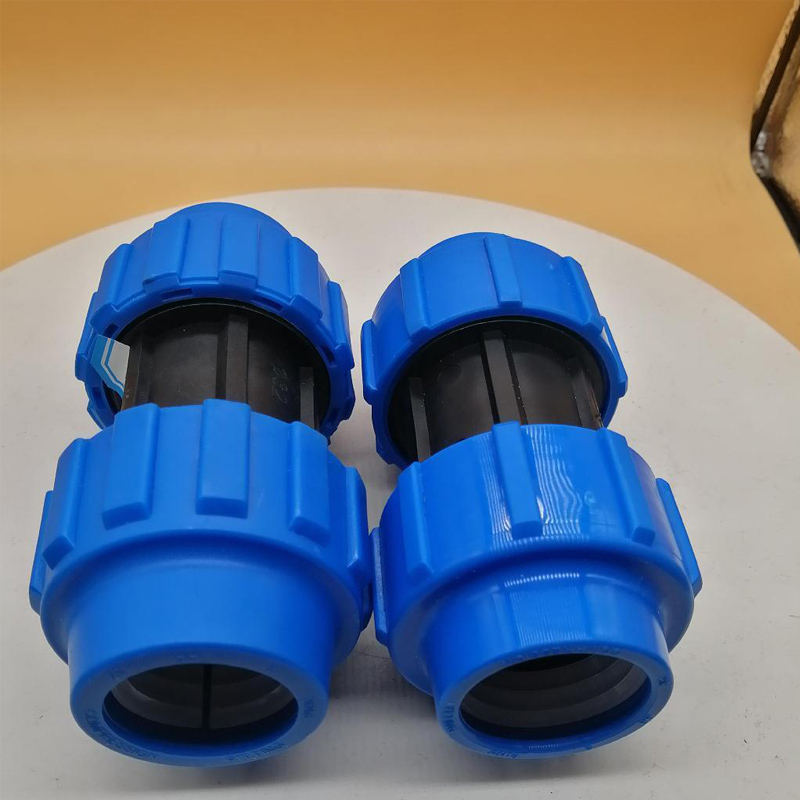
Unplasticized Polyvinyl Chloride (uPVC) column pipes represent a significant component in modern infrastructure, particularly in water management, drainage, and increasingly, structural support applications. This technical guide provides an in-depth analysis of uPVC column pipes, encompassing material science, manufacturing processes, performance characteristics, potential failure modes, and relevant industry standards. The ‘price service’ aspect, critical to procurement, is intrinsically linked to material grade, dimensional accuracy, pressure rating, and overall quality control – factors detailed herein. uPVC pipes are favored for their corrosion resistance, lightweight nature, and cost-effectiveness compared to traditional materials like concrete, steel, and ductile iron. This guide aims to furnish industry professionals with the knowledge required for informed specification, installation, and long-term maintenance of uPVC column pipe systems.
Material Science & Manufacturing
uPVC column pipes are primarily composed of polyvinyl chloride resin, blended with stabilizers, lubricants, and impact modifiers. The core resin provides the inherent rigidity and chemical resistance. Stabilizers, typically organotin compounds or calcium-zinc systems, prevent thermal degradation during processing and prolong service life by mitigating UV-induced breakdown. Lubricants, such as stearic acid, facilitate processing and reduce friction during extrusion. Impact modifiers, including acrylic or chlorinated polyethylene, enhance toughness, particularly at lower temperatures. The raw materials must conform to stringent purity standards, as impurities can compromise long-term performance.
Manufacturing predominantly utilizes extrusion processes. PVC compound is fed into a single or twin-screw extruder, where it is heated, melted, and homogenized. The molten PVC is then forced through a die to create a continuous pipe profile. Critical parameters during extrusion include die temperature, screw speed, and haul-off speed. These control the pipe’s dimensions, wall thickness uniformity, and surface finish. Subsequent cooling, typically through water baths, solidifies the pipe. Quality control at this stage involves dimensional checks (diameter, wall thickness), hydrostatic pressure testing to verify burst resistance, and impact testing to assess fracture toughness. The extrusion process is heavily influenced by the Melt Flow Index (MFI) of the PVC compound, which dictates its processability. Post-extrusion, pipes are often marked with relevant specifications (material grade, pressure rating, manufacturer’s logo) using inkjet or embossing techniques.
Performance & Engineering
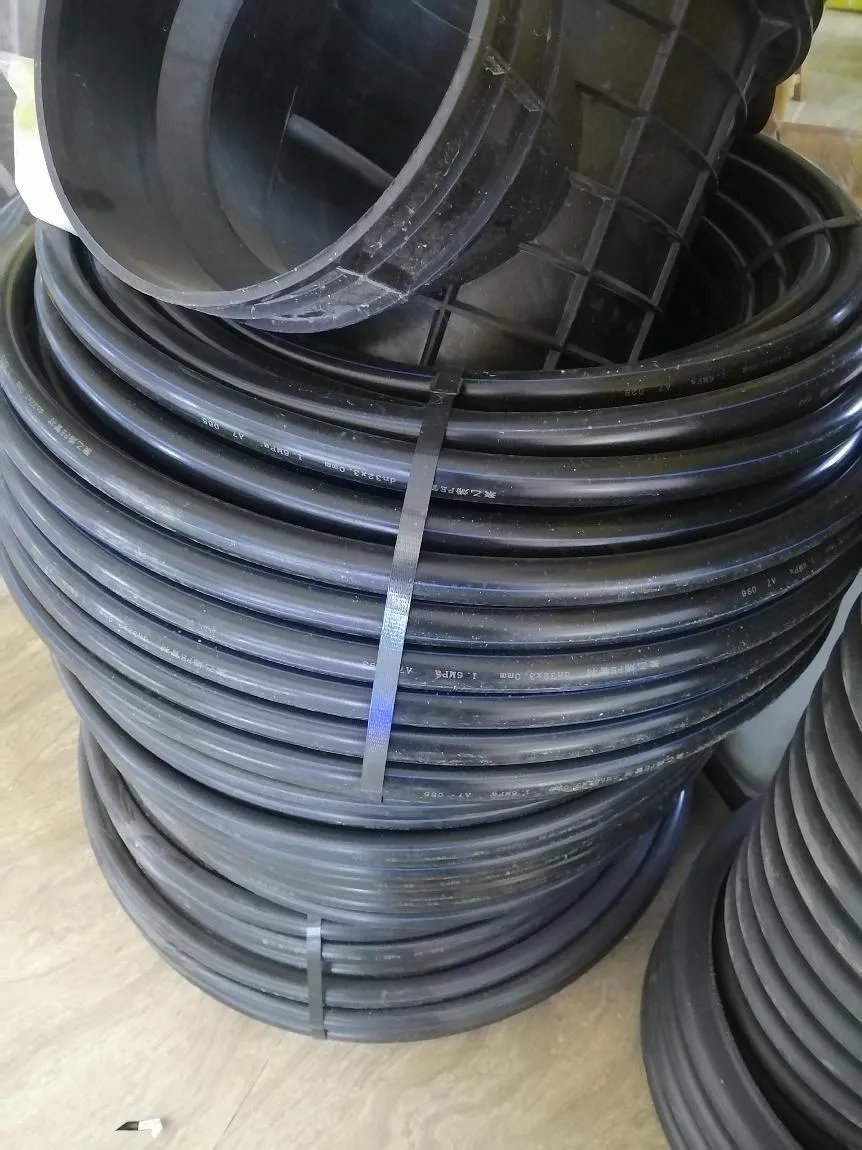
The structural performance of uPVC column pipes is fundamentally governed by hoop stress induced by internal pressure and axial loads. Hoop stress calculations, based on Barlow’s formula (σ = PD/2t, where σ is hoop stress, P is internal pressure, D is diameter, and t is wall thickness), are crucial for determining appropriate pressure ratings. The modulus of elasticity of uPVC (typically 3-4 GPa) influences its deflection under load. Long-term creep behavior, particularly under sustained pressure, must be considered in design; creep reduces the effective wall thickness over time, potentially compromising structural integrity.
Environmental resistance is a key performance attribute. uPVC exhibits excellent resistance to a wide range of chemicals, including acids, alkalis, and salts. However, prolonged exposure to certain organic solvents can cause swelling and degradation. UV exposure can lead to embrittlement, mitigated by incorporating UV stabilizers into the compound. Temperature fluctuations cause thermal expansion and contraction; engineers must account for this in joint design to prevent stress cracking. The pipes are also subjected to external loads (soil load, traffic load) necessitating adequate burial depth and backfill material selection to prevent deformation or failure. Compliance with relevant building codes and industry standards (e.g., ASTM D1785, EN 1452) is paramount, dictating minimum performance requirements and testing protocols.
Technical Specifications
| Parameter | Unit | Typical Value (Schedule 40) | Typical Value (Schedule 80) |
|---|---|---|---|
| Outside Diameter | mm | 110 | 110 |
| Wall Thickness | mm | 4.2 | 5.8 |
| Pressure Rating | MPa | 1.0 | 1.5 |
| Tensile Strength | MPa | 60 | 60 |
| Impact Strength (Charpy, 20°C) | kJ/m² | 5 | 8 |
| Modulus of Elasticity | GPa | 3.5 | 3.5 |
Failure Mode & Maintenance
Common failure modes in uPVC column pipes include slow crack growth (SCG), induced by sustained tensile stress in conjunction with aggressive chemicals; environmental stress cracking (ESC), similar to SCG but initiated by lower levels of stress and chemicals; and impact fracture, resulting from sudden impact loads, especially at low temperatures. UV degradation can cause surface cracking and loss of impact strength. Improper installation, such as inadequate support or excessive stress on joints, accelerates failure. Chemical attack from unexpected sources in the conveyed fluid or surrounding soil can also lead to degradation.
Maintenance primarily involves regular visual inspections for cracks, deformations, or leaks. Joint integrity should be checked periodically. Cleaning to remove debris and obstructions is essential. For minor cracks, epoxy-based repair compounds specifically designed for PVC can provide temporary remediation, but complete replacement is generally recommended for significant damage. Preventing SCG and ESC requires careful material selection (high-quality PVC compound with appropriate stabilizers) and avoiding exposure to incompatible chemicals. Protective coatings can mitigate UV degradation. Proper bedding and backfilling during installation are critical to prevent mechanical stress. Hydrostatic testing should be performed periodically to verify the system's integrity and identify potential weaknesses before they lead to catastrophic failure.
Industry FAQ
Q: What is the impact of temperature on the long-term performance of uPVC column pipes?
A: Elevated temperatures accelerate creep and reduce the long-term hydrostatic strength of uPVC. Conversely, low temperatures can reduce impact resistance, increasing the risk of fracture. Design calculations should incorporate temperature derating factors to account for these effects. Selecting compounds formulated for specific temperature ranges is also crucial.
Q: How does soil corrosivity affect the service life of buried uPVC pipes?
A: Corrosive soils containing high levels of chlorides or sulfates can leach plasticizers from the PVC, leading to embrittlement and cracking. Using pipes with enhanced chemical resistance, employing protective coatings, and providing adequate cathodic protection (where appropriate) can mitigate this risk.
Q: What are the advantages of Schedule 80 uPVC pipes over Schedule 40?
A: Schedule 80 pipes have thicker walls, providing higher pressure ratings and increased mechanical strength. They are suitable for applications involving higher operating pressures, more demanding structural loads, or harsher environmental conditions. However, they are also more expensive.
Q: What types of joints are commonly used with uPVC column pipes and what are their respective advantages and disadvantages?
A: Common joint types include solvent cement joints, gasketed joints (rubber ring), and flanged joints. Solvent cement joints are cost-effective but require careful surface preparation and proper application. Gasketed joints provide greater flexibility and ease of installation but are more expensive. Flanged joints are suitable for applications requiring frequent disassembly and reassembly.
Q: How does the price of uPVC resin impact the overall cost of uPVC column pipes?
A: uPVC resin constitutes a significant portion (typically 50-60%) of the total material cost. Fluctuations in resin prices directly translate into changes in the price of uPVC pipes. Supply chain disruptions and global economic conditions can significantly impact resin availability and pricing.
Conclusion
uPVC column pipes offer a compelling combination of cost-effectiveness, corrosion resistance, and ease of installation, making them a widely adopted solution in diverse infrastructure applications. However, realizing the full potential of these systems requires a thorough understanding of material science, manufacturing processes, and performance characteristics. Careful consideration must be given to factors such as temperature, chemical exposure, and mechanical loads to ensure long-term reliability and prevent premature failure.
The ‘price service’ element is fundamentally intertwined with the technical specifications and quality control measures employed throughout the manufacturing process. Investing in high-quality materials, adhering to relevant industry standards, and implementing robust maintenance protocols are essential for maximizing the service life and minimizing the total cost of ownership of uPVC column pipe systems. Continued innovation in PVC compound formulations and manufacturing techniques will further enhance the performance and sustainability of these vital infrastructure components.
-
DN25 HDPE Compression Fitting-HORON INTERNATIONAL|Reliable Irrigation Solutions
NewsFeb.11,2026
-
hdpe coupling joint product Manufacturing Analysis
News2026-11-18
-
ppr pipe heating time products Performance Analysis
News2026-11-16
-
hdpe pipe sizes factory Performance Analysis
News2026-11-09
-
HDPE Pipe Sizes Service Performance Analysis
News2026-10-26
-
wholesale 15mm ppr pipe Material Science and Performance Analysis
News2026-10-20
-
wholesale pvc pipe price per foot Technical Analysis
News2026-09-21
-
wholesale long pvc pipe Technical Analysis and Manufacturing Specifications
News2026-09-15
-
wholesale plumbing kitchen sink water lines Material Performance
News2026-09-15
-
wholesale hdpe drip irrigation Material Science
News2026-09-15
-
wholesale hot water ppr pipe Performance Analysis
News2026-09-15
-
wholesale ppr plumbing Performance Analysis
News2026-09-15
-
wholesale ppr pipe supplier Performance Analysis
News2026-09-13
-
wholesale 50mm ppr pipe Performance Analysis
News2026-09-13
-
wholesale hdpe drip pipe Performance Analysis
News2026-09-13
-
wholesale hdpe pipe 63mm price Manufacturing Specification and Performance Analysis
News2026-09-13