

Feb . 11, 2026 00:01 Back to list
upvc column pipe price products Performance Analysis
Introduction
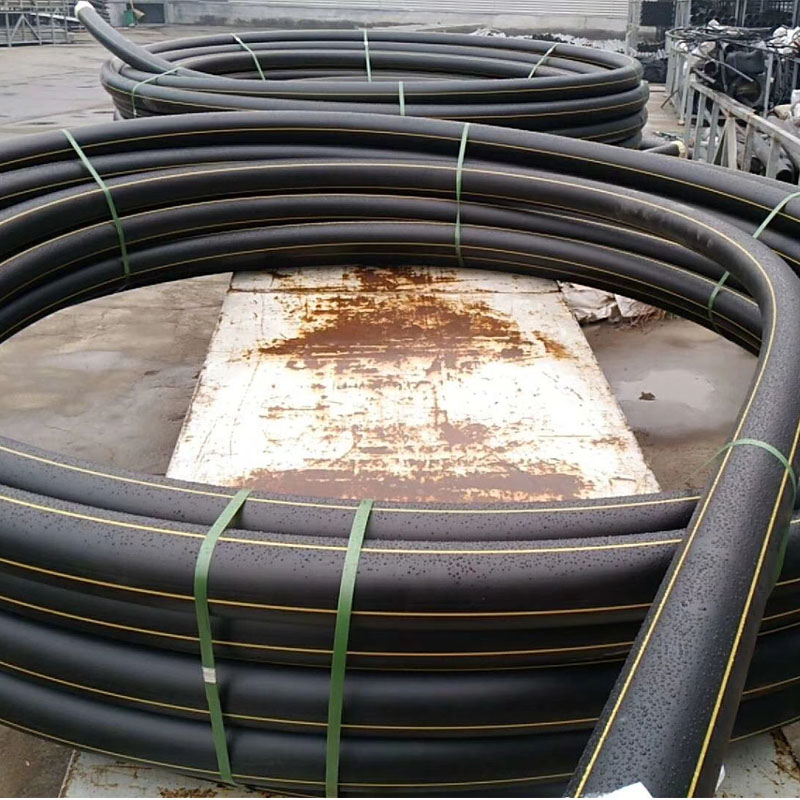
Unplasticized Polyvinyl Chloride (uPVC) column pipes are cylindrical extrusion products widely utilized in building and construction, particularly for structural support, drainage, and aesthetic applications. Positioned within the broader PVC pipe manufacturing industry, these pipes represent a specialized segment focusing on load-bearing capacity and visual appeal. Unlike standard PVC pipes primarily designed for fluid conveyance, uPVC column pipes are engineered to withstand compressive forces and contribute to the architectural design of structures. Their core performance characteristics revolve around dimensional stability, load-bearing strength, resistance to weathering and corrosion, and a cost-effective alternative to traditional materials like steel or concrete. The 'price' element often dictates material grade selection and pipe wall thickness, impacting long-term performance and structural integrity. The increasing adoption of uPVC column pipes is driven by the demand for lighter-weight, durable, and low-maintenance building materials, particularly in residential and commercial construction projects. Key pain points in the industry involve ensuring consistent material quality, achieving accurate dimensional tolerances, and maintaining long-term UV resistance to prevent degradation and discoloration.
Material Science & Manufacturing
uPVC column pipes are primarily manufactured from PVC resin, a thermoplastic polymer produced by the polymerization of vinyl chloride monomer (VCM). The PVC resin is typically blended with stabilizers (often based on calcium-zinc or lead compounds, though lead is increasingly restricted due to environmental concerns), lubricants (e.g., stearates), and impact modifiers (e.g., chlorinated polyethylene - CPE) to enhance processing characteristics and final product properties. The choice of stabilizer directly impacts the pipe’s resistance to thermal degradation during processing and its long-term weathering performance. Manufacturing begins with the compounding of these ingredients into a homogenous mixture. This compound is then fed into an extruder – typically a twin-screw extruder – where it is melted and homogenized under controlled temperature and shear conditions. The molten PVC is forced through a die, shaping it into a hollow column. Crucially, precise control of the extrusion temperature profile is essential to avoid degradation and ensure complete fusion of the materials. Cooling is achieved through a water bath, maintaining dimensional accuracy. Post-extrusion, pipes are often subjected to hydrostatic testing to verify their pressure resistance and structural integrity. Wall thickness, pipe diameter, and material composition are critical parameters. PVC’s inherent brittleness is addressed through impact modification, and UV stabilizers (e.g., titanium dioxide) are added to minimize photodegradation. The crystallinity of the PVC also influences its mechanical properties; controlled cooling rates promote optimal crystallinity for enhanced strength and rigidity.
Performance & Engineering
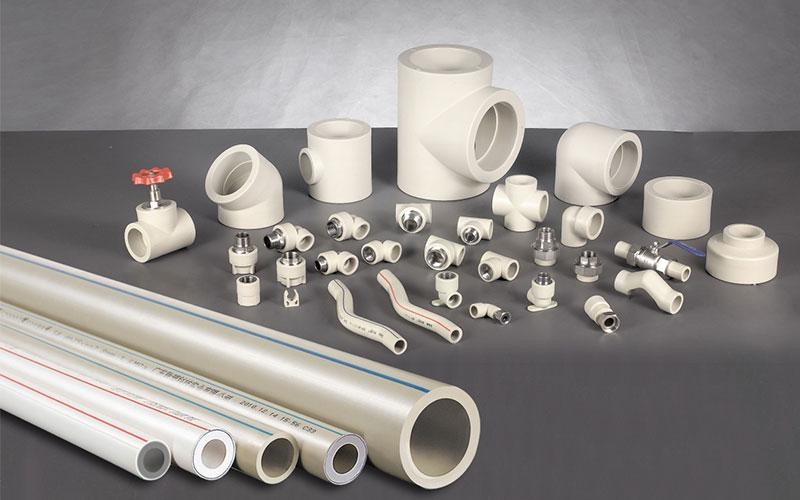
The performance of uPVC column pipes is governed by several key engineering principles. Firstly, buckling stability is paramount. Long, slender columns are susceptible to buckling under compressive loads; therefore, pipe wall thickness and material modulus of elasticity (Young's Modulus) are critical design parameters. Finite Element Analysis (FEA) is commonly employed to model the stress distribution within the pipe under various loading conditions, including axial compression, bending moments, and wind loads. Secondly, creep resistance is important for long-term structural integrity. PVC exhibits a degree of time-dependent deformation under sustained load; therefore, design codes typically incorporate creep reduction factors. Thirdly, resistance to environmental degradation is essential. UV exposure can cause chain scission and embrittlement, leading to loss of mechanical properties. Formulation with appropriate UV stabilizers and the use of protective coatings can mitigate this effect. Fourthly, the coefficient of thermal expansion of PVC needs to be considered in design to accommodate temperature fluctuations and prevent stress build-up at connections. Furthermore, the pipes must meet specific load-bearing capacity requirements as defined by local building codes and standards. Joining methods, such as solvent cementing or mechanical couplings, must maintain the structural integrity of the pipe system. Corrosion resistance is a major advantage of uPVC over metallic alternatives, eliminating the need for protective coatings and reducing maintenance costs.
Technical Specifications
| Parameter | Unit | Standard Specification (Typical) | Testing Method |
|---|---|---|---|
| Outside Diameter | mm | 50 – 300 (varies by application) | ASTM D2467 |
| Wall Thickness | mm | 2.0 – 8.0 (dependent on pressure rating) | ASTM D2467 |
| Tensile Strength | MPa | >55 | ASTM D2103 |
| Impact Strength (Charpy) | kJ/m2 | >5 | ASTM D256 |
| Flexural Modulus | GPa | 3.0 – 4.0 | ASTM D790 |
| Water Absorption | % | <0.5 (24 hours) | ASTM D570 |
Failure Mode & Maintenance
uPVC column pipes, while durable, are susceptible to several failure modes. Long-term UV exposure can cause photodegradation, leading to surface cracking, discoloration, and a reduction in impact strength. This is particularly prevalent in outdoor applications without adequate UV protection. Mechanical damage, such as impact from construction activities, can cause cracking or puncture. Creep deformation under sustained load can lead to gradual deformation and loss of structural capacity, particularly at elevated temperatures. Hydrostatic pressure, if exceeding the pipe's rated capacity, can cause catastrophic failure. Chemical attack from aggressive solvents or contaminants can also degrade the material. Delamination can occur if the material is improperly compounded or processed. Maintenance involves regular visual inspection for cracks, discoloration, or deformation. Cleaning with mild soap and water is generally sufficient. Avoid abrasive cleaners or solvents. UV-protective coatings can be applied periodically to extend the service life of exposed pipes. For structural repairs, solvent cementing with compatible uPVC adhesives is typically used, ensuring proper surface preparation and adhesive application techniques. Any evidence of significant creep deformation or structural damage warrants immediate replacement of the affected pipe section. Prevention is key: proper installation, avoidance of mechanical damage, and UV protection significantly extend the service life.
Industry FAQ
Q: What is the long-term impact of lead-based stabilizers on the environment and human health, and what are the viable alternatives?
A: Lead-based stabilizers, historically used for excellent heat stability, pose significant environmental and health risks. Lead can leach into soil and water, contaminating ecosystems and impacting human health through exposure. Viable alternatives include calcium-zinc stabilizers, which are less toxic but can sometimes result in reduced clarity and processability. Organic-based stabilizers are also gaining popularity, offering improved performance with lower toxicity profiles. The transition to lead-free formulations is driven by increasingly stringent regulations and consumer demand for sustainable materials.
Q: How does the choice of solvent cement affect the long-term joint strength and resistance to chemical attack?
A: The solvent cement acts as a chemical welding agent, partially dissolving the surfaces of both the pipe and fitting, creating a strong, homogenous joint. The type of solvent cement must be compatible with the uPVC resin used in the pipe and fitting. Using an incompatible cement can result in weak joints prone to failure. Furthermore, the cement's formulation impacts its resistance to chemical attack; some cements offer enhanced resistance to specific chemicals. Following the manufacturer's instructions for application and curing time is critical for achieving optimal joint strength.
Q: What is the recommended method for assessing the remaining service life of an existing uPVC column pipe installation?
A: A thorough visual inspection is the first step, looking for cracks, discoloration, deformation, or evidence of chemical attack. Non-destructive testing (NDT) methods, such as ultrasonic testing, can be used to assess wall thickness and detect internal defects. Material sampling and laboratory testing can determine the remaining mechanical properties, such as tensile strength and impact resistance. FEA modeling can be used to predict the pipe’s remaining load-bearing capacity based on its current condition and expected loading conditions.
Q: How do variations in temperature affect the load-bearing capacity and dimensional stability of uPVC column pipes?
A: uPVC experiences thermal expansion and contraction with temperature changes. While the coefficient of thermal expansion is relatively low, significant temperature fluctuations can induce stress in the pipe system, particularly at joints. Higher temperatures reduce the material's stiffness and creep resistance, decreasing its load-bearing capacity. Lower temperatures can increase brittleness, making it more susceptible to impact damage. Design considerations should account for expected temperature ranges and incorporate expansion joints or flexible connections to accommodate thermal movement.
Q: What are the key considerations when selecting a uPVC column pipe supplier to ensure consistent quality and adherence to industry standards?
A: Prioritize suppliers with established quality management systems (e.g., ISO 9001 certified). Verify that the supplier's products meet relevant industry standards (e.g., ASTM D1785, EN 1452). Request material certificates and testing reports to confirm compliance with specifications. Assess the supplier’s manufacturing capabilities and experience. Check for independent third-party certifications and approvals. Evaluate the supplier’s reputation and track record within the industry. A comprehensive supplier audit can provide further assurance of quality control and adherence to standards.
Conclusion
uPVC column pipes represent a viable and cost-effective alternative to traditional materials in a wide range of construction applications. Their inherent corrosion resistance, lightweight nature, and ease of installation contribute to significant cost savings and reduced maintenance requirements. However, realizing the full potential of these materials requires a thorough understanding of their material properties, manufacturing processes, and potential failure modes. Proper material selection, careful design considerations, and adherence to relevant industry standards are crucial for ensuring long-term structural integrity and performance.
The future of uPVC column pipe technology lies in the development of advanced formulations with enhanced UV resistance, improved impact strength, and increased creep resistance. Innovations in processing techniques, such as foam extrusion, can further reduce weight and improve thermal insulation properties. The adoption of circular economy principles, including recycling and reuse of uPVC materials, will also play a critical role in promoting sustainability within the industry. Continual research and development are essential to address emerging challenges and optimize the performance of these versatile building materials.
-
DN25 HDPE Compression Fitting-HORON INTERNATIONAL|Reliable Irrigation Solutions
NewsFeb.11,2026
-
hdpe coupling joint product Manufacturing Analysis
News2026-11-18
-
ppr pipe heating time products Performance Analysis
News2026-11-16
-
hdpe pipe sizes factory Performance Analysis
News2026-11-09
-
HDPE Pipe Sizes Service Performance Analysis
News2026-10-26
-
wholesale 15mm ppr pipe Material Science and Performance Analysis
News2026-10-20
-
wholesale pvc pipe price per foot Technical Analysis
News2026-09-21
-
wholesale long pvc pipe Technical Analysis and Manufacturing Specifications
News2026-09-15
-
wholesale plumbing kitchen sink water lines Material Performance
News2026-09-15
-
wholesale hdpe drip irrigation Material Science
News2026-09-15
-
wholesale hot water ppr pipe Performance Analysis
News2026-09-15
-
wholesale ppr plumbing Performance Analysis
News2026-09-15
-
wholesale ppr pipe supplier Performance Analysis
News2026-09-13
-
wholesale 50mm ppr pipe Performance Analysis
News2026-09-13
-
wholesale hdpe drip pipe Performance Analysis
News2026-09-13
-
wholesale hdpe pipe 63mm price Manufacturing Specification and Performance Analysis
News2026-09-13