

Feb . 11, 2026 00:01 Back to list
upvc column pipe price manufacturer Performance Analysis
Introduction
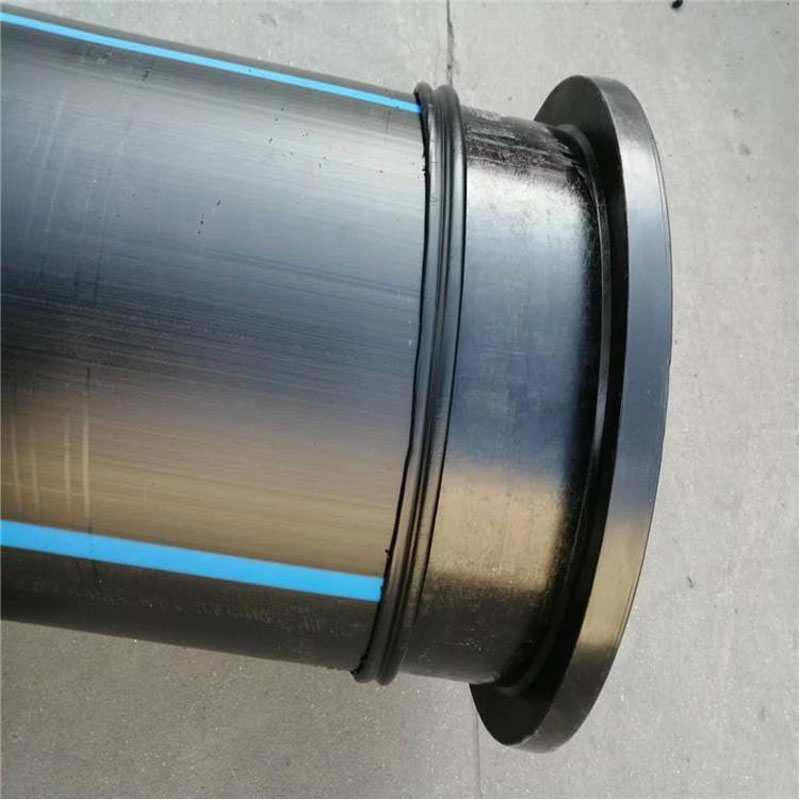
Unplasticized Polyvinyl Chloride (uPVC) column pipes represent a significant advancement in structural support systems across various industries, including agriculture, construction, and water management. These pipes are utilized for vertical load-bearing applications, providing a cost-effective and durable alternative to traditional materials like steel or concrete. The price of uPVC column pipes is dictated by factors encompassing raw material costs (PVC resin, additives), manufacturing complexity (extrusion profile, reinforcement techniques), pipe diameter, wall thickness, length, and order volume. Their function within the industry chain lies between raw material production and on-site structural implementation. Core performance characteristics include high compressive strength, resistance to corrosion, lightweight properties facilitating easier installation, and long-term durability minimizing maintenance requirements. Understanding these aspects is critical for procurement managers and engineers seeking reliable and economical solutions for columnar support.
Material Science & Manufacturing
The primary raw material for uPVC column pipes is polyvinyl chloride (PVC) resin, a thermoplastic polymer produced through the polymerization of vinyl chloride monomer. To enhance mechanical properties and processability, various additives are incorporated, including stabilizers (to prevent degradation from heat and UV exposure – typically organotin compounds or calcium-zinc stabilizers), lubricants (to facilitate extrusion – stearic acid, paraffin waxes), impact modifiers (to increase toughness – chlorinated polyethylene or acrylic polymers), and fillers (to reduce cost and improve stiffness – calcium carbonate). The manufacturing process typically involves extrusion. PVC compound is fed into a twin-screw extruder, where it is heated, melted, and homogenized. The molten PVC is then forced through a die of the desired column pipe profile. Key parameters during extrusion include die temperature (180-220°C), screw speed (30-60 rpm), and puller speed (calibrated to maintain dimensional accuracy). Reinforcement techniques, such as incorporating steel rods or fiberglass composites within the pipe wall, are common to enhance axial load-bearing capacity. Cooling is critical; pipes are passed through a water bath to solidify the PVC and maintain shape. Quality control measures throughout the process include dimensional checks, hydrostatic pressure testing, and impact resistance assessments. The chemical compatibility of uPVC with various soil types and agricultural chemicals is also a key consideration; prolonged exposure to certain aggressive compounds can lead to degradation.

Performance & Engineering
The performance of uPVC column pipes is governed by principles of structural mechanics and material science. Force analysis focuses on compressive strength, buckling resistance, and deflection under load. The Euler buckling formula (Pcr = π²EI/L²) is applicable, where Pcr is the critical buckling load, E is the modulus of elasticity of uPVC (approximately 3-4 GPa), I is the area moment of inertia of the pipe cross-section, and L is the effective length of the column. Environmental resistance is crucial; uPVC exhibits good resistance to most chemicals but can be susceptible to degradation from prolonged UV exposure (leading to embrittlement) and certain organic solvents. Therefore, UV stabilizers are vital. Compliance requirements vary by region, often adhering to standards related to building codes and agricultural infrastructure. For instance, agricultural applications may require pipes to withstand specific soil pressures and chemical exposures. Functional implementation necessitates careful consideration of jointing methods; solvent welding is commonly employed, creating a fused joint that maintains structural integrity. Mechanical couplings offer ease of assembly but may compromise load-bearing capacity if not properly engineered. The impact of temperature fluctuations on pipe dimensions (thermal expansion/contraction) must also be accounted for during installation to prevent stress buildup. The long-term creep resistance of uPVC is also a vital performance metric as sustained loads can lead to slow deformation over time.
Technical Specifications
| Parameter | Unit | Standard Specification (Typical) | Tolerance |
|---|---|---|---|
| Outside Diameter | mm | 110, 125, 160, 200 | ±0.5 |
| Wall Thickness | mm | 3.2, 4.0, 5.0 | ±0.2 |
| Length | m | 4, 6, 12 | ±0.1 |
| Compressive Strength | MPa | 60-80 | ±5 |
| Impact Strength (Charpy) | kJ/m² | 5-10 | ±0.5 |
| Hydrostatic Pressure Test | MPa | 1.0 | N/A (Pass/Fail) |
Failure Mode & Maintenance
uPVC column pipes, while durable, are susceptible to several failure modes. Fatigue cracking can occur under cyclic loading, particularly at stress concentration points (e.g., joints, impact zones). Delamination can occur in reinforced pipes if the bond between the PVC matrix and the reinforcement material is compromised due to poor adhesion or environmental factors. Degradation from UV exposure leads to embrittlement and reduced impact resistance, manifesting as surface cracking and chalking. Oxidation, accelerated by high temperatures, can alter the chemical composition of the PVC, reducing its mechanical properties. Creep, as previously mentioned, results in slow, sustained deformation under constant load. Proper maintenance involves regular visual inspections for cracks, deformation, or discoloration. UV protection measures, such as applying UV-resistant coatings or shading the pipes, can significantly extend their service life. Joints should be inspected for leaks or signs of separation. If damage is detected, localized repairs using compatible PVC adhesives may be possible, but extensive damage typically necessitates pipe replacement. Avoid exposing uPVC pipes to aggressive chemicals that are not compatible with PVC; consult a chemical resistance chart before use. Correct installation procedures, including proper support spacing and avoiding over-tightening of fittings, are paramount to prevent premature failure.
Industry FAQ
Q: What is the expected service life of a uPVC column pipe in a typical agricultural application?
A: The expected service life varies depending on environmental conditions and load levels, but a properly installed and maintained uPVC column pipe can typically last 20-30 years in agricultural applications. UV exposure, soil chemistry, and mechanical stress are the primary factors influencing longevity.
Q: How does temperature affect the load-bearing capacity of uPVC pipes?
A: Higher temperatures reduce the modulus of elasticity of uPVC, leading to increased deflection under load. Conversely, lower temperatures increase stiffness but also make the material more brittle. Design calculations should incorporate temperature derating factors to account for these effects.
Q: What is the advantage of using reinforced uPVC pipes over standard uPVC pipes?
A: Reinforced uPVC pipes offer significantly higher axial load-bearing capacity and improved buckling resistance compared to standard pipes. This is critical for applications requiring greater structural support, such as taller columns or those subjected to heavy loads.
Q: What are the common jointing methods for uPVC column pipes and what are their respective advantages and disadvantages?
A: Solvent welding provides a strong, permanent, and watertight joint but requires careful surface preparation and proper application technique. Mechanical couplings are easier to install and allow for disassembly, but may have lower load-bearing capacity and are more prone to leaks if not properly tightened.
Q: What is the impact of soil pH on the long-term performance of buried uPVC column pipes?
A: Highly acidic or alkaline soils can accelerate the degradation of uPVC over time. While uPVC is generally resistant to corrosion, prolonged exposure to extreme pH levels can lead to embrittlement and cracking. Soil analysis and protective coatings are recommended in such environments.
Conclusion
uPVC column pipes offer a compelling combination of cost-effectiveness, durability, and ease of installation, making them a preferred choice for a wide range of structural support applications. The material’s inherent resistance to corrosion and its lightweight nature contribute to lower maintenance costs and prolonged service life. However, a thorough understanding of its mechanical properties, environmental limitations, and potential failure modes is crucial for successful implementation. Careful consideration of factors like load analysis, temperature effects, soil conditions, and proper jointing techniques are essential for maximizing performance and ensuring long-term structural integrity.
Future advancements in uPVC formulation, including the incorporation of novel additives and reinforcement materials, are likely to further enhance its mechanical properties and expand its application range. The continued development of standardized testing methods and design guidelines will also contribute to greater confidence in its reliability and performance. As the demand for sustainable and cost-effective infrastructure solutions grows, uPVC column pipes are poised to play an increasingly important role in shaping the future of construction and agricultural engineering.
-
DN25 HDPE Compression Fitting-HORON INTERNATIONAL|Reliable Irrigation Solutions
NewsFeb.11,2026
-
hdpe coupling joint product Manufacturing Analysis
News2026-11-18
-
ppr pipe heating time products Performance Analysis
News2026-11-16
-
hdpe pipe sizes factory Performance Analysis
News2026-11-09
-
HDPE Pipe Sizes Service Performance Analysis
News2026-10-26
-
wholesale 15mm ppr pipe Material Science and Performance Analysis
News2026-10-20
-
wholesale pvc pipe price per foot Technical Analysis
News2026-09-21
-
wholesale long pvc pipe Technical Analysis and Manufacturing Specifications
News2026-09-15
-
wholesale plumbing kitchen sink water lines Material Performance
News2026-09-15
-
wholesale hdpe drip irrigation Material Science
News2026-09-15
-
wholesale hot water ppr pipe Performance Analysis
News2026-09-15
-
wholesale ppr plumbing Performance Analysis
News2026-09-15
-
wholesale ppr pipe supplier Performance Analysis
News2026-09-13
-
wholesale 50mm ppr pipe Performance Analysis
News2026-09-13
-
wholesale hdpe drip pipe Performance Analysis
News2026-09-13
-
wholesale hdpe pipe 63mm price Manufacturing Specification and Performance Analysis
News2026-09-13