

Feb . 11, 2026 00:01 Back to list
upvc column pipe price factories Performance Analysis
Introduction
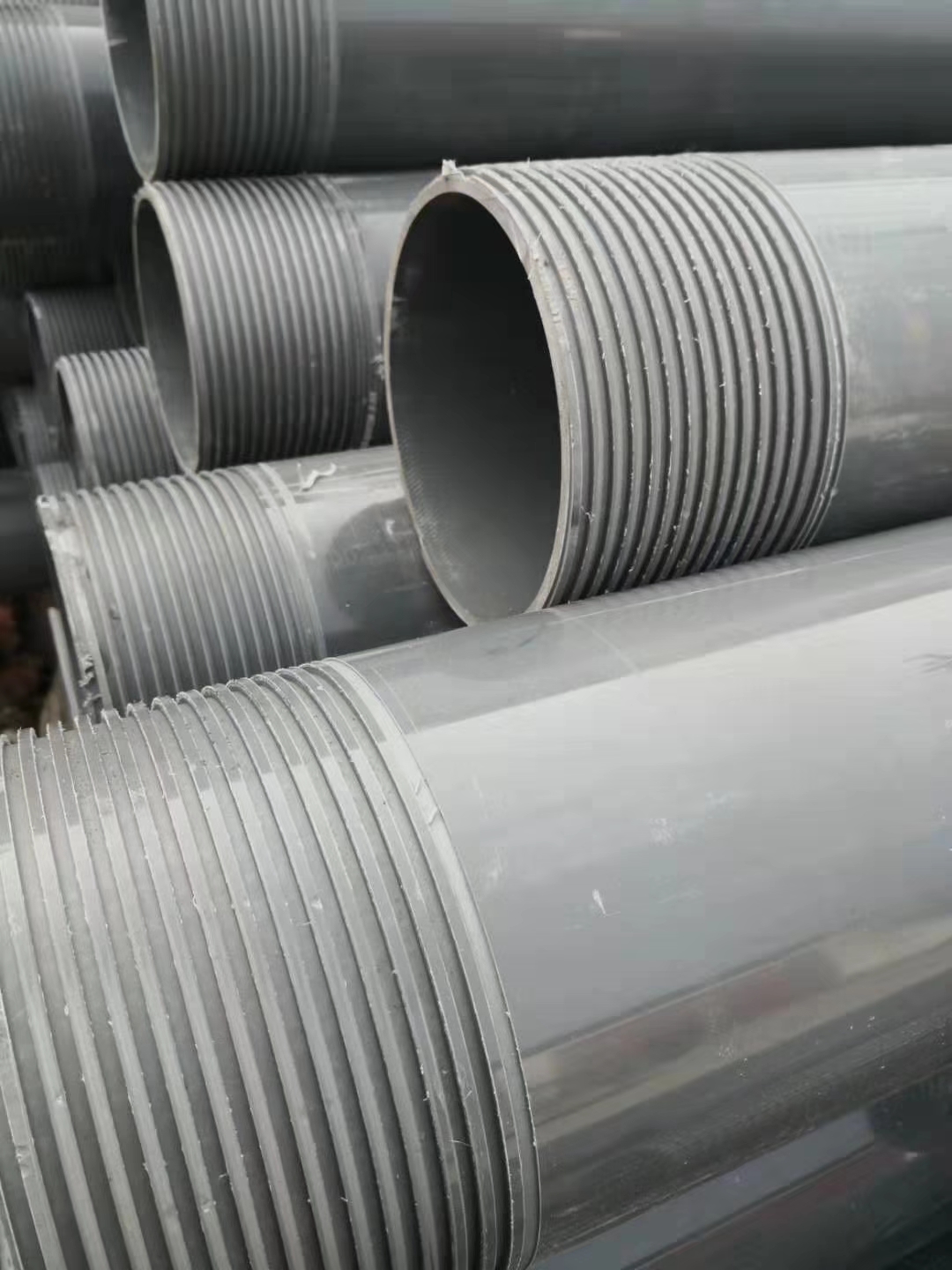
Unplasticized Polyvinyl Chloride (UPVC) column pipes are engineered structural elements used extensively in building construction, infrastructure projects, and industrial applications. Their primary function is to provide non-load-bearing vertical support, often encasing electrical wiring, plumbing lines, or serving as decorative features. The manufacturing sector surrounding UPVC column pipe price factories is characterized by a focus on dimensional accuracy, material formulation optimization, and adherence to rigorous building codes. This guide provides a comprehensive technical overview of UPVC column pipe technology, encompassing material science, manufacturing processes, performance characteristics, failure modes, and relevant industry standards. The price competitiveness of these factories hinges on efficient extrusion processes, raw material sourcing, and volume production capabilities. A critical pain point for procurement managers is ensuring consistent quality and long-term durability, particularly in challenging environmental conditions.
Material Science & Manufacturing
UPVC column pipes are primarily composed of polyvinyl chloride resin, modified with stabilizers, lubricants, and impact modifiers. The PVC resin itself is a thermoplastic polymer synthesized from vinyl chloride monomer (VCM). Key material properties include high tensile strength (typically 50-70 MPa), good chemical resistance, and inherent flame retardancy. Formulations vary depending on the intended application, with adjustments to the percentage of plasticizers (to influence flexibility) and impact modifiers (to enhance toughness). Stabilizers, commonly based on tin or calcium-zinc compounds, prevent thermal degradation during processing and extend the lifespan of the pipe. The manufacturing process typically involves extrusion. PVC compound is fed into a twin-screw extruder, where it’s heated and homogenized. The molten PVC is then forced through a die that shapes it into the desired column profile. Critical parameters include extrusion temperature (180-220°C), screw speed, and die pressure. Cooling is achieved using a water bath, followed by precise cutting to length. Quality control at this stage focuses on dimensional tolerances (diameter, wall thickness, squareness) and visual inspection for surface defects. The consistency of the raw material blend is crucial; variations can lead to inconsistent mechanical properties and reduced pipe performance. Post-extrusion processes can include surface finishing (e.g., painting, lamination) and the addition of end caps or fittings.
Performance & Engineering
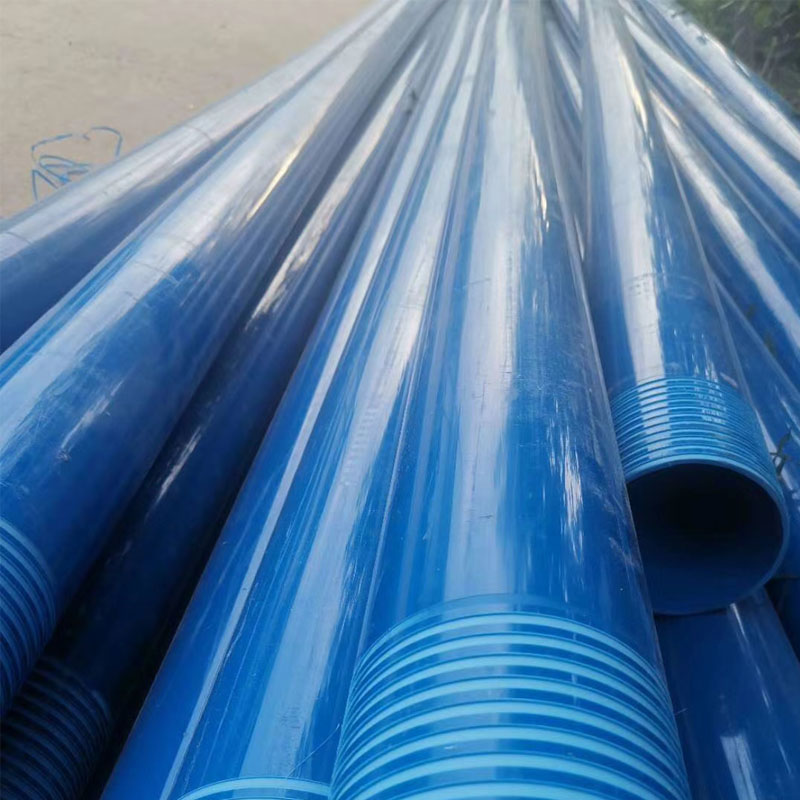
The performance of UPVC column pipes is dictated by their load-bearing capacity (primarily compressive strength), resistance to environmental factors (UV exposure, temperature fluctuations, moisture), and long-term durability. Structural analysis, based on Euler’s buckling formula, determines the maximum permissible axial load for a given pipe diameter, wall thickness, and effective length. The Modulus of Elasticity for UPVC (approximately 3-4 GPa) is a critical input to these calculations. Environmental resistance is paramount. Prolonged UV exposure can cause embrittlement and discoloration, necessitating the incorporation of UV stabilizers into the PVC formulation. Temperature fluctuations induce thermal expansion and contraction, which must be accounted for in the design to prevent stress cracking. Moisture ingress can lead to hydrolysis of the PVC, reducing its mechanical properties over time. Proper sealing of joints and end caps is essential. Compliance with building codes (e.g., IBC, local regulations) is non-negotiable. These codes specify requirements for fire resistance, load capacity, and dimensional tolerances. Furthermore, the design must consider potential impact loads, such as accidental collisions. Finite Element Analysis (FEA) is increasingly used to simulate the structural behavior of UPVC column pipes under various loading scenarios, optimizing their design for specific applications.
Technical Specifications
| Parameter | Unit | Typical Value | Testing Standard |
|---|---|---|---|
| Outside Diameter | mm | 100, 125, 150, 200 | GB/T 10004.3 |
| Wall Thickness | mm | 2.5, 3.0, 3.5, 4.0 | GB/T 10004.3 |
| Tensile Strength | MPa | 55-70 | GB/T 1043.1 |
| Impact Strength (Charpy) | kJ/m2 | 5-10 (depending on formulation) | GB/T 18742 |
| Water Absorption | % | <0.5 | GB/T 1039 |
| Heat Deflection Temperature | °C | 75-80 | GB/T 8803 |
Failure Mode & Maintenance
UPVC column pipes are susceptible to several failure modes. Embrittlement due to UV exposure leads to cracking and reduced impact resistance. Thermal deformation can occur if the pipes are subjected to excessive temperature variations without adequate provision for expansion and contraction. Hydrolytic degradation occurs over extended periods of exposure to moisture, causing a reduction in tensile strength and impact resistance. Creep deformation can occur under sustained load, leading to gradual bending or distortion. Impact damage from accidental collisions can cause cracking or complete failure. Joint failure is common if joints are not properly sealed or if the adhesive deteriorates over time. Maintenance should include regular visual inspections for cracks, discoloration, or deformation. UV-protective coatings should be reapplied periodically to mitigate embrittlement. Joints should be inspected for leaks and resealed as necessary. Avoid subjecting the pipes to excessive loads or impacts. For pipes located in harsh environments, consider using thicker-walled pipes or pipes with enhanced UV stabilization. In cases of significant damage, replacement is generally recommended rather than attempting repair.
Industry FAQ
Q: What is the primary difference between Schedule 40 and Schedule 80 UPVC column pipes in terms of suitability for load-bearing applications?
A: Schedule 80 pipes have a thicker wall thickness compared to Schedule 40 pipes. This increased wall thickness translates directly to a higher section modulus and therefore a significantly greater resistance to bending and buckling under axial load. Schedule 80 is preferred for applications requiring higher structural integrity or supporting heavier loads.
Q: How does the type of stabilizer used in the UPVC formulation affect the long-term performance of the pipe, particularly concerning discoloration and brittleness?
A: The stabilizer plays a critical role in preventing thermal degradation of the PVC. Tin-based stabilizers were historically common but are now being replaced by calcium-zinc stabilizers due to environmental concerns. Calcium-zinc stabilizers offer good thermal stability and UV resistance but may exhibit a slight yellowing over time. The quality and concentration of the stabilizer directly impact the pipe's resistance to discoloration and embrittlement.
Q: What are the key considerations when selecting an adhesive for joining UPVC column pipes, and what are the potential failure modes associated with improper adhesive selection?
A: The adhesive must be specifically formulated for bonding PVC. Compatibility, shear strength, and resistance to environmental factors (moisture, temperature) are crucial considerations. Epoxy-based adhesives and specialized PVC cements are commonly used. Improper adhesive selection can lead to bond failure due to insufficient adhesion, solvent degradation of the PVC, or poor resistance to stress cracking.
Q: What is the impact of temperature fluctuations on UPVC column pipes, and what design strategies can be employed to mitigate the risks associated with thermal expansion and contraction?
A: UPVC exhibits a relatively high coefficient of thermal expansion. Temperature fluctuations induce stresses within the pipe and at joints. Design strategies include incorporating expansion loops, providing sufficient clearance at joints, and using flexible couplings. Avoid rigidly fixing the pipes, allowing them to expand and contract freely.
Q: How do different UV stabilization additives compare in terms of effectiveness and longevity, and what is the recommended frequency for reapplication of UV protective coatings?
A: Common UV stabilizers include hindered amine light stabilizers (HALS) and carbon black. HALS provide long-term protection by scavenging free radicals formed by UV radiation. Carbon black offers excellent UV protection but can impart a dark color. The longevity of UV protection varies depending on the additive concentration, exposure conditions, and coating quality. Reapplication of UV protective coatings is recommended every 3-5 years, depending on the severity of the UV exposure.
Conclusion
UPVC column pipes represent a cost-effective and durable solution for non-load-bearing vertical support in a wide range of applications. Understanding the material science, manufacturing processes, and performance characteristics of these pipes is crucial for ensuring long-term reliability and compliance with industry standards. Careful consideration must be given to environmental factors, load-bearing capacity, and proper installation techniques to mitigate potential failure modes.
The competitiveness of UPVC column pipe price factories is driven by efficient production, quality control, and adherence to evolving industry regulations. Future developments may focus on incorporating recycled PVC materials, enhancing UV stabilization technologies, and developing more sustainable manufacturing processes. A thorough understanding of these technical aspects will enable procurement managers and engineers to make informed decisions and optimize the performance of their projects.
-
DN25 HDPE Compression Fitting-HORON INTERNATIONAL|Reliable Irrigation Solutions
NewsFeb.11,2026
-
hdpe coupling joint product Manufacturing Analysis
News2026-11-18
-
ppr pipe heating time products Performance Analysis
News2026-11-16
-
hdpe pipe sizes factory Performance Analysis
News2026-11-09
-
HDPE Pipe Sizes Service Performance Analysis
News2026-10-26
-
wholesale 15mm ppr pipe Material Science and Performance Analysis
News2026-10-20
-
wholesale pvc pipe price per foot Technical Analysis
News2026-09-21
-
wholesale long pvc pipe Technical Analysis and Manufacturing Specifications
News2026-09-15
-
wholesale plumbing kitchen sink water lines Material Performance
News2026-09-15
-
wholesale hdpe drip irrigation Material Science
News2026-09-15
-
wholesale hot water ppr pipe Performance Analysis
News2026-09-15
-
wholesale ppr plumbing Performance Analysis
News2026-09-15
-
wholesale ppr pipe supplier Performance Analysis
News2026-09-13
-
wholesale 50mm ppr pipe Performance Analysis
News2026-09-13
-
wholesale hdpe drip pipe Performance Analysis
News2026-09-13
-
wholesale hdpe pipe 63mm price Manufacturing Specification and Performance Analysis
News2026-09-13