

Feb . 11, 2026 00:01 Back to list
types of pipes pvc service Performance Analysis
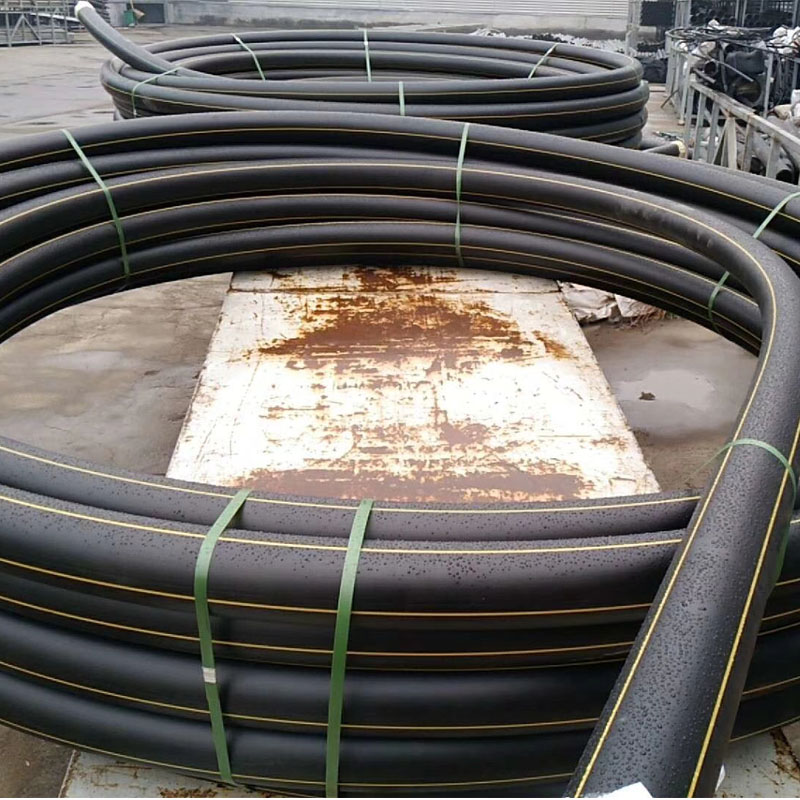
Introduction
Polyvinyl Chloride (PVC) service pipes represent a cornerstone of modern fluid conveyance systems, encompassing potable water distribution, irrigation, drainage, and specific industrial applications. Unlike metallic piping, PVC offers a corrosion-resistant alternative, dramatically reducing long-term maintenance costs and extending operational lifespan. The industry categorizes PVC service pipes based on pressure rating (Schedule 40, Schedule 80), compound formulation (rigid, flexible), and intended application. PVC pipes’ increasing adoption stems from their cost-effectiveness, ease of installation via solvent welding or threading, and compliance with stringent health and safety standards. A critical pain point in the industry revolves around proper installation techniques to prevent joint failures, long-term degradation due to UV exposure, and the selection of appropriate PVC compounds for specific chemical environments. This guide provides a comprehensive analysis of PVC service pipes, covering material science, manufacturing processes, performance characteristics, failure modes, and relevant industry standards.
Material Science & Manufacturing
PVC is a thermoplastic polymer synthesized from vinyl chloride monomer (VCM). The raw material, ethylene dichloride (EDC), is produced via direct chlorination of ethylene or oxychlorination. EDC is then cracked to produce VCM, which undergoes polymerization. PVC's properties are significantly influenced by additives, including plasticizers (for flexible PVC), stabilizers (to prevent degradation during processing and use), lubricants (to aid processing), and pigments. Rigid PVC, commonly used for pressure pipes, typically contains limited plasticizers, achieving strength and rigidity through inherent polymer structure and additives like impact modifiers.
Manufacturing processes vary depending on the pipe’s specifications. Extrusion is the predominant method, where PVC compound is melted and forced through a die to create a continuous pipe profile. Critical parameters during extrusion include die temperature, screw speed, and puller speed, which directly affect pipe dimensions, wall thickness uniformity, and material density. Solvent welding, a common joining method, relies on a chemical reaction between the PVC pipe and a PVC cement, creating a homogenous weld. Proper surface preparation and adequate curing time are crucial for achieving a leak-proof joint. Injection molding is used for fittings and short pipe sections. Quality control during manufacturing involves rigorous testing for dimensional accuracy, hydrostatic pressure resistance, impact strength, and chemical resistance, conforming to established standards like ASTM D1785 for rigid PVC pipe.
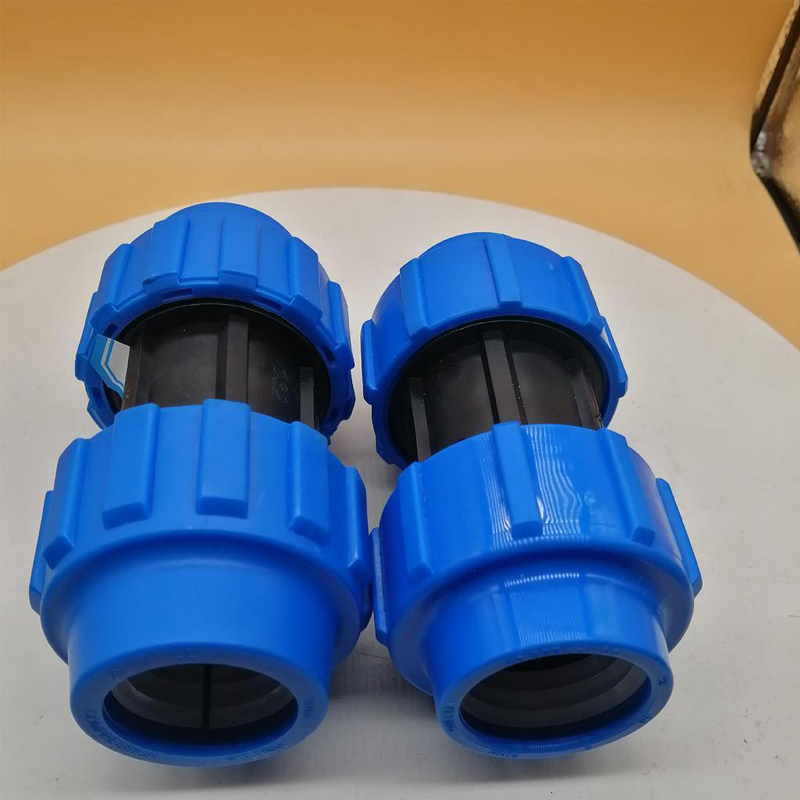
Performance & Engineering
The performance of PVC service pipes is dictated by several engineering considerations. Hydrostatic pressure rating, determined through burst and sustained pressure testing (ASTM D1597), is a critical factor, defining the maximum allowable operating pressure. The pipe wall thickness and material grade directly correlate with pressure capacity. Soil loading and external pressures, particularly in buried applications, must be accounted for through appropriate burial depth and bedding materials to prevent pipe collapse. PVC exhibits relatively low tensile strength compared to metals, necessitating careful consideration of stress concentrations at joints and fittings. Thermal expansion and contraction are also significant, requiring expansion loops or flexible couplings in long pipe runs to mitigate stress.
Chemical resistance is a key advantage of PVC. However, prolonged exposure to certain solvents, hydrocarbons, and aggressive chemicals can cause swelling, softening, or cracking. Selection of the appropriate PVC compound (e.g., chlorinated PVC - CPVC - for higher temperature applications) is crucial. UV degradation is a concern for above-ground applications, necessitating the use of UV stabilizers in the PVC formulation or protective coatings. Long-term creep resistance, the tendency of the material to deform under sustained stress, must also be considered in critical applications. Compliance with local plumbing codes and building regulations is mandatory, dictating material specifications, installation procedures, and testing requirements.
Technical Specifications
| Parameter | Schedule 40 PVC | Schedule 80 PVC | CPVC (Chlorinated PVC) |
|---|---|---|---|
| Pressure Rating (psi) | 200 @ 73°F | 600 @ 73°F | 400 @ 180°F |
| Temperature Range (°F) | -40 to 140 | -40 to 140 | -40 to 200 |
| Tensile Strength (psi) | 6,000 - 8,000 | 6,500 - 9,000 | 7,500 - 10,000 |
| Impact Strength (Izod Notched, ft-lb/in) | 0.5 - 1.0 | 1.0 - 1.5 | 1.5 - 2.5 |
| Modulus of Elasticity (psi) | 300,000 - 400,000 | 350,000 - 450,000 | 400,000 - 500,000 |
| Water Absorption (%) | <0.1 | <0.1 | <0.1 |
Failure Mode & Maintenance
PVC service pipes are susceptible to several failure modes. Hydrostatic rupture occurs when the operating pressure exceeds the pipe’s pressure rating, often due to water hammer or surge pressure. Long-term creep can lead to slow deformation and eventual failure, particularly under sustained stress. Solvent welding failures are common, resulting from inadequate surface preparation, improper cement application, or insufficient curing time. UV degradation causes embrittlement and cracking in exposed pipes. Chemical attack can lead to swelling, softening, or dissolution of the PVC material. Soil-induced cracking can occur due to ground movement, expansive soils, or external loading.
Preventative maintenance includes regular inspections for leaks, cracks, and signs of degradation. Proper jointing procedures, using appropriate solvents and ensuring adequate curing time, are essential. UV protection, such as painting or using UV-stabilized compounds, is recommended for above-ground applications. Backfilling trenches with appropriate bedding materials helps prevent soil-induced stress. Water hammer arrestors should be installed in systems prone to pressure surges. In the event of a leak, the damaged section of pipe should be replaced, ensuring proper solvent welding or threading of the new section. Avoid using abrasive cleaners or solvents that can damage the PVC material. Regular pressure testing can help identify potential weaknesses before catastrophic failure occurs.
Industry FAQ
Q: What is the difference between Schedule 40 and Schedule 80 PVC pipe, and when should each be used?
A: Schedule 40 and Schedule 80 refer to the pipe wall thickness. Schedule 80 has a thicker wall than Schedule 40, resulting in a higher pressure rating and greater resistance to impact. Schedule 40 is generally suitable for lower-pressure applications like residential water supply, while Schedule 80 is preferred for higher-pressure applications like industrial processes and main water lines.
Q: How can I prevent solvent welding failures?
A: Proper surface preparation is paramount. Clean and dry the pipe and fitting surfaces thoroughly, removing any dirt, grease, or moisture. Use a primer to soften the PVC surfaces before applying the cement. Apply a liberal, even coat of cement to both surfaces and immediately join the pipe and fitting with a slight twisting motion. Hold the joint firmly for at least 30 seconds to allow the cement to set. Ensure adequate ventilation during application.
Q: Is PVC pipe suitable for hot water applications?
A: Standard PVC is not recommended for hot water exceeding 140°F. Prolonged exposure to higher temperatures can cause softening and failure. CPVC (Chlorinated PVC) is specifically formulated to withstand higher temperatures, up to 200°F, and is the preferred material for hot water distribution systems.
Q: How does UV exposure affect PVC pipe, and what can be done to mitigate it?
A: UV exposure causes PVC to degrade, leading to embrittlement and cracking. To mitigate UV damage, use UV-stabilized PVC compounds, paint the pipe with a reflective coating, or bury the pipe underground. Avoid prolonged direct sunlight exposure whenever possible.
Q: What are the common causes of leaks at PVC pipe joints?
A: Common causes include improper solvent welding (insufficient cement, inadequate surface preparation, improper alignment), damage during handling or installation, soil movement causing stress on the joint, and thermal expansion/contraction creating stress. Regular inspection and proper installation techniques are crucial for preventing leaks.
Conclusion
PVC service pipes represent a versatile and cost-effective solution for fluid conveyance in diverse applications. Understanding the material science, manufacturing processes, and performance characteristics of PVC is crucial for selecting the appropriate pipe for a given application and ensuring long-term reliability. Proper installation techniques, including careful jointing procedures and UV protection, are essential for preventing failures.
Future trends in PVC pipe technology include the development of more sustainable formulations, incorporating recycled materials and bio-based polymers, and the advancement of smart pipe systems with integrated sensors for leak detection and performance monitoring. Continued adherence to industry standards and best practices will be critical for maintaining the integrity and longevity of PVC piping infrastructure.
-
DN25 HDPE Compression Fitting-HORON INTERNATIONAL|Reliable Irrigation Solutions
NewsFeb.11,2026
-
hdpe coupling joint product Manufacturing Analysis
News2026-11-18
-
ppr pipe heating time products Performance Analysis
News2026-11-16
-
hdpe pipe sizes factory Performance Analysis
News2026-11-09
-
HDPE Pipe Sizes Service Performance Analysis
News2026-10-26
-
wholesale 15mm ppr pipe Material Science and Performance Analysis
News2026-10-20
-
wholesale pvc pipe price per foot Technical Analysis
News2026-09-21
-
wholesale long pvc pipe Technical Analysis and Manufacturing Specifications
News2026-09-15
-
wholesale plumbing kitchen sink water lines Material Performance
News2026-09-15
-
wholesale hdpe drip irrigation Material Science
News2026-09-15
-
wholesale hot water ppr pipe Performance Analysis
News2026-09-15
-
wholesale ppr plumbing Performance Analysis
News2026-09-15
-
wholesale ppr pipe supplier Performance Analysis
News2026-09-13
-
wholesale 50mm ppr pipe Performance Analysis
News2026-09-13
-
wholesale hdpe drip pipe Performance Analysis
News2026-09-13
-
wholesale hdpe pipe 63mm price Manufacturing Specification and Performance Analysis
News2026-09-13