

Feb . 11, 2026 00:01 Back to list
types of pipes pvc factory Performance Analysis

Introduction
Polyvinyl chloride (PVC) pipes represent a significant segment of the global piping industry, utilized extensively in municipal water distribution, irrigation, industrial fluid conveyance, and drainage systems. Their prominence stems from a combination of cost-effectiveness, corrosion resistance, and relative ease of installation. This technical guide provides a comprehensive overview of PVC pipe types, encompassing material science, manufacturing processes, performance characteristics, failure modes, and relevant industry standards. Understanding the nuances of PVC pipe selection is crucial for engineers and procurement managers to ensure long-term system reliability and minimize lifecycle costs. The industry faces challenges related to plasticizer migration, temperature sensitivity, and evolving regulatory requirements regarding material composition and environmental impact, driving innovation in PVC formulations and manufacturing techniques. This guide addresses these concerns, providing a resource for informed decision-making.
Material Science & Manufacturing
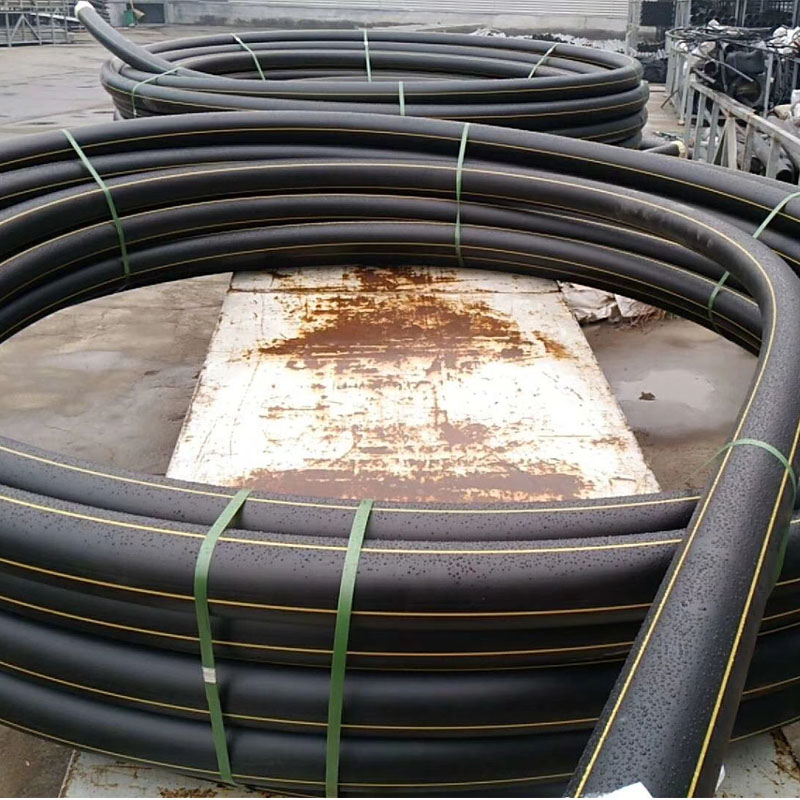
PVC is a thermoplastic polymer produced through the polymerization of vinyl chloride monomer (VCM). The resulting PVC resin is inherently rigid and brittle. Therefore, plasticizers, such as phthalates or more recently, bio-based alternatives, are commonly added to enhance flexibility and impact resistance. Different PVC formulations result in varying pipe classifications, primarily Schedule 40, Schedule 80, and CPVC. Schedule 40 offers a balance of pressure rating and cost, suitable for residential and light commercial applications. Schedule 80 provides increased wall thickness and higher pressure resistance, ideal for industrial and hazardous material handling. Chlorinated Polyvinyl Chloride (CPVC) utilizes a post-chlorination process, increasing the chlorine content and significantly elevating its temperature resistance. The manufacturing of PVC pipes typically involves extrusion. PVC resin, plasticizers, stabilizers (to prevent degradation from UV exposure and heat), lubricants, and pigments are compounded, melted, and forced through a die to create a continuous pipe profile. Key parameters during extrusion include die temperature, screw speed, and cooling rate, all critical in determining pipe dimensions, wall thickness uniformity, and material properties. Proper control of these parameters is vital to avoid defects such as ovality, warping, and surface imperfections. Post-extrusion, pipes are cut to length, marked, and subjected to quality control testing.
Performance & Engineering
The performance of PVC pipes is governed by several engineering principles. Hydrostatic pressure testing, as per ASTM D1595, is crucial to verify the pipe’s ability to withstand internal pressure. The Hazen-Williams equation is frequently employed to calculate frictional head loss within PVC piping systems, a critical consideration in pump selection and system design. Tensile strength, measured according to ASTM D887, determines the pipe’s resistance to breakage under load. Impact resistance, evaluated by ASTM D2444, assesses the ability of the pipe to withstand sudden impacts, especially relevant in underground installations. Soil loading calculations, considering pipe burial depth and soil type, are vital for preventing pipe collapse. PVC's coefficient of thermal expansion is relatively high, necessitating the incorporation of expansion joints in long runs to accommodate temperature fluctuations and prevent stress cracking. Chemical compatibility is also paramount. While PVC exhibits excellent resistance to many acids and bases, it is susceptible to degradation by certain solvents and hydrocarbons. CPVC expands this compatibility significantly. Environmental resistance must also be considered; prolonged UV exposure can cause discoloration and embrittlement, requiring UV stabilizers in the formulation or protective coatings.
Technical Specifications
| Pipe Schedule | Typical Operating Pressure (PSI) | Temperature Range (°C) | Outside Diameter (inches) |
|---|---|---|---|
| Schedule 40 | Up to 300 | -40 to 60 | 0.5 to 12 |
| Schedule 80 | Up to 600 | -40 to 60 | 0.5 to 12 |
| CPVC Schedule 80 | Up to 400 | -40 to 93 | 0.5 to 12 |
| PVC Type I Grade 1 | Up to 200 | -40 to 60 | 0.5 to 24 |
| CPVC CTS | Up to 300 | -40 to 93 | 0.5 to 4 |
| PVC DWV | Up to 50 (non-pressure) | -40 to 60 | 1.25 to 12 |
Failure Mode & Maintenance
PVC pipes are susceptible to several failure modes. Long-term hydrostatic stress can lead to slow crack propagation (SCP), particularly in environments with residual stresses and trace contaminants. Plasticizer migration, especially with older formulations, can cause the pipe to become brittle over time. UV degradation results in surface cracking and loss of impact resistance. Chemical attack from incompatible substances can cause swelling, softening, and eventual failure. Mechanical damage during installation or operation, such as puncture or crushing, is also a common cause of failure. Fatigue cracking can occur in systems subject to repeated pressure cycles. Maintenance primarily involves regular visual inspections to identify signs of cracking, discoloration, or deformation. Proper backfilling procedures are crucial to prevent mechanical damage. Avoiding the use of incompatible solvents or cleaning agents is essential. For SCP mitigation, stress relieving techniques and the use of high-quality PVC formulations with improved resistance to slow crack growth are recommended. Joint integrity should be periodically inspected, and leaking joints should be repaired or replaced promptly. Pressure testing can identify hidden leaks.
Industry FAQ
Q: What is the impact of plasticizer type on the long-term performance of PVC pipes?
A: The type of plasticizer significantly influences long-term performance. Phthalate plasticizers, while cost-effective, are prone to migration, leading to embrittlement. Newer alternatives, such as bio-based plasticizers and polymeric plasticizers, exhibit lower migration rates and improved durability, but often at a higher cost. Choosing a pipe with a stable plasticizer formulation is crucial for applications requiring extended service life.
Q: How does soil corrosivity affect PVC pipe longevity?
A: While PVC is inherently corrosion-resistant, highly corrosive soils can accelerate degradation. Sulfate attack and acidic soils can leach calcium from the PVC, weakening the pipe wall. Proper bedding and backfilling with non-corrosive materials are essential. Consideration should be given to using protective coatings or cathodic protection in extremely aggressive soil environments.
Q: What are the limitations of CPVC compared to other piping materials, such as stainless steel?
A: CPVC offers excellent corrosion resistance and temperature resistance but has lower tensile strength and pressure ratings compared to stainless steel. It is also susceptible to certain chlorinated solvents and is more expensive than standard PVC. Stainless steel is preferable for applications requiring extremely high pressures, temperatures, or resistance to aggressive chemicals.
Q: What is the recommended procedure for joining PVC pipes and ensuring leak-proof connections?
A: The recommended method for joining PVC pipes is solvent cementing. Proper surface preparation, including cleaning and priming, is critical. The correct solvent cement formulation must be used, compatible with the PVC pipe and fitting materials. Sufficient cement application and proper curing time are essential for achieving a watertight seal. Mechanical joints are also available but require careful installation and torque control.
Q: How do variations in water hammer pressure impact the lifespan of a PVC piping system?
A: Water hammer, or pressure surges, can significantly reduce the lifespan of a PVC system. Repeated pressure spikes create stress concentrations and can lead to fatigue cracking. Installing surge arrestors or pressure relief valves can mitigate water hammer effects. Additionally, properly anchoring the piping system and minimizing flow velocity can help reduce the risk of pressure surges.
Conclusion
PVC pipes represent a versatile and cost-effective solution for a wide range of fluid conveyance applications. The selection of the appropriate PVC formulation (Schedule 40, Schedule 80, or CPVC) and adherence to proper installation and maintenance procedures are critical to ensuring long-term system reliability. Understanding the potential failure modes, such as slow crack propagation, UV degradation, and chemical attack, allows for proactive mitigation strategies.
Ongoing advancements in PVC resin technology and plasticizer formulations are continuously improving the performance and sustainability of PVC piping systems. Future trends include the development of more environmentally friendly plasticizers, enhanced resistance to SCP, and improved UV stabilization. Continued adherence to industry standards and best practices will be essential to maximizing the lifespan and minimizing the environmental impact of PVC infrastructure.
-
DN25 HDPE Compression Fitting-HORON INTERNATIONAL|Reliable Irrigation Solutions
NewsFeb.11,2026
-
hdpe coupling joint product Manufacturing Analysis
News2026-11-18
-
ppr pipe heating time products Performance Analysis
News2026-11-16
-
hdpe pipe sizes factory Performance Analysis
News2026-11-09
-
HDPE Pipe Sizes Service Performance Analysis
News2026-10-26
-
wholesale 15mm ppr pipe Material Science and Performance Analysis
News2026-10-20
-
wholesale pvc pipe price per foot Technical Analysis
News2026-09-21
-
wholesale long pvc pipe Technical Analysis and Manufacturing Specifications
News2026-09-15
-
wholesale plumbing kitchen sink water lines Material Performance
News2026-09-15
-
wholesale hdpe drip irrigation Material Science
News2026-09-15
-
wholesale hot water ppr pipe Performance Analysis
News2026-09-15
-
wholesale ppr plumbing Performance Analysis
News2026-09-15
-
wholesale ppr pipe supplier Performance Analysis
News2026-09-13
-
wholesale 50mm ppr pipe Performance Analysis
News2026-09-13
-
wholesale hdpe drip pipe Performance Analysis
News2026-09-13
-
wholesale hdpe pipe 63mm price Manufacturing Specification and Performance Analysis
News2026-09-13