

Feb . 11, 2026 00:01 Back to list
Submersible Pump Column Pipe Service Performance Analysis
Introduction
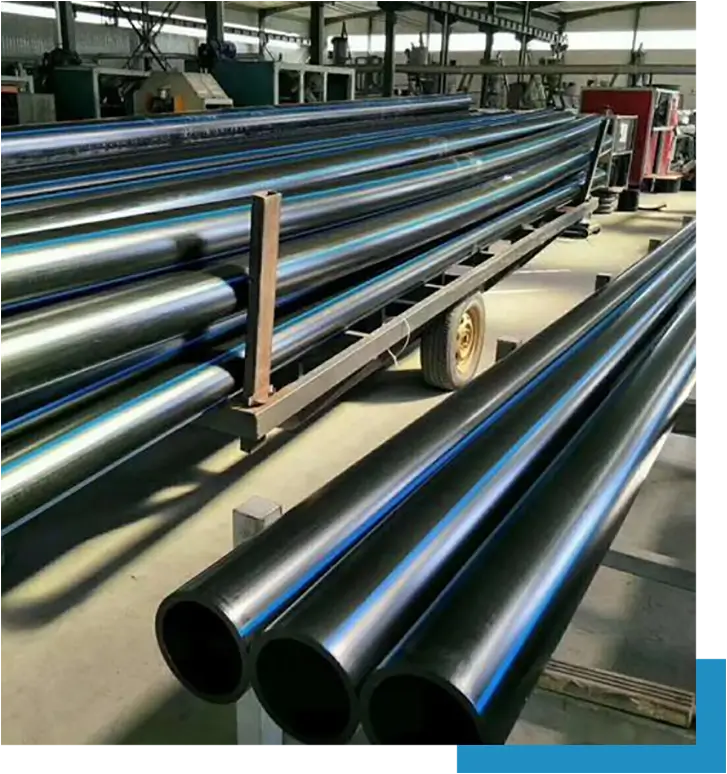
Submersible pump column pipe, a critical component in deep well pumping systems, facilitates the transmission of hydraulic energy from the pump to the surface. This technical guide provides an in-depth analysis of these pipes, covering material science, manufacturing processes, performance characteristics, failure modes, and relevant industry standards. Column pipes are typically utilized in applications requiring lift heights exceeding the capabilities of standard submersible pumps, commonly found in water well, oil production, and dewatering operations. Core performance attributes include tensile strength, corrosion resistance, and hydraulic efficiency. The selection of appropriate column pipe materials and configurations is paramount to ensuring reliable and cost-effective operation, minimizing downtime and maximizing pump system longevity. The primary industry pain points revolve around corrosion-related failures, material degradation under high stress, and ensuring consistent dimensional accuracy for proper pump alignment and operation.
Material Science & Manufacturing
Submersible pump column pipe is predominantly manufactured from carbon steel, stainless steel (specifically 304, 316, and duplex grades), and occasionally fiberglass reinforced polymer (FRP). Carbon steel, often API 5L Grade B or X42, is frequently used due to its cost-effectiveness and adequate strength. However, it requires robust corrosion protection. Stainless steel offers superior corrosion resistance, especially in aggressive water chemistries, but at a higher material cost. FRP pipes are lightweight and corrosion-resistant but generally have lower tensile strength and are susceptible to damage from impact. Manufacturing typically involves seamless pipe extrusion, followed by heat treatment to achieve desired mechanical properties. Welding is employed to join pipe sections, utilizing shielded metal arc welding (SMAW) or submerged arc welding (SAW) processes. Critical parameters during welding include pre-heat temperature, welding current, and electrode selection to minimize hydrogen embrittlement and ensure a sound weld. Post-weld heat treatment (PWHT) is often performed to relieve residual stresses. Dimensional accuracy is controlled through stringent quality control checks, including hydrostatic testing and non-destructive examination (NDE) techniques such as ultrasonic testing (UT) and radiographic testing (RT). Internal pipe coatings, like epoxy resins, are commonly applied to carbon steel pipes to enhance corrosion resistance and reduce friction losses.
Performance & Engineering
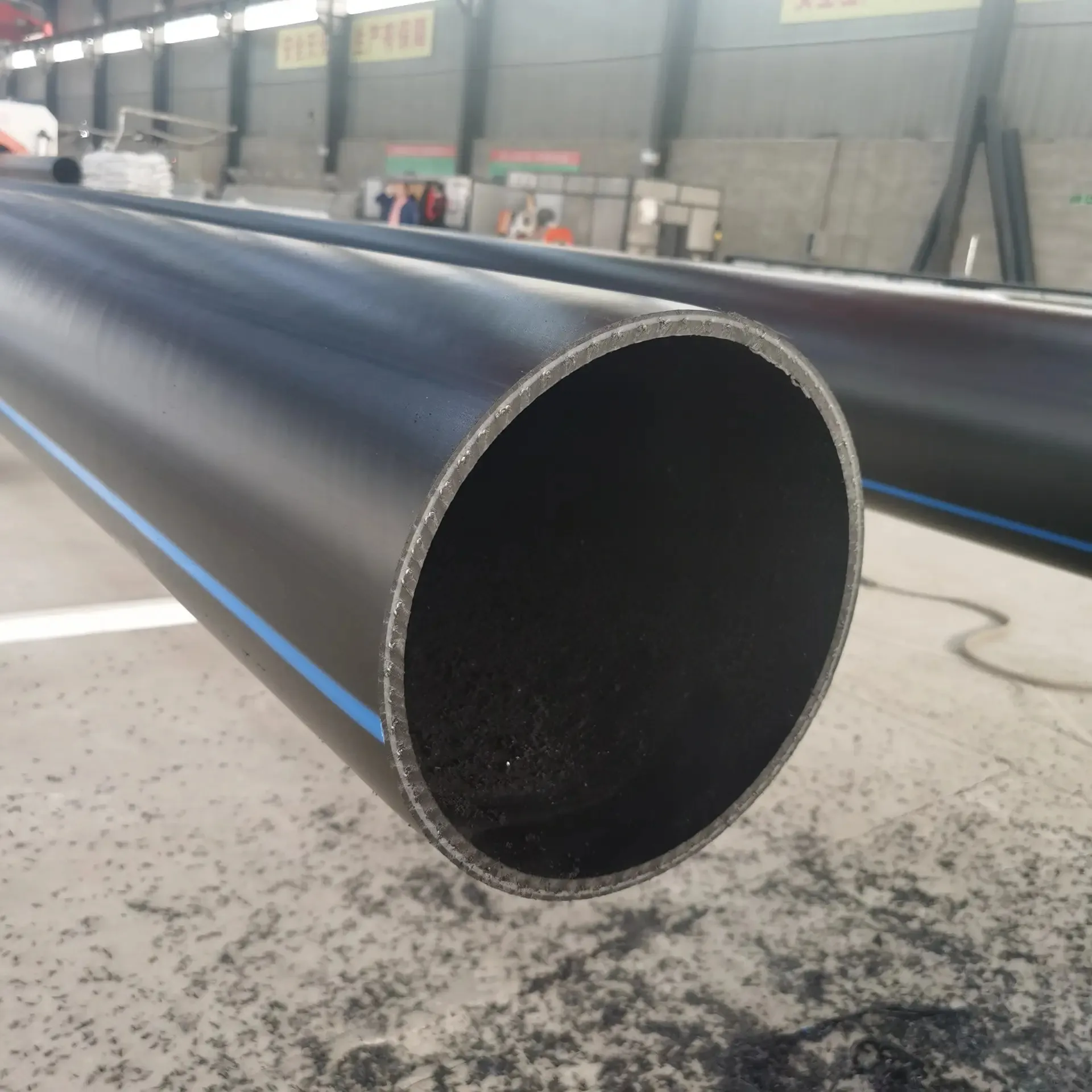
The performance of submersible pump column pipe is dictated by its ability to withstand hydrostatic pressure, tensile stress from the weight of the fluid column and pump, and cyclic fatigue due to pump operation. Force analysis involves calculating the hoop stress in the pipe wall due to internal pressure and the longitudinal stress due to tension. Environmental resistance is crucial, with considerations for corrosion from dissolved gases (oxygen, carbon dioxide, hydrogen sulfide), salinity, and temperature. Compliance with API standards (specifically API 5CT and API 5L) is mandatory, dictating material specifications, manufacturing processes, and testing requirements. Functional implementation requires careful consideration of pump head, flow rate, and fluid density to determine the appropriate pipe diameter and wall thickness. The pipe string must be properly aligned to minimize bending stress and prevent premature failure. Stress concentration points, such as threaded connections, require meticulous design and installation. Galvanic corrosion is a potential concern when dissimilar metals are used in the system, necessitating the use of dielectric couplings or sacrificial anodes. Hydraulic calculations must account for friction losses within the column pipe to accurately predict pump performance and energy consumption.
Technical Specifications
| Parameter | Carbon Steel (API 5L Grade B) | Stainless Steel (316L) | Fiberglass Reinforced Polymer (FRP) | Unit |
|---|---|---|---|---|
| Tensile Strength | 485 | 896 | 350 | MPa |
| Yield Strength | 240 | 276 | 180 | MPa |
| Corrosion Rate (in 3.5% NaCl) | 0.05 - 0.1 | <0.01 | <0.001 | mm/year |
| Operating Temperature Range | -20 to 120 | -196 to 300 | -40 to 80 | °C |
| Maximum Operating Pressure | 20 | 30 | 10 | MPa |
| Typical Wall Thickness | 6.4 - 12.7 | 6.4 - 12.7 | 5 - 10 | mm |
Failure Mode & Maintenance
Common failure modes in submersible pump column pipe include corrosion-induced pitting and cracking, stress corrosion cracking (SCC), fatigue cracking due to cyclic loading, and erosion from abrasive particles. Corrosion is exacerbated by the presence of dissolved gases and chlorides. SCC occurs when tensile stress is combined with a corrosive environment. Fatigue cracking initiates from stress concentration points, such as weld defects or threaded connections. Erosion damages the inner pipe surface, reducing wall thickness and increasing the risk of failure. Maintenance involves regular inspection for signs of corrosion, pitting, or cracking. Non-destructive testing (NDE) methods, such as ultrasonic testing (UT) and radiographic testing (RT), are used to assess pipe integrity. Internal cleaning and coating repairs can extend pipe life. Preventative maintenance includes monitoring fluid chemistry and adjusting pump operating parameters to minimize stress and corrosion. If pipe sections are replaced, ensure compatibility with existing materials to prevent galvanic corrosion. Proper alignment during installation is critical to prevent bending stress. Regularly inspect and tighten connections to prevent leaks and ensure structural integrity. A proactive maintenance program is essential for maximizing the lifespan of the column pipe and minimizing costly downtime.
Industry FAQ
Q: What is the primary benefit of using stainless steel column pipe over carbon steel?
A: The primary benefit of stainless steel is its superior corrosion resistance, particularly in aggressive well environments containing chlorides, sulfides, or high levels of dissolved oxygen. While carbon steel is more cost-effective, the increased longevity and reduced maintenance requirements of stainless steel often outweigh the initial cost difference in corrosive applications.
Q: How does the operating temperature affect the performance and lifespan of FRP column pipe?
A: Elevated temperatures can significantly reduce the mechanical strength and stiffness of FRP materials. FRP pipes have a limited temperature range, typically up to 80°C. Exceeding this limit can lead to softening, creep, and ultimately, failure. Lower temperatures can also affect FRP performance, potentially increasing brittleness.
Q: What are the common causes of stress corrosion cracking (SCC) in submersible pump column pipe?
A: SCC is typically caused by a combination of tensile stress, a corrosive environment, and a susceptible material. Common culprits include chlorides, hydrogen sulfide, and specific alloy compositions. Weld defects and residual stresses from manufacturing can exacerbate the risk of SCC. Proper material selection, stress relief heat treatment, and corrosion inhibition are essential for preventing SCC.
Q: What NDE methods are commonly used to inspect column pipe for defects?
A: Ultrasonic testing (UT) is the most widely used NDE method for detecting internal flaws such as cracks, corrosion, and erosion. Radiographic testing (RT) provides a visual image of the pipe's internal structure and is effective for detecting volumetric defects. Magnetic particle inspection (MPI) is used to detect surface and near-surface cracks in ferromagnetic materials like carbon steel.
Q: How important is proper alignment during column pipe installation, and what are the consequences of misalignment?
A: Proper alignment is critically important. Misalignment introduces bending stresses into the pipe string, which can lead to fatigue cracking, premature failure of couplings, and increased power consumption. It also contributes to uneven wear on pump components. Careful alignment procedures, utilizing laser alignment tools, are essential during installation.
Conclusion
Submersible pump column pipe represents a critical element within deep well pumping systems, demanding careful consideration of material selection, manufacturing quality, and operational parameters. The choice between carbon steel, stainless steel, and FRP hinges on a nuanced understanding of the application’s corrosive environment, pressure requirements, and budgetary constraints. Effective performance relies on adhering to stringent industry standards, implementing robust inspection and maintenance programs, and conducting thorough engineering analysis to mitigate potential failure modes.
Looking ahead, advancements in materials science and corrosion protection technologies will continue to refine the design and performance of submersible pump column pipe. The integration of real-time monitoring systems, capable of detecting early signs of corrosion or fatigue, will enable predictive maintenance strategies and further enhance system reliability. Continued research into non-metallic materials and advanced coatings will likely broaden the application scope of column pipe, particularly in challenging environments.
-
DN25 HDPE Compression Fitting-HORON INTERNATIONAL|Reliable Irrigation Solutions
NewsFeb.11,2026
-
hdpe coupling joint product Manufacturing Analysis
News2026-11-18
-
ppr pipe heating time products Performance Analysis
News2026-11-16
-
hdpe pipe sizes factory Performance Analysis
News2026-11-09
-
HDPE Pipe Sizes Service Performance Analysis
News2026-10-26
-
wholesale 15mm ppr pipe Material Science and Performance Analysis
News2026-10-20
-
wholesale pvc pipe price per foot Technical Analysis
News2026-09-21
-
wholesale long pvc pipe Technical Analysis and Manufacturing Specifications
News2026-09-15
-
wholesale plumbing kitchen sink water lines Material Performance
News2026-09-15
-
wholesale hdpe drip irrigation Material Science
News2026-09-15
-
wholesale hot water ppr pipe Performance Analysis
News2026-09-15
-
wholesale ppr plumbing Performance Analysis
News2026-09-15
-
wholesale ppr pipe supplier Performance Analysis
News2026-09-13
-
wholesale 50mm ppr pipe Performance Analysis
News2026-09-13
-
wholesale hdpe drip pipe Performance Analysis
News2026-09-13
-
wholesale hdpe pipe 63mm price Manufacturing Specification and Performance Analysis
News2026-09-13