

Feb . 11, 2026 00:01 Back to list
sprinkler hdpe pipe product Performance Analysis
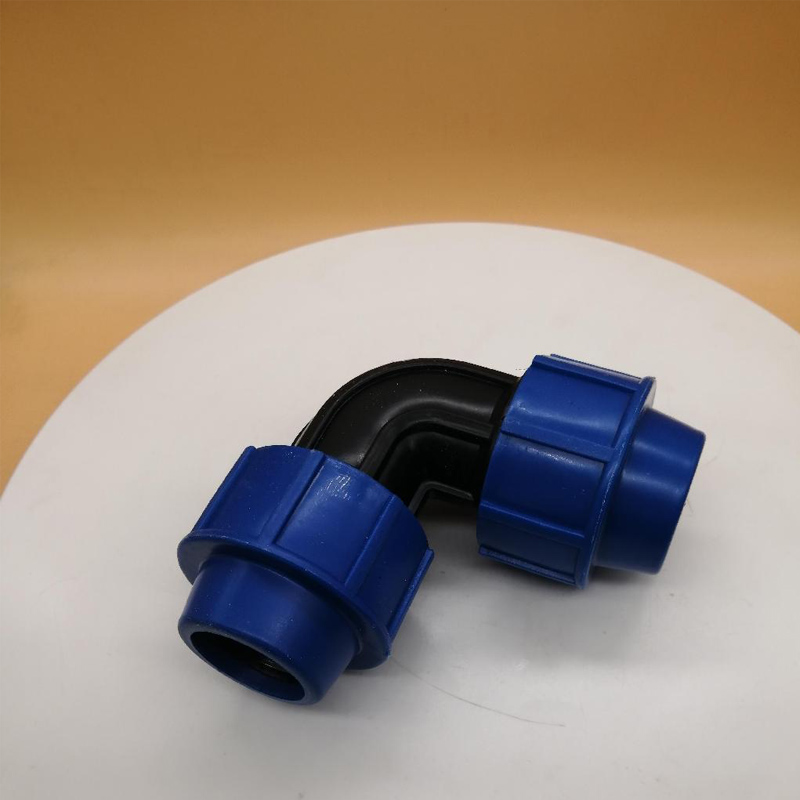
Introduction
High-Density Polyethylene (HDPE) sprinkler pipe represents a critical component in automated irrigation systems, primarily utilized in agricultural, landscaping, and fire suppression applications. Positioned within the broader fluid conveyance infrastructure, it serves as the conduit delivering pressurized water to sprinkler heads. Its core performance characteristics are defined by its pressure rating, flow capacity, UV resistance, and compatibility with various water treatment chemicals. Unlike traditional metal piping, HDPE offers significant advantages in corrosion resistance and installation flexibility. The increasing demand for efficient water management and the long-term cost benefits associated with HDPE are driving its adoption across diverse sectors. A primary pain point in the industry is ensuring consistent material quality and adherence to strict hydraulic design parameters to prevent system failures and optimize irrigation uniformity. This guide will provide a comprehensive technical overview of HDPE sprinkler pipe, encompassing material science, manufacturing processes, performance considerations, failure modes, and relevant industry standards.
Material Science & Manufacturing
HDPE sprinkler pipe is fabricated from high-density polyethylene resin, typically grades meeting or exceeding ASTM D3350 standards. This polymer is characterized by its long chains of ethylene molecules, resulting in high tensile strength and a relatively low coefficient of friction. The raw material possesses excellent chemical resistance, especially to acids, bases, and salts commonly found in irrigation water. Manufacturing typically involves extrusion. Polyethylene resin is fed into a heated extruder, where it is melted and forced through a die to form a continuous pipe. Key parameters during extrusion include melt temperature (typically between 180-220°C), die pressure, and cooling rate. Precise control of these parameters is crucial for achieving uniform pipe wall thickness and consistent mechanical properties. Pipe diameters are determined by the die size, and wall thickness (Schedule 40, Schedule 80, etc.) dictates the pipe’s pressure-bearing capacity. Post-extrusion processes often include dimensional inspection, hydrostatic testing, and marking with relevant specifications (size, schedule, pressure rating, material standard). The addition of UV stabilizers (carbon black is common) is essential to prevent degradation from prolonged sun exposure. The molecular weight distribution of the HDPE resin impacts processability and long-term performance; a broader molecular weight distribution generally provides enhanced toughness but can also increase susceptibility to slow crack growth.

Performance & Engineering
The performance of HDPE sprinkler pipe is fundamentally governed by its ability to withstand internal hydrostatic pressure without failure. Force analysis involves calculating hoop stress within the pipe wall based on internal pressure and pipe dimensions using Barlow's Formula (S = P D / 2t, where S = Hoop Stress, P = Internal Pressure, D = Outer Diameter, and t = Wall Thickness). Environmental resistance is a key consideration; while HDPE is highly resistant to most chemicals, prolonged exposure to chlorine at high concentrations can lead to embrittlement. UV degradation, if stabilizers are insufficient, results in surface cracking and loss of mechanical strength. Compliance requirements are dictated by regional and industry standards, including NSF/ANSI 61 for potable water contact and UL 1738 for fire protection systems. Functional implementation demands careful consideration of pipe layout, minimizing bends and sharp turns to reduce friction losses. Proper jointing techniques (butt fusion, socket fusion, compression fittings) are critical to maintain system integrity. For fire suppression systems, hydraulic calculations must account for flow rates, nozzle characteristics, and elevation changes to ensure adequate water delivery to all sprinkler heads. The geotechnical properties of the surrounding soil also influence pipe performance; unstable soils may require additional support to prevent pipe deformation or breakage. Furthermore, thermal expansion and contraction of the pipe need to be accommodated in the system design to prevent stress concentrations at joints.
Technical Specifications
| Parameter | Unit | Schedule 40 | Schedule 80 |
|---|---|---|---|
| Outside Diameter | inches | 0.500 - 4.000 | 0.625 - 6.000 |
| Wall Thickness | inches | 0.062 - 0.375 | 0.083 - 0.550 |
| Pressure Rating (at 73°F) | psi | Up to 100 | Up to 200 |
| Burst Pressure | psi | Typically 4x Pressure Rating | Typically 4x Pressure Rating |
| Density | g/cm³ | 0.941 - 0.965 | 0.941 - 0.965 |
| Hydrostatic Design Basis (HDB) | hours | 1000 | 1000 |
Failure Mode & Maintenance
HDPE sprinkler pipe can experience several failure modes in practical applications. Slow Crack Growth (SCG) is a common issue, particularly in areas subjected to sustained stress and exposure to certain chemicals. This manifests as microcracks that propagate over time, ultimately leading to pipe rupture. Fatigue cracking can occur due to cyclical pressure fluctuations or external loads. Delamination can arise from improper fusion during jointing, creating weak points susceptible to failure. Oxidation, while generally slow, can be accelerated by high temperatures and exposure to oxidizing agents. UV degradation, as previously mentioned, causes surface embrittlement and cracking. Ground movement can induce excessive stress on buried pipes, resulting in deformation or breakage. Maintenance involves regular visual inspections for signs of cracking, deformation, or leaks. Hydrostatic testing can be performed to verify pipe integrity. Proper jointing procedures (following ASTM F2620 standards for butt fusion) are crucial to prevent failures. Surge protection devices should be installed to mitigate the effects of water hammer. For SCG prevention, using high-quality resin with appropriate additives and avoiding exposure to incompatible chemicals is paramount. Damaged sections should be replaced using compatible fusion methods; patch repairs are generally not recommended for pressurized systems.
Industry FAQ
Q: What is the expected service life of HDPE sprinkler pipe?
A: Under normal operating conditions and with proper installation and maintenance, HDPE sprinkler pipe can have a service life exceeding 50 years. However, this is dependent on factors such as UV exposure, chemical compatibility, soil conditions, and operating pressure.
Q: What are the advantages of HDPE pipe over PVC pipe for sprinkler systems?
A: HDPE offers superior impact resistance, flexibility, and resistance to cracking compared to PVC. It also has a higher pressure rating and is less susceptible to chemical degradation. While PVC may be initially less expensive, the long-term reliability and lower maintenance costs of HDPE often make it a more cost-effective choice.
Q: What fusion methods are recommended for joining HDPE sprinkler pipe?
A: Butt fusion is the preferred method for larger diameter pipes, providing a strong and leak-proof joint. Socket fusion is suitable for smaller diameter pipes. Electrofusion is another option offering precise control. All fusion procedures should be performed by certified technicians following ASTM F2620 guidelines.
Q: How can I mitigate the risk of Slow Crack Growth in HDPE pipe?
A: Use high-quality HDPE resin with appropriate additives to enhance stress crack resistance. Avoid exposure to incompatible chemicals, such as strong oxidizing agents. Ensure proper installation and avoid excessive stress concentrations at joints or supports. Conduct regular inspections for microcracks.
Q: Is HDPE sprinkler pipe suitable for direct burial?
A: Yes, HDPE sprinkler pipe is suitable for direct burial. However, depending on the soil conditions and anticipated loads, it may be necessary to provide adequate bedding and backfill to prevent pipe deformation or damage. Protecting the pipe from sharp rocks and other debris is also essential.
Conclusion
HDPE sprinkler pipe presents a durable and reliable solution for fluid conveyance in irrigation and fire suppression systems. Its inherent material properties, combined with proper manufacturing and installation practices, contribute to long-term performance and reduced maintenance costs. Understanding the factors influencing its performance—including pressure ratings, environmental resistance, and potential failure modes—is critical for system designers and operators.
The continued development of HDPE resin formulations, coupled with advancements in fusion technology, will further enhance the capabilities and expand the applications of this versatile piping material. Implementing rigorous quality control measures throughout the supply chain and adhering to relevant industry standards remain paramount to ensure the long-term integrity and efficiency of HDPE sprinkler systems.
-
DN25 HDPE Compression Fitting-HORON INTERNATIONAL|Reliable Irrigation Solutions
NewsFeb.11,2026
-
hdpe coupling joint product Manufacturing Analysis
News2026-11-18
-
ppr pipe heating time products Performance Analysis
News2026-11-16
-
hdpe pipe sizes factory Performance Analysis
News2026-11-09
-
HDPE Pipe Sizes Service Performance Analysis
News2026-10-26
-
wholesale 15mm ppr pipe Material Science and Performance Analysis
News2026-10-20
-
wholesale pvc pipe price per foot Technical Analysis
News2026-09-21
-
wholesale long pvc pipe Technical Analysis and Manufacturing Specifications
News2026-09-15
-
wholesale plumbing kitchen sink water lines Material Performance
News2026-09-15
-
wholesale hdpe drip irrigation Material Science
News2026-09-15
-
wholesale hot water ppr pipe Performance Analysis
News2026-09-15
-
wholesale ppr plumbing Performance Analysis
News2026-09-15
-
wholesale ppr pipe supplier Performance Analysis
News2026-09-13
-
wholesale 50mm ppr pipe Performance Analysis
News2026-09-13
-
wholesale hdpe drip pipe Performance Analysis
News2026-09-13
-
wholesale hdpe pipe 63mm price Manufacturing Specification and Performance Analysis
News2026-09-13