

Feb . 11, 2026 00:01 Back to list
sprinkler hdpe pipe manufacturers Performance Analysis
Introduction
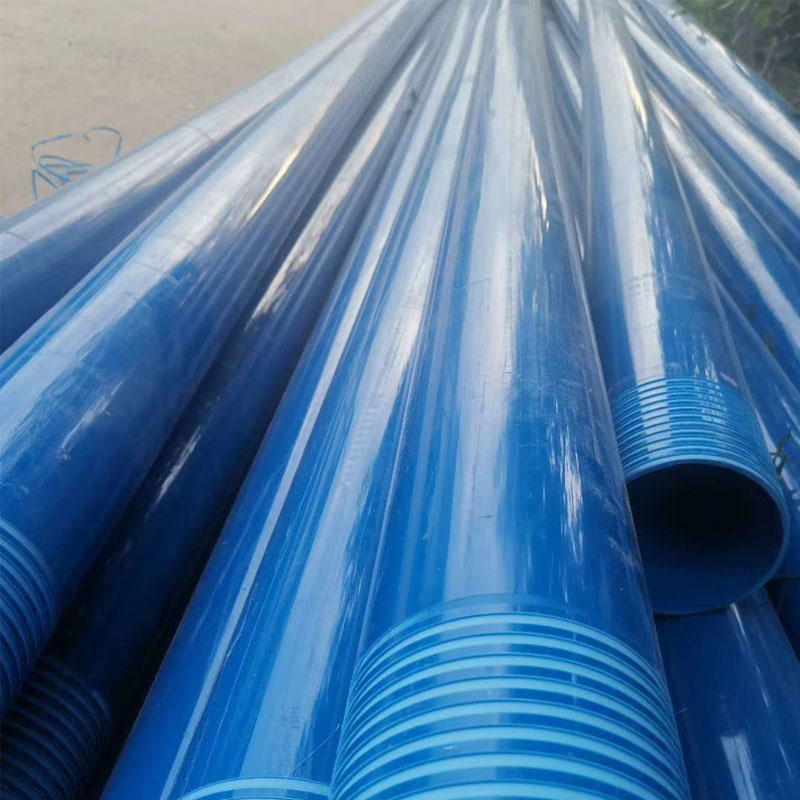
High-Density Polyethylene (HDPE) pipe for sprinkler systems represents a critical component in modern fire suppression infrastructure. Situated between the raw material production of polyethylene resins and the final installation by fire protection contractors, HDPE sprinkler pipe is a specialized extrusion product designed to deliver consistent performance under demanding conditions. Its increasing adoption stems from inherent advantages over traditional materials like steel and CPVC, including corrosion resistance, flexibility, ease of installation, and cost-effectiveness. This technical guide will detail the material science, manufacturing processes, performance characteristics, potential failure modes, and relevant industry standards governing sprinkler HDPE pipe, providing a comprehensive resource for manufacturers, engineers, and procurement professionals.
Material Science & Manufacturing
The foundation of sprinkler HDPE pipe lies in the properties of high-density polyethylene resin. Typically, resins conforming to ASTM D3350 are utilized, categorized by cell classification (e.g., PE345434C) indicating density, melt index, and other critical parameters. Higher density correlates with improved strength and chemical resistance. The manufacturing process begins with the melting and extrusion of the HDPE resin, often incorporating additives such as ultraviolet stabilizers, antioxidants, and processing aids. Extrusion parameters – including barrel temperature profiles (typically ranging from 180°C to 240°C), screw speed, and die design – are meticulously controlled to ensure dimensional accuracy, consistent wall thickness, and uniform material distribution. Pipe diameters typically range from ¾” to 4”, with schedules (wall thickness) designated as Schedule 40 and Schedule 80, determining pressure handling capabilities. Post-extrusion, pipes undergo quality control checks, including hydrostatic testing (withholding specific pressure for defined periods per standards like UL 1821) and dimensional verification to ensure compliance with industry specifications. Critical to the manufacturing process is maintaining a controlled environment to prevent contamination and ensure material purity, as impurities can significantly compromise long-term performance. The degree of crystallinity of the HDPE, influenced by cooling rates during extrusion, also impacts its mechanical properties; slower cooling generally leads to larger crystallites and improved strength.
Performance & Engineering
The performance of sprinkler HDPE pipe is dictated by its ability to withstand hydrostatic pressure, impact forces, and environmental stressors over its service life. Force analysis, particularly burst pressure calculations based on Barlow’s formula (P = 2St/D, where P is pressure, S is tensile strength, t is wall thickness, and D is diameter), is paramount. HDPE exhibits a ductile failure mode, meaning it yields significantly before fracturing, providing a safety margin. Environmental resistance is a key advantage. Unlike metallic pipes prone to corrosion, HDPE is chemically inert to most substances encountered in fire suppression systems. However, prolonged exposure to certain aggressive chemicals, particularly strong oxidizers, should be avoided. Thermal expansion and contraction are also important engineering considerations. HDPE has a higher coefficient of thermal expansion than steel, requiring appropriately designed expansion joints and supports to prevent stress buildup. Furthermore, UV degradation can occur upon prolonged sunlight exposure, necessitating the inclusion of UV stabilizers in the resin formulation or protective coatings. Compliance requirements are rigorous. Sprinkler HDPE pipes must meet the standards set forth by organizations like UL (Underwriters Laboratories) – UL 1821 specifically – which governs the testing and listing of plastic fire protection piping systems. These standards address not only physical properties but also flame spread and smoke development characteristics.
Technical Specifications
| Parameter | Schedule 40 (Typical) | Schedule 80 (Typical) | Testing Standard |
|---|---|---|---|
| Material | HDPE, ASTM D3350 PE345434C | HDPE, ASTM D3350 PE345434C | ASTM D3350 |
| Pressure Rating (Hydrostatic) @ 73°F | 200 PSI | 300 PSI | UL 1821 |
| Operating Temperature Range | -40°F to 140°F | -40°F to 140°F | ASTM D3350 |
| Tensile Strength | 4,000 PSI min | 4,000 PSI min | ASTM D638 |
| Elongation at Break | 300% min | 300% min | ASTM D638 |
| Coefficient of Linear Thermal Expansion | 5.5 x 10^-5 in/in/°F | 5.5 x 10^-5 in/in/°F | ASTM E228 |
Failure Mode & Maintenance
Sprinkler HDPE pipe, while durable, is susceptible to several potential failure modes. Slow Crack Growth (SCG) is a significant concern, particularly under sustained stress and exposure to certain chemicals. This phenomenon involves the initiation and propagation of cracks due to the combined effects of stress, environmental factors, and material imperfections. Fatigue cracking can occur in areas subject to cyclical pressure fluctuations or mechanical stress. Oxidation, although relatively slow in HDPE, can degrade the material over time, reducing its mechanical properties. Improper installation practices, such as excessive bending radius or inadequate support, can induce stress concentrations leading to premature failure. UV degradation, if unprotected, causes embrittlement and loss of impact resistance. Maintenance involves periodic visual inspections to identify any signs of cracking, deformation, or discoloration. Hydrostatic testing, periodically, can verify system integrity. Avoid using abrasive cleaning agents that could compromise the pipe's surface. Joints and connections should be inspected for leaks or signs of loosening. Proper backfilling procedures are crucial to provide adequate support and prevent external loads from stressing the pipe. For systems in harsh environments, consider protective coatings or sleeves to mitigate UV exposure and chemical attack.
Industry FAQ
Q: What are the key advantages of HDPE sprinkler pipe over CPVC?
A: HDPE offers superior impact resistance, particularly at low temperatures, reducing the risk of brittle fracture. It also exhibits significantly better corrosion resistance and flexibility, simplifying installation and accommodating ground movement. While CPVC may have a higher temperature rating, HDPE’s overall long-term performance and reliability in typical sprinkler applications often outweigh this factor.
Q: How does hydrostatic testing ensure the quality of HDPE sprinkler pipe?
A: Hydrostatic testing involves pressurizing the pipe to a level significantly exceeding its normal operating pressure for a specified duration. This test identifies any defects or weaknesses in the pipe material or joints that could lead to failure under operational stress. The test pressure and duration are defined by standards like UL 1821.
Q: What is the impact of UV exposure on HDPE sprinkler pipe?
A: Prolonged UV exposure can cause HDPE to become brittle and lose impact resistance. This degradation is due to chain scission within the polymer structure. To mitigate this, UV stabilizers are added to the resin during manufacturing, or the pipe can be protected with a UV-resistant coating or shielded from direct sunlight.
Q: What is the significance of the "cell classification" in ASTM D3350?
A: The cell classification (e.g., PE345434C) provides a standardized way to characterize the properties of HDPE resins. It specifies parameters like density, melt index, and other critical characteristics which directly influence the pipe’s performance and suitability for sprinkler applications. Matching the correct cell classification to the application is essential.
Q: How should expansion and contraction be managed in HDPE sprinkler systems?
A: HDPE has a higher coefficient of thermal expansion than steel. To accommodate this, expansion loops or joints should be incorporated into the system design, particularly in long runs of pipe. Proper pipe support is also critical to prevent stress buildup due to thermal movement. The design must account for the anticipated temperature fluctuations in the operating environment.
Conclusion
Sprinkler HDPE pipe represents a significant advancement in fire protection technology, offering a compelling combination of durability, reliability, and cost-effectiveness. The careful selection of HDPE resin, precise control of manufacturing processes, and adherence to stringent industry standards are crucial to ensuring optimal performance. Understanding the potential failure modes and implementing proactive maintenance strategies are essential for maximizing the lifespan and safety of these systems.
Looking ahead, continued innovation in HDPE resin formulations and extrusion techniques will further enhance the performance characteristics of sprinkler HDPE pipe. Emphasis on sustainable manufacturing practices and the development of more environmentally friendly additives will also be increasingly important. The long-term success of HDPE in sprinkler systems depends on ongoing research, rigorous testing, and a commitment to quality throughout the entire supply chain.
-
DN25 HDPE Compression Fitting-HORON INTERNATIONAL|Reliable Irrigation Solutions
NewsFeb.11,2026
-
hdpe coupling joint product Manufacturing Analysis
News2026-11-18
-
ppr pipe heating time products Performance Analysis
News2026-11-16
-
hdpe pipe sizes factory Performance Analysis
News2026-11-09
-
HDPE Pipe Sizes Service Performance Analysis
News2026-10-26
-
wholesale 15mm ppr pipe Material Science and Performance Analysis
News2026-10-20
-
wholesale pvc pipe price per foot Technical Analysis
News2026-09-21
-
wholesale long pvc pipe Technical Analysis and Manufacturing Specifications
News2026-09-15
-
wholesale plumbing kitchen sink water lines Material Performance
News2026-09-15
-
wholesale hdpe drip irrigation Material Science
News2026-09-15
-
wholesale hot water ppr pipe Performance Analysis
News2026-09-15
-
wholesale ppr plumbing Performance Analysis
News2026-09-15
-
wholesale ppr pipe supplier Performance Analysis
News2026-09-13
-
wholesale 50mm ppr pipe Performance Analysis
News2026-09-13
-
wholesale hdpe drip pipe Performance Analysis
News2026-09-13
-
wholesale hdpe pipe 63mm price Manufacturing Specification and Performance Analysis
News2026-09-13