

Feb . 11, 2026 00:01 Back to list
sprinkler hdpe pipe factory Performance Analysis
Introduction
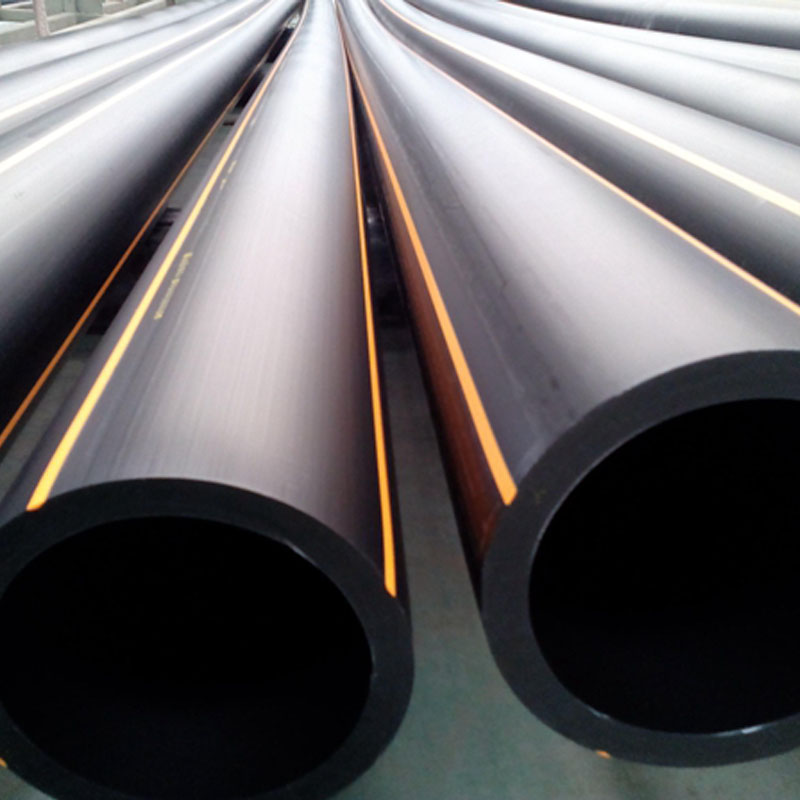
High-Density Polyethylene (HDPE) pipe for sprinkler systems represents a significant advancement in irrigation technology. Positioned as a direct replacement for traditional metallic and PVC piping, HDPE sprinkler pipes offer superior durability, flexibility, and resistance to environmental stressors. These pipes constitute a crucial component within the broader agricultural and landscaping industries, functioning as the fluid delivery network for automated irrigation systems. Core performance characteristics include consistent flow rates, minimized friction loss, resistance to UV degradation, and long-term reliability, addressing critical pain points related to system maintenance and water conservation in large-scale sprinkler applications. The transition towards HDPE highlights an industry-wide push for sustainable practices and reduced lifecycle costs, focusing on extended operational lifespan and reduced repair frequency. Furthermore, HDPE’s inherent properties contribute to improved system hydraulic efficiency and responsiveness.
Material Science & Manufacturing
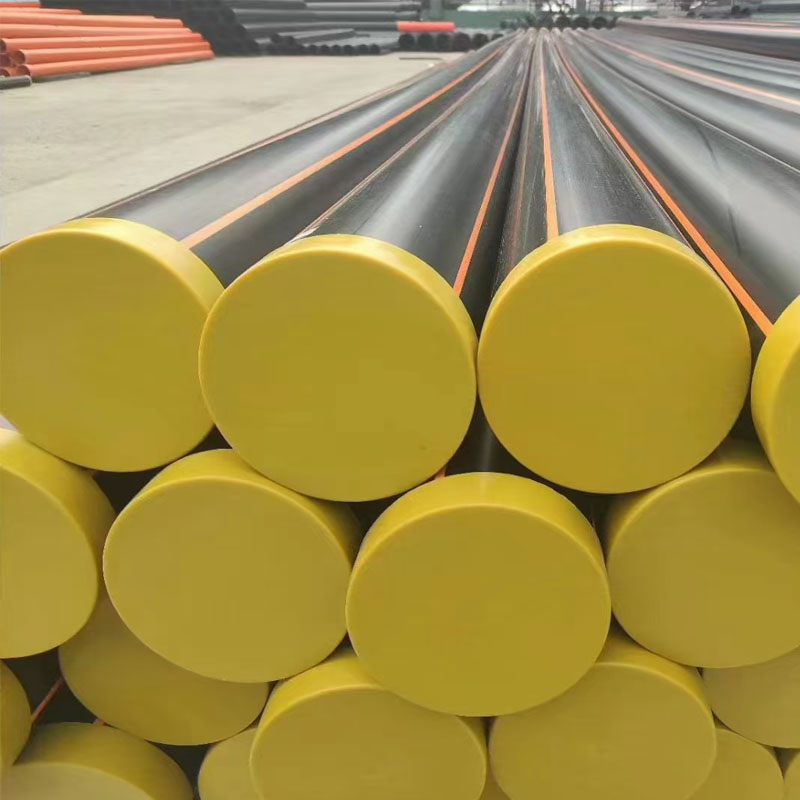
The foundational material for sprinkler HDPE pipe is, as the name implies, high-density polyethylene, a thermoplastic polymer produced from the polymerization of ethylene. HDPE’s density ranges from 0.941 to 0.965 g/cm³, influencing its mechanical properties. Raw material selection focuses on resin grades exhibiting high molecular weight, resulting in enhanced tensile strength and improved resistance to slow crack growth. The manufacturing process typically involves extrusion. Polyethylene resin is fed into an extruder, melted, and forced through a die to form a continuous pipe. Key parameters during extrusion include temperature control (melt temperature typically between 180-210°C), screw speed, and die geometry, all meticulously controlled to ensure consistent wall thickness and dimensional accuracy. Post-extrusion processes include cooling (typically using water baths), sizing, and cutting to the desired lengths. Quality control involves rigorous testing of hydrostatic pressure, tensile strength, and dimensional conformity according to industry standards. The addition of UV stabilizers, like carbon black, is crucial for mitigating UV degradation in outdoor applications. Variations in resin formulation and processing parameters directly impact the pipe’s long-term performance and resistance to environmental factors. Pipe marking, adhering to color-coding standards for irrigation, is performed as a final step.
Performance & Engineering
The performance of HDPE sprinkler pipes is governed by several key engineering principles. Hydraulic performance is characterized by its smooth inner surface, which minimizes friction loss and maintains consistent flow rates even over long distances. Force analysis considers both static and dynamic loads, including water pressure, soil load (in buried applications), and potential impact loads. HDPE’s ductility allows it to withstand significant deformation without fracture. Environmental resistance is paramount; HDPE exhibits excellent resistance to most chemicals commonly found in agricultural environments, including fertilizers and pesticides. However, prolonged exposure to strong oxidizing agents should be avoided. Compliance with local plumbing codes and irrigation standards (such as those related to backflow prevention) is essential. Installation considerations include proper trenching, bedding material selection, and jointing techniques (butt fusion or electrofusion welding are common). The pipe’s flexibility allows for installation in challenging terrains without the need for numerous fittings, minimizing potential leak points. Furthermore, understanding the pipe’s allowable stress levels under different temperature and pressure conditions is crucial for ensuring long-term system integrity. Thermal expansion and contraction must also be accounted for in design and installation, especially in areas with significant temperature fluctuations.
Technical Specifications
| Parameter | Unit | Typical Value (DN 63mm) | Testing Standard |
|---|---|---|---|
| Outside Diameter | mm | 63.0 ± 0.5 | ISO 4437 |
| Wall Thickness | mm | 3.7 ± 0.3 | ASTM D2412 |
| Pressure Rating (PN) | bar | 10 | ISO 1167 |
| Hydrostatic Design Stress (SDR) | - | SDR 17 | ASTM D2837 |
| Tensile Strength at Yield | MPa | 8.0 | ISO 527-2 |
| Elongation at Break | % | >300 | ISO 527-2 |
Failure Mode & Maintenance
HDPE sprinkler pipes, while durable, are susceptible to specific failure modes. Slow Crack Growth (SCG) is a common concern, initiated by sustained tensile stress and exacerbated by exposure to aggressive chemicals or ultraviolet radiation. Fatigue cracking can occur due to cyclical pressure fluctuations. Joint failures, particularly in improperly executed fusion welds, represent a significant point of vulnerability. Environmental stress cracking (ESC) arises from the combined effects of stress and chemical exposure. Oxidation, though slow, can degrade the polymer over extended periods, especially at elevated temperatures. Damage during installation (e.g., excessive bending radius, sharp impacts) can also induce premature failure. Preventative maintenance includes regular visual inspections for cracks, leaks, or deformation. Pressure testing should be conducted periodically to identify potential weaknesses. Proper soil bedding and adequate protection from UV exposure are crucial. For SCG mitigation, ensuring appropriate resin selection and avoiding exposure to incompatible chemicals are essential. In the event of a joint failure, re-fusion welding by certified technicians is required. Proper backflushing of the system can help remove sediment and debris, preventing blockages and reducing stress on the pipes.
Industry FAQ
Q: What is the impact of soil corrosivity on the lifespan of HDPE sprinkler pipes?
A: HDPE is inherently resistant to most soil chemicals. However, highly acidic or alkaline soils can accelerate degradation over the long term. Proper soil analysis and consideration of the surrounding environment during installation are crucial. Utilizing protective sleeving or increasing wall thickness in corrosive environments can mitigate these effects.
Q: How does water hammer affect HDPE sprinkler systems, and what preventative measures can be taken?
A: Water hammer, caused by sudden changes in flow velocity, can generate significant pressure surges that can damage HDPE pipes and joints. Installation of surge arrestors, air chambers, and slow-closing valves can effectively mitigate water hammer. Proper system design, minimizing abrupt changes in pipe diameter, also contributes to reduced pressure fluctuations.
Q: What are the best practices for joining HDPE pipes for sprinkler systems?
A: Butt fusion and electrofusion welding are the preferred joining methods, ensuring a homogenous, leak-proof seal. These processes require skilled technicians and adherence to strict welding parameters (temperature, pressure, cooling time). Solvent cementing is generally not recommended for high-pressure sprinkler applications due to potential long-term degradation and leak risks.
Q: What UV protection levels are necessary for exposed HDPE sprinkler piping?
A: HDPE pipe formulations typically include carbon black as a UV stabilizer. However, the concentration of carbon black and the duration of exposure dictate the level of protection. For prolonged outdoor exposure, higher concentrations of carbon black or the use of UV-resistant coatings are recommended. Regular inspection for signs of UV degradation (chalking, discoloration) is also important.
Q: Can HDPE sprinkler pipes be used for recycled water applications, and are there any specific considerations?
A: Yes, HDPE is well-suited for recycled water applications due to its chemical resistance. However, the quality of the recycled water must be carefully assessed. High concentrations of chlorine or other oxidizing agents can accelerate degradation. Ensuring compatibility between the pipe material and the recycled water composition is critical, alongside adherence to local regulations regarding recycled water usage.
Conclusion
Sprinkler HDPE pipe represents a robust and reliable solution for modern irrigation systems. Its combination of high strength, flexibility, chemical resistance, and long-term durability makes it a compelling alternative to traditional piping materials. The meticulous control of material properties during manufacturing, coupled with adherence to stringent engineering principles and industry standards, ensures optimal performance and minimizes the risk of failure.
Looking forward, continued innovation in HDPE resin formulations and welding techniques will further enhance the lifespan and efficiency of these systems. A focus on sustainable practices, including the increased use of recycled HDPE materials, will contribute to a more environmentally responsible approach to irrigation. Ultimately, a thorough understanding of the material science, performance characteristics, and potential failure modes is crucial for maximizing the return on investment and ensuring the long-term success of sprinkler HDPE pipe installations.
-
DN25 HDPE Compression Fitting-HORON INTERNATIONAL|Reliable Irrigation Solutions
NewsFeb.11,2026
-
hdpe coupling joint product Manufacturing Analysis
News2026-11-18
-
ppr pipe heating time products Performance Analysis
News2026-11-16
-
hdpe pipe sizes factory Performance Analysis
News2026-11-09
-
HDPE Pipe Sizes Service Performance Analysis
News2026-10-26
-
wholesale 15mm ppr pipe Material Science and Performance Analysis
News2026-10-20
-
wholesale pvc pipe price per foot Technical Analysis
News2026-09-21
-
wholesale long pvc pipe Technical Analysis and Manufacturing Specifications
News2026-09-15
-
wholesale plumbing kitchen sink water lines Material Performance
News2026-09-15
-
wholesale hdpe drip irrigation Material Science
News2026-09-15
-
wholesale hot water ppr pipe Performance Analysis
News2026-09-15
-
wholesale ppr plumbing Performance Analysis
News2026-09-15
-
wholesale ppr pipe supplier Performance Analysis
News2026-09-13
-
wholesale 50mm ppr pipe Performance Analysis
News2026-09-13
-
wholesale hdpe drip pipe Performance Analysis
News2026-09-13
-
wholesale hdpe pipe 63mm price Manufacturing Specification and Performance Analysis
News2026-09-13