

Feb . 11, 2026 00:01 Back to list
sprinkler hdpe pipe factories Performance Analysis
Introduction
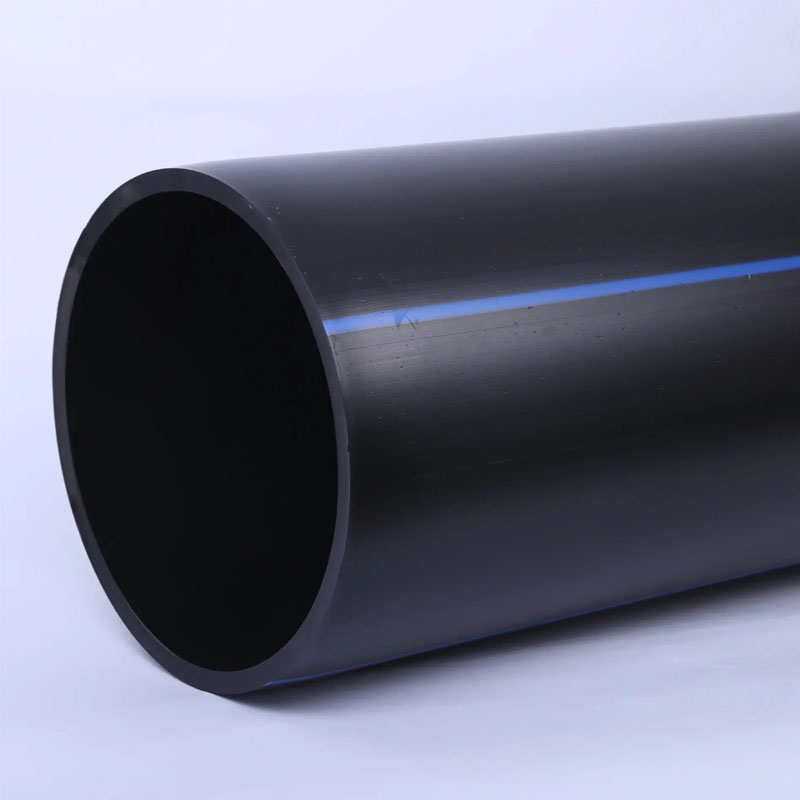
High-Density Polyethylene (HDPE) pipe for sprinkler systems represents a critical component in fire protection infrastructure. Positioned within the broader industrial piping network, these pipes serve as the fluid delivery system for water, facilitating rapid fire suppression. HDPE's adoption stems from its inherent advantages over traditional metallic piping – notably its corrosion resistance, flexibility, and cost-effectiveness. Core performance characteristics include pressure rating (PN), burst pressure, and resistance to UV degradation. A key industry pain point centers on ensuring long-term hydro-static strength under varying temperature conditions and soil stress, alongside maintaining consistent wall thickness to guarantee reliable performance during emergency activation. The increasing demand for sustainable infrastructure solutions also drives the need for HDPE pipe manufacturers to demonstrate responsible sourcing and recycling practices.
Material Science & Manufacturing
HDPE sprinkler pipes are primarily manufactured from polyethylene resin, categorized by density. The raw material’s molecular weight distribution and comonomer content significantly influence the final pipe properties. Higher molecular weight HDPE exhibits superior tensile strength and environmental stress crack resistance (ESCR). Manufacturing typically involves extrusion processes. The process begins with HDPE pellets being fed into an extruder, where they are heated and melted. This molten plastic is then forced through a die, forming a continuous pipe shape. Critical parameters controlled during extrusion include melt temperature (typically 180-220°C), extrusion speed, and die geometry. Cooling is achieved using water tanks, followed by precise dimensional control via haul-off units. Post-extrusion, pipes undergo hydrostatic testing to verify pressure integrity. Jointing methods include butt fusion, socket fusion, and mechanical fittings. Butt fusion, creating a homogenous weld, is favored for large-diameter pipes due to its structural integrity. Chemical compatibility is crucial; HDPE is generally resistant to most common soil chemicals but can be susceptible to degradation from strong oxidizing agents. Raw material specifications must adhere to standards like ASTM D3350 or ISO 4437.
Performance & Engineering
The engineering performance of HDPE sprinkler pipe is fundamentally governed by its ability to withstand internal hydrostatic pressure and external loads. Force analysis focuses on hoop stress, longitudinal stress, and buckling resistance. Hoop stress, arising from internal pressure, dictates the required pipe wall thickness. External loads, including soil pressure and traffic loads, necessitate consideration of pipe stiffness and embedment depth. Environmental resistance is paramount. UV exposure can cause embrittlement; therefore, pipes intended for above-ground installation require UV stabilization additives (typically carbon black). Temperature fluctuations affect HDPE's modulus of elasticity and impact strength. Low temperatures can increase brittleness, while elevated temperatures can reduce load-carrying capacity. Compliance requirements are dictated by NFPA 13 (Standard for the Installation of Sprinkler Systems) and local building codes. These standards specify minimum pressure ratings, pipe schedules, and installation procedures. The design must account for water hammer effects, which generate transient pressure surges that can exceed the pipe's static pressure rating. Proper anchoring and bracing are critical to prevent excessive pipe movement and stress concentration.
Technical Specifications
| Parameter | Unit | Specification (Typical) | Testing Standard |
|---|---|---|---|
| Nominal Pipe Size | inch | 3/4, 1, 1.25, 1.5, 2, 3, 4 | ASTM D1785 |
| Pressure Rating (PN) | psi | 100, 150, 200 | ASTM D2837 |
| Burst Pressure | psi | >400 (varies with PN) | ASTM D1597 |
| Hydrostatic Design Stress (HDS) | psi | 1600 | ASTM D2837 |
| Minimum Tensile Strength | psi | 4000 | ASTM D638 |
| Environmental Stress Crack Resistance (ESCR) | Hours to Failure | >1000 (F50) | ASTM D1693 |
Failure Mode & Maintenance
Common failure modes in HDPE sprinkler pipes include slow crack growth (SCG) due to environmental stress cracking, particularly in areas of high stress concentration or exposure to aggressive chemicals. Fatigue cracking can occur under cyclical pressure fluctuations. Delamination can arise from inadequate fusion during jointing. Oxidation and UV degradation can lead to embrittlement and loss of impact resistance. Physical damage during installation (e.g., punctures, gouges) can compromise the pipe's integrity. Failure analysis should include visual inspection for cracks, blisters, or discoloration. Hydrostatic testing can identify leaks or weak points. Maintenance involves periodic visual inspections to check for signs of damage or corrosion. Proper backfilling procedures are crucial to prevent external loads from inducing excessive stress. Joints should be regularly inspected for leaks. If SCG is suspected, samples should be analyzed using microscopy to identify crack initiation sites. For minor damage, repair sleeves or patches can be used, provided they are compatible with HDPE and installed according to manufacturer's instructions. For significant damage, pipe replacement is necessary. Implementing a corrosion monitoring program in aggressive soil environments is recommended.
Industry FAQ
Q: What is the impact of differing soil pH levels on the long-term performance of HDPE sprinkler piping?
A: Soil pH levels can influence the rate of ESCR in HDPE. Highly acidic or alkaline soils can accelerate cracking, particularly if contaminants are present. While HDPE is generally resistant, prolonged exposure to extreme pH levels can lead to degradation. Protective coatings or specialized HDPE formulations with enhanced ESCR properties may be necessary in such environments.
Q: How does the quality of butt fusion welds impact the overall system reliability, and what quality control measures are essential?
A: Butt fusion welds are critical for system integrity. Poor weld quality (insufficient fusion, misalignment, contamination) can significantly reduce the pipe's pressure-bearing capacity and lead to premature failure. Essential quality control measures include verifying welder certification, monitoring fusion parameters (temperature, pressure, time), conducting non-destructive testing (visual inspection, radiography), and performing hydrostatic testing of welded joints.
Q: What are the key considerations when selecting HDPE pipe for use in seismic zones?
A: In seismic zones, flexibility is a key advantage of HDPE. However, consideration must be given to pipe anchoring and restraint to prevent excessive movement and potential damage during an earthquake. Pipe supports should be designed to accommodate anticipated ground displacement and allow for some degree of articulation. Joint designs should also be evaluated for their ability to withstand seismic stresses.
Q: What are the typical service life expectations for properly installed and maintained HDPE sprinkler piping?
A: Properly installed and maintained HDPE sprinkler piping can have a service life exceeding 50 years. However, this depends heavily on environmental conditions, soil properties, water quality, and the frequency of inspections and maintenance. Regular inspections and preventative maintenance can significantly extend the service life.
Q: How do varying water chemistries (e.g., high chlorine levels) affect HDPE pipe, and what mitigation strategies are recommended?
A: While HDPE is resistant to many chemicals, prolonged exposure to high chlorine levels can cause oxidative degradation and embrittlement. Mitigation strategies include using chlorine-resistant HDPE formulations, implementing corrosion inhibitors, and regularly monitoring water chemistry. Consider alternative piping materials if chlorine levels consistently exceed recommended limits.
Conclusion
HDPE sprinkler piping offers a robust and reliable solution for fire protection systems, providing advantages in corrosion resistance, flexibility, and cost-effectiveness. However, successful implementation relies on a thorough understanding of material science, manufacturing processes, and engineering principles. Attention to critical parameters – including proper jointing techniques, environmental considerations, and compliance with relevant standards – is paramount to ensuring long-term performance and system integrity.
Further advancements in HDPE formulations and manufacturing technologies are continually enhancing the performance characteristics of these pipes. Future developments will likely focus on increasing UV resistance, improving ESCR, and incorporating smart monitoring systems for early detection of potential failures. A holistic approach, encompassing material selection, installation best practices, and proactive maintenance, is essential for maximizing the lifecycle and safety of HDPE sprinkler piping systems.
-
DN25 HDPE Compression Fitting-HORON INTERNATIONAL|Reliable Irrigation Solutions
NewsFeb.11,2026
-
hdpe coupling joint product Manufacturing Analysis
News2026-11-18
-
ppr pipe heating time products Performance Analysis
News2026-11-16
-
hdpe pipe sizes factory Performance Analysis
News2026-11-09
-
HDPE Pipe Sizes Service Performance Analysis
News2026-10-26
-
wholesale 15mm ppr pipe Material Science and Performance Analysis
News2026-10-20
-
wholesale pvc pipe price per foot Technical Analysis
News2026-09-21
-
wholesale long pvc pipe Technical Analysis and Manufacturing Specifications
News2026-09-15
-
wholesale plumbing kitchen sink water lines Material Performance
News2026-09-15
-
wholesale hdpe drip irrigation Material Science
News2026-09-15
-
wholesale hot water ppr pipe Performance Analysis
News2026-09-15
-
wholesale ppr plumbing Performance Analysis
News2026-09-15
-
wholesale ppr pipe supplier Performance Analysis
News2026-09-13
-
wholesale 50mm ppr pipe Performance Analysis
News2026-09-13
-
wholesale hdpe drip pipe Performance Analysis
News2026-09-13
-
wholesale hdpe pipe 63mm price Manufacturing Specification and Performance Analysis
News2026-09-13