

Feb . 11, 2026 00:01 Back to list
pvc stormwater pipe products Performance Analysis
Introduction
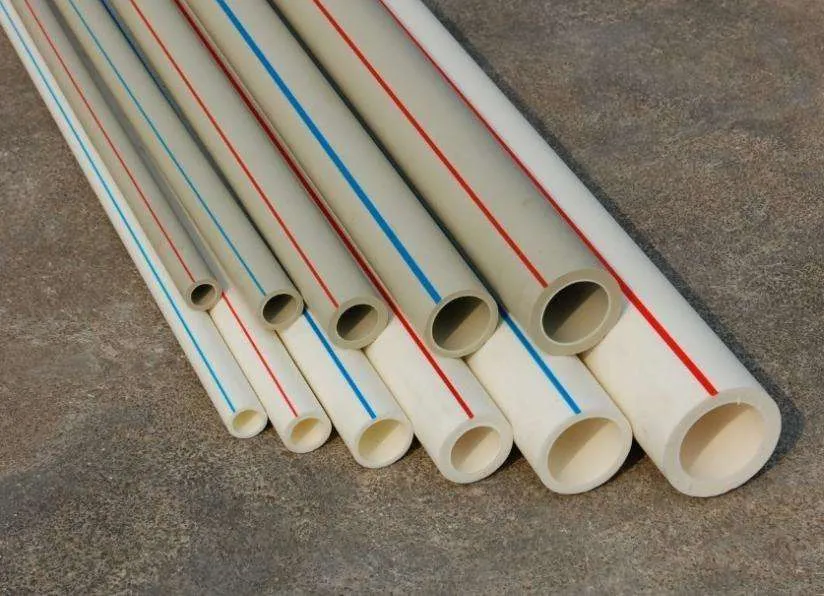
Polyvinyl Chloride (PVC) stormwater pipe is a crucial component of modern drainage infrastructure, utilized for the conveyance of rainwater and wastewater runoff. Positioned downstream of catch basins, inlets, and other collection points, it forms the backbone of stormwater management systems in residential, commercial, and industrial settings. Unlike traditional materials like concrete or corrugated metal, PVC offers a combination of corrosion resistance, lightweight construction, and cost-effectiveness. Core performance characteristics include hydraulic capacity (flow rate), structural integrity under load (crush resistance, ring stiffness), and long-term durability in a buried environment. The increasing demand for sustainable and resilient infrastructure is driving the adoption of PVC stormwater pipe as a preferred material, owing to its reduced environmental impact and extended service life compared to alternatives. The industry currently faces challenges relating to material performance in extreme temperatures, proper installation techniques to prevent joint failure, and ensuring long-term resistance to root intrusion in certain geographic regions.
Material Science & Manufacturing
PVC stormwater pipe is primarily manufactured from PVC resin, a thermoplastic polymer produced by the polymerization of vinyl chloride monomer (VCM). The resin itself is a white, brittle powder. To enhance its properties for pipe applications, a variety of additives are incorporated, including plasticizers (e.g., phthalates, DINP) to increase flexibility, impact modifiers (e.g., acrylics) to improve toughness, heat stabilizers (e.g., organotin compounds) to prevent degradation during processing, and UV inhibitors (e.g., carbon black) to protect against sunlight exposure. The specific formulation varies depending on the intended application and required performance characteristics (e.g., pipe stiffness, temperature resistance).
Manufacturing typically utilizes extrusion processes. PVC compound is fed into a hopper and conveyed to an extruder, where it is heated and plasticized. A screw conveys the molten PVC through a die, shaping it into a continuous pipe profile. The extruded pipe is then cooled (typically by water immersion) to solidify its shape and dimensional stability. Pipes are cut to length, and bell-and-spigot or gasketed joints are formed, depending on the joining method. Quality control is paramount; key parameters monitored during manufacturing include melt temperature, extrusion rate, pipe diameter, wall thickness, and hydrostatic pressure testing to verify burst resistance. Improper parameter control leads to issues like dimensional inconsistencies, reduced impact strength, and premature failure.
Performance & Engineering
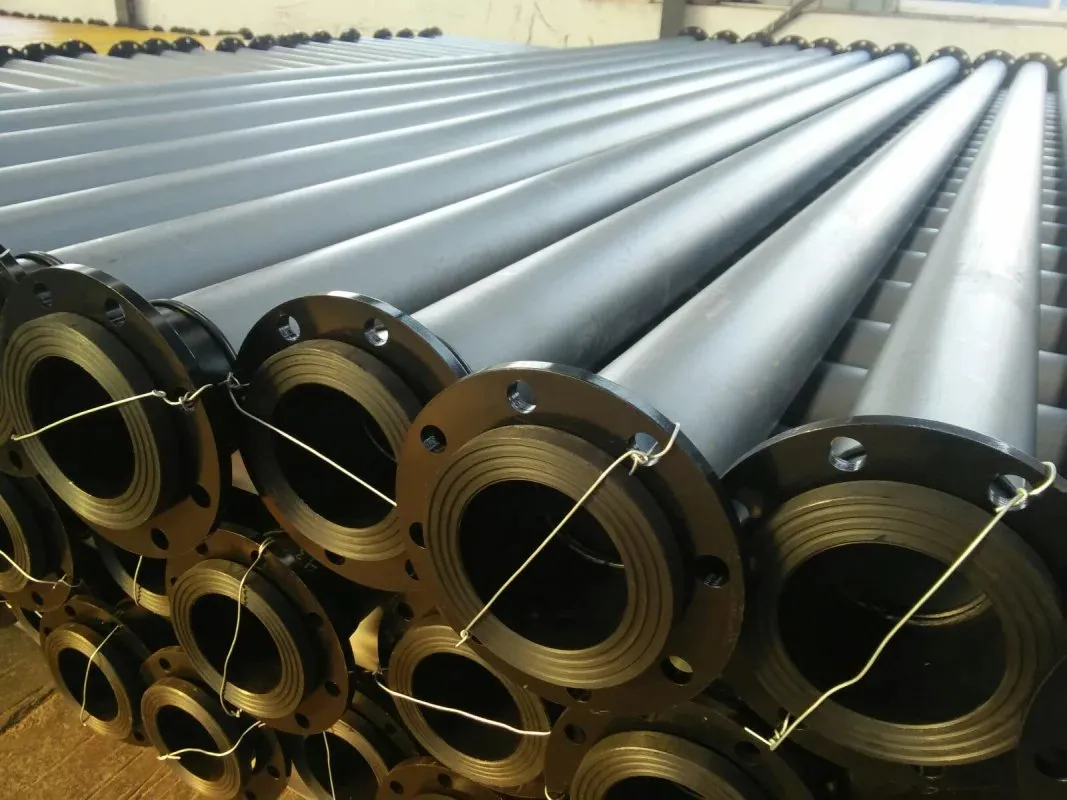
The performance of PVC stormwater pipe is dictated by several engineering considerations. Hydrostatic pressure testing, as per ASTM D2412, verifies the pipe’s ability to withstand internal water pressure without failure. Ring stiffness, measured according to ASTM D2412, indicates the pipe’s resistance to deformation under vertical loads – a critical parameter for buried applications subjected to soil cover and traffic. Impact resistance (ASTM D2444) determines the pipe’s ability to withstand sudden impacts from rocks or construction equipment. Chemical resistance is generally excellent for PVC, but exposure to specific solvents or strong oxidizing agents can cause degradation. Long-term creep resistance is vital; PVC can exhibit slow deformation under sustained load, potentially leading to joint separation or pipe collapse.
Finite element analysis (FEA) is frequently employed in design to optimize pipe wall thickness, joint geometry, and overall system performance. The Manning’s equation is used to calculate hydraulic capacity based on pipe diameter, slope, and roughness coefficient. Soil-structure interaction analysis is crucial for determining the appropriate bedding and backfill materials to ensure adequate support and prevent excessive stress on the pipe. Compliance with local building codes and stormwater management regulations (e.g., NPDES permits) is essential. Specifically, consideration must be given to peak flow rates, detention/retention requirements, and potential for backwater conditions.
Technical Specifications
| Parameter | Units | ASTM D1785 – 2018 (Typical Value) | ASTM D2412 – 2018 (Typical Value) |
|---|---|---|---|
| Nominal Pipe Size | inches | 4 – 60 | 4 – 60 |
| Pressure Rating | psi | Varies with SDR | Varies with SDR (e.g., SDR 35 = 200 psi) |
| SDR (Standard Dimension Ratio) | - | 35, 26, 21, 18 | 35, 26, 21, 18 |
| Minimum Pipe Stiffness | psi | 240 (SDR 35) | Varies with SDR |
| Impact Resistance (23°C) | ft-lb | Minimum 8 ft-lb | Minimum 8 ft-lb |
| Hydrostatic Design Basis (HDB) | psi | 1,000 psi | 1,000 psi |
Failure Mode & Maintenance
PVC stormwater pipe failures can arise from several mechanisms. Fatigue cracking can occur due to repeated loading cycles (e.g., from traffic or soil settlement), particularly around joints or areas of stress concentration. Joint separation is a common failure mode, often resulting from improper installation, inadequate bedding support, or soil movement. Chemical attack from aggressive soil conditions (e.g., high sulfate concentrations) or exposure to certain chemicals can lead to material degradation. Root intrusion is a significant problem in many areas; roots can penetrate joints or cracks, obstructing flow and causing blockages. UV degradation, while mitigated by UV inhibitors, can still occur in exposed sections of pipe. Brittle Fracture can occur at low temperatures, especially with older formulations and impact damage.
Preventative maintenance is crucial for extending the service life of PVC stormwater pipe. Regular inspections (using CCTV cameras) can identify early signs of cracking, joint separation, or root intrusion. Proper installation practices, including adequate bedding and backfill compaction, are essential. Joints should be properly sealed to prevent root intrusion and groundwater infiltration. In areas with aggressive soil conditions, protective coatings or alternative pipe materials may be necessary. For minor cracks or joint separations, repairs can be made using specialized PVC patching compounds or couplings. For significant failures, complete pipe replacement may be required.
Industry FAQ
Q: What is the impact of soil corrosivity on the longevity of PVC stormwater pipe?
A: Soil corrosivity, particularly the presence of sulfates and chlorides, can accelerate the degradation of PVC over the long term. While PVC is generally resistant to many chemicals, prolonged exposure to highly corrosive soils can lead to embrittlement and cracking. Proper soil testing prior to installation is recommended. In corrosive environments, consider using a thicker-walled pipe or a protective coating to enhance durability. Also, proper bedding and backfill material selection is critical to minimize direct contact with corrosive soils.
Q: How does temperature affect the performance of PVC stormwater pipe?
A: PVC becomes more brittle at low temperatures, increasing its susceptibility to impact damage and cracking. Conversely, high temperatures can lead to softening and creep deformation. The glass transition temperature (Tg) of PVC is around 80°C. Installation and operation within the recommended temperature range specified by the manufacturer is crucial. SDR (Standard Dimension Ratio) selection should also consider anticipated temperature extremes.
Q: What are the best practices for joining PVC stormwater pipe to ensure a watertight seal?
A: Proper jointing is paramount. For gasketed joints, ensure the gasket is properly seated and lubricated with an approved lubricant. For solvent-welded joints, use the correct primer and cement, follow the manufacturer’s instructions precisely, and ensure adequate ventilation. Allow sufficient curing time before subjecting the joint to pressure. Inspect joints after installation to confirm a watertight seal.
Q: What is the role of bedding and backfill material in preventing pipe failure?
A: Bedding and backfill materials provide crucial support for the pipe and protect it from external loads. Properly compacted granular bedding material (e.g., sand, gravel) distributes the load evenly and prevents differential settlement. Backfill material should be non-corrosive and adequately compacted to provide lateral support. Avoid using large rocks or debris that could damage the pipe.
Q: What are the advantages of using PVC stormwater pipe compared to concrete pipe?
A: PVC offers several advantages over concrete. It is significantly lighter, making it easier to handle and install. PVC is corrosion resistant, eliminating the need for costly corrosion protection measures. It has a smoother interior surface, resulting in higher hydraulic capacity. PVC is also more flexible than concrete, making it more resistant to cracking and deformation. Finally, PVC production generally has a lower environmental footprint than concrete production.
Conclusion
PVC stormwater pipe represents a durable, cost-effective, and sustainable solution for stormwater management. Its advantages in terms of corrosion resistance, lightweight construction, and ease of installation have driven its widespread adoption across diverse applications. However, successful implementation relies on a thorough understanding of material properties, proper installation techniques, and adherence to relevant industry standards.
Future advancements in PVC technology will likely focus on enhancing impact resistance at low temperatures, developing more environmentally friendly plasticizers, and improving resistance to root intrusion. Continued research and development, coupled with rigorous quality control measures, will ensure that PVC stormwater pipe remains a vital component of resilient and sustainable infrastructure for years to come.
-
DN25 HDPE Compression Fitting-HORON INTERNATIONAL|Reliable Irrigation Solutions
NewsFeb.11,2026
-
hdpe coupling joint product Manufacturing Analysis
News2026-11-18
-
ppr pipe heating time products Performance Analysis
News2026-11-16
-
hdpe pipe sizes factory Performance Analysis
News2026-11-09
-
HDPE Pipe Sizes Service Performance Analysis
News2026-10-26
-
wholesale 15mm ppr pipe Material Science and Performance Analysis
News2026-10-20
-
wholesale pvc pipe price per foot Technical Analysis
News2026-09-21
-
wholesale long pvc pipe Technical Analysis and Manufacturing Specifications
News2026-09-15
-
wholesale plumbing kitchen sink water lines Material Performance
News2026-09-15
-
wholesale hdpe drip irrigation Material Science
News2026-09-15
-
wholesale hot water ppr pipe Performance Analysis
News2026-09-15
-
wholesale ppr plumbing Performance Analysis
News2026-09-15
-
wholesale ppr pipe supplier Performance Analysis
News2026-09-13
-
wholesale 50mm ppr pipe Performance Analysis
News2026-09-13
-
wholesale hdpe drip pipe Performance Analysis
News2026-09-13
-
wholesale hdpe pipe 63mm price Manufacturing Specification and Performance Analysis
News2026-09-13