

Feb . 11, 2026 00:01 Back to list
pvc stormwater pipe Product Performance Analysis
Introduction
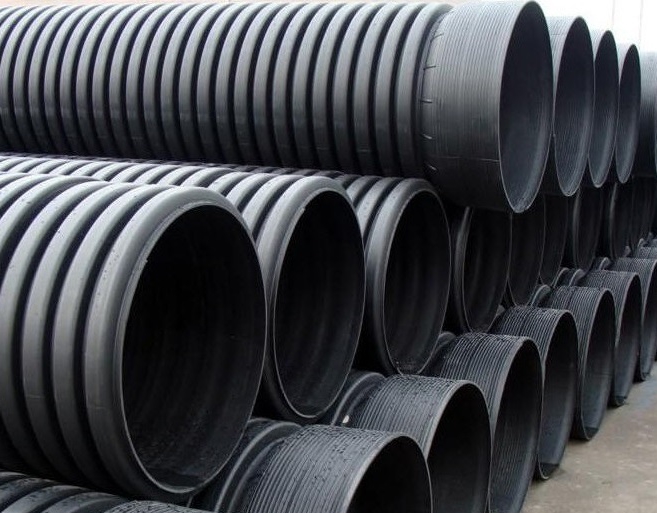
Polyvinyl chloride (PVC) stormwater pipe is a critical component of modern drainage infrastructure, utilized for the conveyance of rainwater and other surface runoff. Positioned within the civil engineering and construction material supply chain, it represents a cost-effective and durable alternative to traditional materials like concrete, ductile iron, and corrugated metal. PVC stormwater pipe systems are typically gravity-fed, though they can be integrated with pumping stations for more complex drainage requirements. Core performance characteristics include hydraulic capacity, structural integrity under load (soil cover, traffic), resistance to corrosion and chemical degradation, and long-term operational reliability. A primary industry pain point is balancing cost optimization with the necessity of meeting increasingly stringent environmental regulations regarding leaching of additives and lifecycle impact. Furthermore, achieving consistent joint integrity and preventing infiltration/exfiltration remain ongoing engineering challenges.
Material Science & Manufacturing
The primary raw material for PVC stormwater pipe is polyvinyl chloride resin, a thermoplastic polymer produced through the polymerization of vinyl chloride monomer. The resin's inherent properties – rigidity, chemical resistance, and relatively low cost – contribute to the pipe's suitability for subsurface applications. However, pure PVC is brittle; therefore, plasticizers, typically phthalates or increasingly, bio-based alternatives, are added to enhance flexibility and impact resistance. Other crucial additives include heat stabilizers (to prevent degradation during processing), lubricants (to facilitate extrusion), and UV stabilizers (to protect against sunlight exposure, particularly for above-ground applications).
Manufacturing typically employs extrusion processes. PVC compound is fed into a single-screw or twin-screw extruder, where it is heated, melted, and forced through a die to form a continuous pipe profile. Critical parameters during extrusion include melt temperature, screw speed, die pressure, and cooling rate. Precise control of these variables is essential to ensure consistent wall thickness, diameter, and roundness. Pipe is then cut to specified lengths, bell-and-spigot joints or gasketed joints are formed, and the pipe undergoes quality control testing. For larger diameter pipes, co-extrusion may be used to create a reinforced wall structure, incorporating a layer of high-strength material to enhance load-bearing capacity. Welding techniques, like solvent cementing or heat fusion, are crucial for joining pipe sections during installation; proper surface preparation and adhesive application are essential for long-term joint integrity.
Performance & Engineering
The performance of PVC stormwater pipe is dictated by several engineering considerations. Hydraulic capacity is determined by the pipe's internal diameter and roughness coefficient (Manning's n). Structural integrity is assessed via ring stiffness (a measure of the pipe’s resistance to flattening) and pipe burst pressure, validated through hydrostatic testing. The ability to withstand external loads – soil overburden, traffic loads – is critical; these loads induce stress on the pipe, potentially leading to ovalation or cracking. Finite element analysis (FEA) is frequently employed to model stress distributions and optimize pipe wall thickness.
Environmental resistance is a significant factor. PVC exhibits excellent resistance to most acids, alkalis, and salts commonly found in stormwater runoff, however, prolonged exposure to certain solvents or hydrocarbons can cause swelling and degradation. Temperature fluctuations impact PVC’s mechanical properties; low temperatures can increase brittleness, while high temperatures can reduce strength. Compliance requirements, governed by standards like ASTM D2412 and ASTM F477, dictate minimum performance levels for these parameters. Furthermore, long-term creep – the gradual deformation of the pipe under sustained load – must be considered in design. Proper bedding and backfill materials are crucial to provide uniform support and minimize stress concentration.
Technical Specifications
| Parameter | Units | Typical Value (DN/ID 150mm) | Testing Standard |
|---|---|---|---|
| Nominal Pipe Size | mm | 150 | ISO 1452 |
| Inside Diameter | mm | 145 | ASTM D2412 |
| Wall Thickness | mm | 5.8 | ASTM D2412 |
| Ring Stiffness | kPa | 750 | ASTM D2412 |
| Pipe Burst Pressure | MPa | 2.0 | ASTM D2412 |
| Longitudinal Reversion | % | ≤ 2.0 | ASTM D2412 |
Failure Mode & Maintenance
PVC stormwater pipe is susceptible to several failure modes. Fatigue cracking can occur due to repeated loading cycles, particularly in areas with poor bedding or concentrated stress. Soil settlement or differential movement can induce excessive bending stress, leading to cracking. Delamination, where layers within the pipe wall separate, can result from improper extrusion or material incompatibility. Chemical degradation, while generally resistant, can be exacerbated by exposure to aggressive substances. Oxidation, particularly UV exposure for above-ground sections, can embrittle the material over time. Joint failures, due to improper solvent cementing or gasket installation, are a common source of infiltration and exfiltration.
Maintenance typically involves periodic inspection for cracks, deformation, and joint leaks. Video inspection using remotely operated robotic cameras is a common method for assessing pipe condition without excavation. Minor cracks can be repaired using specialized patching compounds. Joint leaks can be sealed with sealant or by replacing the gasket. For significant damage, pipe replacement is often necessary. Preventative maintenance includes ensuring proper bedding and backfill compaction during installation, avoiding the use of incompatible chemicals in the drainage system, and protecting exposed sections from UV radiation. Routine cleaning to remove sediment and debris can also extend the pipe’s service life.
Industry FAQ
Q: What is the impact of temperature on the long-term performance of PVC stormwater pipe?
A: Elevated temperatures can reduce the strength and stiffness of PVC over time, while low temperatures can increase brittleness, making the pipe more susceptible to cracking under impact. Proper material selection and consideration of the operating temperature range are crucial for ensuring long-term durability. Thermal expansion and contraction also need to be accounted for in design to prevent stress buildup at joints.
Q: How does soil corrosivity affect the service life of PVC pipe?
A: While PVC itself is highly corrosion-resistant, aggressive soils (high acidity, salinity, or sulfate content) can potentially leach plasticizers from the PVC compound, leading to embrittlement over extended periods. Proper selection of PVC compounds formulated for corrosive environments and the use of protective coatings can mitigate this risk.
Q: What are the key considerations for ensuring watertight joints in PVC stormwater systems?
A: Proper surface preparation – cleaning and priming – is essential for solvent cementing. The correct solvent cement type must be used, compatible with both the pipe and fitting materials. Adequate curing time is critical. For gasketed joints, ensure the gasket is properly seated and undamaged during installation. Regular inspection and maintenance of joints are necessary to detect and repair leaks.
Q: How does the load-bearing capacity of PVC pipe compare to concrete or ductile iron pipe?
A: Concrete and ductile iron generally exhibit higher load-bearing capacity than PVC, particularly for deep burial applications or heavy traffic loads. However, PVC’s lighter weight simplifies installation and reduces transportation costs. Modern PVC formulations and reinforced pipe designs can significantly improve load-bearing capacity, making it suitable for a wider range of applications. Proper bedding and backfill are crucial for maximizing the load-bearing capacity of all pipe materials.
Q: What environmental regulations govern the use of PVC in stormwater infrastructure, and what are the emerging trends?
A: Regulations vary by region, but generally focus on limiting the leaching of additives (particularly phthalate plasticizers) into the environment and promoting the use of sustainable materials. Emerging trends include the development of bio-based plasticizers, increased recycling of PVC, and the implementation of lifecycle assessment (LCA) methodologies to evaluate the environmental impact of PVC pipe systems.
Conclusion
PVC stormwater pipe remains a dominant material in drainage infrastructure due to its balance of cost-effectiveness, durability, and ease of installation. Understanding the material science, manufacturing processes, and engineering principles governing its performance is critical for ensuring long-term reliability and compliance with evolving regulatory requirements. The continued development of advanced PVC formulations, improved manufacturing techniques, and robust quality control measures are essential for addressing industry pain points related to environmental impact and structural performance.
Future advancements will likely focus on enhancing the sustainability of PVC, through increased utilization of recycled content and bio-based additives, as well as optimizing pipe designs to maximize hydraulic efficiency and load-bearing capacity. Continued research into failure modes and preventative maintenance strategies will also play a vital role in extending the service life of PVC stormwater infrastructure and minimizing lifecycle costs.
-
DN25 HDPE Compression Fitting-HORON INTERNATIONAL|Reliable Irrigation Solutions
NewsFeb.11,2026
-
hdpe coupling joint product Manufacturing Analysis
News2026-11-18
-
ppr pipe heating time products Performance Analysis
News2026-11-16
-
hdpe pipe sizes factory Performance Analysis
News2026-11-09
-
HDPE Pipe Sizes Service Performance Analysis
News2026-10-26
-
wholesale 15mm ppr pipe Material Science and Performance Analysis
News2026-10-20
-
wholesale pvc pipe price per foot Technical Analysis
News2026-09-21
-
wholesale long pvc pipe Technical Analysis and Manufacturing Specifications
News2026-09-15
-
wholesale plumbing kitchen sink water lines Material Performance
News2026-09-15
-
wholesale hdpe drip irrigation Material Science
News2026-09-15
-
wholesale hot water ppr pipe Performance Analysis
News2026-09-15
-
wholesale ppr plumbing Performance Analysis
News2026-09-15
-
wholesale ppr pipe supplier Performance Analysis
News2026-09-13
-
wholesale 50mm ppr pipe Performance Analysis
News2026-09-13
-
wholesale hdpe drip pipe Performance Analysis
News2026-09-13
-
wholesale hdpe pipe 63mm price Manufacturing Specification and Performance Analysis
News2026-09-13