

Feb . 11, 2026 00:01 Back to list
pvc stormwater pipe factory Performance Analysis
Introduction
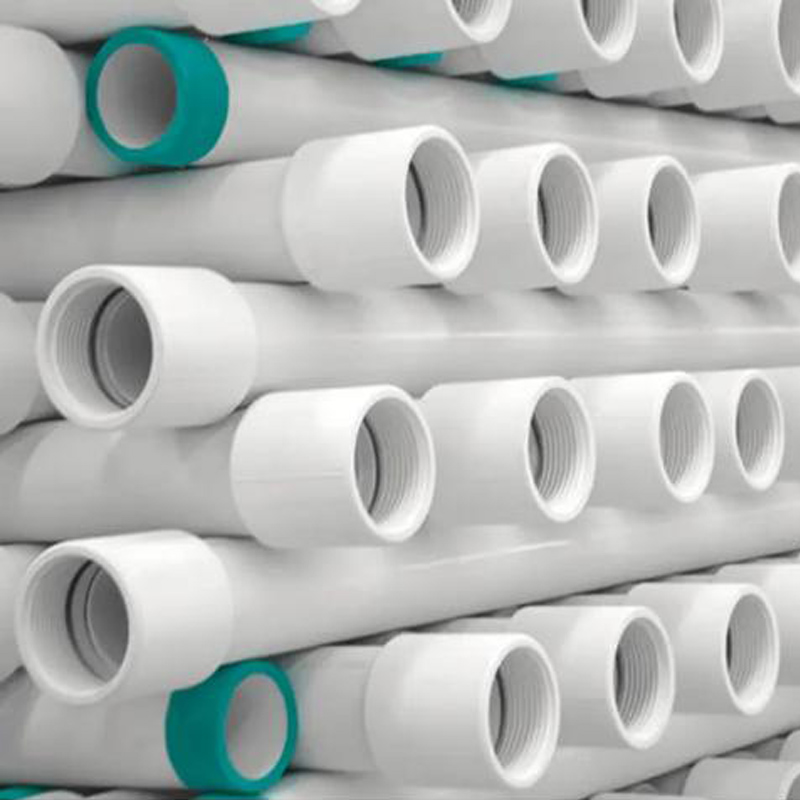
Polyvinyl Chloride (PVC) stormwater pipe is a critical component of modern drainage infrastructure, designed to efficiently convey rainwater runoff from roofs, parking areas, and other impervious surfaces. Its position within the construction supply chain is as a finished product manufactured from PVC resin, calcium carbonate filler, stabilizers, and lubricants. PVC stormwater pipe systems represent a significant advancement over traditional materials like concrete or corrugated metal, offering benefits in terms of cost-effectiveness, weight, corrosion resistance, and ease of installation. Core performance characteristics include flow capacity, structural strength (measured by pipe stiffness and crush resistance), and long-term durability under various environmental conditions. The industry faces ongoing challenges related to maintaining consistent quality across manufacturers, ensuring proper installation techniques to avoid joint failures, and adapting to increasingly stringent environmental regulations regarding material composition and lifecycle impact.
Material Science & Manufacturing
The primary raw material for PVC stormwater pipe is Polyvinyl Chloride (PVC) resin, typically sourced as suspension PVC. This resin provides the base polymer structure. Calcium carbonate (CaCO3) is added as a filler, reducing cost and improving stiffness. Stabilizers, predominantly lead-based formulations historically (though increasingly transitioning to calcium-zinc and organic-based stabilizers due to environmental concerns), protect the PVC from degradation during processing and prolonged UV exposure. Lubricants, such as stearic acid, facilitate processing and improve surface finish. Manufacturing typically involves extrusion. PVC resin, filler, stabilizers, and lubricants are thoroughly mixed and fed into a twin-screw extruder. The extruder melts and homogenizes the mixture, forcing it through a die that shapes the pipe to the desired diameter and wall thickness. Precise control of extruder temperature profiles (generally between 180°C - 220°C), screw speed, and die pressure are crucial to achieving consistent pipe dimensions and material properties. Following extrusion, pipes are cooled in a water bath, printed with markings indicating size, schedule, and manufacturing standards, and cut to length. Quality control focuses on dimensional accuracy (diameter, wall thickness, length), hydrostatic pressure testing to verify burst strength, and impact resistance testing.
Performance & Engineering
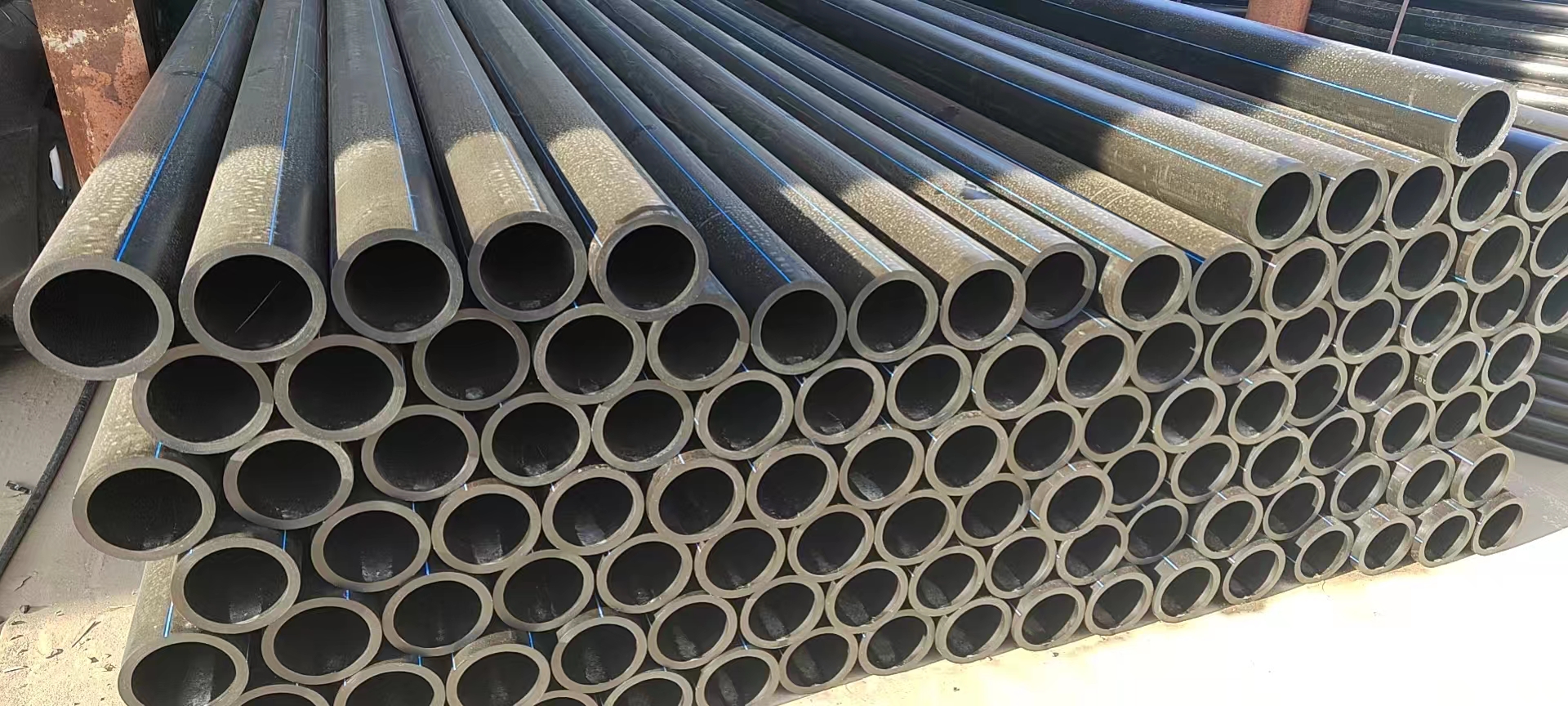
The performance of PVC stormwater pipe is fundamentally governed by hydraulic principles and structural mechanics. Flow capacity is directly related to pipe diameter, slope, and Manning’s roughness coefficient (typically 0.009 for PVC). Engineers utilize the Hazen-Williams equation or the Manning equation to calculate flow rates and ensure adequate drainage capacity. Structural integrity is assessed through pipe stiffness (measured in psi) and crush resistance (pounds per inch of width). These properties determine the pipe’s ability to withstand external loads from soil overburden, vehicular traffic (in the case of buried installations), and hydrostatic pressure. Environmental resistance is paramount. PVC exhibits excellent resistance to most acids, alkalis, and salts commonly found in stormwater runoff. However, prolonged exposure to chlorinated solvents or aromatic hydrocarbons can cause swelling and degradation. Compliance requirements vary by region but generally include adherence to ASTM standards (D2412, D3212, D1785), local building codes, and any specific regulations regarding stormwater management. Fatigue analysis is important for applications subject to cyclical loading, such as those near traffic or railways, to predict long-term performance and prevent failures.
Technical Specifications
| Parameter | Units | Typical Value (Schedule 40, 12-inch) | Testing Standard |
|---|---|---|---|
| Nominal Pipe Size | inches | 12 | ASTM D1785 |
| Outside Diameter | inches | 12.75 | ASTM D2412 |
| Wall Thickness | inches | 0.267 | ASTM D2412 |
| Pipe Stiffness | psi | 66 | ASTM D2412 |
| Burst Pressure | psi | 3600 | ASTM D1501 |
| Impact Resistance (Falling Weight) | ft-lbs | 20 | ASTM D2444 |
Failure Mode & Maintenance
PVC stormwater pipe failures can manifest in several ways. Fatigue cracking, particularly at pipe joints or areas subjected to repeated stress, is a common mode of failure. This is often accelerated by improper installation, excessive soil loading, or cyclical loading from traffic. Delamination can occur if the PVC compound is poorly mixed or if the pipe is exposed to prolonged UV radiation without adequate stabilization. Chemical degradation, while less frequent, can occur with exposure to incompatible solvents. Joint failures are a significant concern, stemming from improper solvent cementing techniques (insufficient solvent, inadequate drying time, or improper fit) or the use of incompatible primers and cements. Maintenance typically involves visual inspections to identify cracks, leaks, or signs of deterioration. Minor cracks can be repaired using specialized PVC repair compounds. For significant damage or joint failures, pipe sections may need to be replaced. Preventative measures include ensuring proper installation practices, avoiding excessive soil compaction around buried pipes, and protecting exposed pipes from direct sunlight with UV-resistant coatings.
Industry FAQ
Q: What is the impact of temperature fluctuations on the long-term performance of PVC stormwater pipe?
A: PVC experiences thermal expansion and contraction with temperature changes. While PVC has a relatively low coefficient of thermal expansion, significant temperature swings can induce stress in the pipe, particularly at joints. Proper installation techniques, including allowing for expansion and contraction gaps and utilizing flexible joints, are crucial to mitigate these stresses. The material itself is stable across a wide temperature range, but sustained exposure to extreme temperatures (above 60°C or below 0°C) can potentially accelerate degradation over the long term.
Q: How does the grade of PVC resin (e.g., PVC-K67, PVC-K70) affect the pipe’s properties?
A: The grade of PVC resin determines the polymer’s molecular weight and inherent properties. Higher K-values (e.g., K70 vs. K67) generally indicate higher molecular weight, leading to improved impact strength, toughness, and processability. However, higher K-value resins can also be more viscous and require more energy to process. The selection of the appropriate PVC resin grade is a trade-off between desired performance characteristics and manufacturing considerations.
Q: What are the current trends in PVC stabilization, and what are the implications for pipe durability?
A: The industry is moving away from lead-based stabilizers due to environmental and health concerns. Calcium-zinc (CaZn) and organic-based stabilizers are becoming increasingly prevalent. While CaZn stabilizers offer a viable alternative, they can sometimes exhibit lower heat stability and may require higher concentrations to achieve comparable performance. Organic-based stabilizers are gaining traction, offering excellent performance and environmental compatibility, but can be more expensive. The transition to these newer stabilizers requires careful formulation and quality control to ensure long-term durability and resistance to degradation.
Q: What is the role of the bell and spigot joint, and what are the best practices for its installation?
A: The bell and spigot joint is a common method for connecting PVC stormwater pipes. It involves inserting the spigot end of one pipe into the bell end of another. Proper installation is critical to ensure a watertight seal. Best practices include dry-fitting the joint to ensure proper fit, applying primer to both the spigot and bell, applying PVC cement evenly, and twisting the spigot slightly as it’s inserted to distribute the cement. Adequate drying time (as specified by the cement manufacturer) must be allowed before backfilling or pressurizing the system.
Q: How do different soil types affect the load-bearing capacity and long-term stability of buried PVC stormwater pipes?
A: Soil type significantly impacts the external loads on buried pipes. Clay soils exhibit higher load-bearing capacity but can also exert greater pressure. Sandy soils offer less support but provide better drainage. Proper bedding and backfill materials are crucial to distribute loads evenly and prevent pipe deformation. ASTM D2321 provides guidelines for bedding and backfill requirements based on soil type and pipe size. Insufficient or improperly compacted bedding can lead to premature pipe failure.
Conclusion
PVC stormwater pipe remains a highly effective and economical solution for stormwater management, offering a compelling combination of durability, corrosion resistance, and ease of installation. However, achieving optimal performance and longevity requires a thorough understanding of the material science, manufacturing processes, and engineering principles governing its behavior. The industry's ongoing evolution towards more environmentally friendly stabilizers and improved installation techniques is crucial for sustaining its position as a leading drainage infrastructure component.
Continued advancements in PVC resin technology, coupled with rigorous quality control measures and adherence to industry standards, will further enhance the reliability and sustainability of PVC stormwater pipe systems. Future research should focus on developing even more durable and environmentally benign formulations, as well as optimizing installation methods to minimize the risk of joint failures and maximize the lifespan of these critical infrastructure assets.
-
DN25 HDPE Compression Fitting-HORON INTERNATIONAL|Reliable Irrigation Solutions
NewsFeb.11,2026
-
hdpe coupling joint product Manufacturing Analysis
News2026-11-18
-
ppr pipe heating time products Performance Analysis
News2026-11-16
-
hdpe pipe sizes factory Performance Analysis
News2026-11-09
-
HDPE Pipe Sizes Service Performance Analysis
News2026-10-26
-
wholesale 15mm ppr pipe Material Science and Performance Analysis
News2026-10-20
-
wholesale pvc pipe price per foot Technical Analysis
News2026-09-21
-
wholesale long pvc pipe Technical Analysis and Manufacturing Specifications
News2026-09-15
-
wholesale plumbing kitchen sink water lines Material Performance
News2026-09-15
-
wholesale hdpe drip irrigation Material Science
News2026-09-15
-
wholesale hot water ppr pipe Performance Analysis
News2026-09-15
-
wholesale ppr plumbing Performance Analysis
News2026-09-15
-
wholesale ppr pipe supplier Performance Analysis
News2026-09-13
-
wholesale 50mm ppr pipe Performance Analysis
News2026-09-13
-
wholesale hdpe drip pipe Performance Analysis
News2026-09-13
-
wholesale hdpe pipe 63mm price Manufacturing Specification and Performance Analysis
News2026-09-13