

Feb . 11, 2026 00:01 Back to list
pvc pipe vs ppr pipe products Material Science and Performance Analysis

Introduction
Polyvinyl Chloride (PVC) and Polypropylene Random Copolymer (PPR) pipes are two of the most commonly utilized materials in modern plumbing and fluid conveyance systems. This technical guide provides an in-depth analysis of their material science, manufacturing processes, performance characteristics, and failure modes. PVC, a thermoplastic polymer, has a long-established presence, lauded for its cost-effectiveness and versatility. PPR, a relatively newer material, offers advantages in terms of temperature resistance and hygienic properties. The selection between PVC and PPR depends heavily on the specific application, considering factors such as fluid type, operating temperature, pressure requirements, and local regulatory compliance. Both materials offer substantial alternatives to traditional metallic piping, addressing concerns related to corrosion and weight. Understanding the nuanced differences between these two materials is crucial for engineers, procurement managers, and installers to ensure optimal system performance and longevity. This guide aims to provide a comprehensive resource for informed decision-making.
Material Science & Manufacturing
PVC Material Science: PVC is synthesized from vinyl chloride monomer through a polymerization process. The resulting polymer exhibits excellent chemical resistance, rigidity, and electrical insulation properties. PVC is typically compounded with plasticizers, stabilizers, and lubricants to enhance its processability and flexibility. Common plasticizers include phthalates or their alternatives, influencing the material's ductility. Stabilizers, such as organotin compounds or calcium-zinc stabilizers, prevent thermal degradation during processing. The molecular weight and chlorine content directly impact the material’s strength and fire retardancy. PVC Manufacturing: PVC pipes are predominantly manufactured via extrusion. Raw PVC compound is fed into a heated extruder, where it melts and is forced through a die to form the desired pipe shape. Cooling systems rapidly solidify the extruded pipe. Key parameters during extrusion include die temperature, screw speed, and haul-off speed, directly influencing pipe dimensions and wall thickness. Quality control involves rigorous testing of dimensions, pressure rating, and material composition.
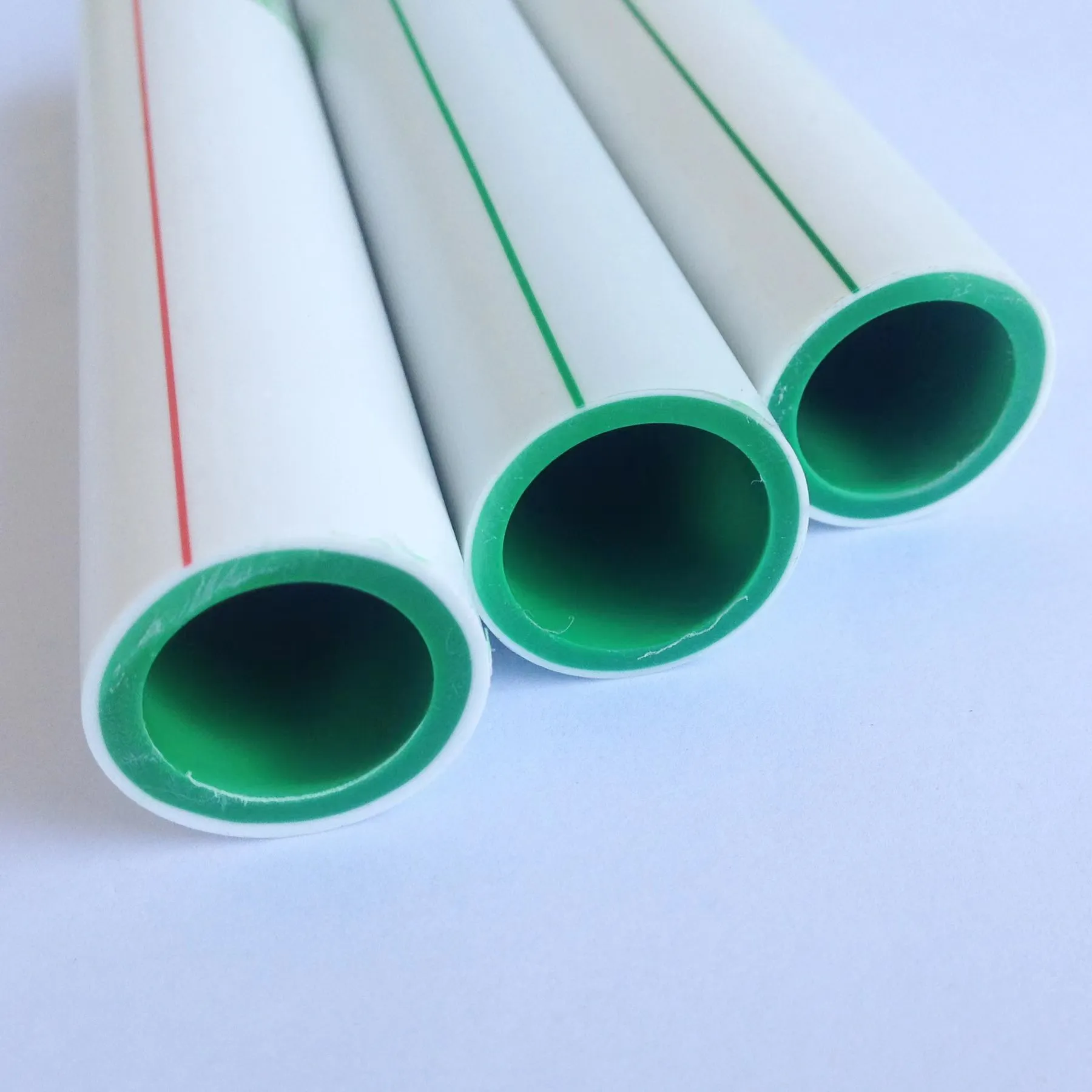
PPR Material Science: PPR is a copolymer of polypropylene and ethylene, offering improved impact resistance and weldability compared to homopolymer polypropylene. The random copolymerization disrupts the polymer’s crystallinity, enhancing its flexibility and preventing brittleness at lower temperatures. PPR exhibits excellent resistance to chemicals, making it suitable for potable water and chemical transport. PPR Manufacturing: PPR pipes are also primarily manufactured through extrusion, similar to PVC. However, PPR extrusion requires tighter temperature control due to the material’s narrower processing window. Hydrostatic pressure testing is a critical step in PPR pipe manufacturing to ensure structural integrity. Hot-melt welding is the standard joining method for PPR pipes, creating a homogenous joint with comparable strength to the pipe material itself. Key manufacturing parameters include melt temperature, pressure, and cooling rate, all impacting the pipe's structural properties.
Performance & Engineering
Pressure Rating & Mechanical Strength: PVC pipes generally exhibit higher tensile strength but lower impact resistance compared to PPR. The pressure rating of both materials is dependent on wall thickness and pipe diameter, adhering to established standards like ASTM D1785 (PVC) and DIN 8077/8078 (PPR). Finite Element Analysis (FEA) is frequently employed in engineering designs to optimize pipe dimensions and ensure structural integrity under varying pressure and temperature conditions. Thermal Performance: PPR demonstrates superior temperature resistance, capable of withstanding continuous operating temperatures up to 70°C, while PVC typically has a maximum operating temperature of around 60°C. This difference makes PPR the preferred choice for hot water distribution systems. Thermal expansion coefficients differ significantly between the two materials; PPR exhibits a higher coefficient, necessitating expansion loops or flexible connectors in long pipeline runs to prevent stress cracking.
Chemical Resistance & Corrosion: Both PVC and PPR possess excellent resistance to a wide range of chemicals, including acids, alkalis, and salts. However, prolonged exposure to certain solvents can cause degradation. PVC is more susceptible to degradation from ultraviolet (UV) radiation, requiring the addition of UV stabilizers in outdoor applications. PPR is largely unaffected by UV exposure. Hydraulic Performance: The inner surface roughness of PPR pipes is generally lower than that of PVC, resulting in reduced friction losses and improved hydraulic efficiency. This translates to lower pumping energy requirements in fluid transport systems.
Technical Specifications
| Parameter | PVC (Schedule 40) | PPR (PN20) | Unit |
|---|---|---|---|
| Tensile Strength | 55-70 | 30-40 | MPa |
| Impact Strength (Izod Notched) | 5-10 | 20-30 | kJ/m² |
| Maximum Operating Temperature | 60 | 70 | °C |
| Maximum Operating Pressure (at 20°C) | 4.5-10.5 | 2.0 | Bar |
| Thermal Expansion Coefficient | 0.065 x 10⁻⁶ | 0.15 x 10⁻⁶ | /°C |
| Chemical Resistance | Excellent to most acids & alkalis | Excellent to most acids & alkalis | - |
Failure Mode & Maintenance
PVC Failure Modes: Common failure modes in PVC pipes include brittle fracture due to impact damage, stress cracking caused by sustained tensile stress, and degradation from UV exposure. Chlorine embrittlement, a phenomenon where residual chlorine in potable water attacks the polymer matrix, can lead to long-term weakening. Joint failures often occur due to improper solvent welding techniques or incompatible adhesive selection.
PPR Failure Modes: PPR pipes are more prone to creep rupture at elevated temperatures and pressures. Improper hot-melt welding can create weak joints susceptible to failure. Thermal expansion stress, if not adequately accommodated, can induce cracking. Exposure to certain organic solvents can cause swelling and degradation. Maintenance: Regular visual inspections are crucial for identifying signs of damage, such as cracks, leaks, or discoloration. PVC pipes should be protected from direct sunlight with coatings or shading. PPR systems require periodic checks of weld joints for any signs of leakage or deformation. Preventative maintenance includes flushing the system to remove sediment and prevent corrosion. Repairing minor cracks in PVC can be achieved using PVC cement and patching compounds. Severely damaged sections require replacement. For PPR, damaged sections should be cut and replaced using hot-melt welding, ensuring proper alignment and weld quality.
Industry FAQ
Q: What are the key considerations when selecting between PVC and PPR for a potable water distribution system?
A: For potable water systems, PPR offers advantages in terms of hygienic properties, as it doesn't leach harmful chemicals into the water. However, PVC is often more cost-effective. The water temperature is a critical factor; if hot water is involved, PPR is the preferred choice. Consideration should also be given to local regulations regarding material approvals for potable water applications.
Q: How does UV exposure affect the long-term performance of PVC pipes?
A: Prolonged UV exposure causes PVC to degrade, leading to embrittlement and reduced tensile strength. UV stabilizers are essential additives in PVC formulations intended for outdoor applications. Alternatively, painting or shielding the pipes from direct sunlight can mitigate UV damage.
Q: What are the critical parameters for ensuring a reliable hot-melt weld in PPR piping?
A: Maintaining the correct heating plate temperature, applying consistent pressure during welding, and ensuring proper alignment of the pipe and fitting are crucial. The welding time must be optimized based on the pipe diameter and wall thickness. A thorough visual inspection of the weld bead is essential to identify any defects.
Q: Can PVC and PPR pipes be directly connected? If not, what are the recommended joining methods?
A: Directly connecting PVC and PPR is not recommended due to differing thermal expansion rates and material incompatibility. Transition fittings made of compatible materials (e.g., CPVC) are necessary to join the two systems. These fittings accommodate differential expansion and provide a secure, leak-proof connection.
Q: What are the environmental implications of using PVC versus PPR?
A: PVC production utilizes chlorine, and its disposal can pose environmental challenges due to potential dioxin emissions during incineration. PPR is derived from polypropylene, a hydrocarbon polymer, and is generally considered more environmentally friendly in terms of production and disposal. Recycling options for both materials are increasing, reducing their environmental footprint.
Conclusion
The selection between PVC and PPR pipes requires a comprehensive assessment of the specific application requirements. PVC remains a viable and cost-effective solution for cold water distribution and drainage systems where temperature and chemical resistance demands are moderate. Its established manufacturing infrastructure and widespread availability contribute to its continued prevalence. However, PPR offers superior performance in high-temperature applications, potable water systems prioritizing hygiene, and situations requiring greater impact resistance. The inherent advantages of PPR in these areas often justify the higher initial cost.
Future developments in polymer technology are likely to yield enhanced PVC formulations with improved UV resistance and thermal stability, potentially bridging the performance gap with PPR. Furthermore, advancements in recycling technologies will play a critical role in minimizing the environmental impact of both materials. Ultimately, a thorough understanding of the material properties, manufacturing processes, and potential failure modes, coupled with adherence to relevant industry standards, is paramount for ensuring long-term reliability and optimal performance in any piping system.
-
DN25 HDPE Compression Fitting-HORON INTERNATIONAL|Reliable Irrigation Solutions
NewsFeb.11,2026
-
hdpe coupling joint product Manufacturing Analysis
News2026-11-18
-
ppr pipe heating time products Performance Analysis
News2026-11-16
-
hdpe pipe sizes factory Performance Analysis
News2026-11-09
-
HDPE Pipe Sizes Service Performance Analysis
News2026-10-26
-
wholesale 15mm ppr pipe Material Science and Performance Analysis
News2026-10-20
-
wholesale pvc pipe price per foot Technical Analysis
News2026-09-21
-
wholesale long pvc pipe Technical Analysis and Manufacturing Specifications
News2026-09-15
-
wholesale plumbing kitchen sink water lines Material Performance
News2026-09-15
-
wholesale hdpe drip irrigation Material Science
News2026-09-15
-
wholesale hot water ppr pipe Performance Analysis
News2026-09-15
-
wholesale ppr plumbing Performance Analysis
News2026-09-15
-
wholesale ppr pipe supplier Performance Analysis
News2026-09-13
-
wholesale 50mm ppr pipe Performance Analysis
News2026-09-13
-
wholesale hdpe drip pipe Performance Analysis
News2026-09-13
-
wholesale hdpe pipe 63mm price Manufacturing Specification and Performance Analysis
News2026-09-13