

Feb . 11, 2026 00:01 Back to list
pvc pipe vs ppr pipe product Performance Analysis
Introduction
Polyvinyl Chloride (PVC) and Polypropylene Random (PPR) pipes represent the two dominant thermoplastic piping systems utilized in modern building and infrastructure applications. PVC, a well-established material, boasts a long history of successful deployment in potable water, drainage, wastewater, and irrigation systems. PPR, a more recent innovation, is increasingly preferred for hot and cold water distribution, central heating systems, and industrial fluid transport. This guide provides an in-depth technical comparison of PVC and PPR pipes, encompassing material science, manufacturing processes, performance characteristics, potential failure modes, and relevant industry standards. The core challenge for engineers and procurement professionals lies in selecting the optimal material based on application-specific requirements considering cost, longevity, chemical resistance, and thermal performance. Misalignment between material properties and operational demands results in premature failure, costly repairs, and potential system downtime.
Material Science & Manufacturing
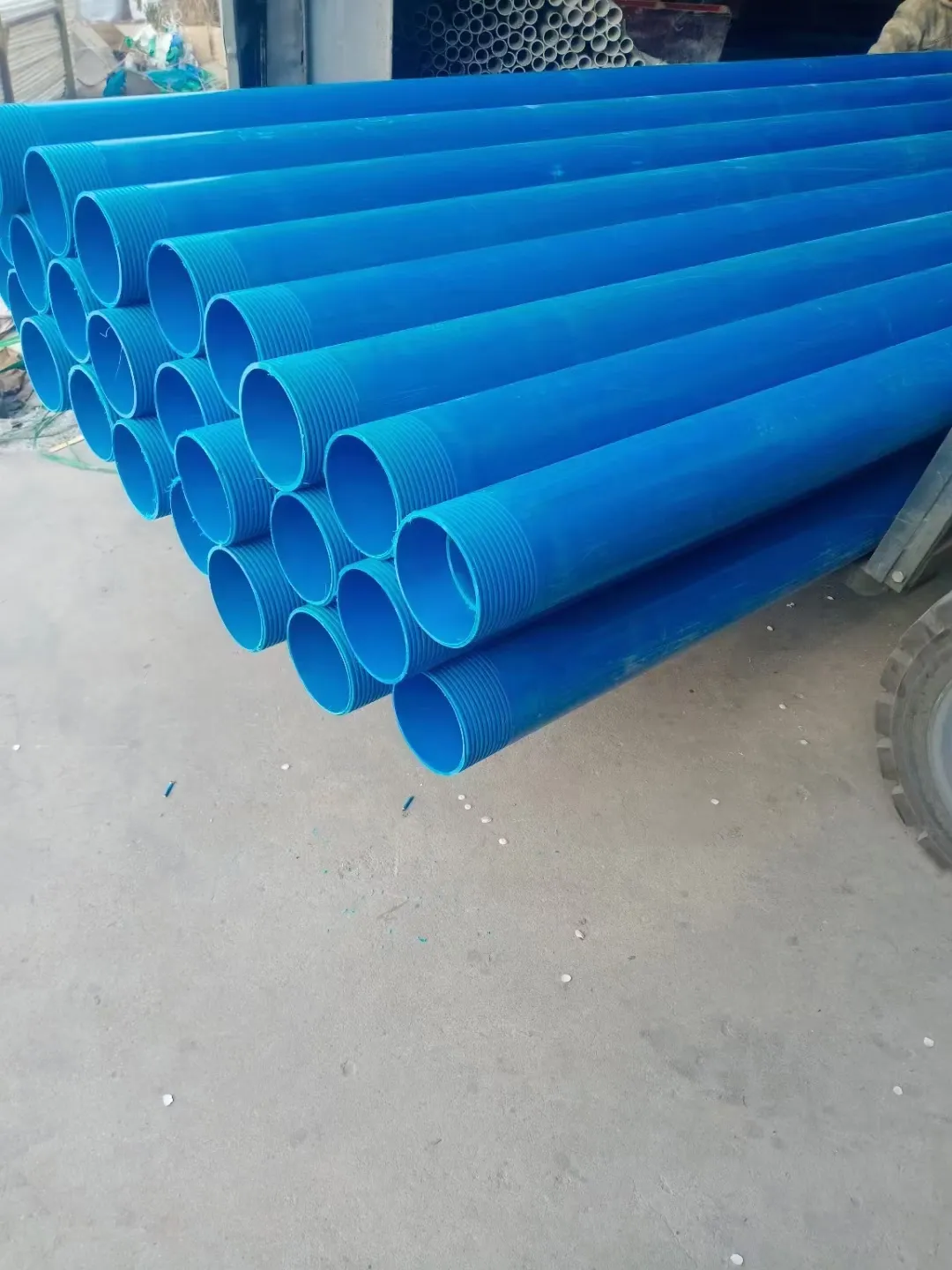
PVC: PVC is produced via the polymerization of vinyl chloride monomer (VCM). The resulting polymer is inherently rigid, necessitating the incorporation of plasticizers to enhance flexibility, particularly for non-pressure applications. PVC formulations typically include stabilizers (e.g., calcium-zinc, lead-based – increasingly restricted due to environmental concerns), lubricants, and fillers (e.g., calcium carbonate) to modify processing characteristics and performance. Manufacturing predominantly utilizes extrusion, where a molten PVC compound is forced through a die to create seamless pipes. Critical parameters during extrusion include melt temperature (180-220°C), screw speed, and die geometry. The cooling process – often water-based – dictates the pipe's dimensional stability. Jointing methods include solvent cement welding (creating a chemical weld), threaded connections, and flanged joints. The amorphous structure of PVC contributes to its brittleness at low temperatures.
PPR: PPR is manufactured from polypropylene resin, specifically random copolymer polypropylene, which offers improved impact resistance and weldability compared to homopolymer polypropylene. PPR formulations typically contain stabilizers (antioxidants and UV stabilizers) to prevent degradation during processing and service. Extrusion is the primary manufacturing method for PPR pipes, utilizing similar principles to PVC extrusion, but with lower melt temperatures (230-260°C). PPR pipes are most commonly joined using heat fusion welding – a process involving heating both the pipe and fitting surfaces and pressing them together to create a homogenous joint. This process requires skilled operators and specialized equipment. The semi-crystalline structure of PPR imparts greater ductility and resistance to slow crack propagation compared to PVC.

Performance & Engineering
Pressure Rating & Burst Strength: PVC pipes exhibit excellent tensile strength, but their brittle nature limits their ability to withstand high pressure surges. PPR pipes, due to their greater ductility, generally demonstrate superior pressure handling capabilities and resistance to water hammer. Hydrostatic pressure testing is critical to verifying the pressure rating of both pipe types. The Sch 40 and Sch 80 classifications for PVC define wall thickness and corresponding pressure ratings. PPR pipes are categorized by S-series (S2, S2.5, S3.2, S4, S5, S6), with higher 'S' values indicating thicker walls and greater pressure resistance.
Thermal Expansion & Contraction: PVC has a significantly higher coefficient of thermal expansion compared to PPR. This necessitates careful consideration of expansion loops and appropriate anchoring systems in hot water applications to prevent stress buildup and potential joint failure. PPR, with its lower coefficient of thermal expansion, is less susceptible to these issues. Thermal stress analysis is vital for designing piping systems operating at elevated temperatures.
Chemical Resistance: Both PVC and PPR exhibit good resistance to a wide range of chemicals. However, PVC is more vulnerable to degradation by aromatic hydrocarbons and chlorinated solvents. PPR offers superior resistance to these chemicals, making it suitable for industrial applications involving more aggressive fluids. Compatibility charts outlining chemical resistance should be consulted prior to material selection.
Fire Performance: PVC releases corrosive and toxic fumes upon combustion, posing a significant fire hazard. PPR exhibits better fire performance, releasing less toxic fumes and exhibiting self-extinguishing characteristics. Fire resistance testing, according to UL 94 or equivalent standards, is critical for assessing flammability.
Technical Specifications
| Parameter | PVC | PPR | Units |
|---|---|---|---|
| Density | 1.40 | 0.90 - 0.92 | g/cm³ |
| Tensile Strength | 55-70 | 25-35 | MPa |
| Elongation at Break | 2-5 | 150-300 | % |
| Water Absorption (24hr) | 0.2-0.5 | 0.05-0.1 | % |
| Coefficient of Thermal Expansion | 8 x 10⁻⁵ | 1.5 x 10⁻⁴ | /°C |
| Maximum Operating Temperature | 60 | 95 | °C |
| Oxygen Transmission Rate (OTR) | High | Low | cm³/m²/day |
Failure Mode & Maintenance
PVC Failure Modes: PVC pipes are susceptible to brittle fracture, particularly at low temperatures or due to impact damage. Long-term exposure to UV radiation can lead to embrittlement and cracking. Solvent weld joint failures are common due to improper application techniques or incompatible solvents. Slow crack growth (SCG) can occur in PVC pipes under sustained tensile stress, particularly in the presence of certain chemicals. Regular visual inspections for cracks, discoloration, and joint leakage are essential.
PPR Failure Modes: PPR pipes can experience creep deformation under sustained high temperatures and pressure. Improper heat fusion welding can result in weak joints prone to leakage. Oxidation can occur at elevated temperatures, reducing the pipe’s mechanical properties. Delamination can occur if the polypropylene material is contaminated or improperly processed. Maintenance involves periodic inspections of weld seams and pressure testing to identify potential leaks. The use of appropriate welding equipment and trained personnel is crucial for ensuring long-term reliability.
Preventive Maintenance: For both materials, proper bedding and backfilling procedures are essential to prevent mechanical stress. Avoiding direct sunlight exposure through protective coatings or burial mitigates UV degradation. Regular flushing to remove sediment buildup prevents corrosion and flow restriction. Implementing a robust corrosion monitoring program helps identify potential problems early on.
Industry FAQ
Q: What is the primary advantage of PPR over PVC for hot water applications?
A: PPR's significantly lower coefficient of thermal expansion minimizes stress on joints and reduces the risk of leaks compared to PVC, which expands considerably with temperature increases. Furthermore, PPR can withstand higher operating temperatures without significant degradation in mechanical properties.
Q: How does solvent welding for PVC compare to heat fusion welding for PPR in terms of joint strength?
A: Properly executed heat fusion welding for PPR generally creates a stronger, more homogenous joint than solvent welding for PVC. Heat fusion welding molecularly bonds the pipe and fitting, while solvent welding relies on a chemical reaction that can be affected by temperature, humidity, and improper application.
Q: What chemical compatibility concerns should I be aware of when selecting between PVC and PPR?
A: PVC is susceptible to degradation by aromatic hydrocarbons and chlorinated solvents. PPR exhibits superior resistance to these chemicals. Always consult a chemical compatibility chart to ensure the chosen material is compatible with the fluid being transported.
Q: What are the long-term cost implications of using PPR versus PVC, considering maintenance and replacement?
A: While the initial material cost of PPR may be higher, its superior durability, lower risk of leaks, and reduced maintenance requirements can result in lower lifecycle costs compared to PVC, especially in demanding applications.
Q: What standards govern the quality control of PVC and PPR pipes?
A: PVC pipes are typically governed by ASTM D1785 and NSF 61. PPR pipes adhere to standards like DIN 8077 and EN ISO 15876. Compliance with these standards ensures that the pipes meet minimum performance requirements for pressure rating, material quality, and chemical resistance.
Conclusion
The selection between PVC and PPR pipes necessitates a thorough evaluation of application-specific requirements. PVC remains a cost-effective solution for cold water distribution, drainage, and non-critical applications. However, PPR’s superior thermal performance, ductility, and chemical resistance make it the preferred choice for hot water systems, central heating, and industrial fluid transport where long-term reliability and minimal maintenance are paramount. Understanding the material science, manufacturing processes, and potential failure modes of each material is crucial for informed decision-making.
Future advancements in polymer technology may lead to the development of hybrid materials combining the strengths of both PVC and PPR. The implementation of predictive maintenance programs utilizing sensor technology and data analytics will further enhance the longevity and efficiency of piping systems. Ultimately, a holistic approach considering both initial cost and lifecycle cost is essential for optimizing infrastructure investments.
-
DN25 HDPE Compression Fitting-HORON INTERNATIONAL|Reliable Irrigation Solutions
NewsFeb.11,2026
-
hdpe coupling joint product Manufacturing Analysis
News2026-11-18
-
ppr pipe heating time products Performance Analysis
News2026-11-16
-
hdpe pipe sizes factory Performance Analysis
News2026-11-09
-
HDPE Pipe Sizes Service Performance Analysis
News2026-10-26
-
wholesale 15mm ppr pipe Material Science and Performance Analysis
News2026-10-20
-
wholesale pvc pipe price per foot Technical Analysis
News2026-09-21
-
wholesale long pvc pipe Technical Analysis and Manufacturing Specifications
News2026-09-15
-
wholesale plumbing kitchen sink water lines Material Performance
News2026-09-15
-
wholesale hdpe drip irrigation Material Science
News2026-09-15
-
wholesale hot water ppr pipe Performance Analysis
News2026-09-15
-
wholesale ppr plumbing Performance Analysis
News2026-09-15
-
wholesale ppr pipe supplier Performance Analysis
News2026-09-13
-
wholesale 50mm ppr pipe Performance Analysis
News2026-09-13
-
wholesale hdpe drip pipe Performance Analysis
News2026-09-13
-
wholesale hdpe pipe 63mm price Manufacturing Specification and Performance Analysis
News2026-09-13