

Feb . 11, 2026 00:01 Back to list
pvc pipe vs ppr pipe manufacturers Material Science Performance

Introduction
Polyvinyl chloride (PVC) and Polypropylene Random (PPR) pipes represent the dominant thermoplastic piping solutions in modern infrastructure, particularly for potable water, drainage, and industrial fluid transport. While both offer corrosion resistance and are lighter alternatives to traditional metal piping, they differ fundamentally in their material composition, manufacturing processes, performance characteristics, and suitability for specific applications. PVC, a widely established material, is known for its rigidity and cost-effectiveness, while PPR offers advantages in temperature resistance and weldability. This guide provides a comprehensive technical assessment of PVC and PPR pipes, dissecting their material science, manufacturing intricacies, engineering performance, potential failure modes, and relevant industry standards, aiming to equip engineers, procurement managers, and industry professionals with the knowledge necessary for informed material selection.
Material Science & Manufacturing
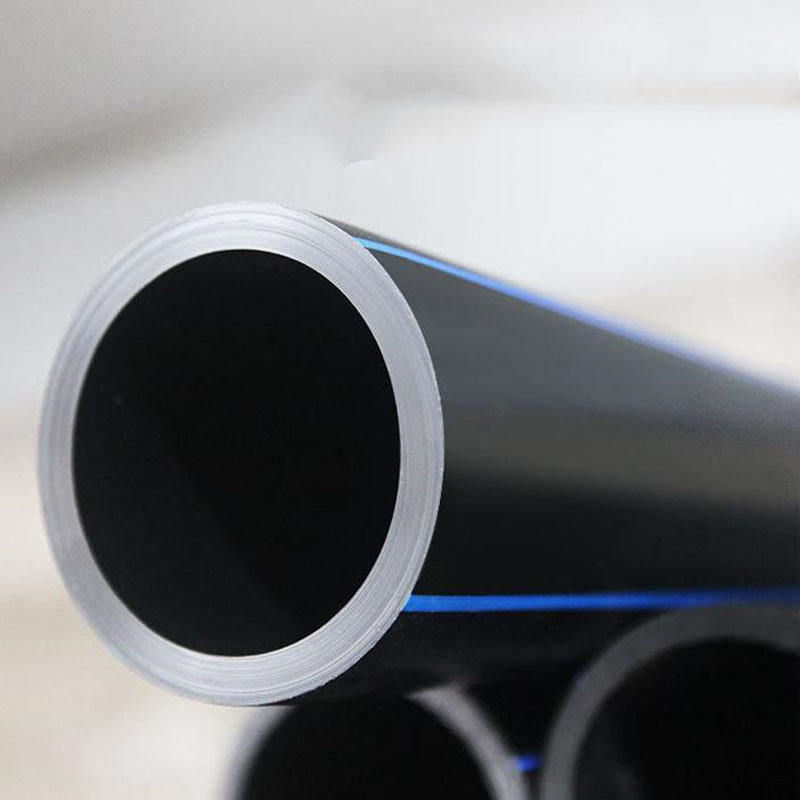
PVC (Polyvinyl Chloride): PVC is produced through the polymerization of vinyl chloride monomer (VCM). The resulting polymer is inherently rigid, necessitating the addition of plasticizers to enhance flexibility for certain applications. PVC’s amorphous structure contributes to its good chemical resistance but limits its high-temperature performance. Manufacturing involves compounding PVC resin with stabilizers (typically lead or calcium-zinc based), lubricants, and fillers, followed by extrusion or injection molding to form pipes. Critical process parameters include resin temperature, extrusion speed, and die design, which dictate pipe dimensions and mechanical properties. PPR (Polypropylene Random): PPR utilizes polypropylene random copolymer, where methyl groups are randomly distributed along the polymer chain. This random arrangement disrupts the polymer’s crystallinity, resulting in enhanced flexibility and improved impact resistance compared to homopolymer polypropylene. PPR pipes are manufactured primarily through extrusion, utilizing a similar compounding process to PVC, but employing different stabilizers and additives suited to polypropylene’s chemical nature. Key parameters in PPR pipe manufacturing include melt temperature, screw speed, and cooling rate, influencing the pipe’s amorphous structure and dimensional accuracy. The homogeneity of the copolymer distribution is crucial for long-term performance, impacting weldability and resistance to environmental stress cracking. The selection of stabilizers in PPR is critical to prevent thermal degradation during processing and service life.
Performance & Engineering
Pressure Resistance & Burst Strength: PVC's higher rigidity generally translates to superior short-term burst strength at ambient temperatures. However, PPR exhibits a more gradual pressure derating curve with increasing temperature. Detailed force analysis, considering hoop stress and longitudinal stress, is essential for determining the appropriate pipe schedule (wall thickness) for a given application. Finite element analysis (FEA) is commonly employed to model stress distribution under various loading conditions, including hydrostatic pressure and external loads. Thermal Performance: PVC’s glass transition temperature (Tg) is approximately 80°C, limiting its use in hot water applications. Exposure to temperatures exceeding this limit can lead to softening and deformation. PPR, with a higher Tg of around 130-170°C, can withstand significantly higher temperatures, making it suitable for hot and cold water distribution systems. Chemical Resistance: Both PVC and PPR exhibit good resistance to a broad range of chemicals, including acids, alkalis, and salts. However, prolonged exposure to certain solvents and hydrocarbons can cause swelling or degradation. The specific chemical resistance of each material should be verified based on the application’s fluid composition. Jointing Techniques: PVC is typically joined using solvent cement welding, creating a strong, permanent bond. The quality of the weld depends on proper surface preparation, adhesive application, and curing time. PPR is commonly joined using heat fusion welding, which involves heating the pipe and fitting simultaneously and pressing them together, resulting in a homogeneous joint with excellent strength and leak tightness. Correct welding parameters (temperature and pressure) are critical for achieving optimal joint integrity.
Technical Specifications
| Parameter | PVC (Typical Values) | PPR (Typical Values) | Unit |
|---|---|---|---|
| Density | 1.40 | 0.90 - 0.92 | g/cm³ |
| Tensile Strength | 55 - 75 | 25 - 35 | MPa |
| Elongation at Break | 30 - 50 | 150 - 300 | % |
| Water Absorption (24hr) | 0.2 - 0.4 | 0.05 - 0.1 | % |
| Vicat Softening Temperature | 80 | 130 - 170 | °C |
| Maximum Operating Temperature | 60 | 95 | °C |
| Oxygen Transmission Rate (OTR) | 5 - 10 | 2 - 5 | cm³/m²/day |
Failure Mode & Maintenance
PVC Failure Modes: PVC pipes are susceptible to brittle fracture, particularly at low temperatures or when subjected to impact loads. Environmental Stress Cracking (ESC) can occur due to prolonged exposure to certain chemicals or ultraviolet radiation. UV degradation leads to surface chalking and loss of mechanical properties. Joint failure in solvent-cemented PVC systems can result from inadequate surface preparation, improper adhesive application, or solvent evaporation before bonding. PPR Failure Modes: PPR pipes are more resistant to brittle fracture due to their higher impact strength. However, they can be susceptible to creep deformation at elevated temperatures under sustained stress. Oxidation can occur at high temperatures, leading to degradation of the polymer matrix. Improper heat fusion welding can result in weak joints with insufficient strength. Long-term exposure to chlorine can cause embrittlement in PPR systems. Maintenance: Regular visual inspections are crucial for identifying signs of degradation, such as cracks, discoloration, or leaks. For PVC systems, check solvent-cemented joints for signs of separation or cracking. For PPR systems, inspect heat-fused joints for any evidence of incomplete fusion or oxidation. Preventative maintenance measures include protecting pipes from direct sunlight exposure and avoiding the use of incompatible chemicals. In the event of a leak, promptly repair or replace the damaged section of pipe, ensuring proper jointing techniques are employed.
Industry FAQ
Q: What is the impact of water hardness on the lifespan of PVC and PPR pipes?
A: Hard water contains dissolved minerals, primarily calcium and magnesium carbonates, which can lead to scale buildup inside pipes. While both PVC and PPR exhibit good resistance to scale accumulation, the rougher inner surface of some PVC pipes may promote faster scale formation compared to the smoother surface of PPR pipes. Scale buildup reduces the effective flow area, increasing pressure drop and potentially leading to blockages over time. Regular flushing or water softening may be necessary to mitigate scale buildup in hard water environments.
Q: How does freeze-thaw cycling affect the performance of PVC and PPR pipes?
A: PVC is significantly more susceptible to damage from freeze-thaw cycles than PPR. When water freezes inside a PVC pipe, the expansion creates significant internal pressure, which can cause the pipe to crack or burst. PPR, due to its greater flexibility and elongation at break, can withstand a degree of expansion without catastrophic failure. However, prolonged or severe freeze-thaw cycles can still lead to stress cracking in PPR pipes. Insulation and proper drainage are crucial preventative measures.
Q: What are the key considerations for selecting pipe material in industrial applications involving corrosive fluids?
A: The specific chemical composition of the corrosive fluid is paramount. While both PVC and PPR offer good resistance to many common chemicals, certain aggressive substances can cause degradation. Detailed chemical compatibility testing is essential before selecting a pipe material. Considerations include the concentration of the corrosive substance, temperature, and exposure duration. In highly corrosive environments, specialized materials such as CPVC (Chlorinated Polyvinyl Chloride) or fluoropolymers may be necessary.
Q: What is the cost comparison between PVC and PPR pipe systems, considering installation and long-term maintenance?
A: PVC pipe material is generally less expensive than PPR. However, the total cost of a pipe system extends beyond the material price. PPR systems typically have lower installation costs due to the efficiency of heat fusion welding compared to solvent cementing in PVC. Furthermore, the superior reliability of heat-fused joints can reduce long-term maintenance costs associated with leak repairs. The overall cost-effectiveness depends on the specific application, installation complexity, and anticipated service life.
Q: What environmental regulations govern the disposal of PVC and PPR pipe waste?
A: The disposal of PVC and PPR pipe waste is subject to varying environmental regulations depending on the region. PVC contains chlorine, which can release harmful dioxins when incinerated improperly. Recycling PVC is becoming increasingly common, but infrastructure availability varies. PPR is generally considered more environmentally friendly for disposal as it does not contain chlorine. However, proper sorting and recycling are still essential to minimize landfill waste. Always adhere to local environmental regulations regarding plastic waste disposal.
Conclusion
The choice between PVC and PPR pipe systems necessitates a thorough understanding of their respective material properties, manufacturing processes, and performance characteristics. PVC remains a viable option for applications prioritizing cost-effectiveness and rigidity, particularly in lower-temperature, non-critical environments. However, PPR’s superior temperature resistance, weldability, and impact strength make it the preferred choice for hot and cold water distribution, industrial fluid transport where thermal stability is crucial, and applications requiring enhanced reliability and long-term performance. A comprehensive engineering assessment, considering factors such as fluid composition, operating temperature, pressure requirements, and environmental conditions, is essential for optimal material selection.
Future trends in piping materials are focused on developing sustainable alternatives with enhanced performance and reduced environmental impact. Bio-based plastics and recycled materials are gaining traction as potential replacements for traditional thermoplastics. Continued advancements in manufacturing technologies, such as improved extrusion and welding techniques, will further enhance the reliability and efficiency of PVC and PPR pipe systems, ensuring their continued relevance in modern infrastructure development.
-
DN25 HDPE Compression Fitting-HORON INTERNATIONAL|Reliable Irrigation Solutions
NewsFeb.11,2026
-
hdpe coupling joint product Manufacturing Analysis
News2026-11-18
-
ppr pipe heating time products Performance Analysis
News2026-11-16
-
hdpe pipe sizes factory Performance Analysis
News2026-11-09
-
HDPE Pipe Sizes Service Performance Analysis
News2026-10-26
-
wholesale 15mm ppr pipe Material Science and Performance Analysis
News2026-10-20
-
wholesale pvc pipe price per foot Technical Analysis
News2026-09-21
-
wholesale long pvc pipe Technical Analysis and Manufacturing Specifications
News2026-09-15
-
wholesale plumbing kitchen sink water lines Material Performance
News2026-09-15
-
wholesale hdpe drip irrigation Material Science
News2026-09-15
-
wholesale hot water ppr pipe Performance Analysis
News2026-09-15
-
wholesale ppr plumbing Performance Analysis
News2026-09-15
-
wholesale ppr pipe supplier Performance Analysis
News2026-09-13
-
wholesale 50mm ppr pipe Performance Analysis
News2026-09-13
-
wholesale hdpe drip pipe Performance Analysis
News2026-09-13
-
wholesale hdpe pipe 63mm price Manufacturing Specification and Performance Analysis
News2026-09-13