

Feb . 11, 2026 00:01 Back to list
ppr water pipe products Performance Analysis
Introduction
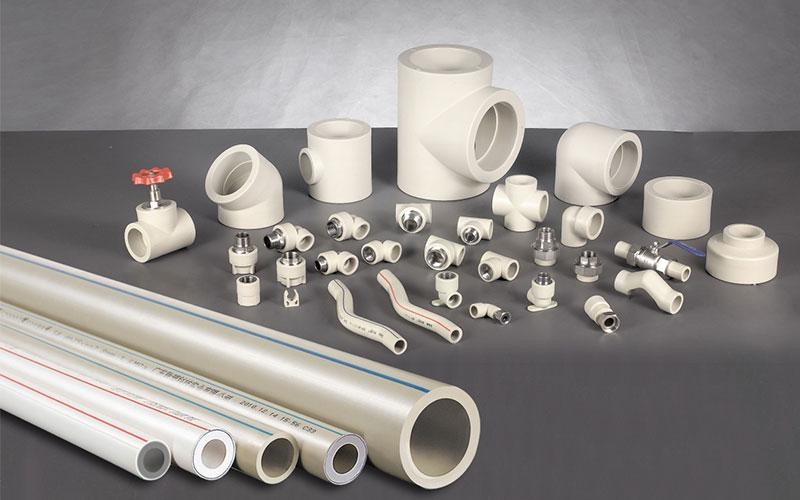
Polypropylene Random (PPR) water pipes represent a significant advancement in potable water distribution systems. Positioned as a robust alternative to traditional materials like copper, galvanized steel, and PVC, PPR pipes are thermoplastic pipes manufactured from polypropylene random copolymer. Their inherent characteristics – including corrosion resistance, thermal stability, and hygienic properties – place them strategically within the building and infrastructure supply chain. Core performance attributes encompass pressure handling capacity, flow rate efficiency, and longevity under varying environmental conditions. The growing demand for sustainable and efficient plumbing solutions has positioned PPR pipes as a primary material in residential, commercial, and industrial applications globally, especially where water quality and system reliability are paramount.
Material Science & Manufacturing
PPR pipes are manufactured using polypropylene random copolymer, a thermoplastic polymer produced through the polymerization of propylene. The ‘random’ designation refers to the random distribution of comonomers, primarily ethylene, within the polypropylene chain. This random distribution inhibits crystallization, resulting in enhanced flexibility, impact resistance, and transparency compared to homopolymer polypropylene. Raw material selection is critical; the polypropylene resin must meet stringent purity standards, typically verified through melt flow index (MFI) testing to ensure consistent processing characteristics. Manufacturing primarily involves extrusion. Granular polypropylene is fed into an extruder, melted, and forced through a die to form the pipe’s shape. Key parameters controlled during extrusion include temperature profiles (barrel, die, and mold), screw speed, and haul-off speed. These parameters influence the pipe’s dimensional accuracy, wall thickness uniformity, and overall mechanical strength. Fusion welding techniques, such as butt fusion, socket fusion, and electrofusion, are utilized to join PPR pipes, creating a homogenous, leak-proof connection without the use of adhesives. Quality control focuses on hydrostatic pressure testing (to verify burst resistance), impact testing (to assess toughness), and dimensional checks (to ensure compliance with standards).
Performance & Engineering
The performance of PPR water pipes is governed by several engineering principles. Hydrostatic stress analysis dictates the pipe’s ability to withstand internal pressure; thicker walls and higher material grades translate to increased pressure ratings. Creep resistance, the tendency of a material to deform permanently under sustained stress, is a critical factor in long-term performance, particularly in hot water applications. PPR’s relatively low coefficient of thermal expansion necessitates careful consideration during installation to accommodate temperature fluctuations and prevent stress concentrations. Environmental resistance is significant. While PPR exhibits excellent resistance to most chemicals found in potable water, prolonged exposure to strong oxidizing agents should be avoided. Compliance with relevant building codes and potable water regulations (e.g., NSF/ANSI 61 in the US, DVGW W542 in Germany) is mandatory to ensure the pipe material does not leach harmful substances into the water supply. Furthermore, PPR systems are often designed with expansion loops and anchoring points to mitigate thermal stress and vibration, ensuring system integrity and preventing joint failures. The allowable bending radius is also a critical engineering consideration; exceeding the recommended radius can compromise the pipe's structural integrity and flow characteristics.
Technical Specifications
| Parameter | Metric (PN20) | Metric (PN25) | Unit |
|---|---|---|---|
| Nominal Pressure Rating | 2.0 | 2.5 | MPa |
| Hydrostatic Pressure Test | 4.0 | 5.0 | MPa |
| Burst Pressure | 8.0 | 10.0 | MPa |
| Tensile Strength | 28 | 32 | MPa |
| Elongation at Break | 300 | 350 | % |
| Water Absorption (24hr) | 0.05 | 0.05 | % |
Failure Mode & Maintenance
PPR water pipes, while durable, are susceptible to specific failure modes. Fatigue cracking can occur due to repeated pressure fluctuations and thermal cycling, particularly at joints and stress concentrators. This is often exacerbated by improper installation or excessive mechanical stress. Delamination, the separation of layers within the pipe wall, can result from manufacturing defects or exposure to incompatible chemicals. Oxidation, although generally slow, can occur over prolonged exposure to elevated temperatures and UV radiation, leading to material embrittlement. Creep rupture, a gradual deformation and eventual failure under sustained stress, is more prevalent in hot water systems. Chemical attack from aggressive water constituents (e.g., high chloride levels) can also induce degradation. Maintenance involves periodic visual inspections for leaks, cracks, or discoloration. Corrective actions include replacing damaged sections, ensuring proper support to prevent stress, and avoiding the use of abrasive cleaning agents. For joint failures, re-fusion with appropriate techniques is recommended. Preventative maintenance includes flushing the system regularly to remove sediment buildup and verifying the proper functioning of pressure relief valves. Avoid direct sunlight exposure during storage and installation to minimize UV degradation.
Industry FAQ
Q: What are the advantages of PPR over copper in potable water systems?
A: PPR offers several advantages. It’s significantly less expensive than copper, easier to install due to its fusion welding process (eliminating soldering), and highly resistant to corrosion, preventing the leaching of harmful substances into the water. It also exhibits lower thermal conductivity, reducing condensation and energy loss.
Q: What is the impact of water hardness on the lifespan of PPR pipes?
A: While PPR is generally resistant to most water chemistries, high water hardness can lead to scale buildup on the inner surface of the pipes, reducing flow rate and potentially creating crevices conducive to microbial growth. Regular flushing and water softening systems are recommended in areas with exceptionally hard water.
Q: How does temperature affect the performance of PPR pipes, particularly in hot water applications?
A: Elevated temperatures increase the creep rate of PPR, meaning the pipe is more susceptible to deformation under sustained pressure. PPR pipes are rated for specific temperature and pressure combinations; exceeding these limits can lead to premature failure. Proper system design, including expansion loops, is crucial in hot water systems.
Q: What are the correct fusion welding parameters for different PPR pipe diameters?
A: Fusion welding parameters – temperature, heating time, and pressure – are critical and vary based on pipe diameter and wall thickness. Manufacturers provide detailed guidelines and welding tables that must be strictly followed. Using incorrect parameters can result in weak joints prone to failure.
Q: What is the long-term performance expectation for a properly installed PPR water distribution system?
A: A properly installed and maintained PPR water distribution system can have a service life of 50 years or more. Regular inspections, adherence to manufacturer's guidelines, and proactive maintenance are key to maximizing lifespan and ensuring continued reliability.
Conclusion
PPR water pipes represent a compelling and increasingly favored solution for potable water distribution. Their combination of corrosion resistance, thermal stability, ease of installation, and cost-effectiveness positions them as a strong alternative to traditional materials. However, successful implementation necessitates a thorough understanding of material properties, manufacturing processes, and potential failure modes.
Going forward, advancements in PPR formulations, such as the incorporation of UV stabilizers and enhanced impact modifiers, will likely further broaden their application scope. Continuous adherence to industry standards and best practices in installation and maintenance will remain paramount to maximizing the long-term performance and reliability of PPR water systems. Further research into the long-term effects of various water chemistries on PPR performance will contribute to optimizing system design and ensuring sustainable water infrastructure.
-
DN25 HDPE Compression Fitting-HORON INTERNATIONAL|Reliable Irrigation Solutions
NewsFeb.11,2026
-
hdpe coupling joint product Manufacturing Analysis
News2026-11-18
-
ppr pipe heating time products Performance Analysis
News2026-11-16
-
hdpe pipe sizes factory Performance Analysis
News2026-11-09
-
HDPE Pipe Sizes Service Performance Analysis
News2026-10-26
-
wholesale 15mm ppr pipe Material Science and Performance Analysis
News2026-10-20
-
wholesale pvc pipe price per foot Technical Analysis
News2026-09-21
-
wholesale long pvc pipe Technical Analysis and Manufacturing Specifications
News2026-09-15
-
wholesale plumbing kitchen sink water lines Material Performance
News2026-09-15
-
wholesale hdpe drip irrigation Material Science
News2026-09-15
-
wholesale hot water ppr pipe Performance Analysis
News2026-09-15
-
wholesale ppr plumbing Performance Analysis
News2026-09-15
-
wholesale ppr pipe supplier Performance Analysis
News2026-09-13
-
wholesale 50mm ppr pipe Performance Analysis
News2026-09-13
-
wholesale hdpe drip pipe Performance Analysis
News2026-09-13
-
wholesale hdpe pipe 63mm price Manufacturing Specification and Performance Analysis
News2026-09-13