

Feb . 11, 2026 00:01 Back to list
ppr water pipe factories Technical Performance Analysis

Introduction
Polypropylene Random (PPR) water pipes represent a significant advancement in potable water distribution systems. PPR pipes, manufactured by specialized factories, have largely replaced traditional materials like galvanized steel and copper in many applications due to their corrosion resistance, thermal insulation properties, and cost-effectiveness. This guide provides a comprehensive technical overview of PPR water pipe manufacturing, material science, performance characteristics, potential failure modes, and relevant industry standards, geared towards procurement managers, engineers, and quality control personnel involved in B2B industrial sourcing. The industry’s core pain points revolve around ensuring consistent material quality, understanding long-term performance under varying water chemistry conditions, and complying with increasingly stringent regulations regarding potable water safety. PPR systems offer a homogenous, leak-proof solution, but require careful consideration of installation practices and operational parameters to realize their full potential. This document aims to address these critical aspects, providing a detailed resource for informed decision-making.
Material Science & Manufacturing
PPR pipes are produced from polypropylene random copolymers. The “random” designation indicates the arrangement of comonomers (typically ethylene) within the polypropylene chain, resulting in a material with improved flexibility and crack resistance compared to homopolymer polypropylene. The base resin typically conforms to ISO 1043-1, specifying the requirements for polypropylene injection molding grades. Raw material selection is crucial; factories typically source polypropylene granules with controlled molecular weight distribution and melt flow index (MFI). The MFI directly affects processability and pipe dimensions. Manufacturing typically involves extrusion, where the polypropylene granules are melted and forced through a die to form the pipe shape. Critical parameters during extrusion include temperature control (barrel and die temperatures), screw speed, and haul-off speed. Insufficient temperature control can lead to material degradation and inconsistent wall thickness. Proper cooling is vital to prevent deformation and maintain dimensional accuracy. Fusion welding, specifically hot plate welding, is the standard method for joining PPR pipes and fittings. This process requires precise temperature and pressure control to create a homogenous, leak-proof joint. Quality control at this stage involves hydrostatic testing to verify the weld strength and prevent leakage. The pipe's surface finish, influenced by die design and processing conditions, impacts flow characteristics and susceptibility to biofilm formation.
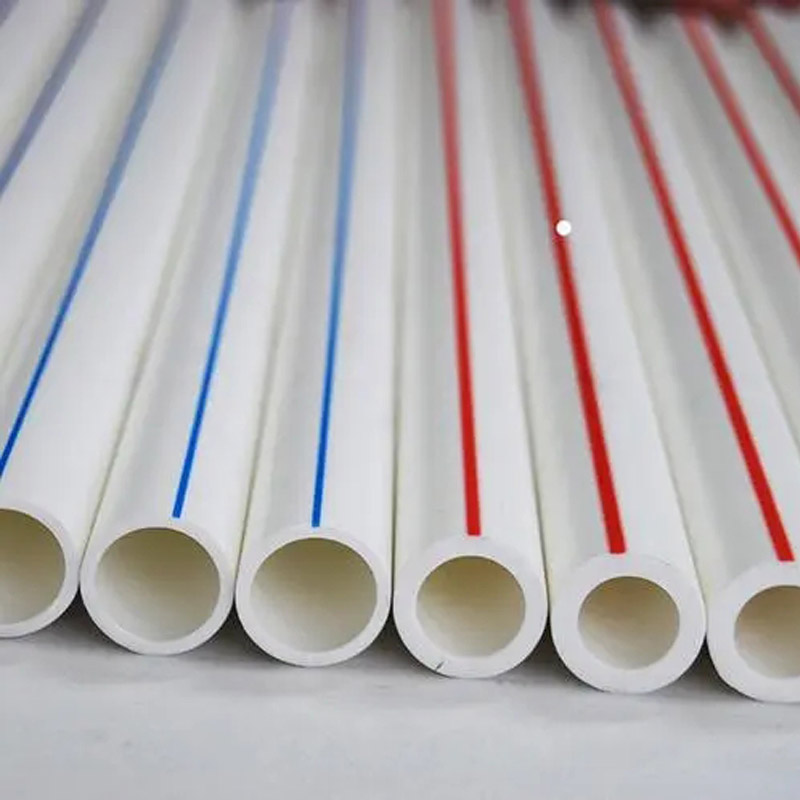
Performance & Engineering
PPR pipes exhibit excellent resistance to most chemicals commonly found in potable water, including chlorine, acids, and alkalis. However, prolonged exposure to certain organic solvents can cause swelling and degradation. The key engineering considerations for PPR piping systems involve pressure rating, temperature limitations, and thermal expansion. PPR pipes are classified based on their S-dimension (standardized dimensional ratio), which relates wall thickness to outside diameter and directly correlates to pressure bearing capacity. Higher S-dimensions indicate thicker walls and higher pressure ratings (e.g., PN10, PN16, PN20). The maximum operating temperature is typically 95°C for continuous use, with short-term temperature spikes up to 110°C permissible. Thermal expansion is a significant factor, particularly in long pipe runs. PPR has a higher coefficient of thermal expansion than metal pipes, necessitating the incorporation of expansion loops or compensators to prevent stress buildup and potential joint failure. Finite Element Analysis (FEA) is often used by manufacturers to optimize pipe design and evaluate stress distribution under various loading conditions. Hydraulic calculations are essential to determine appropriate pipe diameters and flow velocities to minimize pressure drop and prevent water hammer. Consideration must also be given to soil conditions and external loads if burying the pipes, employing appropriate bedding materials and protection sleeves.
Technical Specifications
| Parameter | PN10 (S3.2) | PN16 (S2.6) | PN20 (S2.0) | Standard Compliance |
|---|---|---|---|---|
| Nominal Pressure (Bar) | 1.0 MPa | 1.6 MPa | 2.0 MPa | DIN 8077, EN ISO 15876 |
| Operating Temperature (°C) | -20 to 95 | -20 to 95 | -20 to 95 | ISO 1043-1 |
| Outside Diameter (mm) | 20-160 | 20-160 | 20-125 | DIN 8077 |
| Wall Thickness (mm) | 2.3-10.5 | 2.3-8.3 | 2.8-6.7 | Calculated per S-Dimension |
| Density (g/cm³) | 0.905-0.92 | 0.905-0.92 | 0.905-0.92 | ISO 1183 |
| Melt Flow Index (g/10min) | 0.3-0.6 | 0.4-0.7 | 0.5-0.8 | ISO 1133 |
Failure Mode & Maintenance
Common failure modes in PPR piping systems include slow crack growth (SCG), particularly in areas of sustained stress (e.g., near fittings or supports). SCG is often initiated by micro-cracks resulting from improper installation, such as excessive bending radius or insufficient chamfering during socket welding. Chemical attack from aggressive water constituents (e.g., high levels of chlorine or certain industrial pollutants) can also accelerate crack propagation. Another failure mode is delamination, where the layers of the pipe separate due to inadequate fusion during welding or material defects. Oxidation, although slower in PPR compared to some other polymers, can occur over extended periods, leading to embrittlement and reduced impact resistance. Maintenance primarily involves visual inspection for leaks, cracks, or discoloration. Regular pressure testing can identify hidden leaks before they become significant problems. If a leak is detected, the affected section of pipe should be cut out and replaced using hot plate welding. Avoid the use of abrasive cleaners or solvents, as these can damage the pipe surface and accelerate degradation. Protecting exposed pipes from direct sunlight can minimize UV degradation. For buried pipelines, ensure proper corrosion protection for any metal components in contact with the pipe. Prevent mechanical damage during backfilling and construction activities.
Industry FAQ
Q: What is the impact of water hardness on the long-term performance of PPR pipes?
A: High water hardness (high calcium and magnesium content) can lead to scale buildup inside the PPR pipes, reducing the internal diameter and increasing flow resistance. While PPR itself is resistant to scale adhesion, the scale can create crevices where corrosion of metal fittings may occur. Regular water softening or scale inhibitor treatment is recommended in areas with hard water.
Q: How do PPR pipes compare to PEX pipes in terms of oxygen permeability?
A: PPR pipes exhibit lower oxygen permeability compared to PEX (cross-linked polyethylene) pipes. Oxygen permeation can be a concern in closed heating systems, as it promotes corrosion. If oxygen transmission is a critical requirement, PPR is generally the preferred material.
Q: What are the recommended minimum bending radii for PPR pipes to avoid stress cracking?
A: The recommended minimum bending radius is typically 5-7 times the outside diameter of the pipe. Exceeding this radius can induce excessive stress and increase the risk of SCG, particularly at the bend. Using specialized bending tools ensures a smooth, controlled bend without creating stress concentrations.
Q: What quality control measures should be implemented during hot plate welding to ensure leak-proof joints?
A: Critical quality control measures include verifying the correct heating temperature and pressure settings on the welding apparatus, ensuring proper alignment and insertion depth of the pipe and fitting, removing any weld beads or excess material, and conducting hydrostatic testing on all welded joints. Training and certification of welding personnel are essential.
Q: Can PPR pipes be used for transporting compressed air?
A: PPR pipes are generally not recommended for transporting compressed air. The material is not designed to withstand the cyclical pressure fluctuations and potential for rapid pressure release associated with compressed air systems. PEX or metal pipes are more suitable for these applications.
Conclusion
PPR water pipe systems offer a robust and cost-effective solution for potable water distribution, providing notable advantages in corrosion resistance and ease of installation. However, realizing these benefits necessitates a comprehensive understanding of material science, manufacturing processes, and potential failure modes. Selection of appropriate S-dimensions for pressure ratings, careful attention to installation best practices (including proper welding techniques and expansion allowance), and preventative maintenance are critical for long-term system reliability.
Moving forward, the industry will likely see increased emphasis on developing PPR formulations with enhanced UV resistance and improved resistance to specific chemical contaminants. Further research into non-destructive testing methods for weld integrity will also contribute to improved quality control. Adhering to relevant international standards and implementing rigorous quality assurance programs are paramount for ensuring the safe and efficient operation of PPR water piping systems.
-
DN25 HDPE Compression Fitting-HORON INTERNATIONAL|Reliable Irrigation Solutions
NewsFeb.11,2026
-
hdpe coupling joint product Manufacturing Analysis
News2026-11-18
-
ppr pipe heating time products Performance Analysis
News2026-11-16
-
hdpe pipe sizes factory Performance Analysis
News2026-11-09
-
HDPE Pipe Sizes Service Performance Analysis
News2026-10-26
-
wholesale 15mm ppr pipe Material Science and Performance Analysis
News2026-10-20
-
wholesale pvc pipe price per foot Technical Analysis
News2026-09-21
-
wholesale long pvc pipe Technical Analysis and Manufacturing Specifications
News2026-09-15
-
wholesale plumbing kitchen sink water lines Material Performance
News2026-09-15
-
wholesale hdpe drip irrigation Material Science
News2026-09-15
-
wholesale hot water ppr pipe Performance Analysis
News2026-09-15
-
wholesale ppr plumbing Performance Analysis
News2026-09-15
-
wholesale ppr pipe supplier Performance Analysis
News2026-09-13
-
wholesale 50mm ppr pipe Performance Analysis
News2026-09-13
-
wholesale hdpe drip pipe Performance Analysis
News2026-09-13
-
wholesale hdpe pipe 63mm price Manufacturing Specification and Performance Analysis
News2026-09-13