

Feb . 11, 2026 00:01 Back to list
ppr pipe for hot water supply product Performance Analysis
Introduction
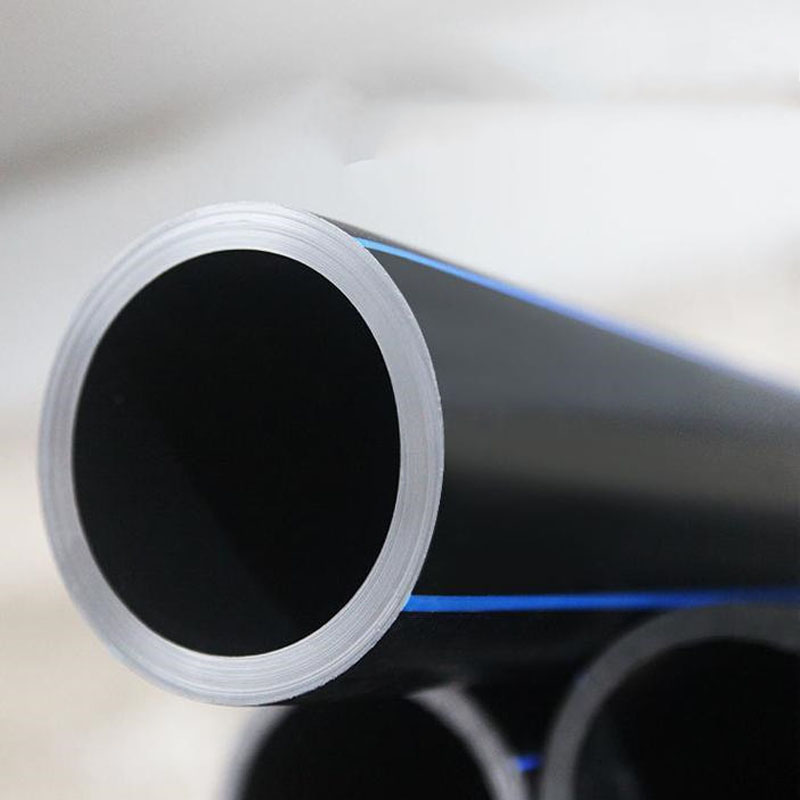
Polypropylene Random (PPR) pipe for hot water supply represents a significant advancement in plumbing technology, offering a corrosion-resistant, thermally stable, and hygienic alternative to traditional metallic piping systems. Positioned within the broader building materials and plumbing infrastructure supply chain, PPR pipe fulfills a critical function in conveying potable and non-potable hot water within residential, commercial, and industrial buildings. Its core performance characteristics—high temperature resistance, low thermal conductivity, and resistance to chemical attack—distinguish it as a preferred material for hot water distribution. The increasing demand for PPR stems from its lifecycle cost benefits, ease of installation, and compliance with stringent health and safety regulations governing water quality. This guide provides a comprehensive technical overview of PPR pipe specifically designed for hot water applications, covering material science, manufacturing processes, performance parameters, potential failure modes, and relevant industry standards. Addressing a key industry pain point – the long-term reliability and safety of hot water systems – this document aims to equip engineers, procurement managers, and installers with the knowledge necessary for informed decision-making and optimal system design.
Material Science & Manufacturing
PPR pipe derives its properties from the polypropylene random copolymer. Polypropylene itself is a thermoplastic polymer produced through the polymerization of propylene monomers. The “random” designation signifies the random distribution of comonomers (typically ethylene) within the polypropylene chain. This random copolymerization disrupts the crystallinity of the polymer, resulting in increased flexibility, impact resistance, and enhanced resistance to stress cracking compared to homopolymer polypropylene. Raw material properties influencing performance include molecular weight, melt flow index (MFI), and density. Higher molecular weight generally translates to improved mechanical strength, while MFI indicates the polymer's flowability during processing. Density affects stiffness and thermal conductivity.
Manufacturing typically involves extrusion. Polypropylene granules are fed into an extruder, where they are heated and melted, then forced through a die to form a continuous pipe. Critical process parameters include barrel temperature profile, screw speed, and die pressure. Maintaining a consistent and precise temperature profile is crucial to prevent polymer degradation and ensure uniform material properties throughout the pipe wall. Screw speed influences the melt homogeneity and extrusion rate. Proper die design and control of die pressure are essential for achieving accurate dimensions and smooth surface finish. Subsequent to extrusion, pipes undergo cooling, sizing, and cutting to length. Fusion jointing, typically utilizing electrofusion or hot plate welding, is employed to create leak-proof connections. Electrofusion relies on an electrical current to melt the pipe and fitting materials at the joint interface, creating a homogenous weld. Hot plate welding involves heating the pipe and fitting surfaces on a heated plate, then bringing them together under pressure to form a weld. The quality of the weld is heavily dependent on accurate temperature and pressure control, as well as surface cleanliness.
Performance & Engineering
The performance of PPR pipe in hot water applications is governed by several key engineering considerations. Firstly, hydrostatic strength—the pipe’s ability to withstand internal pressure—is paramount. This is determined by the pipe’s dimensions (diameter and wall thickness) and the material’s yield strength. Long-term hydrostatic strength is particularly important, as sustained pressure exposure can lead to creep and eventual failure. Secondly, thermal expansion and contraction must be accounted for in system design. PPR exhibits a relatively high coefficient of thermal expansion compared to metals, necessitating the incorporation of expansion loops or flexible connectors to prevent stress build-up and potential cracking. Force analysis, including calculations for hoop stress and longitudinal stress, is critical for ensuring the structural integrity of the piping system under varying temperature and pressure conditions.
Environmental resistance is also crucial. While PPR is resistant to many chemicals commonly found in water, prolonged exposure to certain aggressive substances can cause degradation. Furthermore, exposure to ultraviolet (UV) radiation can lead to embrittlement. Therefore, PPR pipe used in outdoor applications should be UV-stabilized or protected from direct sunlight. Compliance requirements dictate specific performance standards that must be met. These include pressure ratings, temperature limits, and material purity standards to ensure the safety and quality of the conveyed water. Functional implementation requires careful consideration of the jointing method. Electrofusion welds generally provide superior strength and reliability compared to hot plate welds, but they require specialized equipment and skilled operators. Correct welding parameters (temperature, pressure, and time) are essential for achieving optimal joint performance.
Technical Specifications
| Parameter | Unit | Standard (e.g., DIN 8077/8078) | Typical Value |
|---|---|---|---|
| Hydrostatic Pressure (PN) | bar | DIN 8077/8078 | 16, 20, 25 |
| Maximum Operating Temperature | °C | DIN 8077/8078 | 95 |
| Long-Term Hydrostatic Strength | MPa | ISO 11671 | 12.5 (at 70°C, 1000 hrs) |
| Coefficient of Linear Thermal Expansion | mm/m·K | ASTM E228 | 0.15 |
| Oxygen Permeability (OTR) | cm³/m²·day·bar | DIN 8077 | < 0.1 |
| Water Absorption | % | ISO 62 | < 0.5 |
Failure Mode & Maintenance
PPR pipe, while durable, is susceptible to several failure modes. Fatigue cracking can occur due to repeated pressure and temperature cycling, particularly at stress concentration points such as joints or fittings. This is exacerbated by improper installation or excessive thermal expansion stresses. Delamination, the separation of layers within the pipe wall, can result from polymer degradation caused by prolonged exposure to high temperatures or aggressive chemicals. Oxidation, induced by exposure to oxygen at elevated temperatures, can lead to embrittlement and loss of mechanical properties. Creep, the time-dependent deformation under sustained load, can cause gradual pipe distortion and eventual failure. Joint failure is a common occurrence, often stemming from inadequate welding parameters (insufficient temperature or pressure) or contaminated surfaces during welding.
Preventative maintenance includes regular visual inspections for leaks, cracks, or signs of deformation. Periodic pressure testing can help identify potential weaknesses in the system. If leaks are detected, the affected section of pipe should be replaced, ensuring proper jointing procedures are followed. For systems exposed to aggressive water chemistry, water treatment may be necessary to mitigate corrosion. Avoiding excessive temperature fluctuations and minimizing mechanical stress can extend the service life of the piping system. Proper support and anchoring of the pipes are also critical. When replacing sections of pipe, it is vital to use compatible fittings and welding parameters as specified by the manufacturer. A robust preventative maintenance schedule, combined with proper installation practices, will significantly reduce the risk of premature failure and ensure the long-term reliability of the PPR hot water system.
Industry FAQ
Q: What is the impact of water hardness on the lifespan of PPR hot water pipes?
A: High water hardness, characterized by elevated levels of calcium and magnesium ions, can lead to the formation of scale deposits within the PPR pipe. While PPR itself is resistant to scale buildup, the accumulated scale reduces the pipe’s internal diameter, increasing flow resistance and potentially leading to reduced flow rates. More significantly, scale can act as an insulator, increasing the temperature gradient across the pipe wall and accelerating thermal stress. Long-term scale accumulation can contribute to premature failure, particularly at joints. Water softening systems are recommended in areas with high water hardness to mitigate these effects.
Q: How does the choice of welding method (electrofusion vs. hot plate) affect the long-term reliability of PPR joints?
A: Electrofusion welding generally provides superior long-term reliability compared to hot plate welding. Electrofusion utilizes precise temperature control and creates a homogenous weld, minimizing the risk of weld defects. Hot plate welding, while simpler and less expensive, is more susceptible to operator error and inconsistencies in temperature and pressure control. This can lead to weaker welds with increased potential for leakage or failure. Electrofusion joints typically exhibit higher tensile strength and resistance to creep.
Q: What is the recommended maximum flow velocity for hot water in PPR pipes to prevent erosion or noise issues?
A: The recommended maximum flow velocity for hot water in PPR pipes is generally around 1.5-2.0 m/s. Higher flow velocities can lead to increased erosion, particularly at bends and fittings, and can also generate noise due to turbulence. Maintaining flow velocities within this range minimizes the risk of both erosion and noise issues. Proper pipe sizing and system design are crucial for achieving optimal flow velocities.
Q: Are PPR pipes suitable for use with all types of hot water heating systems (e.g., conventional boilers, heat pumps, solar thermal)?
A: PPR pipes are generally suitable for use with most types of hot water heating systems, including conventional boilers, heat pumps, and solar thermal systems. However, it's crucial to verify the compatibility of the PPR material with the specific heating system's water chemistry and operating temperature. In solar thermal systems, where water temperatures can reach significantly higher levels, it’s essential to use PPR pipes specifically designed for high-temperature applications and to ensure proper system controls are in place to prevent overheating.
Q: What is the impact of chlorine and other disinfectants on the long-term performance of PPR pipes?
A: While PPR exhibits good resistance to chlorine, prolonged exposure to high concentrations of chlorine or other disinfectants can lead to gradual degradation of the polymer. This can result in embrittlement and reduced mechanical properties. The rate of degradation depends on the concentration of the disinfectant, the water temperature, and the duration of exposure. Maintaining appropriate disinfectant levels and periodically flushing the system can help minimize the impact of chlorine on PPR pipe performance.
Conclusion
PPR pipe represents a reliable and cost-effective solution for hot water distribution systems, offering significant advantages over traditional metallic materials in terms of corrosion resistance, thermal stability, and ease of installation. A thorough understanding of the material’s properties, manufacturing processes, and performance characteristics is crucial for ensuring optimal system design and long-term reliability. Careful attention to installation procedures, welding parameters, and preventative maintenance practices will further enhance the lifespan and safety of PPR hot water systems.
Looking ahead, ongoing research and development efforts are focused on improving the performance characteristics of PPR materials, such as enhancing their resistance to aggressive chemicals and UV radiation. The integration of smart monitoring technologies will also play an increasingly important role in proactively identifying potential issues and optimizing system performance. By embracing these advancements and adhering to best practices, the industry can continue to leverage the benefits of PPR pipe for safe, efficient, and sustainable hot water distribution.
-
DN25 HDPE Compression Fitting-HORON INTERNATIONAL|Reliable Irrigation Solutions
NewsFeb.11,2026
-
hdpe coupling joint product Manufacturing Analysis
News2026-11-18
-
ppr pipe heating time products Performance Analysis
News2026-11-16
-
hdpe pipe sizes factory Performance Analysis
News2026-11-09
-
HDPE Pipe Sizes Service Performance Analysis
News2026-10-26
-
wholesale 15mm ppr pipe Material Science and Performance Analysis
News2026-10-20
-
wholesale pvc pipe price per foot Technical Analysis
News2026-09-21
-
wholesale long pvc pipe Technical Analysis and Manufacturing Specifications
News2026-09-15
-
wholesale plumbing kitchen sink water lines Material Performance
News2026-09-15
-
wholesale hdpe drip irrigation Material Science
News2026-09-15
-
wholesale hot water ppr pipe Performance Analysis
News2026-09-15
-
wholesale ppr plumbing Performance Analysis
News2026-09-15
-
wholesale ppr pipe supplier Performance Analysis
News2026-09-13
-
wholesale 50mm ppr pipe Performance Analysis
News2026-09-13
-
wholesale hdpe drip pipe Performance Analysis
News2026-09-13
-
wholesale hdpe pipe 63mm price Manufacturing Specification and Performance Analysis
News2026-09-13