

Feb . 11, 2026 00:01 Back to list
ppr pipe for hot and cold water service Material Performance
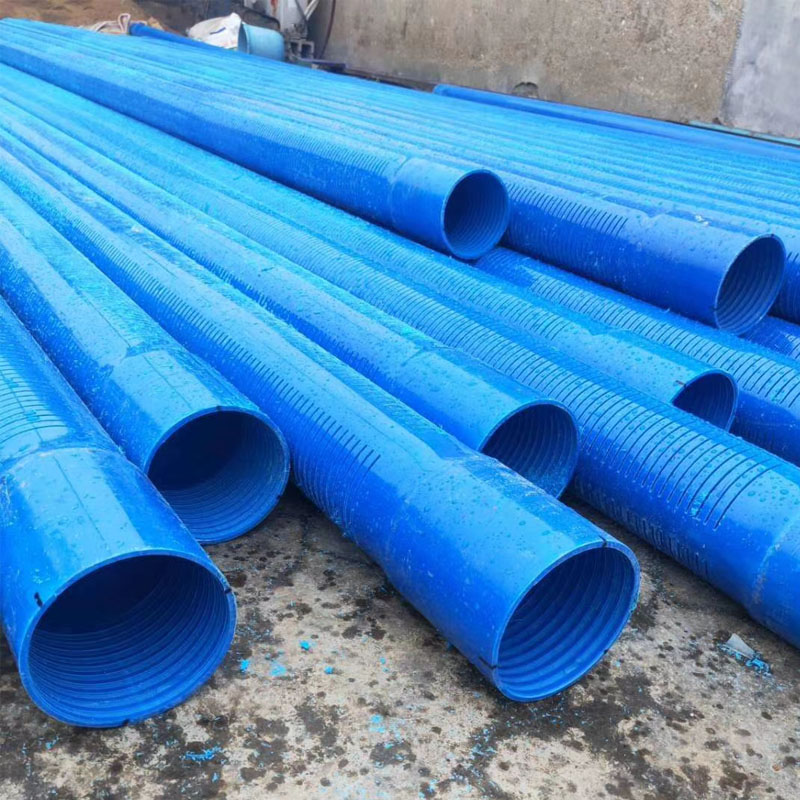
Introduction
Polypropylene Random (PPR) pipe for hot and cold water service represents a significant advancement in plumbing infrastructure, offering a corrosion-resistant, lightweight, and cost-effective alternative to traditional metallic piping systems. Positioned within the building services engineering chain, PPR pipes function as the fluid conveyance network distributing potable water and heating/cooling fluids. Its core performance characteristics revolve around its ability to withstand sustained pressure, maintain water purity, and accommodate thermal expansion and contraction without significant degradation. PPR's rise in popularity stems from addressing key industry pain points: the susceptibility of metal pipes to corrosion leading to water contamination and reduced lifespan, the high installation costs associated with threaded metal systems, and the energy inefficiencies caused by rough inner surfaces in older piping materials. This guide provides an in-depth examination of PPR pipe, covering material science, manufacturing processes, performance characteristics, potential failure modes, and relevant industry standards.
Material Science & Manufacturing
PPR pipes are primarily composed of polypropylene random copolymer, a thermoplastic polymer known for its excellent chemical resistance and high strength-to-weight ratio. The raw material, polypropylene homopolymer or copolymer, is derived from propylene gas obtained through the refining of crude oil or natural gas. Key physical properties include a density of approximately 0.90-0.92 g/cm³, a glass transition temperature around 0°C, and a melting point between 130°C and 171°C, dependent on the copolymer ratio. The random copolymerization introduces ethylenepropylene units, disrupting the polymer’s crystallinity and enhancing its impact resistance and flexibility. Manufacturing begins with the extrusion process. Polypropylene granules are fed into a single or twin-screw extruder, where they are heated to a molten state and forced through a die to form a continuous pipe. Critical parameters during extrusion include temperature control (varying across zones to optimize melting and homogeneity), screw speed (affecting throughput and shear rate), and die geometry (determining pipe dimensions and wall thickness). Subsequent cooling, typically using water baths, solidifies the pipe. Hot water pipes often utilize a reinforced layer – typically aluminum – embedded within the PPR matrix during the extrusion process. This layer increases the pipe's resistance to creep deformation under high temperatures and pressures. Quality control involves rigorous testing of the raw material for melt flow index (MFI), ensuring consistent polymer characteristics, and dimensional checks on the finished pipe to meet specified tolerances outlined in standards like DIN 8077 and EN ISO 15876.
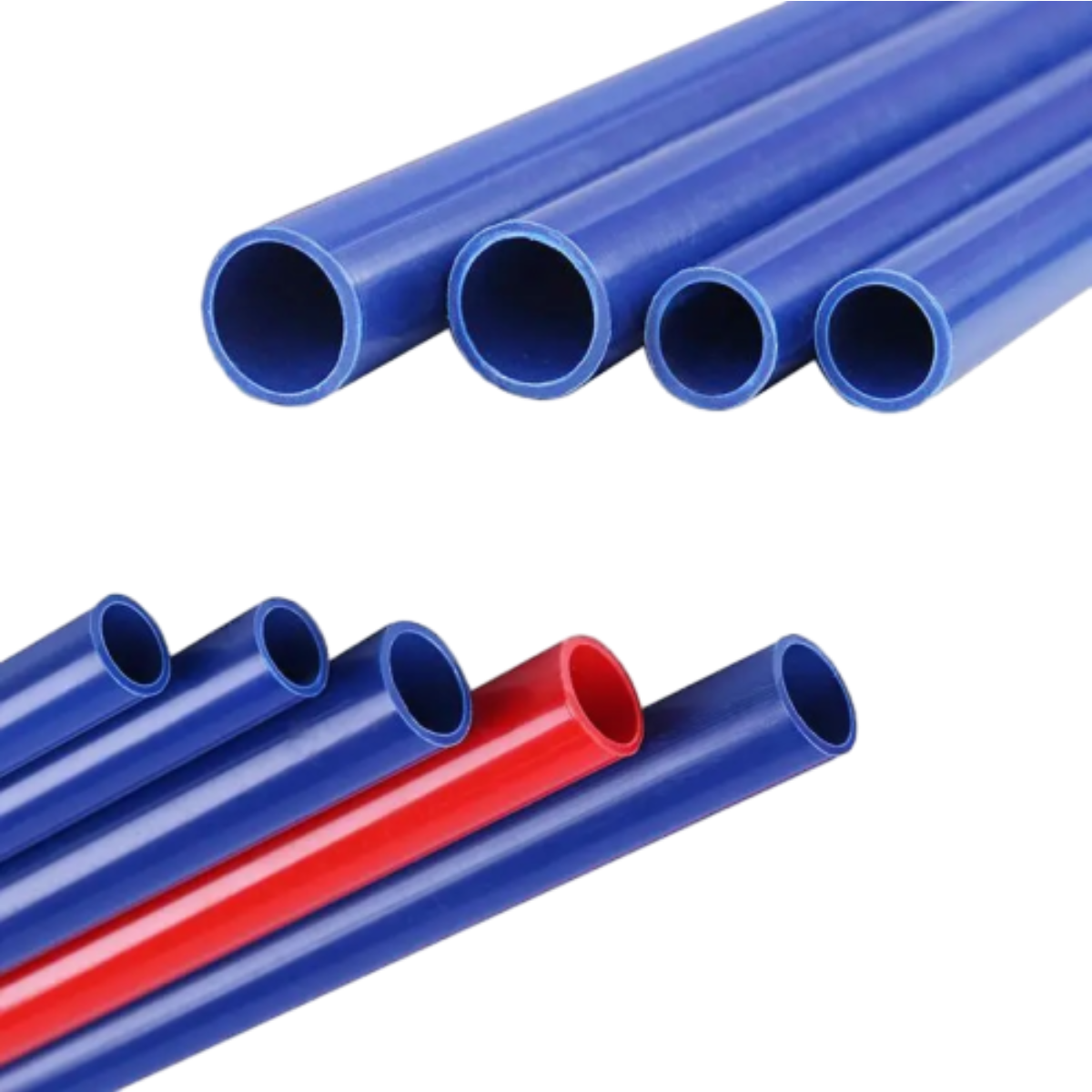
Performance & Engineering
The performance of PPR pipe is governed by its ability to withstand hydrostatic pressure, temperature fluctuations, and the chemical characteristics of the conveyed fluid. Force analysis reveals that PPR pipes exhibit a degree of elasticity, enabling them to absorb pressure surges and thermal expansion stresses. The long-term hydrostatic strength (LTHS) is a crucial parameter, indicating the sustained pressure a pipe can withstand over 50 years at a specified temperature. PPR pipes typically demonstrate LTHS values ranging from 1.0 MPa to 2.0 MPa at 20°C, decreasing with increasing temperature. Environmental resistance is excellent, with PPR being largely unaffected by common water treatment chemicals and exhibiting high resistance to corrosion and scaling. However, prolonged exposure to ultraviolet (UV) radiation can lead to embrittlement; therefore, outdoor installations require UV-stabilized materials or protective coverings. Compliance requirements vary based on geographic location and application. In potable water systems, PPR pipes must meet standards ensuring that no harmful substances leach into the water supply. For hot water applications, the pipe must resist thermal deformation and maintain its structural integrity at elevated temperatures. Installation is typically achieved using heat fusion welding, creating a homogeneous joint that is stronger than the pipe itself. Proper welding parameters (temperature and pressure) are critical to ensure a reliable, leak-proof connection. Expansion loops are incorporated into the piping system to accommodate thermal expansion and prevent stress buildup within the pipes and joints.
Technical Specifications
| Parameter | Unit | Typical Value (Cold Water) | Typical Value (Hot Water - Reinforced) |
|---|---|---|---|
| Hydrostatic Pressure (LTHS) | MPa | 1.6 | 2.0 |
| Maximum Operating Temperature | °C | 60 | 95 |
| Tensile Strength | MPa | 20 | 22 |
| Elongation at Break | % | 300 | 350 |
| Water Absorption (24hr) | % | 0.05 | 0.05 |
| Oxygen Permeability | cm³/m²/day | 0.1 | 0.1 |
Failure Mode & Maintenance
PPR pipe, while durable, is susceptible to several failure modes. Fatigue cracking can occur under cyclical pressure loads, particularly at joints or areas of stress concentration. This is often exacerbated by improper installation techniques, such as insufficient welding temperature or poor weld bead quality. Delamination, specifically in reinforced PPR pipes, can occur if the bonding between the aluminum layer and the polypropylene matrix is compromised, often due to manufacturing defects or prolonged exposure to aggressive chemicals. Degradation from UV exposure causes embrittlement and loss of impact resistance, leading to cracking, especially in outdoor applications. Oxidation, although slow, can occur at elevated temperatures, reducing the pipe's long-term strength. Creep deformation, or slow deformation under constant load, is a concern in hot water applications if the pipe is not adequately reinforced. Maintenance primarily involves visual inspection for leaks, cracks, or signs of deformation. Regular checks of joints are critical. If a leak is detected, the damaged section should be cut out and replaced using heat fusion welding, ensuring proper welding parameters are followed. For UV-exposed pipes, consider applying a UV-protective coating or shielding the pipe from direct sunlight. Preventative measures include ensuring proper installation by qualified personnel, avoiding exposure to harsh chemicals, and implementing a routine inspection schedule. Failure analysis should involve examining the fractured surface to identify the root cause – whether it be fatigue, delamination, oxidation, or impact damage.
Industry FAQ
Q: What are the key differences between PPR and CPVC pipe for hot water applications?
A: CPVC (Chlorinated Polyvinyl Chloride) generally offers a higher temperature resistance than standard PPR. While PPR can handle up to 95°C for short periods, CPVC can withstand temperatures exceeding 100°C continuously. However, PPR provides superior impact resistance, is easier to install via heat fusion, and typically has a lower cost. CPVC requires solvent welding, which can be more prone to installer error. The choice depends on the specific operating temperature and application requirements.
Q: Is PPR pipe suitable for use with softened water?
A: Yes, PPR pipe is generally compatible with softened water. The sodium chloride content in softened water does not typically cause significant degradation. However, the pH of softened water should be monitored, as excessively low pH levels (highly acidic) could potentially accelerate corrosion over the very long term. Regular water quality testing is recommended.
Q: What is the impact of water hammer on PPR piping systems?
A: Water hammer, or pressure surge, can stress PPR pipe joints and potentially lead to fatigue failure. Proper installation techniques, including the use of air chambers or pressure reducing valves, are crucial to mitigate the effects of water hammer. The inherent elasticity of PPR helps absorb some shock, but prolonged or severe water hammer events can still cause damage.
Q: How does the quality of the welding equipment affect the long-term performance of PPR pipe joints?
A: The quality and calibration of the heat fusion welding equipment are paramount. Inconsistent heating temperatures or inadequate pressure during welding can result in weak or incomplete joints, increasing the risk of leaks and failures. Regular calibration and maintenance of the welding equipment are essential, and welders should be properly trained and certified.
Q: What are the limitations of using PPR pipe in industrial applications involving chemicals?
A: While PPR exhibits excellent resistance to many common chemicals, it is not universally resistant. Exposure to strong acids, alkalis, or certain organic solvents can cause swelling, cracking, or degradation. A chemical compatibility chart should be consulted to ensure that the specific chemicals being conveyed are compatible with PPR before installation.
Conclusion
PPR pipe represents a robust and versatile solution for hot and cold water distribution systems, offering significant advantages over traditional materials in terms of corrosion resistance, installation efficiency, and cost-effectiveness. Its performance is intrinsically linked to the quality of the raw materials, meticulous manufacturing processes, and adherence to established installation protocols. Understanding the material's physical and chemical properties, potential failure modes, and relevant industry standards is crucial for ensuring long-term reliability and operational safety.
Future developments in PPR technology may focus on enhancing UV resistance through improved polymer formulations, increasing temperature capabilities through advanced reinforcement techniques, and developing smart PPR piping systems with integrated sensors for leak detection and performance monitoring. Proper implementation and proactive maintenance are essential to maximizing the lifespan and realizing the full benefits of PPR piping systems.
-
DN25 HDPE Compression Fitting-HORON INTERNATIONAL|Reliable Irrigation Solutions
NewsFeb.11,2026
-
hdpe coupling joint product Manufacturing Analysis
News2026-11-18
-
ppr pipe heating time products Performance Analysis
News2026-11-16
-
hdpe pipe sizes factory Performance Analysis
News2026-11-09
-
HDPE Pipe Sizes Service Performance Analysis
News2026-10-26
-
wholesale 15mm ppr pipe Material Science and Performance Analysis
News2026-10-20
-
wholesale pvc pipe price per foot Technical Analysis
News2026-09-21
-
wholesale long pvc pipe Technical Analysis and Manufacturing Specifications
News2026-09-15
-
wholesale plumbing kitchen sink water lines Material Performance
News2026-09-15
-
wholesale hdpe drip irrigation Material Science
News2026-09-15
-
wholesale hot water ppr pipe Performance Analysis
News2026-09-15
-
wholesale ppr plumbing Performance Analysis
News2026-09-15
-
wholesale ppr pipe supplier Performance Analysis
News2026-09-13
-
wholesale 50mm ppr pipe Performance Analysis
News2026-09-13
-
wholesale hdpe drip pipe Performance Analysis
News2026-09-13
-
wholesale hdpe pipe 63mm price Manufacturing Specification and Performance Analysis
News2026-09-13