

Feb . 11, 2026 00:01 Back to list
ppr pipe for hot and cold water product Technical Analysis

Introduction
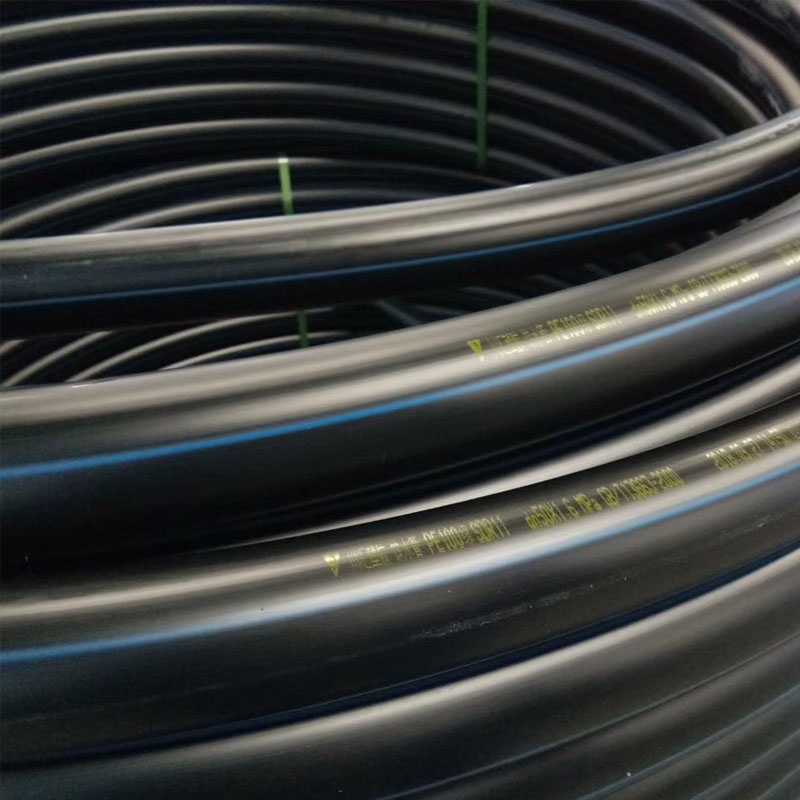
Polypropylene Random (PPR) pipe for hot and cold water distribution represents a significant advancement in plumbing technology, moving beyond traditional metallic piping systems. PPR, a thermoplastic produced from the polymerization of propylene, offers a unique combination of properties ideal for potable water applications. Its position within the industry chain is as a direct replacement for copper, PVC-C (Chlorinated Polyvinyl Chloride), and even stainless steel in certain applications. Core performance characteristics revolve around its hygienic nature, resistance to corrosion, thermal stability, and ease of installation via heat fusion welding. This guide provides an in-depth technical analysis of PPR pipe, encompassing material science, manufacturing processes, performance parameters, failure modes, and relevant industry standards. A critical pain point in the plumbing industry is the long-term reliability of piping systems, particularly concerning corrosion and scaling, leading to water contamination and costly repairs. PPR addresses these concerns directly through its inherently non-corrosive and smooth internal surface.
Material Science & Manufacturing
PPR pipe is fundamentally composed of polypropylene homopolymer and random copolymer. The random copolymer component is crucial, introducing branching in the polymer chain which disrupts crystallinity, leading to enhanced impact resistance, particularly at lower temperatures. The raw material polypropylene exhibits a density typically between 0.905 and 0.92 g/cm³, a tensile strength ranging from 20 to 30 MPa, and a flexural modulus between 800 and 1200 MPa. These properties are critically dependent on the molecular weight distribution and the degree of randomness in the copolymerization process. Manufacturing begins with the extrusion of PPR granules. The extrusion process involves melting the polymer and forcing it through a die to form the pipe's shape. Key parameters controlled during extrusion include melt temperature (typically 190-240°C), extrusion pressure, and cooling rate. Dimensional accuracy is maintained through precise die design and calibration sleeves. Subsequent to extrusion, pipes undergo hydrostatic testing to ensure pressure integrity. Heat fusion welding, using specialized tools, is the primary joining method. This process relies on bringing the pipe and fitting surfaces into close contact at a controlled temperature (typically 260-280°C), allowing the materials to fuse, creating a homogenous joint. Parameter control – temperature, pressure, and dwell time – is paramount to achieve a weld strength comparable to the base material. The presence of impurities or inadequate temperature control can lead to weak welds and premature failure.
Performance & Engineering
The performance of PPR pipe is dictated by its ability to withstand internal hydrostatic pressure, external loads, and thermal stresses. Force analysis, particularly using Finite Element Analysis (FEA), is essential to determine the pipe's structural integrity under various loading conditions. PPR’s resistance to creep, the tendency to deform permanently under sustained load, is a critical design consideration. Higher temperatures exacerbate creep, necessitating a careful selection of pipe wall thickness and operating temperature. Environmental resistance is another key performance attribute. While PPR exhibits excellent resistance to most common chemicals found in potable water, prolonged exposure to strong oxidizing agents can lead to degradation. Compliance requirements vary by region, but generally revolve around ensuring the safety of potable water. This includes adherence to limits for migration of monomers and additives into the water supply. Functional implementation considerations include thermal expansion and contraction. PPR exhibits a higher coefficient of thermal expansion compared to metallic pipes, necessitating the incorporation of expansion loops or flexible connectors to prevent stress buildup. The smooth internal surface of PPR minimizes frictional losses, leading to reduced pumping energy requirements and improved flow rates. This smoothness also inhibits the buildup of scale and biofilm, further enhancing hygiene and reducing maintenance needs.
Technical Specifications
| Parameter | Unit | Value (Typical) | Test Standard |
|---|---|---|---|
| Nominal Diameter | mm | 20, 25, 32, 40, 50, 63, 75, 90, 110, 160 | ISO 15876 |
| Pressure Rating (PN) | bar | PN16, PN20, PN25 | ISO 15876 |
| Tensile Strength | MPa | >20 | ISO 527 |
| Elongation at Break | % | >300 | ISO 527 |
| Water Absorption (24h) | % | <0.1 | ISO 62 |
| Vicat Softening Temperature | °C | 135-150 | ISO 306 |
Failure Mode & Maintenance
PPR pipe, while robust, is susceptible to specific failure modes. Fatigue cracking can occur under cyclical pressure loading, particularly near joints. This is often initiated by stress concentrations arising from improper welding or pre-existing defects. Delamination can occur if the weld temperature is insufficient or if contaminants are present during the fusion process. Oxidation, although slow, can degrade the polymer over extended periods, especially at elevated temperatures. Ultraviolet (UV) degradation is another concern for exposed piping, leading to brittleness and cracking. Maintenance typically involves visual inspection for leaks, cracks, or deformation. Regularly checking weld integrity is crucial. Minor surface scratches are generally not detrimental, but deep gouges should be repaired using appropriate welding techniques. For systems exposed to direct sunlight, UV-resistant coatings or shielding should be employed. Avoid mechanical impact during installation and operation. If a leak is detected, the affected section should be cut out and replaced with a new section of pipe and fittings, ensuring proper heat fusion welding. Routine flushing of the system can help prevent the buildup of sediment and scale, maintaining optimal flow rates and extending the pipe's lifespan. Addressing water chemistry imbalances (e.g., high acidity) can also mitigate corrosion potential within the system.
Industry FAQ
Q: What is the impact of water hardness on the lifespan of PPR piping?
A: Water hardness, specifically the presence of calcium and magnesium ions, can lead to scale buildup on the internal surface of PPR pipes over time. While PPR itself is resistant to corrosion from hard water, scale buildup can reduce flow rates and increase frictional losses. Regular flushing of the system and consideration of water softening solutions are recommended in areas with high water hardness.
Q: What temperature range can PPR pipe safely operate within for hot water applications?
A: The safe operating temperature for PPR pipe depends on the pressure rating (PN) and the specific material formulation. Generally, PN20 pipes can safely handle continuous hot water temperatures up to 70°C, while PN25 pipes can handle up to 95°C. Exceeding these temperatures can lead to softening and creep, potentially resulting in failure.
Q: What are the key differences between PPR-homopolymer and PPR-random copolymer?
A: PPR-homopolymer offers higher tensile strength and rigidity but is more susceptible to impact fracture at lower temperatures. PPR-random copolymer, with its branching structure, exhibits improved impact resistance, especially in cold conditions. For hot and cold water applications, PPR-random copolymer is generally preferred due to its superior overall performance.
Q: What are the best practices for heat fusion welding of PPR pipe to ensure a reliable joint?
A: Proper heat fusion welding requires a clean, dry mating surface. Utilize a specialized PPR welding tool set to the correct temperature and pressure according to the pipe manufacturer’s instructions. Ensure adequate heating and fusion time, avoiding overheating or underheating. Allow the joint to cool completely without disturbance before applying any stress. Always conduct a pull test to verify weld integrity.
Q: Is PPR pipe suitable for direct burial applications?
A: PPR pipe is generally not recommended for direct burial without adequate protection. While PPR is resistant to many soil chemicals, it is vulnerable to mechanical damage from rocks and debris. If direct burial is unavoidable, the pipe should be encased in a protective sleeve or concrete bedding to provide adequate support and protection.
Conclusion
PPR pipe represents a compelling alternative to traditional metallic piping systems for hot and cold water distribution. Its inherent corrosion resistance, hygienic properties, and ease of installation contribute to a long-term, reliable solution. Understanding the material science underpinning PPR, coupled with adherence to proper manufacturing and installation practices, is crucial for maximizing its lifespan and performance. The selection of appropriate pressure ratings and careful consideration of environmental factors, such as water hardness and UV exposure, are vital design parameters.
Looking forward, advancements in PPR formulations, such as the incorporation of UV stabilizers and improved impact modifiers, will further enhance its versatility and durability. Continued research into optimized welding techniques and non-destructive testing methods will refine quality control procedures and ensure the long-term integrity of PPR piping systems. Ultimately, PPR pipe offers a cost-effective and sustainable solution for potable water distribution, contributing to safer and more efficient plumbing infrastructure.
-
DN25 HDPE Compression Fitting-HORON INTERNATIONAL|Reliable Irrigation Solutions
NewsFeb.11,2026
-
hdpe coupling joint product Manufacturing Analysis
News2026-11-18
-
ppr pipe heating time products Performance Analysis
News2026-11-16
-
hdpe pipe sizes factory Performance Analysis
News2026-11-09
-
HDPE Pipe Sizes Service Performance Analysis
News2026-10-26
-
wholesale 15mm ppr pipe Material Science and Performance Analysis
News2026-10-20
-
wholesale pvc pipe price per foot Technical Analysis
News2026-09-21
-
wholesale long pvc pipe Technical Analysis and Manufacturing Specifications
News2026-09-15
-
wholesale plumbing kitchen sink water lines Material Performance
News2026-09-15
-
wholesale hdpe drip irrigation Material Science
News2026-09-15
-
wholesale hot water ppr pipe Performance Analysis
News2026-09-15
-
wholesale ppr plumbing Performance Analysis
News2026-09-15
-
wholesale ppr pipe supplier Performance Analysis
News2026-09-13
-
wholesale 50mm ppr pipe Performance Analysis
News2026-09-13
-
wholesale hdpe drip pipe Performance Analysis
News2026-09-13
-
wholesale hdpe pipe 63mm price Manufacturing Specification and Performance Analysis
News2026-09-13