

Feb . 11, 2026 00:01 Back to list
ppr pipe for hot and cold water manufacturers Performance Analysis
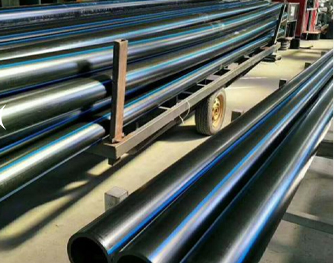
Introduction
Polypropylene Random (PPR) pipe systems have become a dominant force in potable water and heating/cooling applications within building infrastructure. Positioned as a thermoplastic alternative to traditional metallic piping, PPR offers advantages in corrosion resistance, thermal insulation, and ease of installation. This guide provides an in-depth technical analysis of PPR pipe for hot and cold water systems, covering material science, manufacturing processes, performance characteristics, failure modes, and relevant industry standards. The core performance of PPR pipe centers on its ability to maintain pressure integrity across a broad temperature range, resist chemical degradation from water additives, and provide a leak-free fluid conveyance pathway. A key challenge in the industry revolves around ensuring consistent material quality, particularly regarding the randomness of the polypropylene copolymerization, which directly influences long-term performance and resistance to slow crack growth. This document aims to address these challenges and provide a comprehensive resource for engineers, procurement professionals, and manufacturers involved in the specification and utilization of PPR piping systems.
Material Science & Manufacturing
PPR pipe is fabricated from polypropylene random copolymer, which differs from homopolymer polypropylene in its molecular structure. Homopolymers exhibit a highly crystalline structure, resulting in greater rigidity but lower impact resistance. Random copolymers, however, incorporate ethylene monomers randomly along the polypropylene chain, disrupting the crystallinity and enhancing toughness, flexibility, and resistance to stress cracking. Raw material properties, specifically the Melt Flow Index (MFI) and density, are critical control parameters. Lower MFI values indicate higher molecular weight and increased melt viscosity, generally leading to improved impact strength. Density is directly correlated with crystallinity; lower densities correspond to increased ethylene content and improved flexibility.
The manufacturing process typically involves extrusion. Polypropylene granules are fed into an extruder where they are heated and plasticized. A precisely controlled die shapes the molten polymer into the desired pipe dimensions. Key parameters during extrusion include barrel temperature profile, screw speed, and die pressure. Variations in these parameters can lead to inconsistencies in wall thickness, material density, and ultimately, pipe performance. Hydrostatic pressure testing is standard practice to verify the pipe’s ability to withstand internal pressure. Further, the quality of the welding process used to join pipe sections is paramount. Heat fusion welding (butt fusion, socket fusion, electrofusion) relies on controlled heating and pressure to create a homogenous weld joint, stronger than the base material. Improper welding parameters (temperature, pressure, dwell time) can result in weak joints prone to failure.
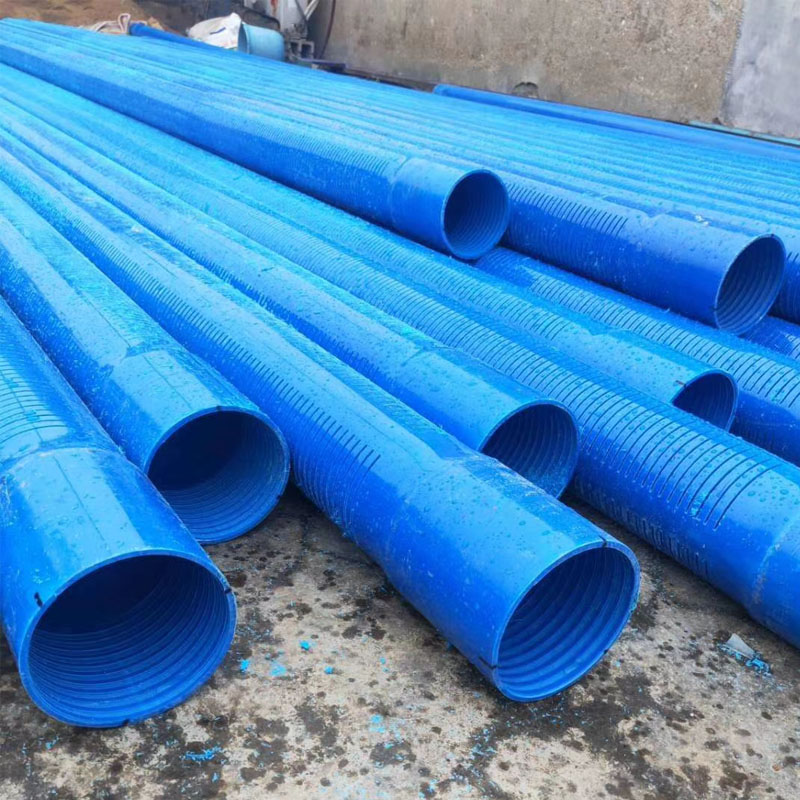
Performance & Engineering
The performance of PPR pipe is heavily influenced by its ability to withstand hydrostatic pressure, thermal expansion/contraction, and long-term creep. Hydrostatic pressure testing, as dictated by standards like ISO 1167, determines the short-term burst pressure and sustained pressure rating. The allowable stress within the pipe wall is a critical design parameter, typically based on a safety factor applied to the hydrostatic strength. Thermal expansion is a significant consideration, particularly in hot water systems. PPR exhibits a relatively high coefficient of thermal expansion, requiring the incorporation of expansion loops or flexible connectors to accommodate dimensional changes and prevent stress on the pipe and fittings. Creep, the time-dependent deformation under sustained stress, is a major factor affecting long-term performance. Higher temperatures accelerate creep, potentially leading to pipe sagging or joint failure.
Engineering design must also account for water hammer, the pressure surge caused by sudden changes in flow velocity (e.g., valve closure). Water hammer can generate pressures significantly higher than the system’s operating pressure, potentially exceeding the pipe’s burst strength. Mitigation strategies include the use of surge suppressors and careful valve selection. Chemical compatibility is also critical. While PPR is generally resistant to most common water additives, prolonged exposure to certain chemicals (e.g., chlorine at high concentrations, certain organic solvents) can lead to material degradation. Compliance with drinking water regulations (e.g., NSF/ANSI 61) ensures that the pipe material does not leach harmful substances into the water supply. Finite Element Analysis (FEA) is increasingly used to model stress distribution within the pipe network under various loading conditions, optimizing pipe sizing and support locations.
Technical Specifications
| Parameter | Unit | Typical Value (PN20) | Typical Value (PN25) |
|---|---|---|---|
| Nominal Pressure (PN) | bar | 20 | 25 |
| Hydrostatic Pressure Test (Short Term) | bar | 60 | 75 |
| Hydrostatic Pressure Test (Long Term) | bar | 50 | 62.5 |
| Tensile Strength | MPa | 25-35 | 28-40 |
| Elongation at Break | % | 200-400 | 250-450 |
| Water Absorption (24h, 23°C) | % | <0.1 | <0.1 |
Failure Mode & Maintenance
PPR pipe, while durable, is susceptible to several failure modes. Slow Crack Growth (SCG) is a prevalent issue, particularly in systems exposed to persistent tensile stress and aggressive water chemistry. SCG initiates at stress concentrators (e.g., fitting joints, scratches) and propagates slowly through the material over time, eventually leading to cracking and leakage. Another common failure mode is thermal fatigue, caused by repeated expansion and contraction cycles. This can lead to cracking at weld joints or in areas of constrained thermal movement. Oxidation, especially at elevated temperatures, can also degrade the material, reducing its mechanical properties. Delamination can occur due to improper welding techniques, resulting in insufficient fusion between the pipe and fitting.
Preventative maintenance is crucial for maximizing the lifespan of PPR piping systems. Regular inspections should focus on weld joints, support locations, and areas prone to mechanical stress. Water quality monitoring is essential to identify and address any corrosive contaminants. Avoid exposing the pipe to direct sunlight for extended periods, as UV radiation can accelerate degradation. If repairs are necessary, only qualified technicians should perform them using appropriate heat fusion welding techniques. Replacing damaged sections with compatible PPR pipe and fittings is the preferred solution. Avoid using abrasive cleaning agents or solvents, as these can damage the material. Periodic pressure testing can help identify leaks and potential weaknesses in the system. Proper system design, including adequate support and expansion provisions, is the most effective long-term maintenance strategy.
Industry FAQ
Q: What is the impact of water hardness on the lifespan of PPR pipes?
A: High water hardness, particularly calcium and magnesium content, can lead to the formation of scale deposits inside the PPR pipe. While PPR itself is not directly corroded by hard water, scale buildup reduces the internal diameter of the pipe, increasing flow resistance and potentially leading to localized pressure increases. Over time, this can exacerbate stress corrosion cracking, particularly in areas with pre-existing flaws. Regular flushing of the system and/or the use of water softeners are recommended in areas with highly hard water.
Q: How does the choice of welding method (butt, socket, electrofusion) affect joint strength?
A: Electrofusion welding generally produces the strongest and most reliable joints due to the precise control of heating and pressure. Butt fusion is also very strong, but requires skilled operators and accurate alignment. Socket fusion is the least demanding but also the least consistent, as it relies more on operator technique. Joint strength is also highly dependent on proper surface preparation and adherence to manufacturer's recommended welding parameters for each method.
Q: What are the limitations of using PPR pipe in industrial applications with chemical exposure?
A: PPR exhibits good resistance to many common chemicals, but it is not universally compatible. Prolonged exposure to strong oxidizing agents, chlorinated solvents, and certain aromatic hydrocarbons can cause swelling, cracking, or degradation. A chemical compatibility chart should be consulted before using PPR pipe in any industrial application involving chemical exposure. Alternative materials, such as CPVC or stainless steel, may be more suitable for harsh chemical environments.
Q: What is the recommended maximum operating temperature for PPR pipes carrying hot water?
A: While PPR can withstand temperatures up to 95°C intermittently, the recommended maximum continuous operating temperature for hot water applications is typically 70-75°C. Exceeding this temperature significantly reduces the pipe’s long-term creep resistance and can lead to premature failure. PN20 rated pipe is generally suitable for temperatures up to 70°C, while PN25 pipe can handle slightly higher temperatures.
Q: What measures can be taken to mitigate the risk of water hammer in PPR systems?
A: Implementing several measures can reduce the risk of water hammer. Install water hammer arrestors at fixtures and appliances that cause sudden flow changes. Use slow-closing valves to reduce the rate of flow stoppage. Ensure proper pipe sizing to maintain appropriate flow velocities. Securely support the piping system to prevent movement and stress. And, carefully evaluate the dynamic water pressure of the system during design.
Conclusion
PPR pipe represents a viable and cost-effective solution for a wide range of hot and cold water applications. Its inherent corrosion resistance, ease of installation, and thermal insulation properties offer significant advantages over traditional metallic piping. However, long-term performance is critically dependent on material quality, proper installation techniques, and adherence to established engineering principles. Understanding the potential failure modes, such as slow crack growth and thermal fatigue, is crucial for designing and maintaining durable PPR piping systems.
Future developments in PPR technology are focused on enhancing material properties through advanced copolymerization techniques, improving weld joint reliability with automated welding equipment, and developing more sophisticated models for predicting long-term creep behavior. Continued research and standardization efforts will further solidify PPR’s position as a leading material in plumbing and heating/cooling infrastructure. A proactive approach to maintenance, coupled with a thorough understanding of the material's limitations, will ensure the longevity and reliability of PPR piping systems.
-
DN25 HDPE Compression Fitting-HORON INTERNATIONAL|Reliable Irrigation Solutions
NewsFeb.11,2026
-
hdpe coupling joint product Manufacturing Analysis
News2026-11-18
-
ppr pipe heating time products Performance Analysis
News2026-11-16
-
hdpe pipe sizes factory Performance Analysis
News2026-11-09
-
HDPE Pipe Sizes Service Performance Analysis
News2026-10-26
-
wholesale 15mm ppr pipe Material Science and Performance Analysis
News2026-10-20
-
wholesale pvc pipe price per foot Technical Analysis
News2026-09-21
-
wholesale long pvc pipe Technical Analysis and Manufacturing Specifications
News2026-09-15
-
wholesale plumbing kitchen sink water lines Material Performance
News2026-09-15
-
wholesale hdpe drip irrigation Material Science
News2026-09-15
-
wholesale hot water ppr pipe Performance Analysis
News2026-09-15
-
wholesale ppr plumbing Performance Analysis
News2026-09-15
-
wholesale ppr pipe supplier Performance Analysis
News2026-09-13
-
wholesale 50mm ppr pipe Performance Analysis
News2026-09-13
-
wholesale hdpe drip pipe Performance Analysis
News2026-09-13
-
wholesale hdpe pipe 63mm price Manufacturing Specification and Performance Analysis
News2026-09-13