

Feb . 11, 2026 00:01 Back to list
ppr pipe for hot and cold water manufacturer Material Performance Analysis

Introduction
Polypropylene Random (PPR) pipe systems have become a prevalent solution for hot and cold water distribution in residential, commercial, and industrial applications. This technical guide provides an in-depth examination of PPR pipe, covering its material science, manufacturing processes, performance characteristics, potential failure modes, and relevant industry standards. PPR pipes represent a significant advancement over traditional metallic piping systems due to their corrosion resistance, lightweight nature, and ease of installation. Within the broader plumbing industry, PPR systems address critical pain points related to long-term durability, water quality maintenance, and installation efficiency. The core performance of PPR lies in its ability to withstand both high temperatures and pressures associated with potable hot water systems, while simultaneously maintaining the integrity of cold water distribution. This guide aims to serve as a comprehensive resource for engineers, procurement managers, and installers involved in specifying and utilizing PPR pipe systems.
Material Science & Manufacturing
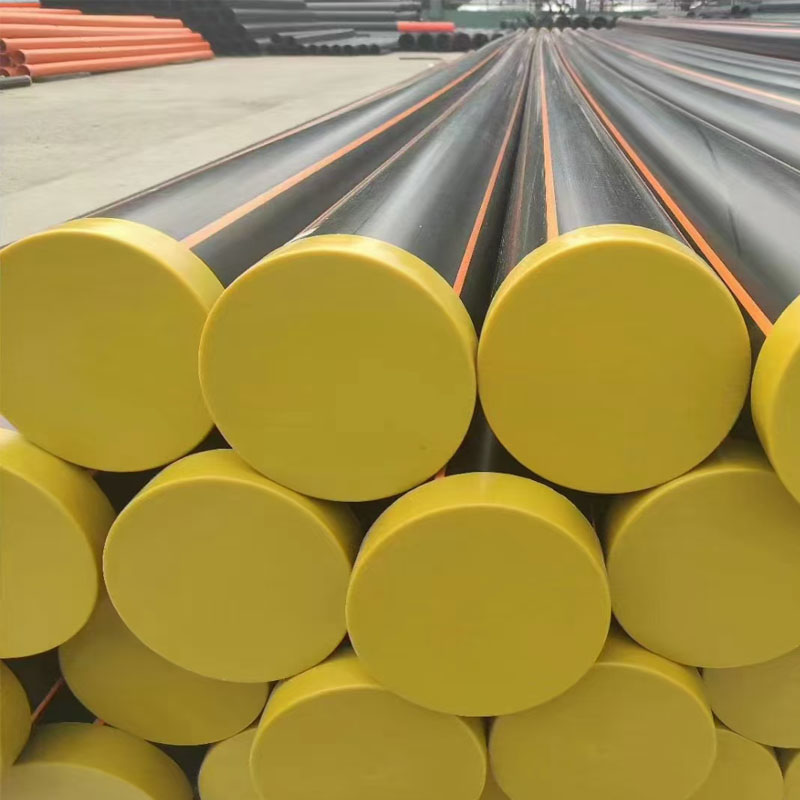
PPR pipes are manufactured from polypropylene random copolymers. The 'random' designation signifies the random distribution of comonomers (typically ethylene) within the polypropylene chain. This randomization disrupts the polymer’s crystallinity, resulting in enhanced impact resistance and flexibility compared to homopolymer polypropylene. Raw material selection is critical; the polypropylene resin must meet stringent quality control standards, including melt flow index (MFI), density, and molecular weight distribution. The MFI, typically ranging from 3.5 to 7.0 g/10min, dictates processability during extrusion. Density, usually between 0.905 and 0.920 g/cm³, influences the pipe’s mechanical properties. Manufacturing typically involves extrusion. Polypropylene granules are fed into an extruder, where they are melted and homogenized. This molten material is then forced through a circular die, creating the pipe's shape. Key parameters during extrusion include barrel temperature profiles (typically 190-230°C), die temperature, and pullulating speed. Precise control of these parameters is crucial to ensure consistent wall thickness and dimensional accuracy. Post-extrusion, pipes undergo cooling in a water bath to solidify the material. Subsequent testing includes hydrostatic pressure testing to verify burst resistance and dimensional checks to confirm adherence to specified standards. Furthermore, the quality of the welding rod, also made of PPR, must be consistent with the pipe material to ensure reliable fusion joints.
Performance & Engineering
The performance of PPR pipes is dictated by several key engineering considerations. Hydrostatic pressure resistance is paramount, particularly for hot water applications. PPR pipes are designed to withstand sustained pressures of up to 20 bar at 95°C, although specific ratings vary based on pipe dimensions and wall thickness. Force analysis reveals that hoop stress (circumferential stress) is the primary stress component under internal pressure, calculated using the Barlow's formula: σ = (PD)/(2t), where P is pressure, D is diameter, and t is wall thickness. Temperature fluctuations induce thermal expansion and contraction. PPR has a coefficient of thermal expansion of approximately 0.15 mm/m°C. Proper allowance for this expansion must be incorporated into the piping system design to prevent stress buildup and potential joint failure. Environmental resistance is another critical factor. While PPR exhibits excellent resistance to most common chemicals found in potable water, prolonged exposure to strong oxidizing agents should be avoided. Compliance requirements are stringent, dictated by standards such as EN 1610 (European standard for PPR pipe systems), ASTM D3261 (standard specification for polypropylene homopolymer pipe for pressure applications), and GB/T 19474 (Chinese national standard for PPR piping systems). These standards specify requirements for material properties, dimensional accuracy, hydrostatic pressure testing, and long-term performance.
Technical Specifications
| Parameter | Unit | PN16 (SDR 11) | PN20 (SDR 9) |
|---|---|---|---|
| Nominal Pressure | bar | 16 | 20 |
| SDR (Standard Dimension Ratio) | - | 11 | 9 |
| Operating Temperature (Water) | °C | -20 to +95 | -20 to +95 |
| Short-Term Hydrostatic Pressure Test | bar | 24 | 30 |
| Long-Term Hydrostatic Pressure Test | bar | 16 | 20 |
| Burst Pressure | bar | >48 | >60 |
Failure Mode & Maintenance
PPR pipe systems, while durable, are susceptible to specific failure modes. Fatigue cracking can occur due to repeated pressure and temperature cycles, particularly at weld joints. This is exacerbated by improper installation techniques, such as insufficient heating during fusion welding. Delamination, or separation of layers within the pipe wall, can result from material defects or excessive stresses. Chemical degradation, though less common with potable water, can occur with prolonged exposure to aggressive chemicals. Oxidation, driven by exposure to ultraviolet (UV) radiation, can embrittle the material over time, especially in outdoor applications. Maintenance primarily involves regular visual inspections for leaks, cracks, or discoloration. Weld joints should be carefully examined for any signs of defects. Pressure testing can be conducted periodically to verify system integrity. For minor leaks at weld joints, re-welding may be possible, provided the surrounding material is clean and dry. In cases of significant damage or degradation, pipe sections should be replaced entirely. Avoid using abrasive cleaning agents, as these can damage the pipe surface. Proper support and anchoring of the pipe run are essential to prevent stress concentration and premature failure.
Industry FAQ
Q: What is the impact of water hardness on the lifespan of a PPR piping system?
A: Water hardness, characterized by the concentration of calcium and magnesium ions, can contribute to scale buildup within the PPR pipe. While PPR itself is not directly corroded by hard water, the scale can reduce the internal diameter of the pipe, increasing flow resistance and potentially leading to localized stress concentrations. Regular flushing of the system and the use of water softeners can mitigate this issue.
Q: How does the quality of the welding equipment affect the reliability of PPR joints?
A: The quality of the welding equipment is critical. Consistent and accurate temperature control is essential for achieving proper fusion. Poorly maintained or calibrated welding tools can result in under-welded or over-welded joints, both of which compromise the joint’s strength and durability. Using a reputable brand of welding equipment and adhering to the manufacturer’s recommended procedures is crucial.
Q: Can PPR pipes be used for external applications exposed to sunlight?
A: While PPR is inherently UV resistant, prolonged and direct exposure to sunlight can lead to gradual degradation and embrittlement. For external applications, it is recommended to use PPR pipes with UV stabilizers or to provide physical shielding, such as painting the pipes with a UV-resistant coating or enclosing them in a conduit.
Q: What are the key considerations for selecting the appropriate SDR (Standard Dimension Ratio) for a PPR system?
A: The SDR is determined by the operating pressure and temperature of the system. Higher pressures and temperatures require lower SDR values (thicker walls). The SDR is calculated as the ratio of the pipe’s outer diameter to its wall thickness. Consult relevant standards (e.g., EN 1610) and engineering calculations to select the appropriate SDR for the specific application.
Q: What is the recommended procedure for pressure testing a newly installed PPR system?
A: Pressure testing should be conducted after the system is fully installed and before it is put into service. The system should be filled with water, and the pressure should be gradually increased to 1.5 times the operating pressure, but not exceeding the pipe’s pressure rating. The pressure should be held for at least 24 hours, and any pressure drop indicates a leak. A hydrostatic test pump and pressure gauge are essential for accurate testing.
Conclusion
PPR pipe systems offer a compelling combination of durability, cost-effectiveness, and ease of installation for hot and cold water distribution. Understanding the material science underpinning PPR, coupled with adherence to rigorous manufacturing and installation protocols, is crucial for maximizing system lifespan and performance. The ability of PPR to withstand thermal expansion, resist corrosion, and conform to stringent industry standards positions it as a preferred choice in a wide range of applications.
Looking forward, advancements in PPR formulations, such as the incorporation of enhanced UV stabilizers and improved impact modifiers, are expected to further broaden the application scope of these systems. Continued research into optimized welding techniques and non-destructive testing methods will also contribute to greater reliability and long-term performance. Proper design, installation, and ongoing maintenance remain essential for unlocking the full potential of PPR piping systems.
-
DN25 HDPE Compression Fitting-HORON INTERNATIONAL|Reliable Irrigation Solutions
NewsFeb.11,2026
-
hdpe coupling joint product Manufacturing Analysis
News2026-11-18
-
ppr pipe heating time products Performance Analysis
News2026-11-16
-
hdpe pipe sizes factory Performance Analysis
News2026-11-09
-
HDPE Pipe Sizes Service Performance Analysis
News2026-10-26
-
wholesale 15mm ppr pipe Material Science and Performance Analysis
News2026-10-20
-
wholesale pvc pipe price per foot Technical Analysis
News2026-09-21
-
wholesale long pvc pipe Technical Analysis and Manufacturing Specifications
News2026-09-15
-
wholesale plumbing kitchen sink water lines Material Performance
News2026-09-15
-
wholesale hdpe drip irrigation Material Science
News2026-09-15
-
wholesale hot water ppr pipe Performance Analysis
News2026-09-15
-
wholesale ppr plumbing Performance Analysis
News2026-09-15
-
wholesale ppr pipe supplier Performance Analysis
News2026-09-13
-
wholesale 50mm ppr pipe Performance Analysis
News2026-09-13
-
wholesale hdpe drip pipe Performance Analysis
News2026-09-13
-
wholesale hdpe pipe 63mm price Manufacturing Specification and Performance Analysis
News2026-09-13