

Feb . 11, 2026 00:01 Back to list
ppr pipe for hot and cold water factory Performance Analysis
Introduction
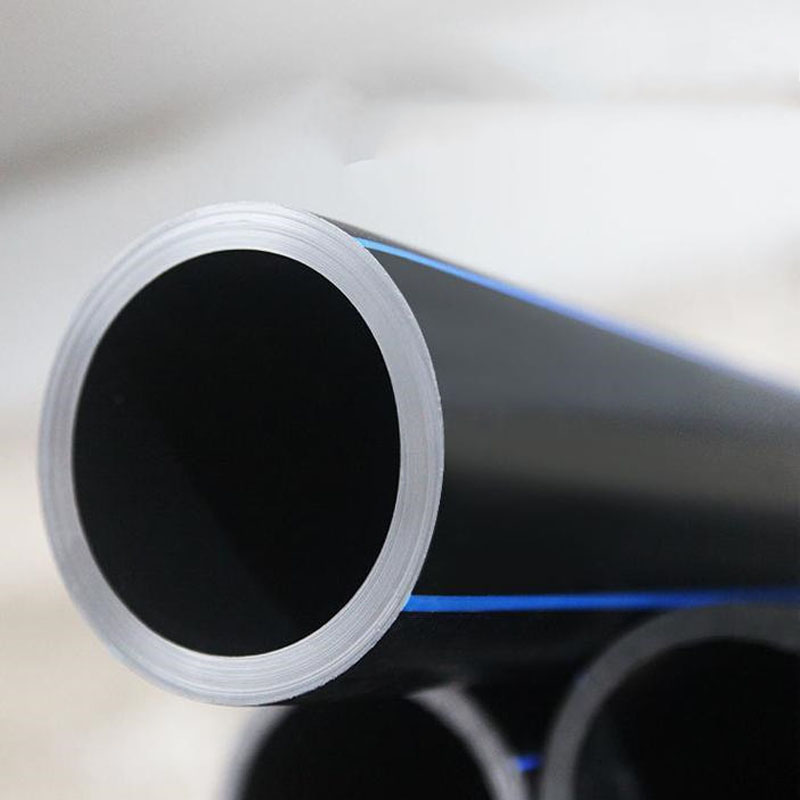
Polypropylene Random (PPR) pipe systems represent a significant advancement in fluid conveyance technology, particularly for hot and cold potable water applications within industrial and residential settings. Positioned as a cost-effective and durable alternative to traditional metal piping (copper, steel, galvanized iron), PPR pipes have gained prominence due to their inherent corrosion resistance, thermal stability, and ease of installation. This technical guide provides an in-depth analysis of PPR pipe systems specifically tailored for hot and cold water distribution, encompassing material science, manufacturing processes, performance characteristics, potential failure modes, and relevant industry standards. Core performance characteristics include pressure resistance, temperature tolerance (extending to 95°C for hot water), and chemical inertness, making them suitable for a wide range of water qualities. A key industry pain point is ensuring long-term resistance to chlorine degradation and maintaining dimensional stability under fluctuating temperatures, factors addressed in detail within this document.
Material Science & Manufacturing
PPR pipes are manufactured from polypropylene random copolymer, a thermoplastic polymer characterized by a random distribution of comonomers within the polymer chain. The primary raw material, polypropylene homopolymer, is copolymerized with ethylene using a Ziegler-Natta catalyst to achieve the desired random copolymer structure. This randomization disrupts the polymer's crystallinity, resulting in enhanced impact strength and flexibility compared to homopolymer polypropylene. Key physical properties include a density of approximately 0.905 g/cm³, a tensile strength ranging from 20-30 MPa, and a Rockwell hardness of 60-70 HRR. Manufacturing typically involves extrusion molding. Polypropylene granules are fed into an extruder, melted, and forced through a circular die to form the pipe shape. Precise control of extrusion temperature (typically 190-240°C), screw speed, and die pressure is critical to maintain consistent wall thickness and dimensional accuracy. The pipes are then cooled in a water bath and cut to length. Socket fusion and electrofusion are common joining methods. Socket fusion involves heating both the pipe end and the fitting socket, then joining them under pressure. Electrofusion utilizes an electrical heating element within the fitting to melt and fuse the pipe and fitting together. Chemical compatibility with common water treatment chemicals (chlorine, chloramine) is crucial, and the formulation of the PPR compound is often optimized to mitigate degradation.
Performance & Engineering
The performance of PPR pipe systems is largely dictated by their ability to withstand hydrostatic pressure and thermal expansion/contraction. Hydrostatic pressure testing, conducted according to ISO 1167, is fundamental to verifying the pipe’s structural integrity. Burst pressures are typically several times the maximum operating pressure (e.g., PN20 rated pipes can withstand pressures exceeding 2 MPa). Engineering analysis focuses on stress distribution within the pipe wall under internal pressure. Hoop stress, the tangential stress acting around the circumference of the pipe, is a primary concern. Thermal expansion coefficients for PPR are significantly higher than those of metal pipes (approximately 0.15 mm/m°C compared to 0.012 mm/m°C for steel). This necessitates the incorporation of expansion loops or flexible connectors in long pipe runs to accommodate thermal movement and prevent stress cracking at joints. Compliance requirements are particularly stringent for potable water applications, mandating that the materials used are non-toxic and do not leach harmful substances into the water. Standards like NSF/ANSI 61 address these concerns. The long-term hydrostatic strength (LTHS) of the material, tested according to ISO 1167, is a critical parameter for assessing the pipe’s durability over its design life. Failure to adequately account for thermal expansion and hydrostatic pressure can lead to premature failure.
Technical Specifications
| Parameter | PN16 (SDR 11) | PN20 (SDR 9.5) | PN25 (SDR 7.3) | Material Standard |
|---|---|---|---|---|
| Nominal Diameter (mm) | 20, 25, 32, 40, 50, 63, 75, 90, 110 | 20, 25, 32, 40, 50, 63, 75, 90, 110 | 20, 25, 32, 40, 50, 63, 75, 90, 110 | ISO 15876-1:2018 |
| Wall Thickness (mm) | 3.7, 4.6, 5.8, 6.7, 8.0, 9.8, 11.5, 13.2, 16.2 | 4.2, 5.3, 6.9, 8.3, 10.0, 12.3, 14.5, 16.2, 19.2 | 5.8, 7.3, 9.6, 11.3, 14.0, 17.3, 20.5, 23.2, 27.2 | - |
| Burst Pressure (MPa) | > 2.4 | > 3.0 | > 3.75 | - |
| Operating Temperature (°C) | -20 to +95 | -20 to +95 | -20 to +95 | - |
| Long-Term Hydrostatic Strength (LTHS) (MPa) | 1.6 | 2.0 | 2.5 | ISO 1167 |
| Oxygen Permeability (cm³/m²·day·bar) | < 0.1 | < 0.1 | < 0.1 | DIN EN ISO 1463 |
Failure Mode & Maintenance
PPR pipe systems, while robust, are susceptible to several failure modes. Slow crack growth (SCG), induced by sustained tensile stress and the presence of aggressive chemicals (particularly chlorine), is a common concern. This manifests as hairline cracks propagating from stress concentrators (e.g., socket fusion joints, fittings). Another failure mode is oxidative degradation, which occurs when the polypropylene is exposed to elevated temperatures and oxygen over prolonged periods, leading to embrittlement and reduced impact strength. Improper installation, such as inadequate heating during socket fusion or excessive bending radius, can also lead to premature failure. Maintenance involves periodic visual inspections for cracks, leaks, and discoloration. Pressure testing can be conducted to identify hidden leaks. If SCG is detected, the affected pipe section should be replaced. For minor leaks at joints, re-fusion may be attempted, but complete replacement is often recommended. Preventative maintenance includes water quality monitoring to minimize chlorine concentration and ensuring proper support and anchoring of the pipe to prevent excessive stress. Failure analysis should include microscopic examination of fracture surfaces to determine the root cause of failure (e.g., SCG, oxidative degradation, or mechanical damage).
Industry FAQ
Q: What is the long-term effect of chlorine on PPR pipe, and how can it be mitigated?
A: Chlorine exposure can lead to slow crack growth (SCG) in PPR pipes, particularly under sustained stress. Mitigating this requires using PPR compounds with enhanced chlorine resistance (formulated with stabilizers), maintaining optimal water chemistry (reducing chlorine concentration), and avoiding excessive stress on the pipe system. Regular monitoring of water quality is crucial.
Q: What is the recommended maximum allowable bending radius for PPR pipes to prevent stress cracking?
A: The recommended minimum bending radius is typically 5-7 times the outer diameter of the pipe. Exceeding this radius introduces excessive stress at the bend, increasing the risk of cracking, especially at lower temperatures.
Q: How does the SDR (Standard Dimension Ratio) affect the pressure rating of PPR pipe?
A: SDR is the ratio of the pipe's outer diameter to its wall thickness. A lower SDR indicates a thicker wall and therefore a higher pressure rating. Higher SDR pipes are suitable for lower-pressure applications, while lower SDR pipes are designed for higher pressures.
Q: What are the key differences between socket fusion and electrofusion joining methods?
A: Socket fusion relies on heating both the pipe and fitting to melt and fuse them together, requiring precise temperature control and operator skill. Electrofusion uses an electrical heating element within the fitting, providing more consistent heating and allowing for joining in confined spaces. Electrofusion generally provides a stronger and more reliable joint.
Q: What temperature range is considered safe for hot water transport in PPR pipes without significant material degradation?
A: While PPR pipes can withstand temperatures up to 95°C intermittently, continuous operation at temperatures exceeding 60°C can accelerate oxidative degradation over time. Maintaining water temperatures below 60°C is recommended for optimal long-term performance.
Conclusion
PPR pipe systems provide a robust and cost-effective solution for hot and cold water distribution. Their inherent corrosion resistance, combined with ease of installation, makes them a compelling alternative to traditional metal piping. However, understanding the material's limitations – particularly regarding chlorine susceptibility and thermal expansion – is critical for ensuring long-term reliability. Proper material selection (based on pressure and temperature requirements), adherence to installation best practices, and regular maintenance are essential for maximizing the lifespan and performance of PPR pipe systems.
Future advancements in PPR technology may focus on developing compounds with enhanced chlorine resistance and improved long-term hydrostatic strength. Standardization efforts are also ongoing to refine testing methods and establish more comprehensive performance criteria. The continued adoption of PPR pipe systems necessitates a commitment to rigorous quality control and a thorough understanding of the underlying material science and engineering principles.
-
DN25 HDPE Compression Fitting-HORON INTERNATIONAL|Reliable Irrigation Solutions
NewsFeb.11,2026
-
hdpe coupling joint product Manufacturing Analysis
News2026-11-18
-
ppr pipe heating time products Performance Analysis
News2026-11-16
-
hdpe pipe sizes factory Performance Analysis
News2026-11-09
-
HDPE Pipe Sizes Service Performance Analysis
News2026-10-26
-
wholesale 15mm ppr pipe Material Science and Performance Analysis
News2026-10-20
-
wholesale pvc pipe price per foot Technical Analysis
News2026-09-21
-
wholesale long pvc pipe Technical Analysis and Manufacturing Specifications
News2026-09-15
-
wholesale plumbing kitchen sink water lines Material Performance
News2026-09-15
-
wholesale hdpe drip irrigation Material Science
News2026-09-15
-
wholesale hot water ppr pipe Performance Analysis
News2026-09-15
-
wholesale ppr plumbing Performance Analysis
News2026-09-15
-
wholesale ppr pipe supplier Performance Analysis
News2026-09-13
-
wholesale 50mm ppr pipe Performance Analysis
News2026-09-13
-
wholesale hdpe drip pipe Performance Analysis
News2026-09-13
-
wholesale hdpe pipe 63mm price Manufacturing Specification and Performance Analysis
News2026-09-13