

Feb . 11, 2026 00:01 Back to list
ppr pipe 50mm price manufacturers Performance Analysis
Introduction
Polypropylene Random (PPR) pipe, specifically the 50mm variant, represents a significant component in modern fluid conveyance systems. Manufactured by numerous companies globally, PPR pipes are increasingly favored over traditional materials like galvanized steel and copper in applications ranging from potable water distribution to industrial process piping. This guide provides a comprehensive technical overview of 50mm PPR pipe, detailing its material science, manufacturing processes, performance characteristics, potential failure modes, and relevant industry standards. The core performance of PPR pipe hinges on its chemical resistance, thermal stability, and hygienic properties, making it a cost-effective and durable solution for a wide variety of applications. The competitive landscape of 50mm PPR pipe price manufacturers is driven by raw material costs (polypropylene resin), production scale, and regional market dynamics. Understanding these factors is crucial for informed procurement decisions.
Material Science & Manufacturing
PPR pipe derives its properties from polypropylene random copolymer. This material is characterized by a random distribution of comonomers, typically ethylene, within the polypropylene chain. This randomization disrupts the polymer's crystallinity, resulting in improved impact resistance, flexibility, and weldability compared to homopolymer polypropylene. Raw material selection is paramount; the grade of polypropylene resin directly impacts the final pipe properties. Key characteristics of the polypropylene resin include Melt Flow Index (MFI), density, and molecular weight distribution.
The manufacturing process typically involves extrusion. Polypropylene resin is fed into an extruder, melted, and forced through a die to create a seamless pipe. Critical parameters during extrusion include barrel temperature profile, screw speed, and die pressure. Maintaining precise control over these parameters is essential to ensure consistent wall thickness, dimensional accuracy, and material homogeneity. Subsequent to extrusion, pipes are typically cooled in a water bath, sized to the desired diameter (50mm in this case), and cut to length. Quality control checks at each stage, including visual inspection for defects, dimensional measurements, and hydrostatic pressure testing, are vital. Socket fusion welding is a common joining method, requiring precise temperature control of both the pipe and fitting to achieve a homogenous weld. Improper welding can significantly reduce the pipe’s long-term integrity.
Performance & Engineering
The performance of 50mm PPR pipe is governed by several key engineering considerations. Hydrostatic strength, measured in MPa, is a critical parameter defining the pipe’s ability to withstand internal pressure. This is directly related to wall thickness and material properties. Stress analysis, particularly finite element analysis (FEA), is used to predict pipe behavior under various loading conditions, including internal pressure, external loads (soil loading, traffic loads), and thermal stresses. The pipe's resistance to creep, the gradual deformation under sustained stress, is also a crucial factor for long-term reliability.
Environmental resistance is another important aspect. While PPR exhibits excellent resistance to many chemicals, prolonged exposure to oxidizing agents or strong acids can lead to degradation. UV exposure can also cause embrittlement; therefore, outdoor installations require UV-stabilized PPR or protective shielding. Thermal expansion and contraction are significant due to polypropylene’s relatively high coefficient of thermal expansion. Expansion loops or flexible connections are necessary to accommodate these movements and prevent stress on the pipe and joints. Compliance requirements vary regionally, with standards dictating permissible operating pressures, temperature ranges, and material specifications. Corrosion resistance is a major advantage over metallic pipes, eliminating the need for costly corrosion protection measures.
Technical Specifications
| Parameter | Unit | Typical Value (50mm PPR) | Test Standard |
|---|---|---|---|
| Nominal Diameter | mm | 50 | ISO 15876 |
| Wall Thickness | mm | 3.2 - 4.2 | ISO 15876 |
| Hydrostatic Pressure (PN) | bar | 16, 20, 25 | ISO 11671 |
| Operating Temperature | °C | -40 to +95 | DIN 19569 |
| Tensile Strength | MPa | >20 | ISO 527 |
| Elongation at Break | % | >250 | ISO 527 |
Failure Mode & Maintenance
Several failure modes can affect the long-term performance of 50mm PPR pipe. Fatigue cracking can occur due to cyclic pressure fluctuations or vibration, particularly at joints. This is often initiated by stress concentrations or imperfections in the weld. Delamination can occur if the weld is not properly formed, creating a weak bond between the pipe and fitting. Slow crack growth (SCG) is a time-dependent failure mechanism exacerbated by sustained stress and exposure to certain chemicals. Oxidation, particularly at elevated temperatures, can lead to material degradation and reduced mechanical properties. UV degradation can cause embrittlement and cracking in exposed sections.
Preventive maintenance is crucial for maximizing pipe lifespan. Regular visual inspections for leaks, cracks, or discoloration are essential. Hydrostatic pressure testing can identify weakened sections or compromised welds. Proper support and anchoring are necessary to prevent excessive stress on the pipe. Avoid exposing the pipe to harsh chemicals or extreme temperatures. If repairs are necessary, use compatible PPR fittings and employ proper socket fusion welding techniques. For significant damage, section replacement is often the most effective solution. Consider implementing a corrosion monitoring program in aggressive environments.
Industry FAQ
Q: What is the long-term impact of water hammer on PPR pipe systems?
A: Water hammer, the pressure surge caused by sudden changes in flow velocity, can significantly stress PPR pipe joints. Repeated water hammer events can lead to fatigue cracking and eventual failure. Mitigation strategies include the use of surge arrestors, pressure relief valves, and proper pipe anchoring to minimize vibration. Selecting a higher PN rating PPR pipe can also improve resistance to pressure surges.
Q: How does the quality of the welding equipment affect the integrity of PPR pipe joints?
A: The quality of the welding equipment (socket fusion tools) is paramount. Inconsistent heating temperatures, improper heating times, and inadequate pressure during fusion can result in weak or incomplete welds. Calibration of the welding tool is essential. Operators must be properly trained and certified in PPR welding techniques to ensure consistent weld quality.
Q: What are the limitations of using PPR pipe in industrial applications involving specific chemicals?
A: While PPR exhibits good chemical resistance to many substances, it is not universally compatible. Prolonged exposure to strong oxidizing agents (e.g., chlorine, ozone), concentrated acids, and certain solvents can cause swelling, cracking, or degradation. A chemical compatibility chart should be consulted before using PPR pipe in any industrial application involving exposure to specific chemicals.
Q: How does the color of PPR pipe relate to its intended application (e.g., hot vs. cold water)?
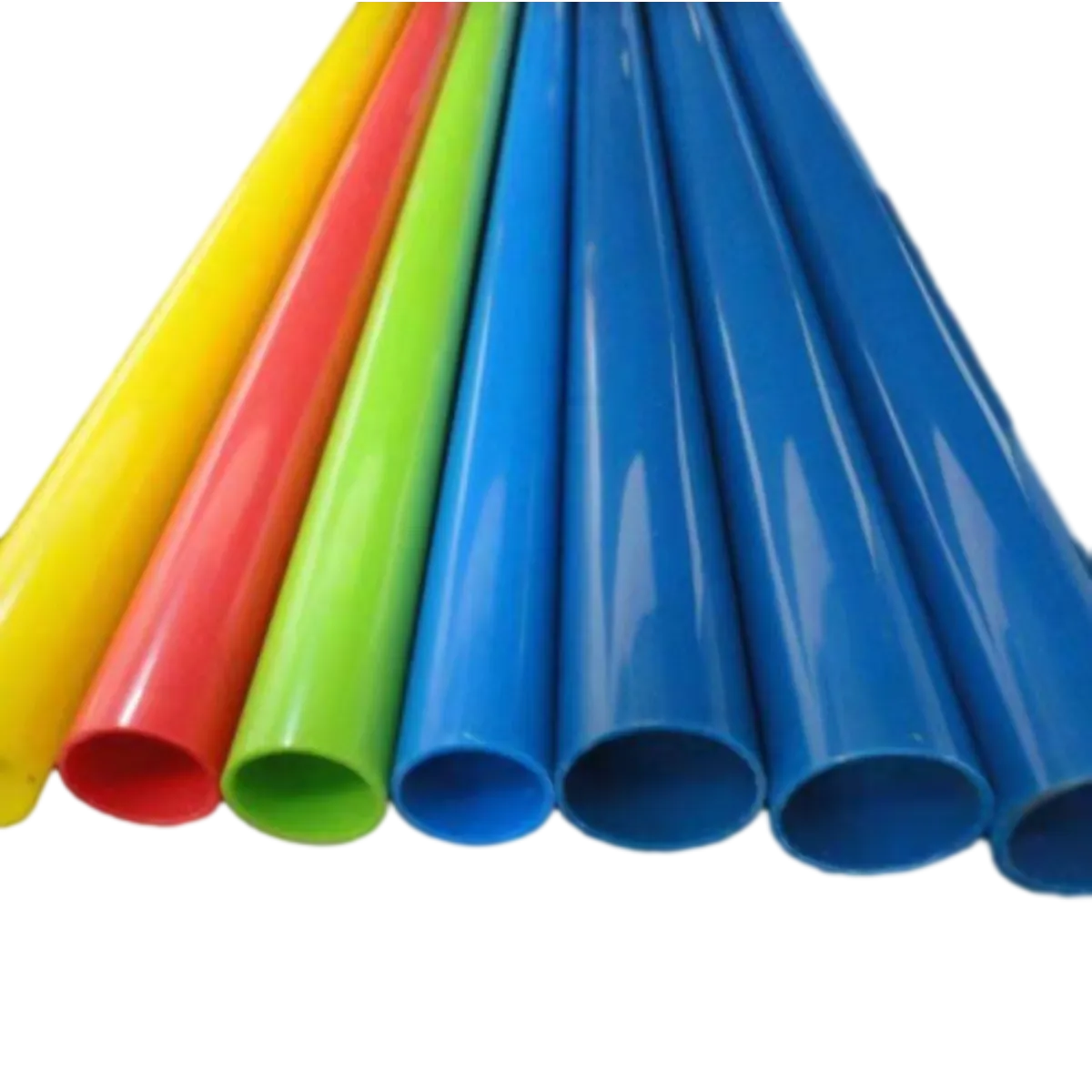
A: PPR pipe is often color-coded to indicate its intended application. Typically, white or light grey PPR is used for cold water distribution, while red or blue PPR is used for hot water. This color coding is a visual indicator but should not be the sole basis for selection; always verify the PN rating and material specifications.
Q: What are the environmental considerations associated with the disposal of PPR pipe waste?
A: PPR is recyclable, but recycling infrastructure for polypropylene may not be universally available. Disposal in landfills is common, but not ideal. Efforts should be made to explore recycling options or to utilize waste-to-energy technologies where available. Proper handling and disposal are essential to minimize environmental impact.
Conclusion
50mm PPR pipe represents a reliable and cost-effective solution for numerous fluid conveyance applications. Its inherent properties, including corrosion resistance, thermal stability, and ease of installation, contribute to its growing popularity. However, proper material selection, meticulous manufacturing control, and adherence to industry standards are critical for ensuring long-term performance. Understanding potential failure modes and implementing appropriate maintenance strategies are essential for maximizing the service life of PPR pipe systems.
Future development trends in PPR pipe technology are focused on enhancing material properties, improving welding techniques, and developing smart pipe systems with integrated sensors for leak detection and monitoring. Continued research into chemical compatibility and long-term durability will further expand the application range of PPR pipe, solidifying its position as a key component in modern infrastructure.
-
DN25 HDPE Compression Fitting-HORON INTERNATIONAL|Reliable Irrigation Solutions
NewsFeb.11,2026
-
hdpe coupling joint product Manufacturing Analysis
News2026-11-18
-
ppr pipe heating time products Performance Analysis
News2026-11-16
-
hdpe pipe sizes factory Performance Analysis
News2026-11-09
-
HDPE Pipe Sizes Service Performance Analysis
News2026-10-26
-
wholesale 15mm ppr pipe Material Science and Performance Analysis
News2026-10-20
-
wholesale pvc pipe price per foot Technical Analysis
News2026-09-21
-
wholesale long pvc pipe Technical Analysis and Manufacturing Specifications
News2026-09-15
-
wholesale plumbing kitchen sink water lines Material Performance
News2026-09-15
-
wholesale hdpe drip irrigation Material Science
News2026-09-15
-
wholesale hot water ppr pipe Performance Analysis
News2026-09-15
-
wholesale ppr plumbing Performance Analysis
News2026-09-15
-
wholesale ppr pipe supplier Performance Analysis
News2026-09-13
-
wholesale 50mm ppr pipe Performance Analysis
News2026-09-13
-
wholesale hdpe drip pipe Performance Analysis
News2026-09-13
-
wholesale hdpe pipe 63mm price Manufacturing Specification and Performance Analysis
News2026-09-13