

Feb . 11, 2026 00:01 Back to list
ppr pipe 40mm price service Performance Analysis

Introduction
Polypropylene Random Copolymer (PPR) pipe, specifically the 40mm variant, represents a significant advancement in fluid conveyance systems across a wide range of applications, including potable water distribution, industrial fluid transport, and heating/cooling systems. Its emergence has addressed critical shortcomings of traditional piping materials – metallic corrosion, fragility of PVC, and challenges in joining. This technical guide provides an in-depth analysis of PPR pipe (40mm), focusing on its material science, manufacturing processes, performance characteristics, potential failure modes, and relevant industry standards. The ‘price service’ aspect within the context of 40mm PPR pipe encompasses not only the raw material cost but also factors in installation, lifecycle maintenance, and long-term operational efficiency, making a comprehensive understanding of its properties crucial for informed procurement decisions. The 40mm diameter is a commonly specified size, balancing flow capacity with manageable weight and installation requirements. Understanding its technical attributes is paramount for engineers, procurement managers, and installers involved in infrastructure projects.
Material Science & Manufacturing
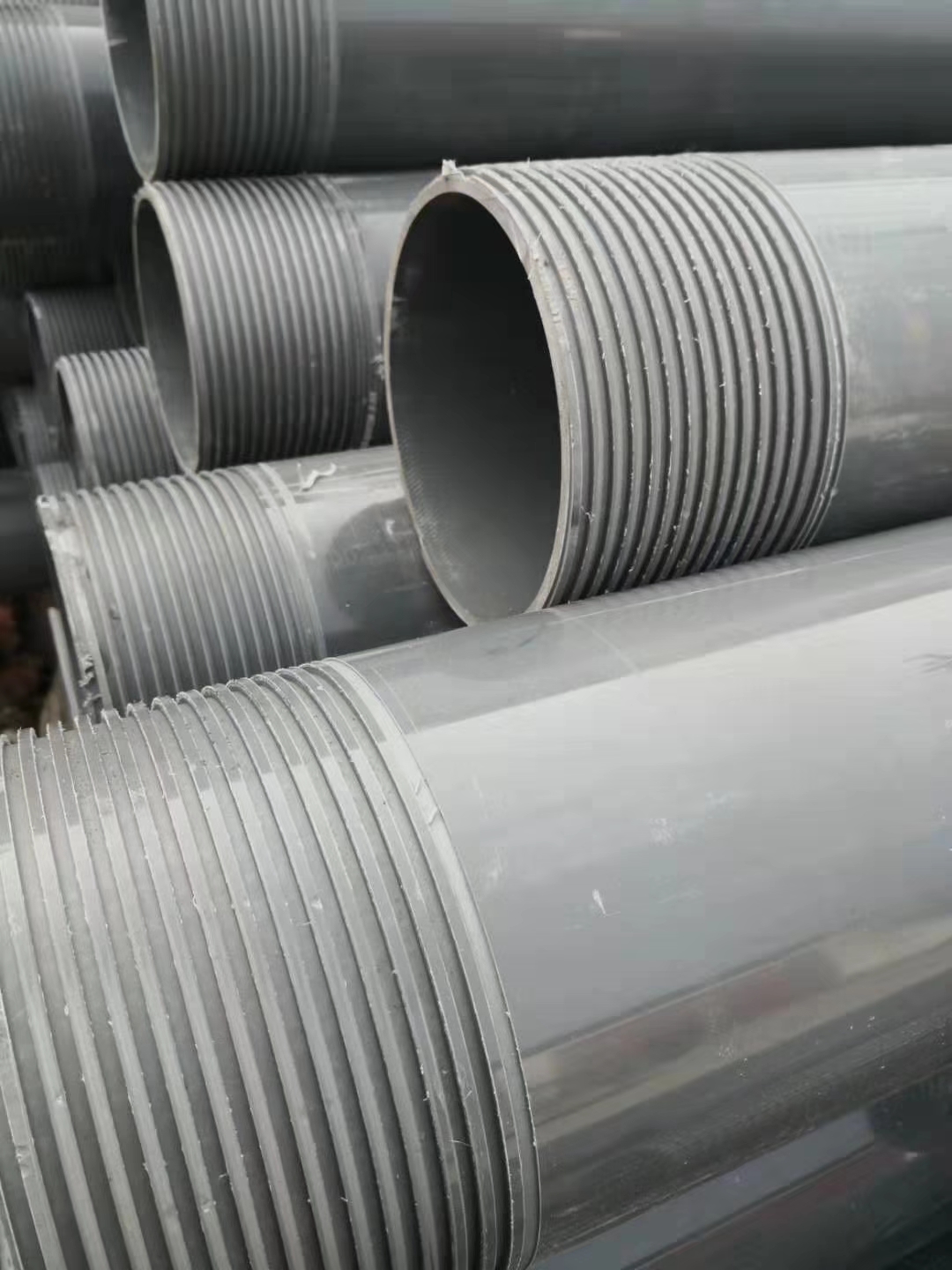
PPR pipe is manufactured from polypropylene random copolymer, a thermoplastic polymer produced through the polymerization of propylene with ethylene. The “random” designation refers to the random distribution of ethylene comonomers within the polypropylene chain. This randomization disrupts the polymer’s crystallinity, resulting in increased flexibility, improved impact resistance, and enhanced stress crack resistance compared to homopolymer polypropylene. The raw material's density typically ranges from 0.905 to 0.92 g/cm³. Key physical properties include a glass transition temperature (Tg) around -10°C and a melting point typically between 130-170°C, depending on the copolymer ratio. Manufacturing typically employs extrusion processes. Granulated PPR material is fed into an extruder, where it is heated and melted. The molten polymer is then forced through a die to form the pipe’s cylindrical shape. Precise control of extrusion temperature, screw speed, and die pressure is critical for achieving consistent wall thickness and dimensional accuracy. Subsequent cooling, often involving water baths, solidifies the pipe. The socket fusion joining method, inherent to PPR, requires strict control of heating tool temperatures (typically 130-150°C for welding) and dwell times to achieve homogeneous fusion and prevent joint failure. Variations in ethylene content affect the pipe’s flexibility and long-term hydrostatic strength.
Performance & Engineering
The performance of 40mm PPR pipe is governed by several critical engineering factors. Hydrostatic strength, a primary design consideration, is determined by the pipe’s dimensions (diameter and wall thickness) and the material’s Minimum Required Strength (MRS). MRS values for PPR typically range from 5.0 to 10.0 MPa, corresponding to a 50-year design life at a reference temperature of 20°C. Stress analysis, often employing Finite Element Analysis (FEA), is crucial for evaluating the pipe’s ability to withstand internal pressure, external loads (soil load, traffic load), and thermal expansion/contraction. PPR exhibits a relatively high coefficient of thermal expansion (approximately 0.15 mm/m°C), necessitating the incorporation of expansion loops or flexible connections in long pipe runs to prevent stress cracking. Chemical resistance is generally excellent, with PPR being compatible with a wide range of chemicals, including acids, bases, and salts. However, prolonged exposure to strong oxidizing agents should be avoided. PPR’s resistance to UV degradation is limited, requiring protective coatings or burial for outdoor applications. Compliance with pressure vessel directives, such as PED (Pressure Equipment Directive) in Europe, and potable water regulations (e.g., NSF/ANSI 61) is paramount, dictating material certification and quality control procedures.
Technical Specifications
| Parameter | Unit | Specification (Typical 40mm PPR) | Test Standard |
|---|---|---|---|
| Nominal Diameter | mm | 40 | ISO 15876 |
| Wall Thickness | mm | 2.3 – 4.2 (depending on pressure class) | ISO 15876 |
| Minimum Required Strength (MRS) | MPa | 5.0 – 10.0 | ISO 15876 |
| Hydrostatic Pressure Test | Bar | > 4.8 (depending on pressure class) | ISO 11671 |
| Temperature Resistance (Max. Operating) | °C | 95 | DIN 19564 |
| Temperature Resistance (Short-Term) | °C | 110 | DIN 19564 |
Failure Mode & Maintenance
Several failure modes can affect the long-term integrity of 40mm PPR pipe. Slow Crack Growth (SCG), initiated by residual stress, environmental stress cracking, or improper installation (over-bending), is a common concern. Fatigue cracking can occur under cyclic pressure loads, particularly at joints. Oxidation, especially at elevated temperatures, can lead to material embrittlement and reduced strength. Joint failure, arising from inadequate welding temperatures or insufficient dwell times during socket fusion, represents a significant risk. Delamination, though less common, can occur if the material is contaminated during manufacturing or subjected to excessive shear stress. Maintenance primarily involves visual inspection for signs of cracking, leakage, or discoloration. Periodic pressure testing can verify system integrity. Preventative maintenance includes ensuring adequate support to prevent excessive bending stress and protecting the pipe from prolonged UV exposure. Repair typically involves cutting out the damaged section and replacing it with a new section using socket fusion welding. Regular monitoring of water quality can also mitigate corrosion-related failures in potable water systems. Detailed records of installation procedures and material certifications are crucial for traceability and failure analysis.
Industry FAQ
Q: What is the impact of water hammer on PPR pipe systems, and how can it be mitigated?
A: Water hammer, the pressure surge resulting from sudden valve closure, can induce significant stress on PPR pipes and joints, potentially leading to cracking or failure. Mitigation strategies include the installation of surge arrestors (water hammer arrestors), slow-closing valves, and proper pipe anchoring. Additionally, maintaining adequate air chambers within the system can absorb some of the shock.
Q: How does the long-term creep behavior of PPR affect its performance in hot water applications?
A: PPR, like all polymers, exhibits creep – the tendency to deform slowly under sustained stress. In hot water applications, elevated temperatures accelerate creep. This can lead to a gradual increase in pipe diameter and a reduction in hydrostatic strength over time. Selecting PPR pipe with a higher MRS and limiting operating temperatures below the maximum recommended value are crucial for minimizing creep effects.
Q: What is the acceptable level of ovality in PPR pipe, and how does it impact joint integrity?
A: Ovality, a deviation from a perfectly circular cross-section, can compromise the effectiveness of socket fusion welding. Excessive ovality can lead to incomplete fusion, creating a weak point prone to leakage. Generally, ovality should be less than 5% of the nominal diameter. Proper pipe handling and storage are essential to prevent distortion.
Q: Are there any specific considerations when using PPR pipe in seismic zones?
A: In seismic zones, PPR pipe systems require robust anchoring and flexible connections to accommodate ground movement. Flexible couplings and expansion joints should be strategically placed to prevent stress concentration. The pipe supports must be designed to withstand seismic loads, and the overall system should be evaluated for earthquake resistance according to relevant building codes.
Q: How do different PPR formulations (Type 1, Type 2, Type 3) affect performance characteristics and application suitability?
A: PPR is categorized into types based on its MRS (Minimum Required Strength). Type 1 (MRS 5.0 MPa) is suitable for cold water applications. Type 2 (MRS 7.5 MPa) is used for both cold and hot water systems. Type 3 (MRS 10.0 MPa) is designed for high-pressure, high-temperature applications, such as industrial fluid transport. Selecting the appropriate type based on the specific operating conditions is vital for ensuring long-term reliability.
Conclusion
PPR pipe (40mm) offers a compelling combination of performance characteristics, cost-effectiveness, and ease of installation, making it a prevalent choice for diverse fluid conveyance applications. Its inherent properties – chemical resistance, corrosion immunity, and flexibility – address limitations of traditional materials. However, successful implementation hinges on a thorough understanding of its material science, proper manufacturing controls, and adherence to industry standards. Careful consideration of factors such as thermal expansion, creep behavior, and potential failure modes is essential for ensuring long-term system integrity.
The ‘price service’ element surrounding 40mm PPR pipe extends beyond the initial material cost, incorporating lifecycle considerations such as reduced maintenance needs, minimal corrosion-related downtime, and reliable performance over its intended design life. Continued advancements in PPR formulations and welding technologies are further enhancing its capabilities and broadening its application scope. A proactive approach to design, installation, and maintenance, grounded in a solid technical understanding, will maximize the benefits of this versatile piping material.
-
DN25 HDPE Compression Fitting-HORON INTERNATIONAL|Reliable Irrigation Solutions
NewsFeb.11,2026
-
hdpe coupling joint product Manufacturing Analysis
News2026-11-18
-
ppr pipe heating time products Performance Analysis
News2026-11-16
-
hdpe pipe sizes factory Performance Analysis
News2026-11-09
-
HDPE Pipe Sizes Service Performance Analysis
News2026-10-26
-
wholesale 15mm ppr pipe Material Science and Performance Analysis
News2026-10-20
-
wholesale pvc pipe price per foot Technical Analysis
News2026-09-21
-
wholesale long pvc pipe Technical Analysis and Manufacturing Specifications
News2026-09-15
-
wholesale plumbing kitchen sink water lines Material Performance
News2026-09-15
-
wholesale hdpe drip irrigation Material Science
News2026-09-15
-
wholesale hot water ppr pipe Performance Analysis
News2026-09-15
-
wholesale ppr plumbing Performance Analysis
News2026-09-15
-
wholesale ppr pipe supplier Performance Analysis
News2026-09-13
-
wholesale 50mm ppr pipe Performance Analysis
News2026-09-13
-
wholesale hdpe drip pipe Performance Analysis
News2026-09-13
-
wholesale hdpe pipe 63mm price Manufacturing Specification and Performance Analysis
News2026-09-13