

Feb . 11, 2026 00:01 Back to list
ppr pipe 40mm price product Performance Analysis
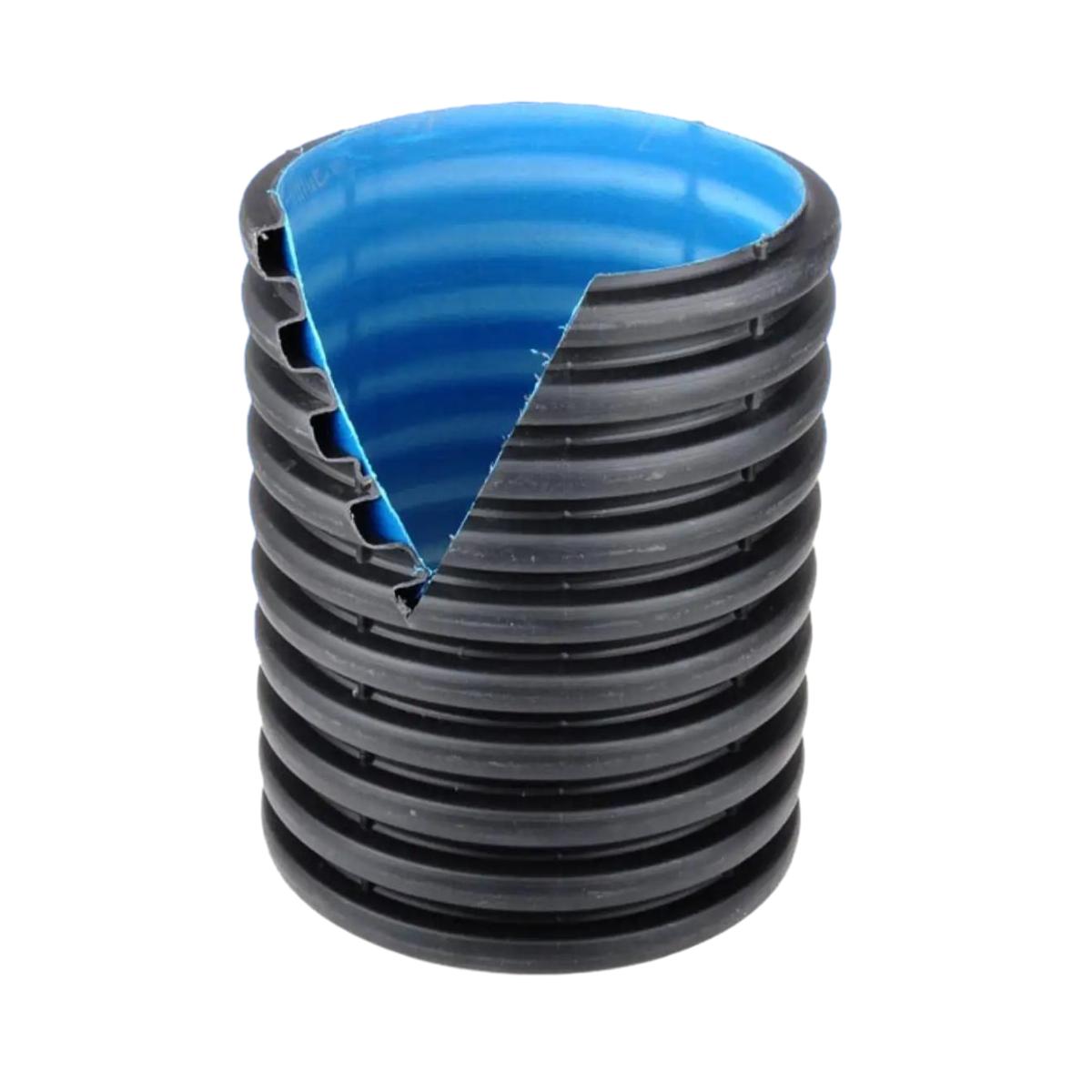
Introduction
Polypropylene Random (PPR) pipe, specifically the 40mm diameter variant, represents a significant advancement in fluid conveyance systems. PPR pipes are thermoplastic pipes produced from polypropylene random copolymers, engineered for both cold and hot water applications. Its technical position within the industry chain is as a direct replacement for traditional metallic piping (copper, galvanized steel) in potable water, heating, and cooling systems, offering advantages in cost-effectiveness, corrosion resistance, and ease of installation. The core performance characteristics of PPR pipe 40mm include high pressure resistance, thermal stability up to 95°C, excellent chemical resistance, and a smooth internal surface minimizing friction loss. While price is a key consideration, particularly in large-scale projects, focusing solely on initial cost neglects the long-term benefits related to reduced maintenance, extended lifespan, and superior fluid quality due to the non-leaching properties of the material. The 40mm dimension is a commonly utilized size for main distribution lines within residential and commercial buildings.
Material Science & Manufacturing
The core raw material for PPR pipe is polypropylene random copolymer. This is achieved through the polymerization of propylene monomers with ethylene comonomers, resulting in a material exhibiting enhanced impact strength and flexibility compared to homopolymer polypropylene. The random distribution of ethylene prevents crystallization, leading to improved crack resistance. Key physical properties include a density of approximately 0.905 - 0.92 g/cm³, a Vicat softening temperature between 135-145°C, and a tensile strength ranging from 20-30 MPa. Manufacturing processes begin with the extrusion of the PPR compound. This involves feeding the polypropylene granules into a heated extruder, where they are melted and forced through a die to form a seamless pipe. Critical parameters during extrusion include maintaining a consistent melt temperature (typically 190-230°C) to prevent degradation, precise control of die dimensions to ensure accurate outer diameter and wall thickness, and calibration using water baths to cool and solidify the pipe while maintaining dimensional accuracy. Socket fusion welding is the predominant joining method for PPR pipes. This process involves heating both the pipe and fitting simultaneously to a precisely controlled temperature (typically 140-180°C) and then rapidly joining them under pressure, creating a homogenous weld. Quality control involves rigorous testing of material properties, dimensional accuracy, hydrostatic pressure testing, and weld strength analysis.
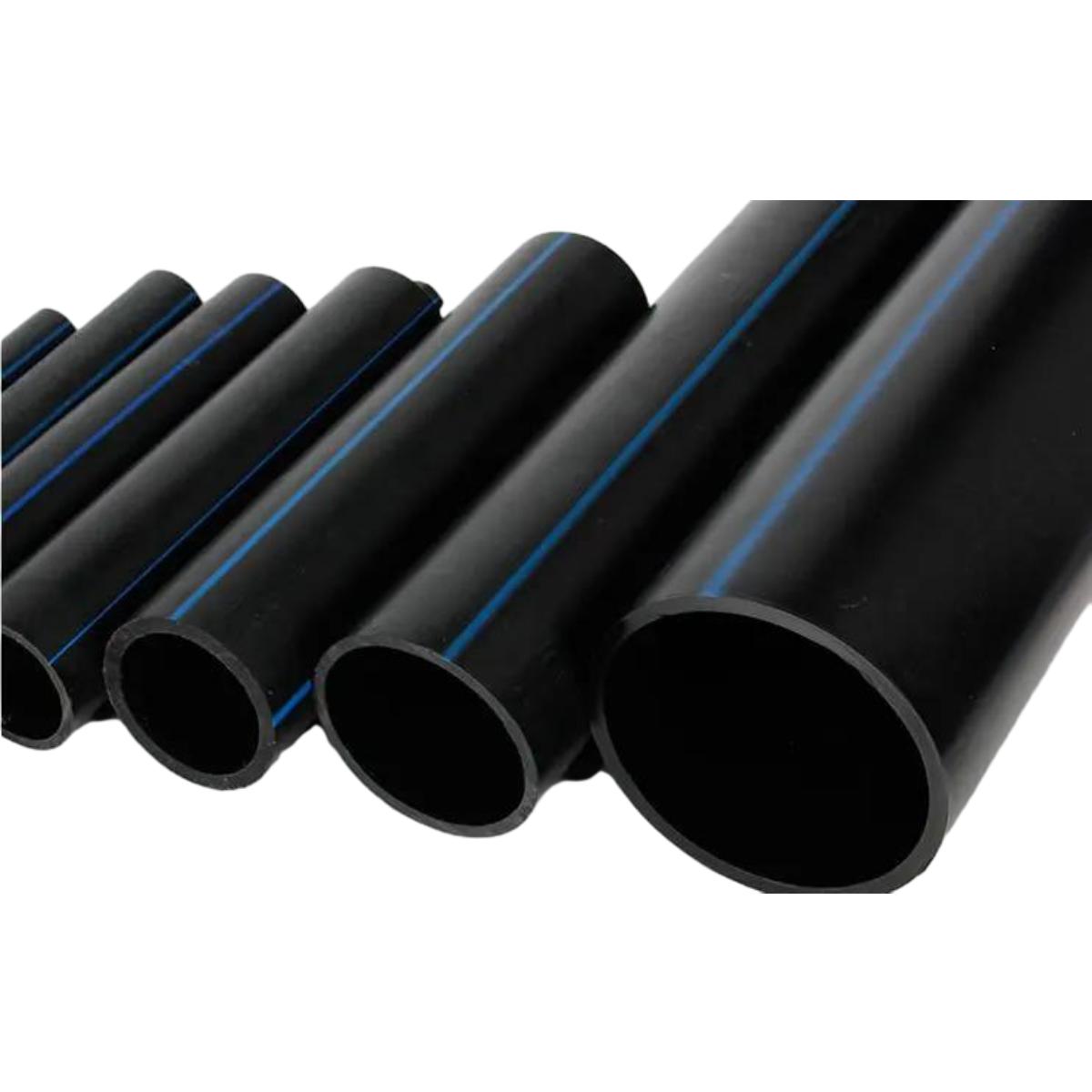
Performance & Engineering
The performance of PPR pipe 40mm is fundamentally governed by its ability to withstand internal hydrostatic pressure and external loads. Force analysis reveals that hoop stress (tangential stress acting circumferentially) is the primary stress component under internal pressure, calculated using the Barlow's formula: σ = (P D) / (2 t), where σ is hoop stress, P is internal pressure, D is outer diameter, and t is wall thickness. Environmental resistance is crucial. PPR exhibits excellent resistance to most common chemicals found in potable water, including chlorides and sulfates. However, prolonged exposure to strong oxidizing agents should be avoided. Temperature cycling introduces thermal stresses. PPR's coefficient of thermal expansion (approximately 0.15 mm/m°C) must be accounted for in installation, utilizing expansion loops or flexible connectors to prevent stress cracking. Compliance requirements vary by region. In Europe, PPR pipes must comply with EN ISO 15876, which specifies standards for material properties, manufacturing processes, and performance characteristics. American standards include ASTM D3261. Functional implementation considerations include proper support to prevent sagging and bending, minimizing the number of bends to reduce friction loss, and ensuring proper ventilation to prevent pressure build-up in closed systems. The long-term hydrostatic strength (LHS) is a critical performance metric, representing the maximum sustained pressure the pipe can withstand over a 50-year service life.
Technical Specifications
| Parameter | Unit | Value (Typical) | Test Standard |
|---|---|---|---|
| Outer Diameter | mm | 40 | ISO 15876 |
| Wall Thickness | mm | 3.2 - 4.2 | ISO 15876 |
| Hydrostatic Pressure (PN) | bar | 16 / 20 / 25 | ISO 15876 |
| Burst Pressure | bar | >64 | ASTM D1599 |
| Vicat Softening Temperature | °C | 135-145 | ISO 306 |
| Tensile Strength | MPa | 20-30 | ISO 527 |
Failure Mode & Maintenance
PPR pipe, while durable, is susceptible to several failure modes. Fatigue cracking can occur due to repeated pressure fluctuations or vibrations, particularly at stress concentration points like joints or bends. Delamination, though less common, can result from improper welding techniques leading to insufficient fusion between the pipe and fitting. Long-term exposure to ultraviolet (UV) radiation can cause degradation of the material, leading to brittleness and cracking, necessitating protection with UV-resistant coatings or burial. Oxidation, while PPR is inherently resistant, can occur at elevated temperatures or in the presence of certain chemicals. Creep, the gradual deformation under sustained load, is a concern in hot water systems and requires careful consideration of pipe support and spacing. Maintenance primarily involves regular visual inspections for leaks, cracks, or signs of deformation. Properly welded joints are critical; any suspect weld should be re-examined or replaced. Periodic flushing of the system can prevent the build-up of sediment that could contribute to corrosion or bacterial growth. When replacing sections of PPR pipe, it is crucial to use compatible fittings and ensure proper welding procedures are followed. Avoid mechanical fasteners that can create stress concentration points. Consider using dielectric unions when connecting PPR pipe to dissimilar metals to prevent galvanic corrosion.
Industry FAQ
Q: What is the long-term impact of using chlorinated water on PPR pipe's lifespan?
A: PPR exhibits excellent resistance to chlorinated water within typical concentrations used in municipal water systems. However, excessively high chlorine levels, or prolonged exposure to chloramines, can gradually degrade the material over decades. Regular monitoring of water chemistry and consideration of alternative materials in high-chlorine environments are recommended.
Q: How does the expansion and contraction of PPR pipe affect its performance in long runs of hot water piping?
A: PPR's thermal expansion requires careful consideration in long runs of hot water piping. Without adequate provision for expansion and contraction, significant stresses can build up, leading to buckling or joint failure. Expansion loops, flexible connectors, or strategically placed expansion joints are crucial for mitigating these stresses.
Q: What are the key differences between PPR-C (Type 3) and standard PPR (Type 1 & 2) in terms of performance and application?
A: PPR-C (Type 3) offers superior performance characteristics, particularly in high-temperature and high-pressure applications. It exhibits enhanced creep resistance and a higher hydrostatic strength compared to Type 1 and 2. PPR-C is typically preferred for central heating systems and industrial applications where demanding conditions are present.
Q: Can PPR pipe be used for compressed air lines, and what are the limitations?
A: While PPR pipe can handle low-pressure compressed air, it is generally not recommended for sustained high-pressure air lines. PPR is susceptible to permeation, leading to air leakage, and lacks the impact resistance required for pneumatic systems. Specialized materials like polyethylene (PE) or polyamide (PA) are more suitable for compressed air applications.
Q: What is the best practice for storing PPR pipes on a construction site to prevent damage?
A: PPR pipes should be stored in a cool, dry, and shaded area, protected from direct sunlight and extreme temperatures. They should be supported along their entire length to prevent bending or sagging. Avoid stacking pipes directly on the ground or exposing them to abrasive materials.
Conclusion
PPR pipe 40mm represents a robust and cost-effective solution for a wide range of fluid conveyance applications. Its inherent corrosion resistance, ease of installation, and excellent thermal properties position it as a superior alternative to traditional metallic piping in many scenarios. Understanding the material science, manufacturing processes, and potential failure modes is critical for ensuring long-term reliability and optimal performance.
The continued development of PPR formulations and welding technologies promises even further advancements in the performance and durability of these systems. Careful consideration of system design, adherence to industry standards, and diligent maintenance practices will maximize the lifespan and minimize the risk of failure, resulting in significant cost savings and enhanced operational efficiency.
-
DN25 HDPE Compression Fitting-HORON INTERNATIONAL|Reliable Irrigation Solutions
NewsFeb.11,2026
-
hdpe coupling joint product Manufacturing Analysis
News2026-11-18
-
ppr pipe heating time products Performance Analysis
News2026-11-16
-
hdpe pipe sizes factory Performance Analysis
News2026-11-09
-
HDPE Pipe Sizes Service Performance Analysis
News2026-10-26
-
wholesale 15mm ppr pipe Material Science and Performance Analysis
News2026-10-20
-
wholesale pvc pipe price per foot Technical Analysis
News2026-09-21
-
wholesale long pvc pipe Technical Analysis and Manufacturing Specifications
News2026-09-15
-
wholesale plumbing kitchen sink water lines Material Performance
News2026-09-15
-
wholesale hdpe drip irrigation Material Science
News2026-09-15
-
wholesale hot water ppr pipe Performance Analysis
News2026-09-15
-
wholesale ppr plumbing Performance Analysis
News2026-09-15
-
wholesale ppr pipe supplier Performance Analysis
News2026-09-13
-
wholesale 50mm ppr pipe Performance Analysis
News2026-09-13
-
wholesale hdpe drip pipe Performance Analysis
News2026-09-13
-
wholesale hdpe pipe 63mm price Manufacturing Specification and Performance Analysis
News2026-09-13