

Feb . 11, 2026 00:01 Back to list
ppr pipe 40mm price manufacturer Performance Analysis
Introduction
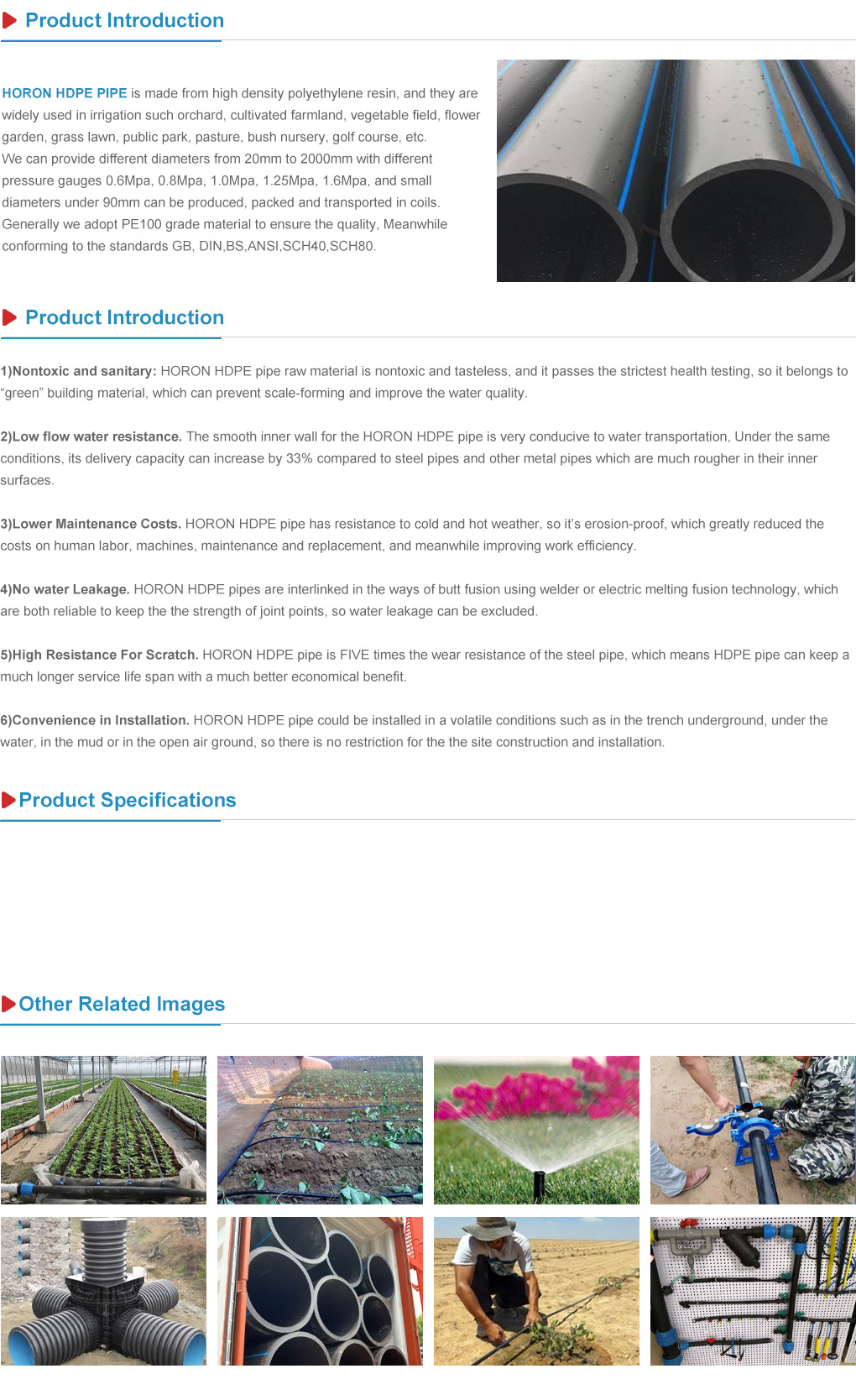
Polypropylene Random Copolymer (PPR) pipe, specifically the 40mm variant, represents a significant advancement in fluid conveyance systems for both potable and non-potable water applications. Positioned within the broader building materials and plumbing infrastructure supply chain, PPR pipe offers a compelling alternative to traditional materials like copper, PVC, and galvanized steel. Its inherent properties, including corrosion resistance, thermal stability, and hygienic characteristics, drive its widespread adoption in residential, commercial, and industrial settings. The 40mm diameter is a common size for main water lines and general distribution within a building. Understanding its material science, manufacturing processes, performance characteristics, potential failure modes, and adherence to international standards is crucial for informed procurement and reliable system design. This guide provides a detailed technical overview of PPR pipe 40mm, addressing key concerns and providing insights for industry professionals.
Material Science & Manufacturing
PPR pipe is manufactured from polypropylene random copolymer, a thermoplastic polymer derived from propylene monomer. The ‘random’ designation indicates that the comonomer, typically ethylene, is randomly distributed along the polymer chain, disrupting the crystallinity of polypropylene and improving its impact resistance and flexibility. The raw material’s density generally falls between 0.905 – 0.92 g/cm³. The manufacturing process predominantly utilizes extrusion. Polypropylene granules are fed into an extruder, where they are heated and melted. The molten polymer is then forced through a die, forming the pipe shape. Key parameters during extrusion include temperature control (melt temperature typically between 200-260°C, die temperature between 190-230°C), screw speed, and die geometry. Accurate temperature control is essential to prevent polymer degradation and ensure dimensional accuracy. Subsequent cooling, often employing water baths, solidifies the pipe. The pipes are then cut to length, marked, and subjected to quality control checks. Hydrostatic testing, performed according to international standards, verifies the pipe’s pressure resistance. The quality of the polypropylene resin used significantly impacts the final product’s mechanical properties and long-term performance. Additives like stabilizers (to prevent UV degradation) and antioxidants are commonly incorporated into the formulation.
Performance & Engineering
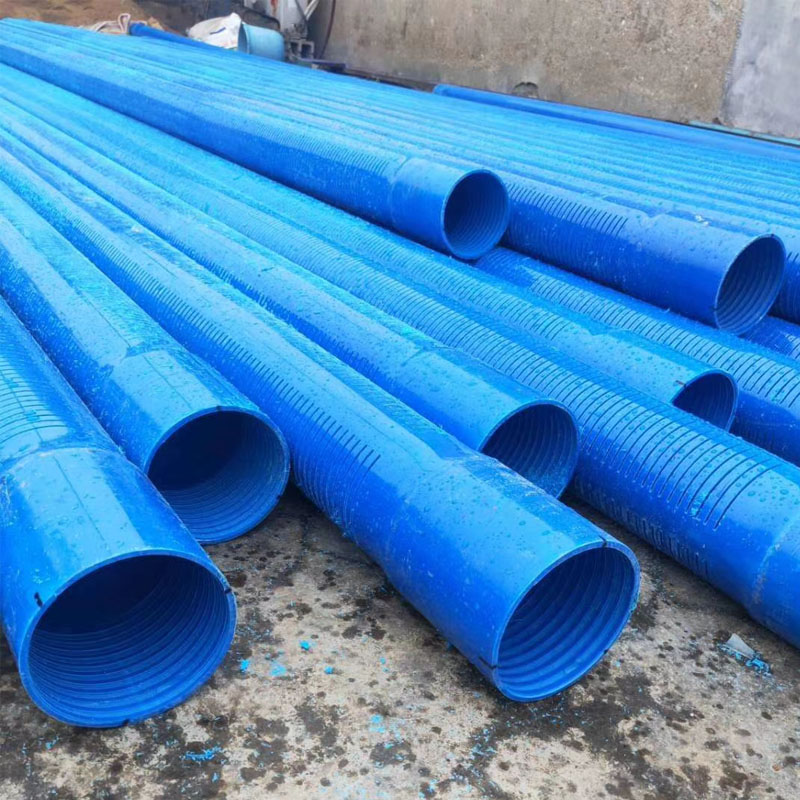
The performance of PPR pipe 40mm is dictated by several key engineering properties. Its tensile strength, typically ranging from 25-35 MPa, determines its ability to withstand internal pressure and external loads. The elongation at break, generally between 200-500%, indicates its ductility and resistance to brittle fracture. Crucially, PPR exhibits excellent chemical resistance, unaffected by most acids, bases, and salts commonly found in water supplies. However, prolonged exposure to strong oxidizing agents should be avoided. The pressure rating, commonly PN16 (1.6 MPa) or PN20 (2.0 MPa), defines the maximum permissible operating pressure at a given temperature (typically 20°C). Temperature resistance is another significant advantage; PPR can handle continuous operating temperatures up to 70°C, with short-term temperature peaks reaching 95°C. Hydrostatic stress analysis is vital during system design to ensure the pipe can withstand expected pressure fluctuations and water hammer effects. Installation practices are critical; proper fusion welding or mechanical jointing techniques must be employed to maintain the pipe’s integrity. Thermal expansion and contraction, a characteristic of all plastics, must be accounted for through the use of expansion loops or flexible connections to prevent stress on the pipe and joints. Furthermore, the smooth inner surface of PPR minimizes friction losses, leading to reduced pumping energy requirements.
Technical Specifications
| Parameter | Unit | PN16 (Typical) | PN20 (Typical) |
|---|---|---|---|
| Nominal Diameter | mm | 40 | 40 |
| Wall Thickness | mm | 2.3 | 2.8 |
| Pressure Rating | MPa | 1.6 | 2.0 |
| Tensile Strength | MPa | 28 | 32 |
| Elongation at Break | % | 300 | 400 |
| Operating Temperature | °C | -20 to 70 | -20 to 70 |
Failure Mode & Maintenance
Several failure modes can affect the long-term performance of PPR pipe. Long-term hydrostatic pressure can lead to creep rupture, particularly at elevated temperatures. This is a slow, time-dependent failure initiated by microscopic cracks. UV degradation, caused by prolonged exposure to sunlight, can embrittle the pipe material, reducing its impact resistance. Mechanical damage, such as punctures or scratches during installation or handling, creates stress concentrations and potential failure points. Improper fusion welding, resulting in insufficient weld strength, is a common cause of leaks. Corrosion, while PPR itself is corrosion-resistant, can occur at metallic fittings if dissimilar metals are used, leading to galvanic corrosion. Water hammer, caused by sudden changes in flow velocity, can induce stress waves that damage the pipe and joints. Maintenance primarily involves visual inspection for leaks, cracks, or signs of degradation. Regularly checking the integrity of fusion welds is crucial. If damage is detected, the affected section should be replaced. For systems exposed to sunlight, UV-resistant coatings or shielding may be necessary. It's also important to ensure proper grounding of the system to prevent stray electrical currents from causing corrosion at metallic connections. Periodic pressure testing can proactively identify potential weaknesses before catastrophic failure occurs.
Industry FAQ
Q: What is the primary advantage of PPR pipe over traditional copper piping?
A: PPR pipe’s primary advantages lie in its cost-effectiveness, ease of installation due to fusion welding, and inherent corrosion resistance. Unlike copper, PPR doesn't require specialized soldering skills and is not susceptible to corrosion from acidic water, reducing long-term maintenance costs.
Q: How does the temperature rating of PPR pipe compare to PVC?
A: PPR pipe significantly outperforms PVC in terms of temperature resistance. While PVC becomes brittle at higher temperatures, PPR can handle continuous operating temperatures up to 70°C and short-term peaks up to 95°C, making it suitable for hot and cold water applications.
Q: What are the critical considerations for fusion welding PPR pipe to ensure a reliable joint?
A: Maintaining proper welding parameters (temperature, pressure, and dwell time) is crucial. The welding surfaces must be clean and free of contamination. Using the correct welding tool for the pipe diameter and ensuring the welder is properly trained are essential for achieving a leak-proof joint.
Q: Can PPR pipe be used for compressed air lines?
A: Generally, PPR pipe is not recommended for compressed air lines. While it can withstand moderate pressures, the permeability of polypropylene to air molecules can result in air loss over time. Dedicated compressed air piping materials, such as aluminum or polyethylene, are more suitable.
Q: What type of fitting is most compatible with PPR pipe to maintain corrosion resistance?
A: PPR fittings, also made from polypropylene random copolymer, are the most compatible. If metallic fittings are unavoidable, using brass fittings with a nickel plating or employing dielectric unions to prevent galvanic corrosion is highly recommended.
Conclusion
PPR pipe 40mm represents a robust and reliable solution for fluid conveyance in a variety of applications. Its inherent material properties, coupled with efficient manufacturing processes, deliver a cost-effective alternative to traditional piping materials. Proper system design, careful installation techniques, and adherence to international standards are paramount to ensuring long-term performance and preventing premature failure. Understanding the potential failure modes and implementing appropriate maintenance strategies will further extend the lifespan of PPR piping systems.
Looking ahead, advancements in PPR formulation, such as incorporating enhanced UV stabilizers and impact modifiers, will continue to improve its durability and broaden its application scope. Furthermore, the development of smart PPR systems with integrated sensors for leak detection and pressure monitoring will enhance system safety and operational efficiency. The continued adoption of PPR pipe reflects a growing industry trend towards utilizing durable, corrosion-resistant, and sustainable plumbing solutions.
-
DN25 HDPE Compression Fitting-HORON INTERNATIONAL|Reliable Irrigation Solutions
NewsFeb.11,2026
-
hdpe coupling joint product Manufacturing Analysis
News2026-11-18
-
ppr pipe heating time products Performance Analysis
News2026-11-16
-
hdpe pipe sizes factory Performance Analysis
News2026-11-09
-
HDPE Pipe Sizes Service Performance Analysis
News2026-10-26
-
wholesale 15mm ppr pipe Material Science and Performance Analysis
News2026-10-20
-
wholesale pvc pipe price per foot Technical Analysis
News2026-09-21
-
wholesale long pvc pipe Technical Analysis and Manufacturing Specifications
News2026-09-15
-
wholesale plumbing kitchen sink water lines Material Performance
News2026-09-15
-
wholesale hdpe drip irrigation Material Science
News2026-09-15
-
wholesale hot water ppr pipe Performance Analysis
News2026-09-15
-
wholesale ppr plumbing Performance Analysis
News2026-09-15
-
wholesale ppr pipe supplier Performance Analysis
News2026-09-13
-
wholesale 50mm ppr pipe Performance Analysis
News2026-09-13
-
wholesale hdpe drip pipe Performance Analysis
News2026-09-13
-
wholesale hdpe pipe 63mm price Manufacturing Specification and Performance Analysis
News2026-09-13