

Feb . 11, 2026 00:01 Back to list
ppr pipe 40mm price factory Performance Analysis
Introduction
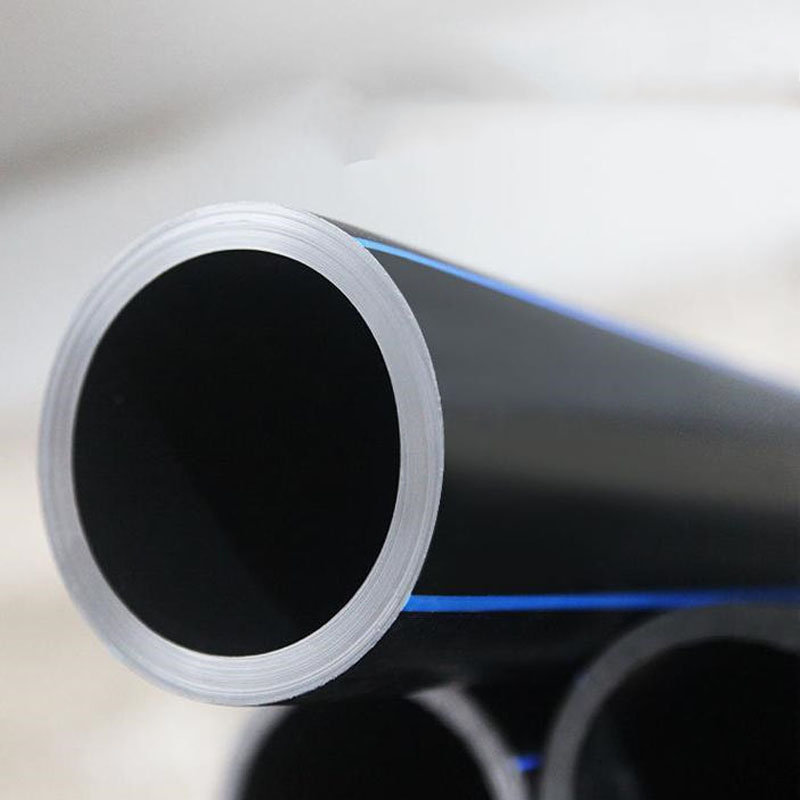
Polypropylene Random (PPR) pipe, specifically the 40mm variant, represents a significant component in modern plumbing and fluid conveyance systems. Its position in the industry chain is as a direct replacement for traditional metal piping – galvanized steel, copper, and cast iron – in non-pressurized and low-pressure applications. PPR pipe’s core performance characteristics revolve around its chemical inertness, thermal stability, and ease of installation via heat fusion welding. The ‘price factory’ designation highlights the competitive manufacturing landscape and the importance of cost-effectiveness in material selection for large-scale projects. This guide will provide a detailed technical overview of 40mm PPR pipe, covering material science, manufacturing processes, performance parameters, potential failure modes, and relevant industry standards. The focus is on delivering a comprehensive understanding for procurement managers, engineers, and maintenance personnel involved in selecting, installing, and maintaining these systems. Current industry pain points surrounding PPR include concerns about long-term creep resistance, UV degradation in exposed applications, and ensuring consistent weld quality across varying skill levels.
Material Science & Manufacturing
PPR pipe is manufactured from polypropylene random copolymer. This polymer is characterized by a random distribution of comonomers (typically ethylene) within the polypropylene chain. This randomization disrupts the polymer’s crystallinity, leading to improved impact resistance and flexibility compared to homopolymer polypropylene. Raw material properties are crucial: density (typically 0.905 – 0.92 g/cm³), Melt Flow Index (MFI – influencing processability, commonly 1.0 - 2.5 g/10min at 230°C/2.16 kg), and Vicat softening temperature (around 130-150°C). Manufacturing begins with the polymerization of propylene and ethylene monomers. The resulting resin is then compounded with stabilizers (typically antioxidants and UV absorbers) to enhance long-term durability. Extrusion is the primary manufacturing process. Resin pellets are fed into an extruder, melted, and forced through a die to form the pipe shape. Key parameters during extrusion include melt temperature (190-230°C), die temperature, haul-off speed (controlling pipe diameter and wall thickness), and cooling rate. Heat fusion welding – socket fusion, butt fusion, and electrofusion – are the standard joining techniques. Precise temperature control and adequate pressure are vital to ensure homogenous weld formation and prevent defects like incomplete fusion or weld deformation. Quality control involves hydrostatic pressure testing (to verify burst pressure and leak tightness) and dimensional checks (diameter, wall thickness, ovality) according to standards like DIN 8077/8078 and EN ISO 15876.

Performance & Engineering
The performance of 40mm PPR pipe is fundamentally governed by its pressure rating (PN – typically PN10, PN16, or PN20, corresponding to maximum operating pressures of 1.0 MPa, 1.6 MPa, and 2.0 MPa respectively at 20°C). Force analysis under hydrostatic pressure necessitates consideration of hoop stress (σ = PD/2t, where P is pressure, D is diameter, and t is wall thickness). Creep resistance – the tendency to deform permanently under sustained load – is a critical long-term performance factor. Higher quality PPR compounds exhibit improved creep resistance. Environmental resistance includes resistance to a broad range of chemicals (acids, bases, salts) but limited resistance to prolonged exposure to UV radiation and certain organic solvents. Engineering design must account for thermal expansion and contraction. PPR has a coefficient of linear thermal expansion of approximately 0.15 mm/m°C. Expansion loops or flexible connectors are necessary to accommodate thermal movement and prevent stress on joints. Compliance requirements depend on the application. Drinking water systems must adhere to regulations concerning leachables and extractables (e.g., NSF/ANSI 61). Industrial applications may require compliance with specific chemical resistance standards. Installation must follow established guidelines to ensure proper alignment, support, and weld quality. Insufficient support can lead to sagging and stress concentrations. Incorrect welding parameters can result in weak or leaky joints.
Technical Specifications
| Parameter | PN10 (SDR 6) | PN16 (SDR 5) | PN20 (SDR 4) | Material Standard |
|---|---|---|---|---|
| Nominal Diameter (mm) | 40 | 40 | 40 | ISO 15876 |
| Wall Thickness (mm) | 3.2 | 4.0 | 5.0 | DIN 8077/8078 |
| Burst Pressure (MPa) | 10 | 16 | 20 | EN ISO 15876 |
| Operating Temperature (°C) | -20 to +95 | -20 to +95 | -20 to +95 | ASTM E292 |
| Long-Term Hydrostatic Strength (MPa) | 6.3 | 10 | 13.3 | ISO 11671 |
| Melt Flow Index (g/10min) | 1.0 - 2.5 | 1.0 - 2.5 | 1.0 - 2.5 | ISO 1133 |
Failure Mode & Maintenance
Common failure modes in 40mm PPR pipe systems include: 1) Weld Failure: Caused by insufficient heating, improper pressure application during fusion, or contamination of the weld surface. Manifests as leaks or complete joint separation. 2) Creep Rupture: Long-term deformation under sustained pressure, particularly at elevated temperatures. More prevalent in lower-grade materials and thin-walled pipes. 3) UV Degradation: Prolonged exposure to ultraviolet radiation causes embrittlement and cracking, particularly in areas not shielded from sunlight. 4) Thermal Expansion Stress: Inadequate allowance for thermal expansion can induce stress on joints, leading to cracking or leakage. 5) Internal Corrosion/Erosion: While PPR is generally chemically inert, abrasive particles in the fluid can cause erosion over time. 6) Fatigue Cracking: Repeated pressure fluctuations can induce fatigue cracking, especially around fittings. Maintenance involves regular visual inspections for leaks, cracks, and signs of UV degradation. Weld integrity should be periodically checked (e.g., through non-destructive testing). For systems exposed to UV radiation, consider protective coatings or shielding. Pressure testing should be conducted periodically to verify system integrity. In case of a leak, the affected section of pipe should be cut out and replaced with a new section, properly heat-fused. Preventative maintenance includes ensuring adequate support for the piping and avoiding excessive mechanical stress.
Industry FAQ
Q: What is the long-term impact of sustained high temperatures on PPR pipe performance?
A: Sustained high temperatures accelerate creep deformation in PPR. While PPR is rated for temperatures up to 95°C, prolonged exposure above 60°C can significantly reduce its long-term hydrostatic strength. Selecting a higher PN rating (e.g., PN20) or employing materials with enhanced creep resistance is crucial for applications involving consistently high temperatures. Regular monitoring of pipe pressure and temperature is also recommended.
Q: How does the quality of the welding equipment and operator training impact weld integrity?
A: Weld integrity is heavily reliant on both equipment quality and operator skill. Poorly calibrated welding equipment can lead to insufficient heating or uneven pressure distribution. Inadequate operator training results in errors such as incorrect heating times, improper cleaning of weld surfaces, and insufficient fusion. Certification programs for PPR welders are highly recommended to ensure consistent weld quality.
Q: What are the specific chemical compatibility concerns with PPR pipe?
A: While generally chemically resistant, PPR is susceptible to degradation by strong oxidizing agents, chlorinated hydrocarbons, and aromatic hydrocarbons. Exposure to these chemicals can cause swelling, cracking, or leaching of plasticizers. A compatibility chart should be consulted before using PPR pipe in applications involving potentially corrosive fluids.
Q: How do I mitigate the risk of UV degradation in outdoor applications?
A: UV degradation is a significant concern for outdoor PPR installations. Mitigation strategies include using UV-stabilized PPR compounds, painting the pipe with a UV-resistant coating, or shielding the pipe from direct sunlight with opaque coverings. Consider burying the pipe whenever feasible to minimize UV exposure.
Q: What is the recommended support spacing for 40mm PPR pipe to prevent sagging and stress?
A: Recommended support spacing for 40mm PPR pipe depends on the fluid temperature and pressure. As a general guideline, supports should be placed every 2-3 meters for horizontal runs and every 1.5-2 meters for vertical runs. Adequate support prevents sagging, reduces stress on joints, and minimizes the risk of failure.
Conclusion
40mm PPR pipe represents a cost-effective and reliable solution for a wide range of plumbing and fluid conveyance applications. Its inherent properties – chemical resistance, thermal stability, and ease of installation – make it an attractive alternative to traditional metal piping. However, long-term performance is critically dependent on material selection, proper installation techniques (particularly heat fusion welding), and consideration of environmental factors like UV exposure and thermal expansion. Understanding the potential failure modes and implementing preventative maintenance strategies are essential to maximizing the service life and ensuring the safe operation of PPR pipe systems.
Moving forward, advancements in PPR compound formulations, particularly those enhancing creep resistance and UV stability, will further expand the application scope of this material. Increased emphasis on operator training and quality control during welding will also play a crucial role in ensuring long-term reliability. Continued adherence to relevant industry standards and best practices is paramount for maintaining the integrity and performance of PPR pipe installations.
-
DN25 HDPE Compression Fitting-HORON INTERNATIONAL|Reliable Irrigation Solutions
NewsFeb.11,2026
-
hdpe coupling joint product Manufacturing Analysis
News2026-11-18
-
ppr pipe heating time products Performance Analysis
News2026-11-16
-
hdpe pipe sizes factory Performance Analysis
News2026-11-09
-
HDPE Pipe Sizes Service Performance Analysis
News2026-10-26
-
wholesale 15mm ppr pipe Material Science and Performance Analysis
News2026-10-20
-
wholesale pvc pipe price per foot Technical Analysis
News2026-09-21
-
wholesale long pvc pipe Technical Analysis and Manufacturing Specifications
News2026-09-15
-
wholesale plumbing kitchen sink water lines Material Performance
News2026-09-15
-
wholesale hdpe drip irrigation Material Science
News2026-09-15
-
wholesale hot water ppr pipe Performance Analysis
News2026-09-15
-
wholesale ppr plumbing Performance Analysis
News2026-09-15
-
wholesale ppr pipe supplier Performance Analysis
News2026-09-13
-
wholesale 50mm ppr pipe Performance Analysis
News2026-09-13
-
wholesale hdpe drip pipe Performance Analysis
News2026-09-13
-
wholesale hdpe pipe 63mm price Manufacturing Specification and Performance Analysis
News2026-09-13