

Feb . 11, 2026 00:01 Back to list
ppr pipe 3 4 price products Technical Analysis
Introduction
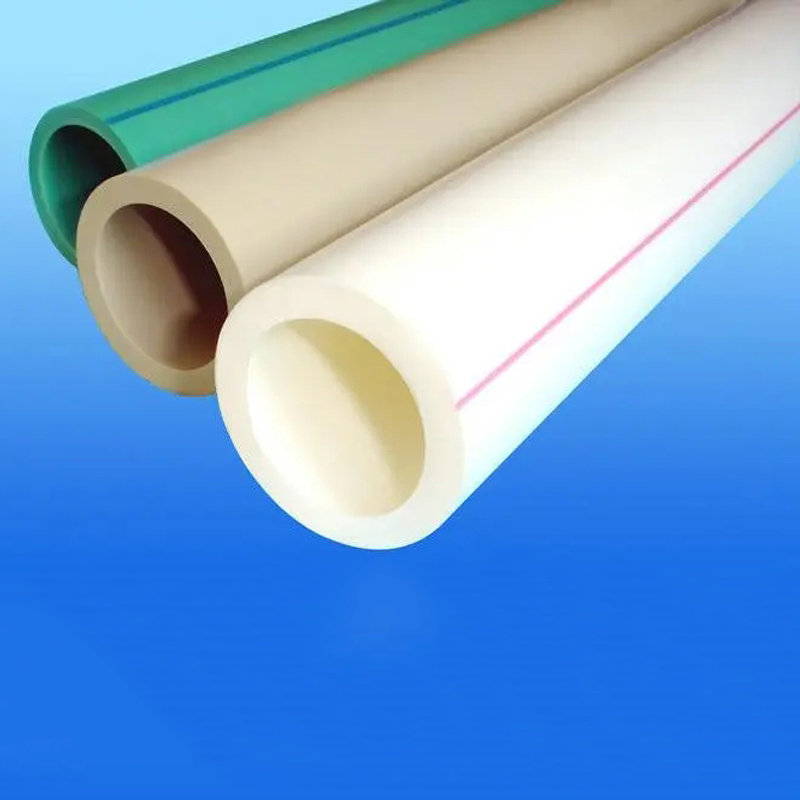
Polypropylene Random Copolymer (PPR) pipes, specifically those with a diameter of 3/4 inch, are a widely used piping system in both residential and commercial applications for potable water supply and heating. Their technical position within the plumbing and fluid transfer industry chain sits between traditional metallic piping (copper, steel) and more flexible alternatives like PEX or PVC. PPR pipes offer a compelling balance of cost-effectiveness, corrosion resistance, and ease of installation via heat fusion welding. Core performance characteristics include pressure resistance, temperature endurance, chemical inertness, and a smooth internal surface minimizing friction loss. This guide provides an in-depth technical analysis of PPR pipes, specifically focusing on the 3/4-inch dimension, covering material science, manufacturing processes, performance engineering, failure modes, and industry standards.
Material Science & Manufacturing
PPR pipes are manufactured from polypropylene random copolymers, meaning polypropylene molecules are randomly copolymerized with ethylene. This randomization disrupts the crystalline structure of polypropylene, resulting in enhanced flexibility, impact resistance, and improved temperature performance compared to homopolymer polypropylene. Raw material properties are critical: the density of the polypropylene typically ranges from 0.905 to 0.92 g/cm³, with a Melt Flow Index (MFI) influencing processability and final product characteristics. Higher MFI generally indicates lower molecular weight and easier flow during injection molding or extrusion. The manufacturing process primarily involves extrusion. Polypropylene granules are fed into an extruder where they are heated and plasticized. The molten polymer is then forced through a die to form the pipe shape. Critical parameters during extrusion include temperature control across different zones (hopper, compression, metering), screw speed, and die pressure. Precise temperature control is essential to prevent degradation of the polymer and ensure dimensional accuracy. Post-extrusion, the pipe is cooled in a water bath, calibrated to maintain consistent diameter, and then cut to length. The quality of the welding process significantly affects the pipe's long-term integrity, requiring skilled technicians and precisely controlled heating plate temperatures and pressure durations. Pipe marking, including size, material specification (e.g., DIN 8077/8078), pressure rating (PN), and manufacturer’s information, is a crucial aspect of quality control.
Performance & Engineering
The performance of PPR pipes is governed by several key engineering principles. Hydrostatic pressure testing, conforming to standards like ISO 1167, validates the pipe’s ability to withstand internal pressure without failure. A 3/4-inch PPR pipe typically exhibits a pressure rating of PN20 (2.0 MPa or 290 psi) at 20°C, but this rating decreases with increasing temperature. Force analysis considers hoop stress, longitudinal stress, and bending moments, particularly at joints and fittings. Environmental resistance is another critical factor. While PPR exhibits excellent resistance to most common chemicals found in potable water, prolonged exposure to strong oxidizing agents or certain solvents can cause degradation. The service temperature range typically spans from -40°C to +95°C, but continuous operation at temperatures nearing the upper limit can reduce the pipe’s lifespan. Compliance requirements vary by region. European standards (EN ISO 15876) dictate material specifications, testing methods, and installation procedures. In the US, ASTM standards (e.g., ASTM D2837) may be applicable depending on the intended application. Thermal expansion and contraction must be accounted for during installation, using expansion loops or flexible connectors to prevent stress on the pipe and joints. The smooth internal surface of PPR pipes minimizes friction loss, reducing pumping energy requirements compared to rougher materials like galvanized steel.
Technical Specifications
| Parameter | 3/4" PPR Pipe (Typical Values) | Testing Standard | Units |
|---|---|---|---|
| Outer Diameter | 21.5 mm | ISO 15876 | mm |
| Inner Diameter | 17.5 mm | ISO 15876 | mm |
| Wall Thickness | 2.0 mm | ISO 15876 | mm |
| Pressure Rating (PN) @ 20°C | 20 | ISO 1167 | bar |
| Burst Pressure @ 20°C | 60 | ISO 1167 | bar |
| Service Temperature Range | -40 to +95 | DIN 8077/8078 | °C |
| Melt Flow Index (MFI) | 1.0 - 2.5 | ISO 1133 | g/10min |
Failure Mode & Maintenance
PPR pipes, while durable, are susceptible to specific failure modes. Long-term hydrostatic stress can lead to slow crack growth, particularly in areas of high stress concentration like joints. This is known as Environmental Stress Cracking (ESC). Fatigue cracking can occur due to cyclic pressure fluctuations or mechanical vibrations. Delamination can happen at joints if welding parameters are not properly controlled, resulting in inadequate fusion of the pipe and fitting materials. Oxidation and UV degradation can cause surface embrittlement if the pipe is exposed to prolonged sunlight. Chlorine concentration in water can slowly degrade the material over extended periods. Maintenance involves periodic visual inspection for signs of cracking, leakage, or discoloration. Proper support and anchoring of the piping system are essential to prevent excessive stress. If leaks are detected, the affected section of pipe must be cut out and replaced with new PPR pipe and fittings using the correct heat fusion welding technique. Regular flushing of the system can remove sediment buildup and maintain water quality, minimizing the potential for corrosion or degradation. Avoid using abrasive cleaning agents or solvents that may damage the pipe material. Prevent mechanical damage during installation or subsequent building activities.
Industry FAQ
Q: What is the maximum allowable temperature for continuous operation in a PPR piping system?
A: While PPR can withstand temperatures up to 95°C, continuous operation should ideally be limited to 70°C to maximize the pipe’s lifespan and maintain its mechanical properties. Operating at higher temperatures for extended periods can accelerate degradation and reduce the pressure rating.
Q: How does the quality of the welding process affect the long-term performance of PPR pipe joints?
A: The quality of the heat fusion weld is paramount. Insufficient heating, incorrect pressure, or improper dwell time can lead to incomplete fusion, creating a weak point susceptible to leakage and failure. Skilled technicians using calibrated welding equipment are essential.
Q: What is the effect of water hardness on PPR pipe performance?
A: High water hardness can lead to the formation of scale deposits inside the pipe, reducing the internal diameter and increasing friction loss. While PPR itself is not directly corroded by hard water, scale buildup can compromise its hydraulic performance.
Q: Is PPR pipe suitable for outdoor applications exposed to UV radiation?
A: Prolonged exposure to UV radiation can cause surface embrittlement and reduce the pipe’s lifespan. For outdoor applications, PPR pipes should be shielded from direct sunlight using protective coverings or buried underground.
Q: What are the advantages of PPR over traditional copper piping systems?
A: PPR offers several advantages over copper, including lower material cost, ease of installation (via heat fusion welding), corrosion resistance, lower thermal conductivity (reducing heat loss), and a smoother internal surface minimizing friction loss. However, copper generally offers higher temperature resistance and may be preferred in specific applications.
Conclusion
PPR pipe, in the 3/4-inch dimension, represents a cost-effective and reliable solution for potable water and heating applications. Its inherent corrosion resistance, ease of installation, and favorable hydraulic properties make it a preferred choice in numerous construction projects. However, understanding its limitations—specifically regarding temperature sensitivity, UV degradation, and the criticality of proper welding techniques—is crucial for ensuring long-term system integrity and avoiding potential failures.
Future advancements in PPR technology may focus on developing enhanced UV stabilizers, improving impact resistance, and optimizing welding processes for increased reliability. Adherence to recognized international standards and best practices in installation and maintenance remain paramount for maximizing the service life and performance of PPR piping systems.
-
DN25 HDPE Compression Fitting-HORON INTERNATIONAL|Reliable Irrigation Solutions
NewsFeb.11,2026
-
hdpe coupling joint product Manufacturing Analysis
News2026-11-18
-
ppr pipe heating time products Performance Analysis
News2026-11-16
-
hdpe pipe sizes factory Performance Analysis
News2026-11-09
-
HDPE Pipe Sizes Service Performance Analysis
News2026-10-26
-
wholesale 15mm ppr pipe Material Science and Performance Analysis
News2026-10-20
-
wholesale pvc pipe price per foot Technical Analysis
News2026-09-21
-
wholesale long pvc pipe Technical Analysis and Manufacturing Specifications
News2026-09-15
-
wholesale plumbing kitchen sink water lines Material Performance
News2026-09-15
-
wholesale hdpe drip irrigation Material Science
News2026-09-15
-
wholesale hot water ppr pipe Performance Analysis
News2026-09-15
-
wholesale ppr plumbing Performance Analysis
News2026-09-15
-
wholesale ppr pipe supplier Performance Analysis
News2026-09-13
-
wholesale 50mm ppr pipe Performance Analysis
News2026-09-13
-
wholesale hdpe drip pipe Performance Analysis
News2026-09-13
-
wholesale hdpe pipe 63mm price Manufacturing Specification and Performance Analysis
News2026-09-13