

Feb . 11, 2026 00:01 Back to list
ppr pipe 3 4 price manufacturers Performance Analysis
Introduction
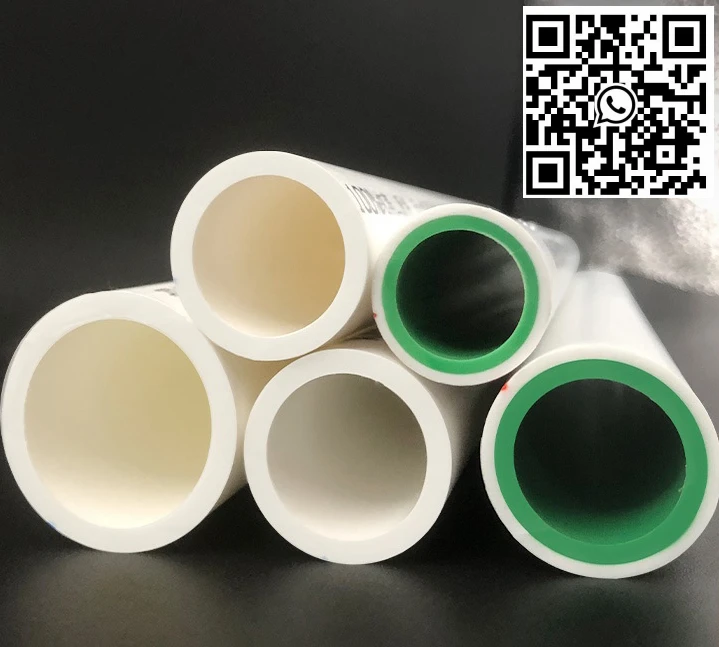
Polypropylene Random Copolymer (PPR) pipe, specifically in the 3/4 inch diameter range, represents a significant component in modern plumbing and fluid conveyance systems. PPR pipes are categorized within the thermoplastic pipe family, distinguished by their versatility, corrosion resistance, and thermal stability. The ‘3/4’ designation refers to the nominal pipe size, impacting flow rate capacity and suitability for various applications, from potable water distribution to industrial fluid transport. Manufacturers specializing in PPR pipe 3/4 address a global demand driven by infrastructure development, residential construction, and the need for reliable, long-lasting piping solutions. Understanding the nuances of material composition, manufacturing processes, and performance characteristics is critical for informed procurement and successful implementation. This guide provides a comprehensive overview of PPR pipe 3/4, focusing on manufacturing, properties, performance, potential failures, and relevant industry standards. Price variations are intrinsically linked to raw material costs (polypropylene resin grade and additives), manufacturing scale, and geographic location of the manufacturer.
Material Science & Manufacturing
PPR pipe fabrication begins with polypropylene random copolymer, a thermoplastic polymer created through the polymerization of propylene monomer. The “random” copolymerization introduces ethylenes, disrupting the polypropylene’s crystalline structure, and imparting enhanced flexibility and impact resistance compared to homopolymer polypropylene. Raw material selection is paramount; the grade of polypropylene significantly affects the final pipe’s properties. Additives, including stabilizers (antioxidants, UV stabilizers), lubricants, and pigments, are incorporated to enhance performance and processing characteristics.
Manufacturing commonly employs extrusion molding. Polypropylene granules are fed into an extruder, where they are heated and melted. The molten polymer is forced through a die, shaping it into a seamless pipe. Critical parameters during extrusion include melt temperature (typically 190-230°C), screw speed, and die pressure. Precise control of these parameters is crucial to ensure consistent wall thickness, diameter accuracy, and surface finish. Subsequent cooling, often via water bath immersion, solidifies the pipe. PPR pipes are commonly produced in lengths of 4 or 6 meters. Socket fusion or electrofusion welding methods are used to join pipe sections, creating a leak-proof, structurally sound system. Quality control includes dimensional checks (diameter, wall thickness), hydrostatic pressure testing to verify burst resistance, and impact resistance testing (Charpy or Izod). The manufacturing process must adhere to stringent quality standards to guarantee long-term reliability and prevent premature failure.

Performance & Engineering
PPR pipe 3/4 exhibits excellent chemical resistance, making it suitable for conveying a wide range of fluids, including potable water, corrosive chemicals, and industrial process liquids. Its low thermal conductivity minimizes heat loss in hot water systems. Hydrostatic pressure testing, typically conducted at pressures exceeding the rated working pressure, ensures the pipe’s ability to withstand internal pressure without rupture. The tensile strength of PPR, typically ranging from 8-12 MPa, determines its resistance to tensile stress. Elongation at break, a measure of ductility, is usually around 200-400%.
Engineering considerations involve stress analysis, particularly when designing complex piping networks. Thermal expansion and contraction must be accounted for to prevent stress build-up and potential joint failures. The pipe’s resistance to creep – the tendency to deform under sustained load – is crucial for long-term performance. UV exposure can degrade PPR over time; therefore, pipes used in outdoor applications require UV stabilizers and protective coatings. Compliance with relevant plumbing codes (e.g., UPC, IPC) is essential to ensure safe and reliable installations. The 3/4 inch diameter dictates flow rate capacity, influenced by fluid viscosity, pipe length, and number of bends. Proper sizing of the pipe is critical to maintain adequate flow velocity and minimize pressure drop.
Technical Specifications
| Parameter | Unit | Specification (Typical) | Test Standard |
|---|---|---|---|
| Nominal Diameter | inch | 3/4 | ASTM D1785 |
| Outer Diameter | mm | 21.5 | ISO 15876 |
| Wall Thickness | mm | 2.3 - 4.2 (depending on pressure class) | ISO 15876 |
| Pressure Rating (PN) | bar | PN16, PN20, PN25 | ISO 15876 |
| Tensile Strength | MPa | 8-12 | ISO 527 |
| Elongation at Break | % | 200-400 | ISO 527 |
| Water Absorption | % (24hr) | <0.1 | ISO 62 |
Failure Mode & Maintenance
Common failure modes in PPR pipe 3/4 include: Long-Term Hydrostatic Stress Cracking (LTHSC): Sustained internal pressure, combined with environmental factors (temperature, residual stresses), can lead to slow crack propagation, particularly at weld joints. Thermal Expansion/Contraction Stress: Insufficient allowance for thermal movement can cause stress concentration at joints, resulting in cracking or leakage. UV Degradation: Prolonged exposure to ultraviolet radiation can embrittle the material, reducing its impact resistance and increasing the risk of cracking. Corrosion (Rare): While PPR is highly corrosion-resistant, exposure to certain aggressive chemicals can cause degradation. Mechanical Damage: Impact from external forces during installation or operation can cause cracking or puncture.
Maintenance involves regular visual inspections for leaks, cracks, or signs of deformation. Proper support and anchoring of the pipe are crucial to prevent stress concentration. Avoiding excessive bending radii during installation minimizes stress on the pipe and joints. For systems exposed to UV radiation, protective coatings or shielding should be employed. In cases of minor leaks at joints, re-welding using appropriate socket fusion or electrofusion techniques may be feasible. Preventive maintenance programs, including periodic pressure testing and inspections, can identify potential problems before they escalate into major failures.
Industry FAQ
Q: What is the impact of water hardness on the lifespan of PPR pipe?
A: While PPR is generally resistant to water chemistry, high water hardness can lead to scale buildup inside the pipe. This reduces the internal diameter, increasing flow resistance and potentially leading to localized stress concentrations. Regular flushing and/or water softening systems can mitigate this issue.
Q: How does the quality of the welding equipment and operator skill affect joint integrity?
A: Joint integrity is paramount in PPR piping systems. Poorly maintained welding equipment or inadequate operator training can result in incomplete fusion, creating weak points susceptible to leakage or failure. Certification of welding operators and regular calibration of equipment are essential.
Q: What is the maximum allowable operating temperature for PPR pipe?
A: The maximum continuous operating temperature for PPR pipe is typically 70°C (158°F) for potable water applications, and up to 95°C (203°F) for short-term exposure. Exceeding these temperatures can lead to softening and deformation of the pipe.
Q: How does PPR pipe compare to CPVC (Chlorinated Polyvinyl Chloride) in terms of chemical resistance?
A: CPVC generally exhibits superior chemical resistance to PPR, particularly against strong oxidizing agents and certain solvents. PPR offers good resistance to many common chemicals but should be carefully evaluated for compatibility with specific substances.
Q: What are the implications of using different SDR (Standard Dimension Ratio) values for PPR pipe?
A: SDR dictates the relationship between the pipe’s outer diameter and wall thickness. A higher SDR indicates a thinner wall, resulting in lower pressure ratings but potentially reduced material cost. Selecting the appropriate SDR is critical to ensure the pipe can withstand the anticipated operating pressure and mechanical loads.
Conclusion
PPR pipe 3/4 represents a robust and versatile solution for a wide array of fluid conveyance applications. Its inherent properties – corrosion resistance, thermal stability, and ease of installation – make it a favored choice in both residential and industrial settings. However, successful implementation necessitates a thorough understanding of material science, manufacturing nuances, and engineering principles. Correct installation practices, including proper welding techniques and allowance for thermal expansion, are paramount to preventing premature failure.
Moving forward, advancements in PPR technology are likely to focus on enhancing UV resistance, improving long-term hydrostatic stress crack resistance, and developing more sustainable manufacturing processes. The increasing demand for reliable and cost-effective piping solutions will continue to drive innovation in this field. Careful consideration of the factors outlined in this guide will enable informed decision-making and ensure the longevity and performance of PPR pipe systems.
-
DN25 HDPE Compression Fitting-HORON INTERNATIONAL|Reliable Irrigation Solutions
NewsFeb.11,2026
-
hdpe coupling joint product Manufacturing Analysis
News2026-11-18
-
ppr pipe heating time products Performance Analysis
News2026-11-16
-
hdpe pipe sizes factory Performance Analysis
News2026-11-09
-
HDPE Pipe Sizes Service Performance Analysis
News2026-10-26
-
wholesale 15mm ppr pipe Material Science and Performance Analysis
News2026-10-20
-
wholesale pvc pipe price per foot Technical Analysis
News2026-09-21
-
wholesale long pvc pipe Technical Analysis and Manufacturing Specifications
News2026-09-15
-
wholesale plumbing kitchen sink water lines Material Performance
News2026-09-15
-
wholesale hdpe drip irrigation Material Science
News2026-09-15
-
wholesale hot water ppr pipe Performance Analysis
News2026-09-15
-
wholesale ppr plumbing Performance Analysis
News2026-09-15
-
wholesale ppr pipe supplier Performance Analysis
News2026-09-13
-
wholesale 50mm ppr pipe Performance Analysis
News2026-09-13
-
wholesale hdpe drip pipe Performance Analysis
News2026-09-13
-
wholesale hdpe pipe 63mm price Manufacturing Specification and Performance Analysis
News2026-09-13