

Feb . 11, 2026 00:01 Back to list
ppr pipe 25mm service Performance Analysis
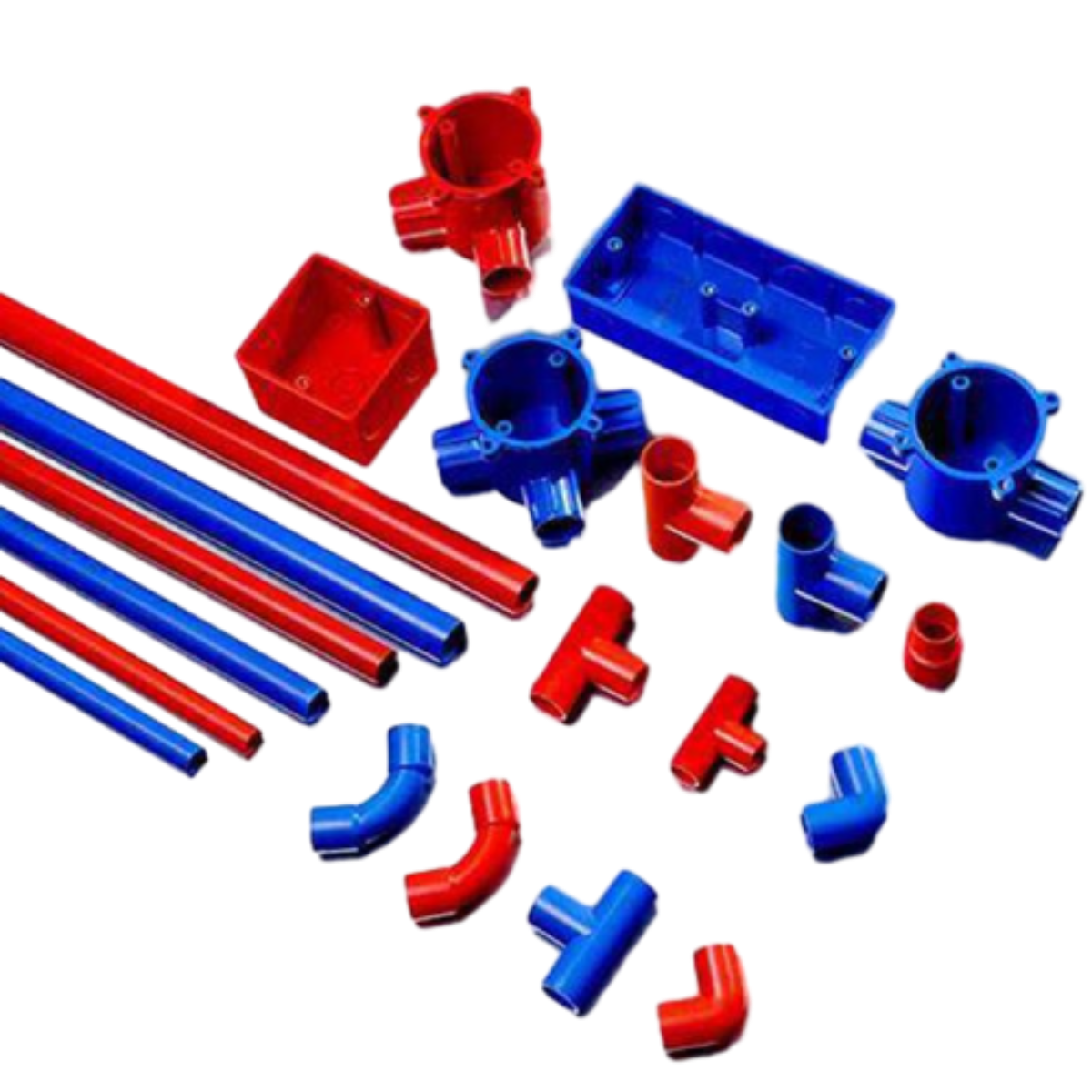
Introduction
Polypropylene Random Copolymer (PPR) pipe, with a 25mm service diameter, represents a significant advancement in fluid transport systems, particularly within residential and commercial plumbing, heating, and cooling applications. Positioned as a direct replacement for traditional metallic piping systems, PPR offers advantages in corrosion resistance, thermal insulation, and ease of installation. Its technical position within the industry chain lies between the polypropylene resin manufacturer and the end-user, with fabrication companies converting raw material into finished pipe systems. Core performance characteristics revolve around pressure handling capability, temperature resistance (typically up to 95°C for continuous operation and short-term peaks up to 110°C), and a smooth internal surface minimizing friction loss. The critical challenge in the industry centres around ensuring long-term hydrostatic strength, preventing premature failure due to UV degradation in exposed applications, and maintaining consistent weld integrity during installation – areas where substandard materials or improper techniques can lead to costly repairs and system downtime.
Material Science & Manufacturing
PPR pipe derives its properties from polypropylene random copolymer, a thermoplastic polymer produced through the polymerization of propylene monomers with ethylene comonomers. The random arrangement of ethylene units disrupts the crystallinity of the polypropylene, resulting in increased flexibility, impact resistance, and weldability. The raw material’s density typically falls between 0.905 and 0.92 g/cm³. Manufacturing involves several key stages. Initially, polypropylene granules are melted and extruded through a die to form the pipe shape. Critical parameters during extrusion include maintaining a consistent melt temperature (typically between 190-230°C) to prevent thermal degradation, controlling the extrusion speed to achieve uniform wall thickness, and ensuring precise die calibration. Subsequent cooling is vital; controlled water immersion is commonly used to rapidly solidify the pipe while minimizing internal stress. Quality control during manufacturing includes hydrostatic testing to verify pressure resistance, dimensional checks to ensure adherence to standards (e.g., wall thickness, outer diameter), and material analysis (e.g., melt flow index) to confirm resin composition. The welding process, crucial for joining PPR pipes, employs either hot-plate welding or electrofusion welding. Hot-plate welding requires precise temperature control (typically 260-270°C) and pressure application to ensure a homogenous weld bead. Electrofusion welding, conversely, utilizes electrical resistance heating within a fitting, achieving a more controlled and consistent weld but requiring specific fitting compatibility.
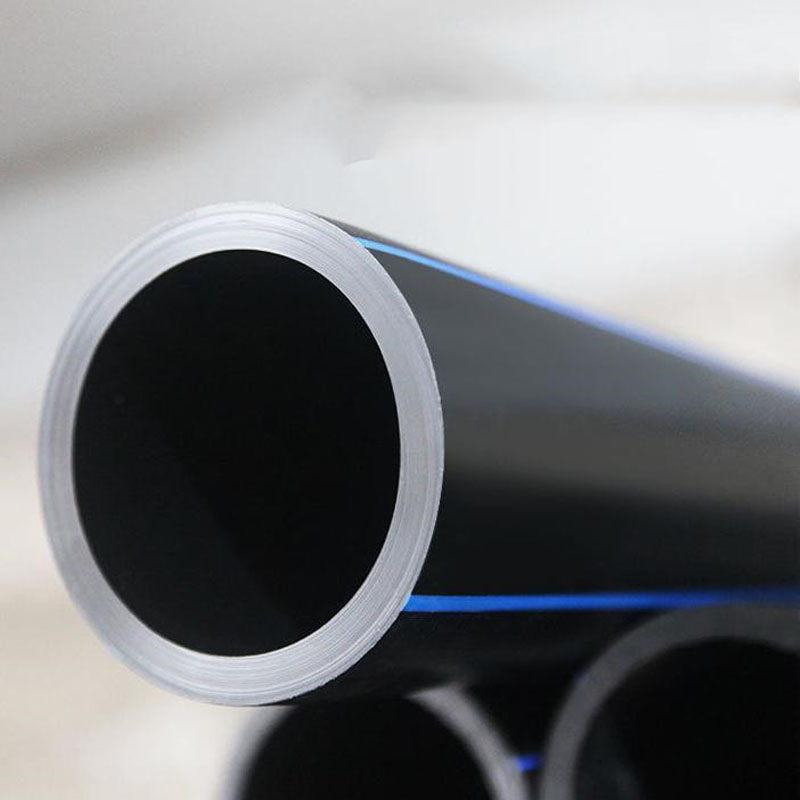
Performance & Engineering
The performance of 25mm PPR pipe is heavily influenced by hydrostatic strength, the ability to withstand internal fluid pressure without failure. This is determined by the pipe’s dimensions (diameter and wall thickness) and the material’s minimum yield strength (MRS). Force analysis dictates that hoop stress, the tensile stress acting circumferentially within the pipe wall, is the primary stress component. The Barlow’s formula (σ = PD/2t, where σ is hoop stress, P is pressure, D is diameter, and t is wall thickness) governs this relationship. Environmental resistance is another crucial aspect. While PPR exhibits excellent chemical resistance to a wide range of fluids, prolonged exposure to ultraviolet (UV) radiation can lead to embrittlement and degradation. Consequently, PPR pipe used in outdoor applications necessitates UV stabilization additives or protective coverings. Temperature variations also influence performance; thermal expansion and contraction must be accounted for during installation to prevent stress on joints. Compliance requirements are typically dictated by regional plumbing codes and international standards (detailed in the footer). PPR systems are designed to operate within defined temperature and pressure limits, typically up to 6 bar at 95°C, and are subject to rigorous testing to ensure leak-free performance under sustained load. The smooth internal bore of PPR minimizes friction losses, resulting in lower pumping energy requirements compared to metallic piping systems.
Technical Specifications
| Parameter | Unit | Specification (25mm PPR Pipe) | Test Standard |
|---|---|---|---|
| Outer Diameter | mm | 25 ± 0.5 | ISO 15876 |
| Wall Thickness | mm | 3.2 / 4.2 (S3.2/S4.2) | ISO 15876 |
| Hydrostatic Pressure (1hr) | bar | ≥ 12.5 (S3.2) / ≥ 16 (S4.2) | ISO 11671 |
| Burst Pressure | bar | ≥ 60 (S3.2) / ≥ 80 (S4.2) | ISO 11671 |
| Maximum Operating Temperature (Continuous) | °C | 95 | DIN 19569 |
| Maximum Operating Temperature (Short Term) | °C | 110 | DIN 19569 |
Failure Mode & Maintenance
PPR pipe, while durable, is susceptible to specific failure modes. Fatigue cracking can occur at weld points due to repeated stress cycles, particularly in systems subjected to water hammer or vibrations. Delamination, the separation of layers within the pipe wall, can result from improper welding techniques (insufficient heat or pressure) or material defects. Chemical attack, though rare, can occur with prolonged exposure to aggressive chemicals not compatible with polypropylene. Oxidation, driven by high temperatures and oxygen presence, can lead to embrittlement over time. UV degradation is a common failure mode in exposed applications, causing the material to become brittle and prone to cracking. Maintenance strategies include regular visual inspections for signs of leakage, cracking, or discoloration. For weld repairs, re-welding is generally the preferred method, ensuring proper surface preparation and welding parameters. Preventative maintenance involves flushing the system periodically to remove sediment buildup and implementing water softening if hard water is present, mitigating scale formation. Should extensive degradation or cracking be observed, complete pipe replacement is recommended. Proper installation adhering to manufacturer’s guidelines and relevant standards is the most effective preventative measure against premature failure.
Industry FAQ
Q: What is the long-term impact of chlorine in potable water on PPR pipe?
A: While PPR exhibits good resistance to chlorine, prolonged exposure to high concentrations of chlorine (above 2 ppm) can lead to gradual degradation, reducing the pipe’s long-term hydrostatic strength. Chloramines, a common alternative disinfectant, also have a corrosive effect, albeit slower than chlorine. Therefore, it is recommended to use PPR pipe with chlorine stabilizers or explore alternative materials in areas with exceptionally high chlorine levels.
Q: What are the limitations of using PPR pipe in industrial applications involving solvents or hydrocarbons?
A: PPR is not compatible with most organic solvents and hydrocarbons. Exposure to these substances can cause swelling, softening, and ultimately, failure of the pipe. For industrial applications involving such fluids, alternative materials like CPVC or stainless steel are more suitable.
Q: How does the wall thickness (S3.2 vs S4.2) affect the overall system performance and cost?
A: S4.2 PPR pipe, with its thicker wall, offers higher pressure resistance and improved impact strength compared to S3.2. However, it also results in a higher material cost and increased welding time. S3.2 is generally suitable for residential plumbing applications with moderate pressure requirements, while S4.2 is preferred for commercial or industrial systems and applications requiring higher safety margins.
Q: What is the recommended expansion gap to accommodate thermal expansion and contraction in long PPR pipe runs?
A: The recommended expansion gap is approximately 5-10mm per 10 meters of pipe length. This allows for thermal movement without inducing excessive stress on the joints. Expansion loops or bends should also be incorporated into the system design to further accommodate thermal expansion.
Q: How important is operator training and certification for successful PPR pipe welding?
A: Operator training and certification are critically important. Improper welding techniques can lead to weak or unreliable joints, significantly increasing the risk of leaks and failures. Certified welders are trained in proper temperature control, pressure application, and weld inspection procedures, ensuring consistent weld quality and system integrity.
Conclusion
PPR pipe 25mm service represents a robust and cost-effective solution for a wide range of fluid transport applications, offering significant advantages over traditional metallic systems. Its inherent corrosion resistance, ease of installation, and thermal properties contribute to long-term system reliability. However, successful implementation requires careful consideration of material selection, proper installation techniques, and adherence to relevant industry standards. Understanding the potential failure modes and implementing appropriate preventative maintenance strategies are crucial for maximizing the lifespan and performance of PPR pipe systems.
Looking forward, advancements in PPR material technology, such as the development of enhanced UV stabilizers and impact modifiers, will further expand its application range. Continued emphasis on operator training and quality control during manufacturing will be essential for maintaining the integrity and reliability of PPR piping systems. The increasing demand for sustainable and efficient fluid transport solutions positions PPR pipe as a key component of modern infrastructure.
-
DN25 HDPE Compression Fitting-HORON INTERNATIONAL|Reliable Irrigation Solutions
NewsFeb.11,2026
-
hdpe coupling joint product Manufacturing Analysis
News2026-11-18
-
ppr pipe heating time products Performance Analysis
News2026-11-16
-
hdpe pipe sizes factory Performance Analysis
News2026-11-09
-
HDPE Pipe Sizes Service Performance Analysis
News2026-10-26
-
wholesale 15mm ppr pipe Material Science and Performance Analysis
News2026-10-20
-
wholesale pvc pipe price per foot Technical Analysis
News2026-09-21
-
wholesale long pvc pipe Technical Analysis and Manufacturing Specifications
News2026-09-15
-
wholesale plumbing kitchen sink water lines Material Performance
News2026-09-15
-
wholesale hdpe drip irrigation Material Science
News2026-09-15
-
wholesale hot water ppr pipe Performance Analysis
News2026-09-15
-
wholesale ppr plumbing Performance Analysis
News2026-09-15
-
wholesale ppr pipe supplier Performance Analysis
News2026-09-13
-
wholesale 50mm ppr pipe Performance Analysis
News2026-09-13
-
wholesale hdpe drip pipe Performance Analysis
News2026-09-13
-
wholesale hdpe pipe 63mm price Manufacturing Specification and Performance Analysis
News2026-09-13