

Feb . 11, 2026 00:01 Back to list
ppr pipe 25mm manufacturer Performance Analysis
Introduction
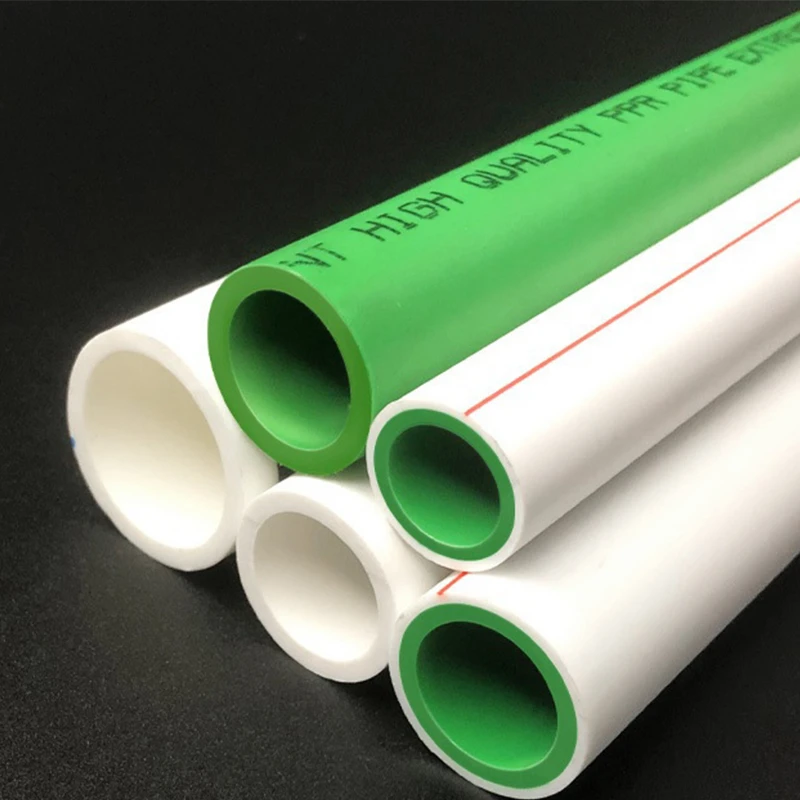
Polypropylene Random Copolymer (PPR) pipe, specifically the 25mm variant, represents a significant advancement in fluid conveyance systems. PPR pipes, manufactured via extrusion and injection molding processes, are widely employed in potable water supply, heating systems, and industrial fluid handling due to their inherent corrosion resistance, thermal stability, and cost-effectiveness. This technical guide provides an in-depth analysis of PPR pipe 25mm, encompassing its material science, manufacturing techniques, performance characteristics, potential failure modes, and relevant industry standards. The 25mm diameter is particularly common for residential and light commercial applications, balancing flow rate requirements with ease of installation and cost. Key performance metrics revolve around pressure ratings (PN10, PN16, PN20), temperature resistance, and long-term hydrostatic strength. Understanding these parameters is crucial for ensuring system longevity and preventing catastrophic failures. The manufacturing landscape is increasingly focused on consistent wall thickness, dimensional accuracy, and the minimization of residual stresses introduced during the molding process.
Material Science & Manufacturing
PPR pipe derives its properties from polypropylene random copolymer resin. This material is created through the copolymerization of propylene monomers with ethylene comonomers. The random arrangement of ethylene units disrupts the crystallinity of polypropylene, resulting in enhanced impact resistance, flexibility, and weldability. The raw material typically possesses a density ranging from 0.905 to 0.92 g/cm³, a melt flow index (MFI) between 1.0 and 3.5 g/10min (measured at 230°C/2.16 kg), and a Vicat softening temperature of approximately 135-150°C. The manufacturing process begins with the compounding of the polypropylene resin with stabilizers (typically antioxidants and UV absorbers), pigments for color coding (commonly green for cold water, red for hot water), and potentially reinforcing fillers. Extrusion is the predominant method, employing a single-screw extruder with a carefully designed die head to establish the 25mm outer diameter and desired wall thickness. Critical parameters during extrusion include melt temperature (190-240°C), screw speed, and die pressure. Injection molding is used for producing fittings. Precise temperature control is paramount to prevent degradation and ensure dimensional accuracy. Post-extrusion, the pipe undergoes cooling in a water bath, followed by dimensional inspection and cutting to specified lengths. Quality control includes hydrostatic pressure testing to verify burst resistance, and assessment of the weldability of the pipe material.
Performance & Engineering
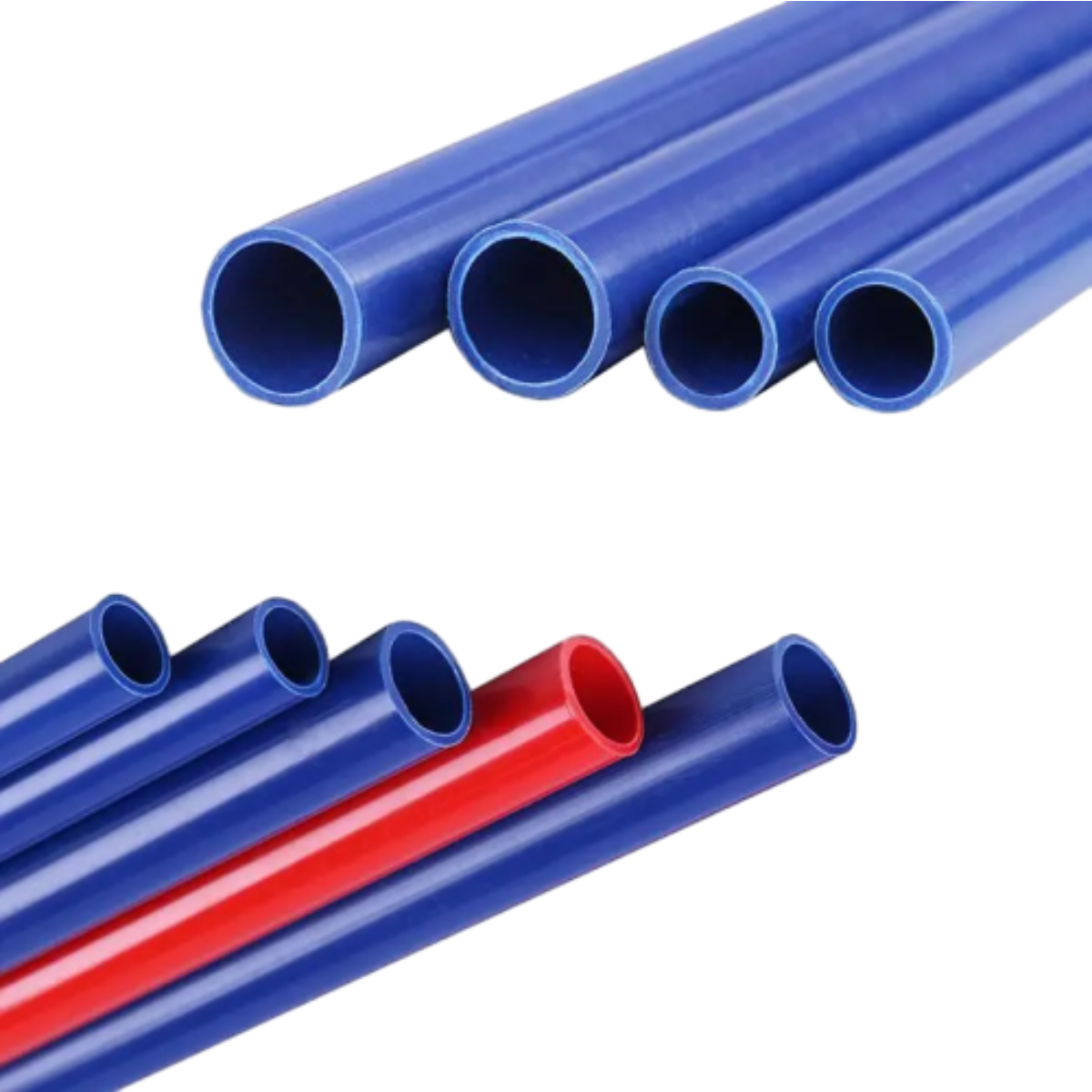
The performance of PPR pipe 25mm is governed by several key engineering principles. Hydrostatic strength, determined through long-term pressure testing, is critical for ensuring structural integrity under sustained pressure. The pipe’s ability to withstand internal pressure depends on its wall thickness, material properties (specifically, the hoop strength of the polypropylene), and operating temperature. Stress analysis reveals that hoop stress is the primary stress component. Thermal expansion is another important consideration. PPR exhibits a relatively high coefficient of thermal expansion (approximately 0.15 mm/m°C), necessitating the incorporation of expansion loops or flexible connectors in piping systems to accommodate temperature fluctuations and prevent stress cracking at joints. Chemical resistance is excellent for many common fluids, however, prolonged exposure to strong oxidizing agents or aromatic hydrocarbons should be avoided. Compliance with relevant standards (detailed in the footer) ensures that the pipe meets minimum performance requirements. Furthermore, the weldability of PPR is a crucial engineering aspect; hot plate welding or electrofusion welding are standard joining methods. Proper welding technique, including precise temperature and pressure control, is essential to achieve a homogenous weld joint with comparable strength to the base material. Finite Element Analysis (FEA) is often employed during the design phase to optimize pipe geometry and predict stress distribution under various loading conditions.
Technical Specifications
| Parameter | Unit | PN10 (SDR 6) | PN16 (SDR 5) |
|---|---|---|---|
| Outer Diameter | mm | 25 | 25 |
| Wall Thickness | mm | 2.3 | 3.2 |
| Pressure Rating | bar | 1.0 MPa | 1.6 MPa |
| Burst Pressure | bar | 6.0 | 9.6 |
| Operating Temperature (Water) | °C | -20 to +95 | -20 to +95 |
| Operating Temperature (Hot Water – intermittent) | °C | Up to +70 (continuous) | Up to +70 (continuous) |
Failure Mode & Maintenance
PPR pipe 25mm, while durable, is susceptible to several failure modes. Slow Crack Growth (SCG) is a common issue, often initiated by residual stresses from manufacturing or improper installation. This is exacerbated by exposure to internal pressure and certain chemical environments. Oxidation, particularly at elevated temperatures and in the presence of oxygen, can lead to embrittlement and reduced impact resistance. UV degradation can cause discoloration and loss of mechanical properties, especially for pipes exposed to sunlight. Delamination can occur in poorly welded joints, resulting from insufficient heat input or inadequate pressure. Fatigue cracking may occur in systems subject to cyclical pressure variations. Maintenance primarily focuses on preventing these failures. This includes proper installation practices (avoiding sharp bends and excessive stress), ensuring correct welding parameters, protecting the pipe from direct sunlight, and regularly inspecting joints for signs of leakage or cracking. In the event of a leak, the damaged section should be cut out and replaced with a new piece of PPR pipe and fittings, using appropriate welding techniques. Periodic pressure testing can identify potential weaknesses before they lead to catastrophic failures. A visual inspection for signs of discoloration, cracking, or deformation is also recommended as part of routine maintenance.
Industry FAQ
Q: What is the impact of water hardness on the lifespan of PPR pipe?
A: While PPR is generally resistant to corrosion, high water hardness can lead to the formation of scale deposits on the inner surface of the pipe. This scale reduces the effective flow area, increases pressure drop, and can potentially harbor bacteria. While the scale itself doesn't typically degrade the PPR material, it can create localized stress concentrations and contribute to biofilm formation, which can accelerate corrosion of metallic fittings. Water softening or regular flushing of the system can mitigate these effects.
Q: Can PPR pipe be used for compressed air lines?
A: Generally, PPR pipe is not recommended for compressed air lines operating at pressures exceeding the pipe’s pressure rating. PPR is susceptible to permeation of compressed air molecules, potentially leading to a reduction in air pressure and material embrittlement over time. Furthermore, the potential for moisture condensation within the pipe can lead to corrosion of downstream components. Materials specifically designed for compressed air applications, such as aluminum or polyurethane, are more suitable.
Q: What is the recommended welding procedure for PPR pipe 25mm?
A: Hot plate welding is the most common method. The heating plate temperature should be set according to the manufacturer's recommendations, typically between 260-280°C. The pipe and fitting are pressed against the heated plate for the specified time (depending on the pipe diameter and wall thickness) to melt the surfaces. They are then quickly removed and joined under firm, consistent pressure, maintaining alignment until the joint cools sufficiently. Electrofusion welding, utilizing a specialized fitting with integrated heating elements, provides a more controlled and reliable weld but requires specialized equipment.
Q: How does the quality of the welding machine affect the integrity of the joint?
A: The welding machine’s temperature control accuracy and pressure regulation are critical. Inaccurate temperature settings can result in under-welded or over-welded joints, both of which compromise the structural integrity. Insufficient pressure during the cooling phase can lead to misalignment and stress concentrations. Using a calibrated and well-maintained welding machine is essential for achieving consistent, high-quality welds.
Q: What are the limitations of using PPR pipe in underground applications?
A: While PPR can be buried, it requires adequate bedding and protection from external loads. Soil movement, rock impacts, and exposure to aggressive soil chemicals can all damage the pipe. A protective sleeve or concrete encasement is often recommended, particularly in areas with unstable soil conditions. Furthermore, proper corrosion protection for any metallic fittings is essential to prevent galvanic corrosion.
Conclusion
PPR pipe 25mm offers a compelling combination of performance, cost-effectiveness, and ease of installation, making it a widely adopted solution for various fluid conveyance applications. Its resistance to corrosion, thermal stability, and weldability contribute to its long service life. However, careful consideration must be given to potential failure modes, such as slow crack growth, oxidation, and UV degradation, and appropriate preventative measures implemented through proper installation, maintenance, and material selection. The technical specifications, as outlined in this guide, provide a foundation for informed decision-making.
Future developments in PPR technology are focused on enhancing its resistance to SCG, improving its UV stability, and developing new welding techniques to further streamline installation. Adherence to relevant international standards and best practices remains paramount to ensuring the continued reliability and safety of PPR piping systems. A thorough understanding of the material properties, manufacturing processes, and performance characteristics is essential for engineers and procurement professionals involved in the specification and deployment of PPR pipe 25mm.
-
DN25 HDPE Compression Fitting-HORON INTERNATIONAL|Reliable Irrigation Solutions
NewsFeb.11,2026
-
hdpe coupling joint product Manufacturing Analysis
News2026-11-18
-
ppr pipe heating time products Performance Analysis
News2026-11-16
-
hdpe pipe sizes factory Performance Analysis
News2026-11-09
-
HDPE Pipe Sizes Service Performance Analysis
News2026-10-26
-
wholesale 15mm ppr pipe Material Science and Performance Analysis
News2026-10-20
-
wholesale pvc pipe price per foot Technical Analysis
News2026-09-21
-
wholesale long pvc pipe Technical Analysis and Manufacturing Specifications
News2026-09-15
-
wholesale plumbing kitchen sink water lines Material Performance
News2026-09-15
-
wholesale hdpe drip irrigation Material Science
News2026-09-15
-
wholesale hot water ppr pipe Performance Analysis
News2026-09-15
-
wholesale ppr plumbing Performance Analysis
News2026-09-15
-
wholesale ppr pipe supplier Performance Analysis
News2026-09-13
-
wholesale 50mm ppr pipe Performance Analysis
News2026-09-13
-
wholesale hdpe drip pipe Performance Analysis
News2026-09-13
-
wholesale hdpe pipe 63mm price Manufacturing Specification and Performance Analysis
News2026-09-13