

Feb . 11, 2026 00:01 Back to list
ppr pipe 1 price manufacturers Performance Analysis
Introduction
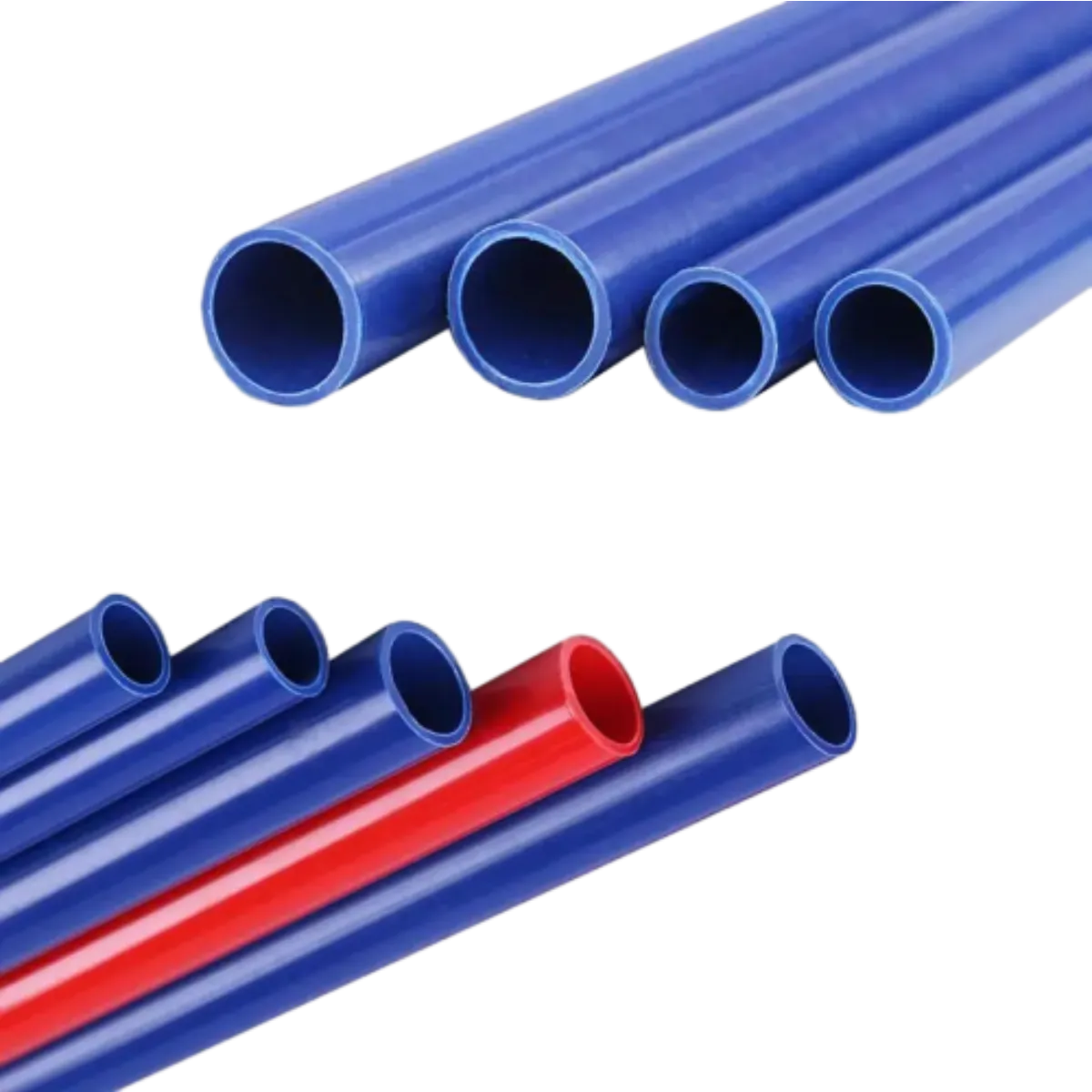
Polypropylene Random (PPR) pipe represents a significant advancement in fluid conveyance systems, particularly within building infrastructure and industrial applications. PPR pipe, distinguished by its homogeneous material structure and lack of solvents in its joining process (typically via heat fusion), offers a corrosion-resistant and long-lasting alternative to traditional metallic piping. Manufacturers specializing in “ppr pipe 1 price” production operate within a competitive market driven by factors including raw material costs, production efficiency, quality control, and adherence to international standards. This guide details the material science, manufacturing processes, performance characteristics, potential failure modes, and maintenance protocols relevant to PPR piping systems, focusing on the key considerations for procurement managers and engineering professionals.
Material Science & Manufacturing
PPR pipe is fabricated from polypropylene random copolymer, a thermoplastic polymer derived from propylene monomer. The ‘random’ designation refers to the irregular arrangement of comonomers within the polymer chain, resulting in improved impact resistance and flexibility compared to homopolymer polypropylene. Raw material selection is critical; homopolymer PP exhibits higher tensile strength but reduced impact resistance at lower temperatures, making it unsuitable for most piping applications. Copolymer PP, typically containing ethylene comonomers, offers a superior balance of properties. The manufacturing process commonly involves extrusion. Polypropylene granules are fed into an extruder, melted, and forced through a die to create the pipe’s shape. Key parameters in extrusion include melt temperature (typically 190-230°C), screw speed, and die design. Accurate control of these parameters dictates pipe diameter consistency, wall thickness uniformity, and overall dimensional accuracy. Furthermore, the cooling process (water bath or air cooling) profoundly impacts the pipe’s crystallinity and subsequent mechanical properties. The quality of the raw material, specifically its Molecular Weight Distribution (MWD), impacts the melt flow index and ultimately affects the pipe's weldability and long-term performance. Improper cooling rates can induce residual stresses within the pipe wall, potentially leading to premature failure.
Performance & Engineering
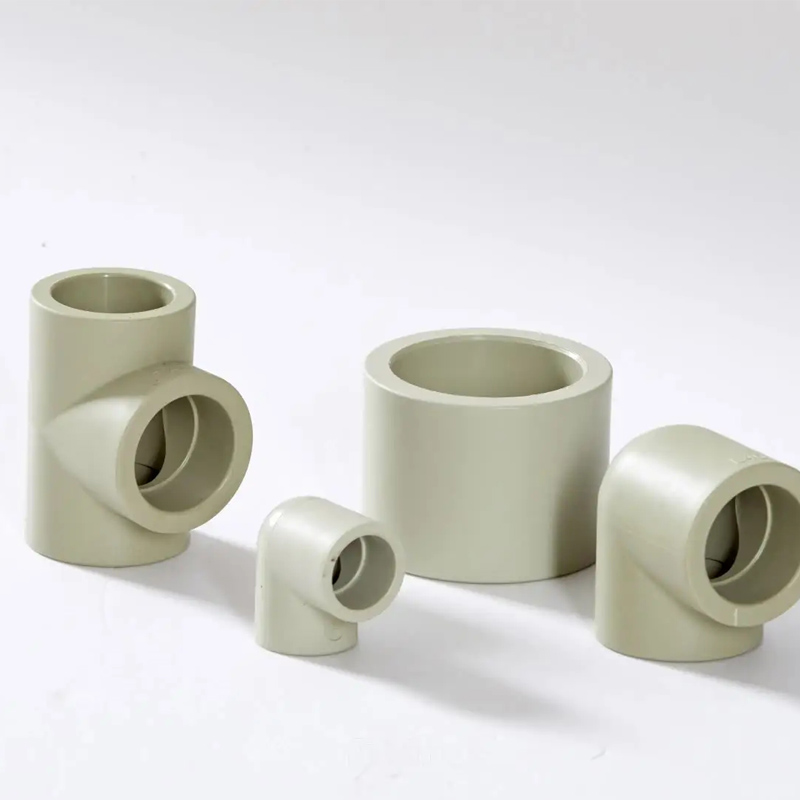
The engineering performance of PPR pipe is governed by several critical factors. Hydrostatic pressure resistance is paramount, dictated by the pipe's dimensions (diameter and wall thickness) and the material's tensile strength and yield strength. PPR typically exhibits a hydrostatic pressure rating ranging from PN10 (1 MPa) to PN25 (2.5 MPa), corresponding to different wall thicknesses and intended applications. Thermal expansion and contraction are also significant considerations. PPR has a coefficient of thermal expansion approximately 10 times greater than steel, necessitating the incorporation of expansion loops or flexible connectors within piping systems to accommodate temperature fluctuations and prevent stress buildup. Chemical resistance is a key advantage, with PPR exhibiting excellent compatibility with a wide range of fluids, including potable water, industrial chemicals, and diluted acids. However, it is susceptible to degradation by strong oxidizing agents. Long-term creep resistance is crucial for sustained performance under constant internal pressure. The material's viscoelastic properties contribute to creep deformation over time, potentially leading to dimensional changes and reduced pressure capacity. Finite Element Analysis (FEA) is commonly employed to simulate stress distributions within PPR piping systems under various loading conditions, optimizing pipe support spacing and minimizing the risk of failure.
Technical Specifications
| Parameter | Unit | PN10 (20mm) | PN16 (25mm) |
|---|---|---|---|
| Outside Diameter | mm | 26.0 | 32.4 |
| Wall Thickness | mm | 2.3 | 3.2 |
| Hydrostatic Pressure (23°C) | MPa | 1.0 | 1.6 |
| Burst Pressure (23°C) | MPa | 3.0 | 4.8 |
| Maximum Operating Temperature | °C | 95 | 95 |
| Coefficient of Linear Thermal Expansion | mm/m°C | 0.15 | 0.15 |
Failure Mode & Maintenance
PPR pipe, while durable, is susceptible to specific failure modes. Slow Crack Growth (SCG), induced by sustained tensile stress and exposure to aggressive chemicals, is a common concern. This manifests as hairline cracks propagating slowly over time, eventually leading to leakage. Oxidation, particularly at elevated temperatures or UV exposure, can embrittle the material and reduce its impact resistance. Improper heat fusion during joining is a significant source of failure. Insufficient heating results in incomplete fusion and weak joints, while overheating can degrade the material. Mechanical damage, such as impact from dropped objects or excessive bending during installation, can cause cracking or deformation. Regular visual inspections are essential to identify signs of SCG, oxidation, or mechanical damage. Maintenance primarily focuses on preventing damage and ensuring proper installation techniques. Avoid direct sunlight exposure where possible, and protect pipes from physical impacts. For repairs, only qualified technicians should perform heat fusion welding, adhering to manufacturer’s specifications. Periodic pressure testing can verify the integrity of the system and detect leaks before they escalate. For long-term preventative maintenance, consider implementing a corrosion monitoring program in aggressive environments.
Industry FAQ
Q: What is the impact of varying water quality (pH levels, mineral content) on the long-term performance of PPR piping?
A: Water quality significantly influences PPR lifespan. Highly acidic or alkaline water can accelerate degradation. High mineral content, particularly calcium and magnesium, can lead to scale buildup, reducing flow capacity and potentially causing stress concentrations. PPR is generally resistant to most potable water qualities, but pre-treatment may be necessary for aggressive water sources.
Q: How does the choice of fusion welding parameters (temperature, pressure, time) affect the joint strength and reliability of PPR pipes?
A: Precise control of fusion welding parameters is critical. Insufficient temperature or pressure leads to incomplete fusion, creating weak joints prone to failure. Excessive temperature can degrade the polymer, weakening the weld. Adhering to the manufacturer's recommended parameters, as outlined in standards like DVS 3577, is essential for achieving optimal joint strength.
Q: What are the primary considerations when selecting PPR pipe for hot water applications?
A: For hot water, select PPR-HT (High Temperature) grades capable of withstanding sustained exposure to temperatures up to 95°C. Ensure the pipe's pressure rating is adequate for the system's operating pressure. Consider the thermal expansion coefficient and incorporate expansion loops to prevent stress.
Q: What are the differences between PPR-C (chlorinated PPR) and standard PPR regarding chemical resistance and long-term durability?
A: PPR-C undergoes a chlorination process, enhancing its chemical resistance, particularly to oxidizing agents. It exhibits improved resistance to chlorine-based disinfectants commonly used in water treatment. While generally more durable, PPR-C is typically more expensive than standard PPR.
Q: What quality control measures should be implemented during the manufacturing process of PPR pipes to ensure consistent product quality and adherence to industry standards?
A: Stringent quality control is vital. Measures include raw material testing (melt flow index, density), dimensional checks (diameter, wall thickness), hydrostatic pressure testing, impact resistance testing, and visual inspection for defects. Statistical Process Control (SPC) should be implemented to monitor and control key manufacturing parameters.
Conclusion
PPR pipe represents a robust and reliable solution for fluid conveyance, offering advantages in corrosion resistance, ease of installation, and long-term performance. However, successful implementation necessitates a thorough understanding of the material’s properties, manufacturing processes, and potential failure modes. Selecting the appropriate grade of PPR for the intended application, adhering to proper installation techniques, and implementing proactive maintenance protocols are crucial for maximizing system lifespan and minimizing the risk of costly failures.
The competitive landscape of “ppr pipe 1 price manufacturers” demands a commitment to quality control and adherence to international standards. Future advancements in PPR technology may focus on enhancing chemical resistance, improving creep resistance, and developing more sustainable manufacturing processes. Continued research and development will solidify PPR’s position as a leading material in fluid conveyance systems.
-
DN25 HDPE Compression Fitting-HORON INTERNATIONAL|Reliable Irrigation Solutions
NewsFeb.11,2026
-
hdpe coupling joint product Manufacturing Analysis
News2026-11-18
-
ppr pipe heating time products Performance Analysis
News2026-11-16
-
hdpe pipe sizes factory Performance Analysis
News2026-11-09
-
HDPE Pipe Sizes Service Performance Analysis
News2026-10-26
-
wholesale 15mm ppr pipe Material Science and Performance Analysis
News2026-10-20
-
wholesale pvc pipe price per foot Technical Analysis
News2026-09-21
-
wholesale long pvc pipe Technical Analysis and Manufacturing Specifications
News2026-09-15
-
wholesale plumbing kitchen sink water lines Material Performance
News2026-09-15
-
wholesale hdpe drip irrigation Material Science
News2026-09-15
-
wholesale hot water ppr pipe Performance Analysis
News2026-09-15
-
wholesale ppr plumbing Performance Analysis
News2026-09-15
-
wholesale ppr pipe supplier Performance Analysis
News2026-09-13
-
wholesale 50mm ppr pipe Performance Analysis
News2026-09-13
-
wholesale hdpe drip pipe Performance Analysis
News2026-09-13
-
wholesale hdpe pipe 63mm price Manufacturing Specification and Performance Analysis
News2026-09-13