

Feb . 11, 2026 00:01 Back to list
ppr pipe 1 price factories Performance Analysis
Introduction
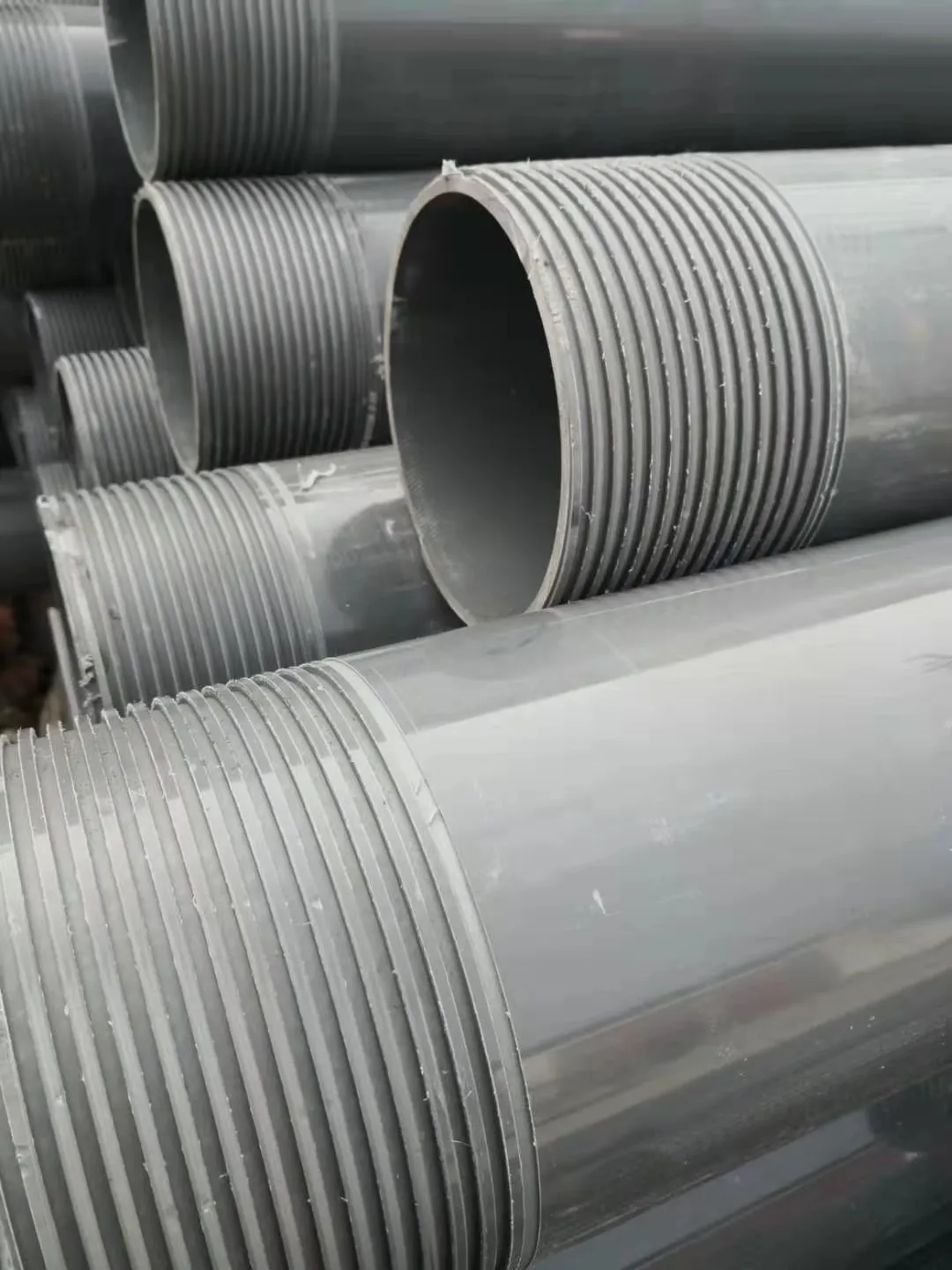
Polypropylene Random (PPR) pipe represents a significant advancement in fluid conveyance systems, particularly within building infrastructure and industrial applications. PPR pipe, manufactured by factories specializing in ‘ppr pipe 1 price’, distinguishes itself through a unique combination of thermal stability, chemical resistance, and hygienic properties. Its position within the industry chain resides primarily as a substitute for traditional metallic piping (steel, copper, and cast iron) and, increasingly, PVC piping, offering a corrosion-resistant and lightweight alternative. Core performance characteristics include its ability to withstand elevated temperatures and pressures common in hot and cold water distribution, and its fusion-welded joints create a leak-proof system, minimizing maintenance and extending operational lifespan. This guide provides an in-depth exploration of PPR pipe, focusing on material science, manufacturing processes, performance metrics, potential failure modes, and relevant international standards, tailored for procurement managers, engineers, and technical specialists.
Material Science & Manufacturing
PPR pipe is fundamentally derived from polypropylene homopolymer and random copolymer resins. Polypropylene homopolymer offers high tensile strength and rigidity, while the random copolymer component introduces enhanced impact resistance, particularly at lower temperatures. The ratio of homopolymer to copolymer is a crucial determinant of the final pipe’s characteristics. Raw material quality is paramount; virgin polypropylene is preferred to recycled materials due to its superior mechanical properties and consistency. The manufacturing process typically involves extrusion. Polypropylene granules are fed into an extruder where they are heated and melted. This molten plastic is then forced through a die, shaping it into the desired pipe diameter and wall thickness. Precise temperature control (typically between 190°C and 240°C) is critical to prevent degradation of the polymer and ensure uniform density. Cooling is achieved through water baths or air cooling systems, followed by dimensional stabilization and cutting to length. Crucially, the extrusion process necessitates tight control over melt flow rate (MFR), which directly influences the pipe’s resistance to creep and long-term deformation. The surface finish is also important; a smooth, consistent surface minimizes friction loss and enhances flow efficiency. Quality control measures include regular testing of MFR, density, and hydrostatic pressure resistance.
Performance & Engineering
The performance of PPR pipe is dictated by several key engineering considerations. Hydrostatic pressure testing, conducted according to ISO 1167, assesses the pipe’s ability to withstand internal pressure without rupture or leakage. This is a critical parameter for determining suitability for various applications. Thermal expansion is another significant factor. PPR exhibits a relatively high coefficient of thermal expansion (approximately 0.15 mm/m°C), necessitating careful consideration during installation to accommodate dimensional changes due to temperature fluctuations. Expansion loops and flexible connections are commonly employed to mitigate stresses caused by thermal expansion and contraction. Chemical resistance is a substantial advantage of PPR; it’s highly resistant to a broad range of chemicals, including acids, bases, and salts, making it suitable for industrial fluid transport. However, prolonged exposure to certain organic solvents can lead to swelling and degradation. Long-term hydrostatic strength (LTHS) is predicted using time-temperature-pressure models, extrapolating data from short-term hydrostatic tests. Compliance with building codes and plumbing standards is essential. PPR systems must meet requirements regarding water quality, lead content (typically less than 0.2%), and fire resistance. The fusion welding process – typically hot plate or socket fusion – creates a homogenous joint stronger than the pipe itself, eliminating the risk of solvent-based adhesives and contributing to a leak-free system.
Technical Specifications
| Parameter | Unit | Standard (DIN 8077/8078) | Typical Value |
|---|---|---|---|
| Nominal Diameter | mm | 20-160 | 20, 25, 32, 40, 50, 63, 75, 90, 110, 125, 160 |
| Pressure Rating (PN) | bar | PN10, PN16, PN20, PN25 | 10, 16, 20, 25 |
| Wall Thickness | mm | Variable based on PN and Diameter | 2.3, 2.8, 3.7, 4.6, 5.8, 6.8 |
| Maximum Operating Temperature | °C | 95 (Short-term up to 100°C) | |
| Density | g/cm³ | 0.905 - 0.920 | |
| Melt Flow Rate (MFR) | g/10min | 0.3 - 0.7 |
Failure Mode & Maintenance
PPR pipe, while durable, is susceptible to specific failure modes. Fatigue cracking can occur in areas subjected to repeated stress or vibration, particularly at joints. This is often exacerbated by improper installation, such as insufficient support or excessive bending radii. Creep, the gradual deformation under sustained stress, is a long-term concern, especially at elevated temperatures. This is directly related to the MFR of the material and the operating pressure. Environmental stress cracking (ESC) can result from exposure to certain chemicals, particularly those containing chlorine. UV degradation, caused by prolonged exposure to sunlight, can render the pipe brittle and susceptible to cracking; this is mitigated by using UV-stabilized formulations or shielding the pipe from direct sunlight. Delamination, a separation of layers within the pipe wall, can occur due to poor welding techniques or material defects. Maintenance is generally minimal due to the corrosion-resistant nature of PPR. However, periodic inspections are recommended to identify any signs of cracking, deformation, or leakage. Repair typically involves cutting out the damaged section and fusing in a new piece of pipe using appropriate welding techniques. It’s crucial to use only certified welding equipment and follow manufacturer's instructions to ensure a sound joint. Regular pressure testing can help identify leaks before they become significant problems. Preventing freezing is also crucial as ice expansion can cause catastrophic failure.
Industry FAQ
Q: What is the advantage of PPR over CPVC in terms of long-term performance, specifically regarding chlorine resistance?
A: While both PPR and CPVC offer excellent chemical resistance, CPVC is inherently more susceptible to degradation in the presence of chlorine, particularly over extended periods and at elevated temperatures. PPR exhibits superior long-term chlorine resistance, making it a preferred choice for applications involving chlorinated water or industrial processes utilizing chlorine-based chemicals. This difference stems from the molecular structure of each polymer; CPVC contains chlorine atoms within its structure, making it vulnerable to hydrolytic degradation.
Q: How does the cost of PPR piping systems compare to copper piping, considering both material and installation costs?
A: Initially, the material cost of PPR is generally lower than copper. However, a comprehensive cost analysis must include installation expenses. PPR's fusion welding process, while requiring specialized equipment, is typically faster and less labor-intensive than soldering copper, leading to reduced installation costs. Furthermore, the lack of corrosion in PPR eliminates the long-term maintenance and replacement costs associated with copper piping, resulting in a lower lifecycle cost.
Q: What are the typical failure rates observed in PPR piping systems installed in residential hot water applications over a 20-year period?
A: Reported failure rates in properly installed PPR piping systems in residential hot water applications are generally very low – typically less than 1% over a 20-year period. The majority of failures are attributable to improper installation techniques (insufficient support, inadequate welding) rather than material defects. However, it's crucial to maintain water chemistry within acceptable limits to prevent scaling and corrosion.
Q: Can PPR pipe be used for compressed air lines, and if so, what limitations apply?
A: PPR pipe is not generally recommended for compressed air lines operating at pressures exceeding 10 bar. While it can withstand moderate pressures, the inherent permeability of polypropylene to air can lead to leakage over time. Furthermore, the impact resistance of PPR is lower than materials specifically designed for compressed air systems. Specialized reinforced PPR piping may be suitable for low-pressure compressed air applications, but thorough evaluation is essential.
Q: What are the best practices for ensuring the quality of fusion-welded joints in PPR piping systems?
A: Best practices include using only certified welding equipment, ensuring the welding surfaces are clean and dry, and strictly adhering to the manufacturer’s recommended welding parameters (temperature and pressure). Proper training and certification of welding personnel are critical. Each joint should be visually inspected for uniformity and absence of defects. Pressure testing is also vital to verify the integrity of the welded connections.
Conclusion
PPR pipe represents a robust and cost-effective solution for a wide range of fluid conveyance applications. Its inherent chemical resistance, thermal stability, and leak-proof fusion-welded joints offer significant advantages over traditional materials. Understanding the material science, manufacturing processes, and performance characteristics of PPR is crucial for ensuring optimal system design, installation, and long-term reliability. The proper selection of pipe dimensions, pressure ratings, and welding techniques, coupled with adherence to relevant international standards, will maximize the lifespan and minimize the maintenance requirements of PPR piping systems.
The continued development of PPR formulations, particularly those incorporating UV stabilizers and enhanced impact resistance, promises to broaden its application scope even further. As building codes and plumbing standards evolve, a thorough understanding of PPR’s capabilities and limitations will remain essential for engineers, procurement managers, and installers alike. Investing in quality materials and skilled labor remains paramount for realizing the full potential of PPR pipe as a durable and sustainable fluid transport solution.
-
DN25 HDPE Compression Fitting-HORON INTERNATIONAL|Reliable Irrigation Solutions
NewsFeb.11,2026
-
hdpe coupling joint product Manufacturing Analysis
News2026-11-18
-
ppr pipe heating time products Performance Analysis
News2026-11-16
-
hdpe pipe sizes factory Performance Analysis
News2026-11-09
-
HDPE Pipe Sizes Service Performance Analysis
News2026-10-26
-
wholesale 15mm ppr pipe Material Science and Performance Analysis
News2026-10-20
-
wholesale pvc pipe price per foot Technical Analysis
News2026-09-21
-
wholesale long pvc pipe Technical Analysis and Manufacturing Specifications
News2026-09-15
-
wholesale plumbing kitchen sink water lines Material Performance
News2026-09-15
-
wholesale hdpe drip irrigation Material Science
News2026-09-15
-
wholesale hot water ppr pipe Performance Analysis
News2026-09-15
-
wholesale ppr plumbing Performance Analysis
News2026-09-15
-
wholesale ppr pipe supplier Performance Analysis
News2026-09-13
-
wholesale 50mm ppr pipe Performance Analysis
News2026-09-13
-
wholesale hdpe drip pipe Performance Analysis
News2026-09-13
-
wholesale hdpe pipe 63mm price Manufacturing Specification and Performance Analysis
News2026-09-13